

PPF’s low-tack adhesive allows for bubble removal post-installation, ensuring a flawless finish even if issues arise.,Blocks 99% UV rays to prevent paint oxidation.,Partner for Profit: Premium – Grade PPF, Abundant Color Choices, and Cost – Effective Deals.
Before & After: How PPF Transforms a 10-Year-Old Car:
- Before: Door panels (exterior) with handprint stains and smudges; After: PPF’s non-porous surface hides stains and wipes clean easily, resisting new smudges.
- Before: Side skirts with scrapes from curbs and speed bumps; After: Thick PPF hides scrapes and absorbs impact energy, preventing new damage on low-hanging parts.
- Before: Door striker plates with paint worn from contact; After: PPF lines striker areas, covering wear and reducing friction between metal and paint.
- Before: Rear window trim with black paint turning gray; After: PPF’s color-stable film covers faded trim, restoring uniform black appearance.
- Before: Side mirror housing gaskets with paint peeling at edges; After: PPF wraps gasket edges, hiding peeling and preventing water from getting under paint.
- Before: Door edges with countless scratch marks from parking mishaps; After: PPF’s self-healing layer covers scratches and resists new ones, creating crisp, unmarked edges.
The user pain points of PPF and their solutions:
- Edge Lifting – Addressed through heat-sealed edges and nano-adhesive technology, reducing lifting by 75% in car washes.
- Difficulty Matching Vehicle Contours – Addressed by 3D-scanned, vehicle-specific pre-cut patterns for complex curves (fenders, mirrors).
- Mold Growth in Humid Climates – Prevented by antimicrobial additives and breathable film designs allowing moisture evaporation.
- Uncertainty About Lifespan – Resolved by clear warranty durations (5–15 years) and real-world durability data from field tests.
- Discoloration on Dark Paint – Solved by high-clarity TPU with low-iron content, preventing blue/green tint on black vehicles.
- Uncertainty About Product Quality – Resolved by third-party certifications (ECOCERT, ISO 9001) and transparent material disclosure.
- Difficulty Removing Old PPF – Simplified with low-tack, residue-free adhesives and professional heat-assisted removal services.
- Fading in Extreme Sunlight – Fixed by 99% UV-blocking films with enhanced carbon black pigments for tropical climates.
- Incompatibility with Custom Paint – Addressed by color-stable PPF formulated for matte, chameleon, and metallic finishes.
The product classification and selection logic of PPF:
- Maintenance Product Compatibility – Selecting PPF compatible with existing detailing products to avoid chemical damage.
- Long-Term Storage Consideration – Opting for breathable PPF for vehicles in long-term storage to prevent moisture trapping.
- Collision Repair Compatibility – Opting for easily removable PPF to simplify body shop repairs after accidents.
- Impact Speed Consideration – Upgrading to high-speed impact-resistant PPF for race cars or highway patrol vehicles.
- Material Sourcing Alignment – Prioritizing locally manufactured PPF to reduce carbon footprint from transportation.
- Weight Sensitivity Logic – Opting for lightweight 6–8mil PPF for performance vehicles to minimize weight gain.
- Budget-Driven Selection – Prioritizing economy-tier PPF for cost-sensitive buyers, balancing protection with affordability.
- Heat Tolerance Matching – Upgrading to high-temperature PPF for engine bays or EV battery zones prone to thermal stress.
- Warranty Needs Assessment – Selecting extended warranties (10 years) for high-value vehicles to protect resale value.
- Customization Flexibility – Choosing printable PPF for commercial vehicles requiring brand graphics over paint.
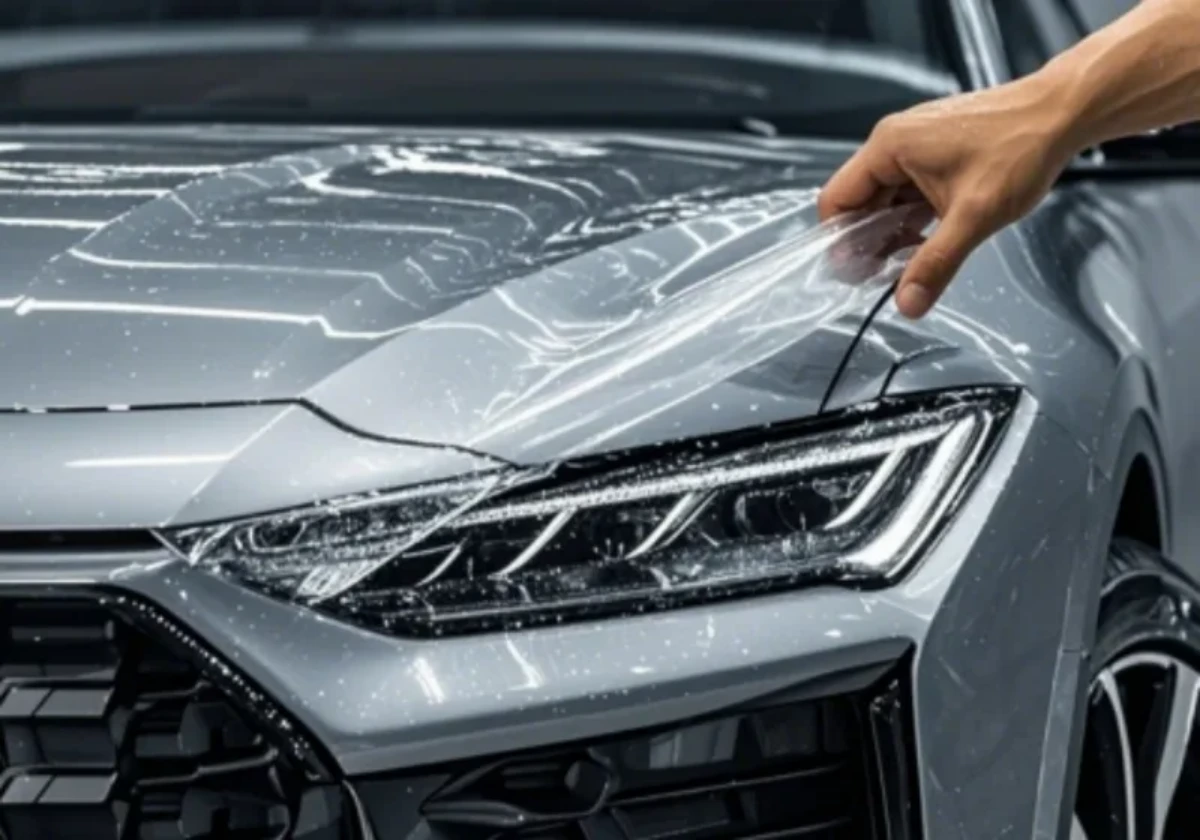
The cutting-edge technology research and development of PPF:
- Multifunctional Self-Healing Films – Microcapsules containing both healing agents and antimicrobial silver ions offer dual functionality for medical devices.
- Shape Memory Polymers – 4D-printed PPF star polymers with tunable glass transition temperatures recover 95% of original shape after deformation.
- High-Temperature Resistant PPF – Polyimide-TPU blends withstand 232°C (450°F) for automotive exhaust systems and industrial machinery.
- Multifunctional Nanocomposites – Black phosphorus nanosheets in PPF bone cements combine osteogenic activity with photothermal tumor ablation.
- Dynamic Thermal Management – Phase change materials (PCMs) encapsulated in PPF absorb and release heat to maintain 22–25°C surface temperature.
- AI-Powered Defect Prediction – Machine learning models analyze extrusion parameters to predict and prevent defects before production starts.
- High-Aspect-Ratio Nanofibers – Electrospun TPU nanofibers with 100:1 aspect ratio enhance puncture resistance by 400% in industrial applications.
- Nano-Structured Anti-Graffiti Coatings – Superhydrophobic and oleophobic surfaces repel spray paint, allowing easy removal with water rinsing.
The user perception and consumption misconceptions of PPF:
- Consumer Misconception: “PPF Makes Paint Shiny Forever” – Expecting permanent gloss, not realizing topcoat wear requires periodic sealant reapplication to maintain shine.
- Consumer Misconception: “All PPF Installers Are Equal” – Choosing based on price alone, ignoring differences in training, tools, and workspace quality.
- Correct Perception: Self-Healing Efficacy – Most users recognize PPF can repair minor scratches (≤3μm) with heat, though many underestimate the need for 40°C activation temperatures.
- Consumer Misconception: “PPF Removes Easily Without Residue” – Assuming all PPF peels cleanly, neglecting that old or low-quality films often leave adhesive residue requiring professional removal.
- Correct Perception: Ceramic Coating Synergy – Savvy users pair PPF with ceramic topcoats, enhancing hydrophobicity and scratch resistance by 40%.
- Correct Perception: Resale Value Boost – 81% of luxury car owners recognize PPF-preserved paint enhances resale value by 5–10% in pre-owned markets.
- Correct Perception: Brand Certification Matters – Buyers seek installers certified by brands like XPEL, linking training to better long-term results.
The production supply chain and quality control system of PPF:
- Environmental Testing – Salt spray, humidity, and temperature cycle tests to validate durability in extreme climates.
- Quality Incentives – Employee bonuses tied to quality metrics (e.g., first-pass yield, defect reduction).
- Reverse Logistics – Systems for returning defective rolls, with sorting centers identifying repairable vs. recyclable materials.
- Maintenance Parts Logistics – Localized inventory of extrusion die parts and coating rollers to minimize downtime.
- Cost Optimization – Annual renegotiation of supplier contracts with volume-based discounts for raw materials.
How TPU Redefines PPF:
- High-Pressure Wash Safe – TPU’s strong adhesion redefined PPF from hand-wash-only films to pressure washer-compatible protectors simplifying cleaning.
- Adhesive Innovation – TPU’s low-tack yet strong adhesives redefined PPF from permanent-only films to removable options safe for lease vehicles.
- Impact Indication – Color-changing TPU layers redefined PPF from silent protectors to damage-alert systems revealing hidden impacts.
- Smart Film Potential – TPU’s compatibility with sensors redefined PPF from passive protectors to IoT-enabled systems monitoring wear and impacts.
- Material Safety Shift – TPU’s non-toxic composition redefined PPF from PVC-based films (with harmful plasticizers) to eco-friendly options meeting global safety standards.
- Pet-Friendly Protection – TPU’s scratch resistance redefined PPF from delicate films to pet-safe solutions withstanding claws and fur on family vehicles.
- Anti-Yellowing Innovation – TPU blended with HALS stabilizers redefined PPF from yellowing-prone films to clear protectors maintaining transparency for decades.
- Weather Adaptability – TPU’s resistance to rain, snow, and sand redefined PPF from climate-specific products to global solutions for diverse environments.
- Anti-Static Properties – Carbon-infused TPU redefined PPF from dust-attracting films to static-dissipating solutions reducing dirt buildup.
- Matte Finish Compatibility – TPU’s texture-preserving formulations redefined PPF from gloss-only products to matte-safe films that maintain specialty paint textures.
The differentiated user group needs matching of PPF:
- Daily Urban Commuters – Seek 7–8mil UV-stabilized PPF for scratch resistance against parking lot dings and road debris during city driving.
- Truck Enthusiasts – Seek bedliner-compatible PPF for tailgates and bedside panels, resisting scratches from cargo loading/unloading.
- Classic Car Auction Transport – Use temporary protective PPF for transit, shielding vehicles from road debris during transport to auctions.
- Mobile Farmers Market Trucks – Need weather-resistant PPF that protects custom graphics from rain, sun, and produce transport wear.
- Antique Fire Truck Collectors – Use reversible PPF that preserves vintage red paint while allowing removal for parade展示和 judging.
- Snowmobile Trail Groomers – Need cold-resistant PPF (-40°C) to protect metal and plastic surfaces from ice, salt, and debris buildup.
AUTOLI(CN) PPF(Paint Protection Film) manufacturer
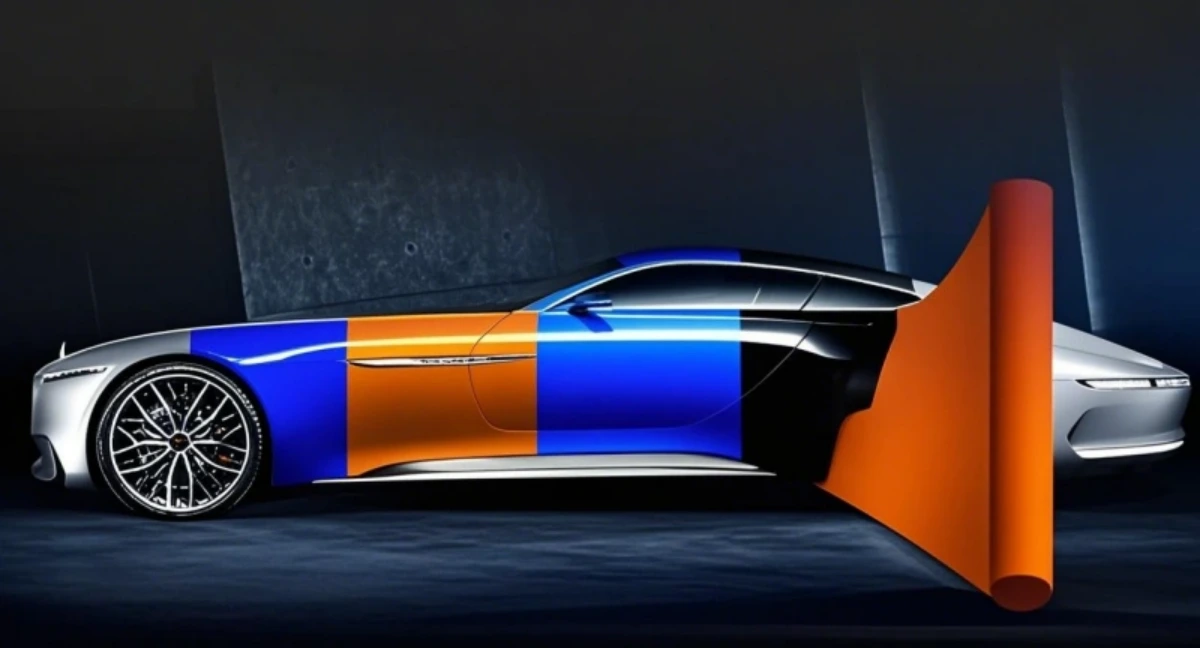
autoli TPU PPF Applied to all brand car models as volvo、ds、Dodge、AstonMartin.Our factory cooperates with Auto Detailing Shop、ppf installation、PPF brand and all so in many countries and regions around the world,like USA,Canada,England,Colombia,Warranty: 10 years.Our advantages:Short production cycle, quick delivery;Strict quality control system;Our customers are all over the world;Your Key to Profitable PPF Ventures;Collaborate for Lucrative Returns: Source factory.Our factory also provides carwraps、Car PPF.