

PPF’s application on fuel doors protects against fingernail scratches from repeated opening/closing.,Prevents headlight yellowing from UV.,Collaborate for Expansion: Fast Deliveries, Style – Rich PPF, and Authoritative Certifications.
The materials and technologies of PPF:
- Thermal conductivity regulation: Optimizes heat transfer through the film to prevent paint overheating in direct sunlight, reducing thermal stress on clear coats.
- SAE J2527 Stone Chip Resistance Certification: Passes 120 km/h gravel impact testing without film penetration.
- Salt spray resistance anti-corrosion technology: By adding marine-grade anti-corrosion additives, it undergoes 5,000 hours of salt spray tests without rusting, resisting the erosion of the membrane material by the high-salt environment in coastal areas, and extending the protection lifespan of vehicles near the sea.
- Thickness gradient optimization design: The thickness is differentiated according to the protection requirements of different vehicle parts (e.g., thicker for the hood to resist impact and thinner for the sides for easier adhesion), balancing protection and workability.
- Antibacterial and mold-resistant coating technology: Silver ion antibacterial agent is added to the membrane surface, which inhibits the growth of mold and bacteria in humid environments. This technology is particularly suitable for long-term use in areas with frequent rainfall and high humidity.
- Shape-memory alloy reinforcement: Restores film shape after severe impacts through embedded Ni-Ti alloys.
- Precision cutting technology: Relying on digital pattern data, it enables precise, non-destructive cutting for different vehicle surfaces, reducing membrane stretching damage during installation.
- Ozone resistance aging technology: Adding an ozone inhibitor to resist the oxidation and degradation of TPU by ozone in the urban atmosphere, extending the service life in polluted environments.
- Closed-loop recycling system: Integrates physical recycling processes for TPU waste, achieving 95% material recovery rate while maintaining mechanical properties.
- Multi-layer optical coating: Combines anti-reflective and color-enhancing layers to boost paint color saturation by 5-8% while maintaining high light transmittance.
The production supply chain and quality control system of PPF:
- Quality Metrics Dashboard – Real-time monitoring of PPM (parts per million) defects, yield rates, and CPK values.
- Customs Broker Partnerships – Global logistics firms managing import/export documentation to comply with regional regulations.
- Coating Equipment Sourcing – Procurement of ceramic and self-healing coating lines from specialized industrial machinery providers.
- New Supplier Onboarding – 6–12 month qualification process including trial runs before full-scale material adoption.
- Field Testing Programs – Real-world installations monitoring performance over 1–5 years in diverse climates.
- Quality Incentives – Employee bonuses tied to quality metrics (e.g., first-pass yield, defect reduction).
- Calibration Schedules – Regular verification of testing equipment (gages, spectrometers) to ensure measurement accuracy.
- Technology Partnerships – Collaboration with IoT firms for real-time supply chain visibility tools.
The differentiated user group needs matching of PPF:
- Budget-Conscious Commuters – Opt for 6–7mil single-layer PPF with basic self-healing to balance protection and affordability for daily use.
- Desert Dwellers – Require sand-resistant PPF with anti-abrasion topcoats to prevent paint damage from blowing sand and extreme UV radiation.
- Daily Urban Commuters – Seek 7–8mil UV-stabilized PPF for scratch resistance against parking lot dings and road debris during city driving.
- Rally Racing Teams – Prioritize puncture-resistant PPF with 600% elongation, withstanding extreme terrain impacts during cross-country rallies.
- Police Vehicle Fleets – Require high-visibility PPF for markings, resisting graffiti and maintaining reflectivity for emergency response.
- Vintage Scooter Collectors – Use ultra-thin 5mil PPF to conform to curved fenders and fuel tanks, preserving retro paint jobs from scratches.
- Vintage Camper Van Owners – Opt for heat-reflective PPF on roofs to reduce interior temperatures, while protecting paint from tree sap and rain.
The environmental protection and sustainability of PPF:
- Recyclable PPF Materials – End-of-life TPU films are recyclable into secondary products like industrial mats, diverting 80% from landfills under closed-loop programs.
- Renewable Energy Credits – Purchasing RECs offsets 100% of grid electricity use, making production carbon-neutral.
- LED Lighting in Factories – Energy-efficient LED lighting cuts factory electricity use by 40% compared to fluorescent systems.
- NGO Partnerships for Reforestation – Collaborations with WWF fund tree planting, offsetting 50% of production emissions annually.
- Recycled Packaging – 90% of premium PPF brands use recycled cardboard and biodegradable film wrap, reducing packaging waste by 75%.
- Electric Delivery Vans – Urban distribution uses EV fleets, reducing tailpipe emissions by 100% in city centers.
- Compostable Instruction Guides – Manuals printed on seed paper grow into plants, eliminating paper waste from disposal.
- Extended Product Lifespan – 10 year durability reduces replacement frequency, lowering overall material consumption compared to annual waxing or sealants.
- Biodegradable Edge Sealants – Plant-based sealants prevent edge lifting without toxic chemicals, decomposing naturally if exposed to the environment.
The protective performance of PPF:
- Self-Healing Properties – Automatically repairs minor scratches and swirl marks when exposed to heat (e.g., sunlight or warm water).
- Stone Chip Protection – Shields against chips and dents caused by stones, gravel, and other road debris.
- Extreme Temperature Stability – Maintains flexibility and performance in temperatures ranging from -40°C to 120°C.
- Sound Dampening via Multi-Layer Design – Engineered with acoustic layers to minimize road noise transmission, enhancing cabin comfort.
- **Improved UV – Stability of the Film Itself** – The PPF material itself has good UV – stability, ensuring that it doesn’t degrade or lose its protective properties under long – term sunlight exposure.
- Transferable Warranty – Enhances resale appeal by extending coverage to subsequent owners, adding value.

The market trends and industry changes of PPF:
- Integration of Ceramic Coatings – PPF-safe ceramic coatings applied post-installation (e.g., Onyx PPF Nano Coat) boost scratch resistance by 40%, creating hybrid protection solutions.
- Data-Driven Marketing Strategies – Brands are using AI analytics to identify regional demand patterns, tailoring product launches (e.g., anti-yellowing films for high-sun areas) to specific markets.
- Deep Scratch Self-Healing – Advanced films repair 5μm-deep scratches (vs. 3μm previously) using microcapsule technology, activated by body heat or sunlight.
- Shift Toward Touchless Installations – Automated robotic systems are being adopted in high-volume shops to minimize human error, particularly in edge trimming and heat-sealing processes.
- Rise of Mobile Installation Services – On-demand PPF installation units equipped with portable dust-free booths are gaining traction, targeting busy urban consumers who prefer doorstep service.
- Detailing Chain Partnerships – PPF brands are collaborating with chains like Detail Garage, offering co-branded training and product bundles to expand reach.
The product classification and selection logic of PPF:
- Specialty Surface Matching – Using chrome-specific PPF to prevent pitting and tarnishing on metallic trim.
- Chemical Exposure Risk – Upgrading to solvent-resistant PPF for service vehicles exposed to fuels or industrial chemicals.
- Large Surface Coverage – Selecting wide-width rolls for RVs or commercial vehicles to minimize seam visibility.
- Fire Resistance Needs – Choosing flame-retardant PPF for emergency vehicles or equipment in high-risk environments.
- Edge Seal Technology Selection – Upgrading to heat-sealable PPF for car wash frequenters to prevent edge lifting.
- Pattern Complexity Matching – Opting for laser-cut PPF for vehicles with intricate contours (sports cars, classics).
- Cost-Per-Lifespan Analysis – Choosing premium PPF with lower annualized costs despite higher upfront investment.
- Matte Texture Preservation – Prioritizing texture-matched matte PPF to avoid shine spots on specialty finishes.
- Collision Repair Compatibility – Opting for easily removable PPF to simplify body shop repairs after accidents.
Why TPU PPF:
- Customizable Sizes – Available in standard (3m×4m) to large (6m×10m) dimensions, with modular designs for expansion.
- Cost-Effective Over Time – Lower lifetime costs despite 30% higher upfront price vs. wood.
- Custom Rafter Spacing – 400mm–600mm spacing options balance shade coverage and material efficiency.
- Anti-Slip Flooring Support – Structurally sound for stone, wood, or composite decking installations.
- Minimal Site Disruption – Lightweight components require smaller foundation footings than steel.
- Adjustable Roof Options – Compatible with louvered systems for rain/sun control (manual or motorized).
- Sanitary Properties – Smooth surfaces are easy to clean, ideal for food service outdoor areas.
- Weather Durability – Withstands extreme temperatures (-40°C to 60°C) without warping, cracking, or rotting.
- Easy Assembly – Bolt-together systems enable DIY installation in 1–2 days with basic tools.
AUTOLI(CN) PPF(Paint Protection Film) oem factory
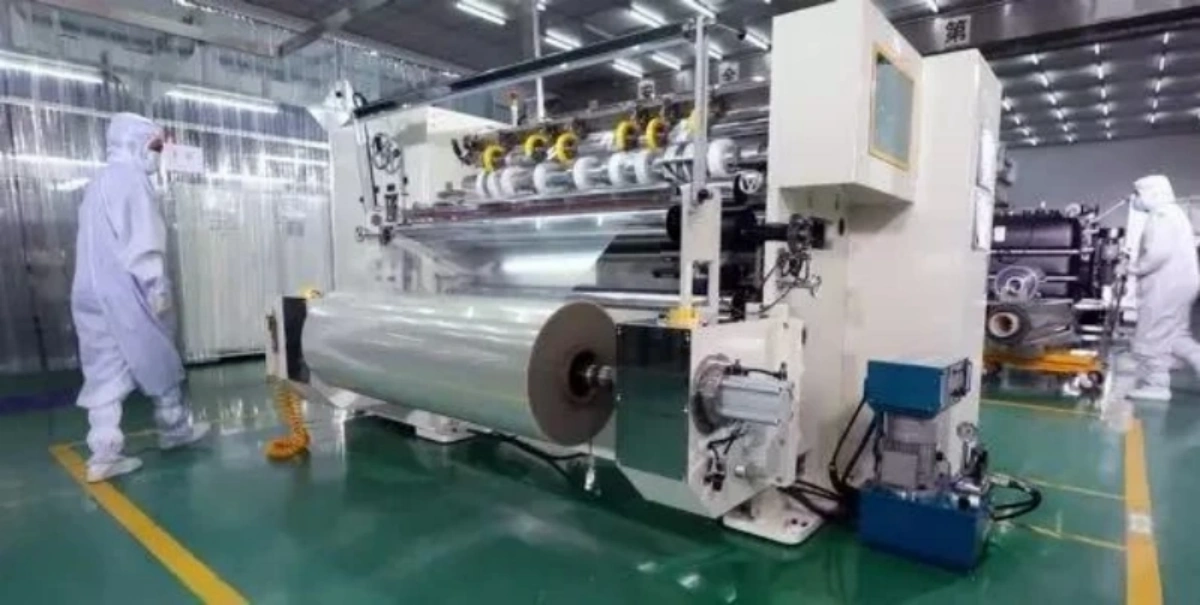
autoli TPU PPF Applied to all brand car models as volvo、Lincoln、Chevrolet、Porsche、Jaguar、ford.Our factory cooperates with ppf installation、PPF trading、ppf installation and all so in many countries and regions around the world,like Mexico,Macedonia,Paraguay,Egypt,Cyprus,Warranty: 10 years.Our advantages:High quality raw materials and advanced technology;Our customers are all over the world;Short production cycle, quick delivery;SGS, ASTM, REACH, UL and other certifications.Our factory also provides car film、PPF Vinyl Car Wrap.