

PPF’s color-stable TPU maintains 90% hue saturation after 5 years, outperforming PVC wraps’ 60% fade rate.,8-10mil thickness absorbs daily impact energy.,Fuel Business Prosperity: Affordably Priced PPF, Quick – to – Market Delivery, Quality – Guaranteed Certifications.
Say Goodbye to Car Scratches: Self-Healing PPF Revealed!:
- Microfiber drying scratches vanish, making DIY cleaning safer for preserving your car’s finish.
- EV owners get scratch repair around charging ports, where frequent plugging/unplugging can cause minor damage.
- Self-healing PPF reduces light diffraction from micro-scratches, keeping paint looking brighter and more reflective.
- Self-healing PPF reduces the visual impact of “paint transfer” from minor collisions, buying time for professional repairs.
- Rain or humidity won’t hinder the healing process—self-healing PPF remains effective regardless of weather conditions.
- Unlike rigid PVC films that crack, TPU-based self-healing PPF maintains flexibility to absorb impacts and repair the resulting damage.
- Self-healing PPF minimizes “witness marks” from minor collisions, reducing the visual impact until professional repairs are possible.
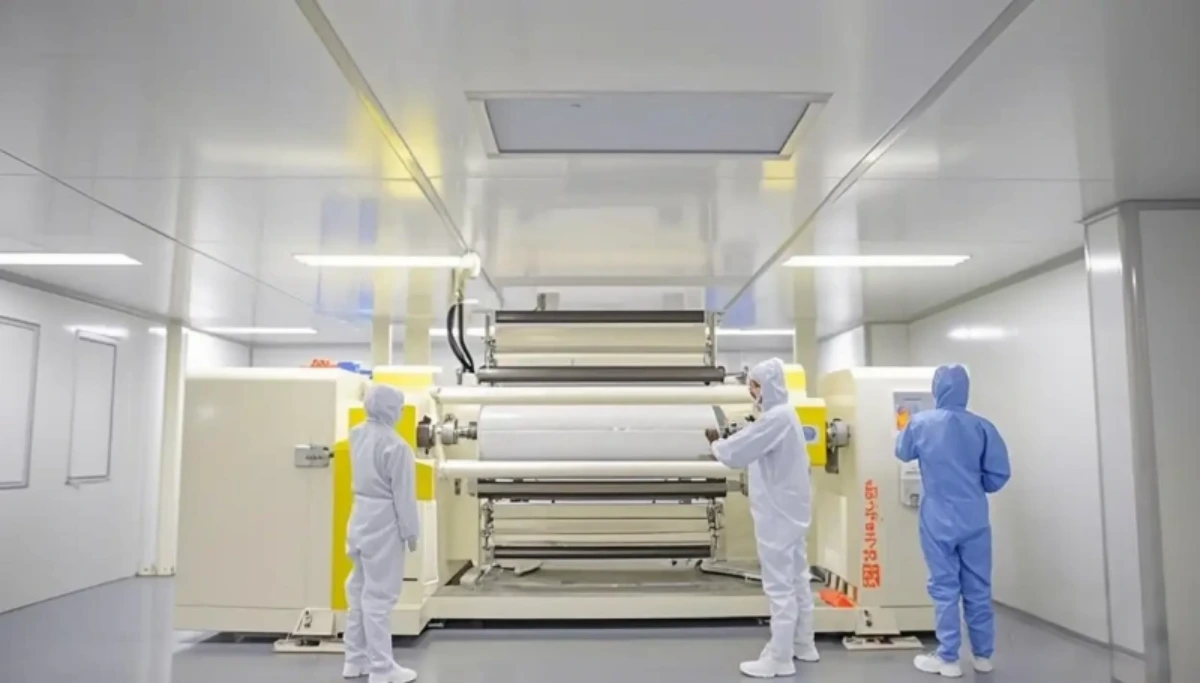
The production supply chain and quality control system of PPF:
- Third-Party Certification – Independent labs (e.g., SGS, Intertek) validating performance claims for warranties and marketing.
- Quality Metrics Dashboard – Real-time monitoring of PPM (parts per million) defects, yield rates, and CPK values.
- Customer Feedback Integration – Warranty claim analysis used to identify unforeseen quality issues in real-world use.
- Failure Mode and Effects Analysis (FMEA) – Proactive risk assessment of production processes to prevent failures.
- Document Control System – Version-controlled procedures, work instructions, and test methods accessible to all staff.
The long-term monitoring and maintenance system after the installation of PPF:
- Monthly Deep Cleaning – Using pH-neutral (6–8) PPF-specific cleaners to dissolve road grime without damaging topcoats.
- Interior PPF UV Protection – Using window tints with 99% UV blockage to reduce dashboard film fading in sunny climates.
- Adhesive Migration Checks – Using UV lights to detect adhesive bleed-out along edges, a precursor to delamination.
- AI-Powered Image Analysis – Uploading photos to brand apps for algorithmic detection of imperceptible defects (e.g., subsurface bubbles).
- Bi-Monthly Edge Lifting Checks – Inspecting door edges, hood seams, and wheel arches with a feeler gauge to detect 0.1mm lifts before water intrusion.
- Seasonal Salt Rinse Schedules – Weekly undercarriage and lower panel rinses in winter to remove road salt that degrades adhesives.
- Cross-Seasonal Adjustments – Increasing cleaning frequency by 50% in rainy seasons; reducing in dry, dusty climates to minimize friction.
- Post-Repair Sealing – Applying heat (60–70°C) with a heat gun after edge re-sealing to ensure adhesive reactivation.
- Humidity-Triggered Cleaning Adjustments – Increasing cleaning frequency by 50% in ≥70% humidity to prevent mold under PPF.
The user pain points of PPF and their solutions:
- Incompatibility with Custom Paint – Addressed by color-stable PPF formulated for matte, chameleon, and metallic finishes.
- High Installation Costs – Mitigated by tiered pricing (DIY kits vs. premium pro installs) and financing options for budget flexibility.
- Bubbles After Installation – Prevented by air-release adhesive channels and certified installers using dust-free environments.
- Scratches from Automated Car Washes – Prevented by scratch-resistant topcoats (9H hardness) and “brushless wash safe” certifications.
- Salt Corrosion in Coastal Areas – Mitigated by anti-corrosion additives and salt-resistant adhesives reducing rust under film.
- Edge Lifting – Addressed through heat-sealed edges and nano-adhesive technology, reducing lifting by 75% in car washes.
The user scenarios and value validation of PPF:
- Family Car Owners – Protects minivan door sills from kids’ shoes and pet claws, with 80% reporting “like-new” interior/exterior after 3 years of use.
- Performance Car Drivers – Shields Porsche GT3 and BMW M4 hoods from brake dust and tire debris during track days, reducing post-event detailing time by 2 hours.
- Police and Emergency Vehicles – Extends service life of patrol car paint by 2 years, reducing taxpayer costs for fleet repaints by $200k annually per department.
- Off-Grid Adventurers – Shields overland vehicles from brush scratches during remote expeditions, avoiding costly field repairs in inaccessible areas.
- Solar Farm Maintenance Trucks – Resists dust and chemical exposure in desert solar sites, keeping vehicles operational with 25% less detailing.
- Agricultural Vehicle Users – Shields tractor cabs from crop debris and mud, maintaining visibility and reducing cleaning time by 30% per week.
Why TPU PPF:
- No Warping – Maintains dimensional stability in high humidity, unlike wood which swells/shrinks.
- Seasonal Adaptability – Easily fitted with winter enclosures or summer mesh screens.
- Anti-Glare Options – Matte finishes reduce sun glare on adjacent windows and surfaces.
- Low Thermal Expansion – Minimal dimensional changes with temperature fluctuations, reducing joint stress.
- Color Retention – UV-stable pigments resist fading, maintaining appearance in direct sunlight.
- Wind Resistance – Engineered to withstand 120 km/h winds with reinforced frame designs.
- Fire Rating Compliance – Achieves Class A fire rating, meeting strict building codes in fire zones.
TPU PPF VS PET PPF:
- Chemical Resistance – TPU PPF resists bird droppings and road salt for 72 hours, while PET PPF shows etching after 24 hours of exposure.
- Edge Lifting Resistance – TPU PPF’s heat-sealed edges reduce lifting by 75%, whereas PET PPF edges lift 30% more frequently in car washes.
- Industrial Chemical Resistance – TPU PPF resists oil and coolant spills, while PET PPF swells and discolors upon contact with industrial fluids.
- Multi-Layer Construction – TPU PPF integrates adhesive, core, and topcoat layers seamlessly, while PET PPF layers delaminate 2x more frequently.
- Custom Thickness Matching – TPU PPF tailors thickness to vehicle zones (e.g., 10mil for hoods), while PET PPF uses uniform thickness due to manufacturing limits.
The horizontal comparison of PPF with other protection methods:
- PPF vs. Rust Proofing Treatments – PPF shields exterior paint from corrosion triggers (salt/sand), while rust proofing targets metal undercarriages, with complementary roles in full protection.
- PPF vs. Ceramic Waxes – Ceramic waxes boost hydrophobicity for 6–12 months but lack impact protection, whereas PPF combines water repellency with scratch resistance.
- PPF vs. Multi-Surface Sealants – Multi-surface sealants offer mild protection across materials, while PPF provides specialized, high-impact defense for painted surfaces alone.
- PPF vs. Rust Inhibitors – Inhibitors slow metal corrosion but don’t protect paint, whereas PPF acts as a moisture barrier preserving both paint and underlying metal.
- PPF vs. Lacquer Sealants – Lacquer sealants provide a glossy finish but yellow quickly under UV, while PPF’s anti-yellowing formulas maintain clarity for a decade.
- PPF vs. Liquid Glass Coatings – Liquid glass offers 6–12 months of chemical resistance but lacks physical impact protection, while PPF combines 5 years of scratch defense with self-healing capabilities.
- PPF vs. Anti-Static Sprays – Sprays reduce dust attraction temporarily, while PPF’s anti-static properties last for years, with both aiding cleanliness but PPF offering more durability.
- PPF vs. Fiberglass Coatings – Fiberglass coatings add rigid strength to surfaces but can’t conform to curves, unlike PPF which adapts to vehicle contours seamlessly.
- PPF vs. Graphite Coatings – Graphite coatings reduce friction on metal parts but don’t protect paint, unlike PPF which shields exterior surfaces from physical damage.
- PPF vs. Powder Coating – Powder coating provides durable metal protection but is rigid and permanent, unlike PPF’s flexible, removable barrier for painted surfaces.
The protective performance of PPF:
- **Resistance to Tree Sap Staining** – Tree sap can be a nuisance as it often leaves sticky and staining marks. PPF resists the adhesion of tree sap and makes its removal much simpler.
- Acid Rain Etching Resistance – Neutralizes acidic pollutants in rain, preventing pitting and corrosion on painted surfaces.
- High-Temperature Resistance – Resists blistering or peeling under prolonged engine heat (up to 120°C), ideal for turbocharged vehicles.
- Interior Resale Preservation – Reduces interior wear and tear, boosting resale value by keeping surfaces pristine.
- Industrial Pollution Defense – Protects against acid rain, salt spray, and airborne contaminants in harsh environments.
- **Protection against Minor Keying** – In the unfortunate event of minor keying, PPF can absorb some of the impact and minimize the damage to the underlying paint.
How TPU Redefines PPF:
- Multi-Layer Versatility – TPU’s compatibility with adhesive, core, and topcoat layers redefined PPF from single-layer films to multi-functional barriers with tailored properties.
- Hydrophobic Integration – TPU compatible with ceramic topcoats redefined PPF from basic protectors to water-repellent systems reducing cleaning needs by 50%.
- Solar Reflection – TPU’s heat-reflective topcoats redefined PPF from heat-absorbing covers to cooling solutions reducing interior temperatures by 5–8°C.
- Customization Capability – TPU’s laser-cuttable nature redefined PPF from generic sheets to vehicle-specific kits with precision fits for complex curves.
- Disaster Recovery – TPU’s protection during storms redefined PPF from daily-use products to emergency preparedness tools reducing post-storm repair costs.
- Cultural Adaptability – TPU’s compatibility with local climates redefined PPF from Western-focused products to global solutions for tropical, desert, and polar regions.
- Chemical Resistance – TPU’s resistance to bird droppings, road salt, and fuels redefined PPF from basic shields to multi-hazard barriers.
- Sustainable End-of-Life – TPU’s recyclability redefined PPF from landfill-bound waste to closed-loop products reusable in secondary applications.
- EV Compatibility – Heat-resistant TPU redefined PPF from standard protectors to EV-specific solutions withstanding battery zone temperatures up to 120°C.
AUTOLI(CN) PPF(Paint Protection Film) oem factory

autoli TPU PPF Applied to all brand car models as Alfa Romeo、Chrysler、Cadillac、jeep.Our factory cooperates with PPF distributor、car Detail、ppf installation and all so in many countries and regions around the world,like Singapore,UK,Cyprus,Korea,Warranty: 10 years.Our advantages:Unlock Business Growth with Our Factory’s PPF;Perfect after-sales service;Strict quality control system;Large stock of styles for you to choose from;Short production cycle, quick delivery.Our factory also provides PPF、Car Wraps.