

PPF’s application on carbon fiber parts prevents UV-induced fading, preserving the weave’s appearance on high-end cars.,VOC emissions <0.1mg/m3 for safety.,Hurry! Collaborate with Our Factory for Fast – Tracked PPF Deliveries and Business Leap.
The user pain points of PPF and their solutions:
- Yellowing Over Time – Solved by anti-yellowing formulations with HALS stabilizers and UV absorbers, maintaining clarity for 10 years.
- Poor Hydrophobicity Over Time – Restored by SiO? sealant boosters, reviving water repellency every 3–6 months.
- Warranty Void Due to DIY Installation – Resolved by offering “DIY-friendly” kits with warranty coverage for proper application.
- Salt Corrosion in Coastal Areas – Mitigated by anti-corrosion additives and salt-resistant adhesives reducing rust under film.
- Confusion About Maintenance Products – Solved by brand-specific cleaning kits and “approved products” lists to avoid topcoat damage.
- Uncertainty About Lifespan – Resolved by clear warranty durations (5–15 years) and real-world durability data from field tests.
The long-term monitoring and maintenance system after the installation of PPF:
- UV Degradation Monitoring – Using colorimeters to measure ΔE values (ΔE 3 requires evaluation).
- Winter De-Icing Avoidance – Using plastic scrapers instead of metal to remove snow/ice, preventing topcoat scratches.
- Annual Topcoat Thickness Testing – Using coating thickness gauges to ensure topcoat retains ≥80% original thickness.
- Bi-Annual Hydrophobicity Tests – Spraying water to check contact angles (>110° indicates effective topcoat; re-seal if below 90°).
- Post-Wash Drying Technique – Starting from the top and working down to avoid water pooling at edges, which can cause lifting.
- Low-Pressure Rinse Angles – Directing water at 45° angles to panels to avoid forcing water under edges during rinsing.
- Post-Repair Cure Monitoring – Allowing 48-hour curing after bubble removal or edge re-sealing before washing.
- 24-Hour Contaminant Removal – Promptly cleaning bird droppings, tree sap, or bug splatters with isopropyl alcohol (10–20% dilution).
- End-of-Warranty Pre-Assessments – Comprehensive inspections 6 months before warranty expiry to address issues proactively.
The extension of PPF’s functions:
- Before: Rear tail light gaskets with paint peeling where they meet the body; After: PPF lines gasket edges, hiding peeling and preventing water intrusion.
- Before: Door edge guards with peeling rubber and exposed paint; After: PPF wraps edges, covering exposed areas and preventing further guard deterioration.
- Before: Door striker plates with paint worn from contact; After: PPF lines striker areas, covering wear and reducing friction between metal and paint.
- Before: Front air dam with road rash from low ground clearance; After: Thick PPF lines the dam, hiding existing damage and absorbing impact from road debris.
- Before: Door handles with worn paint from repeated use; After: PPF wraps handle cups, covering wear and resisting new scratches from daily use.
- Before: Hood latch area with accumulated dirt and paint wear; After: PPF covers the area, hiding grime stains and reducing friction-related wear.
- Before: Side mirror adjustment controls (exterior) with paint wear; After: PPF covers controls, hiding wear and reducing friction during adjustments.
- Before: Gas cap hinge with rust and paint peeling; After: PPF covers hinge area, hiding rust and preventing moisture from worsening damage.
- Before: Roof antenna with cracked paint from weathering; After: PPF’s flexible layer covers cracks and protects against rain/snow intrusion.
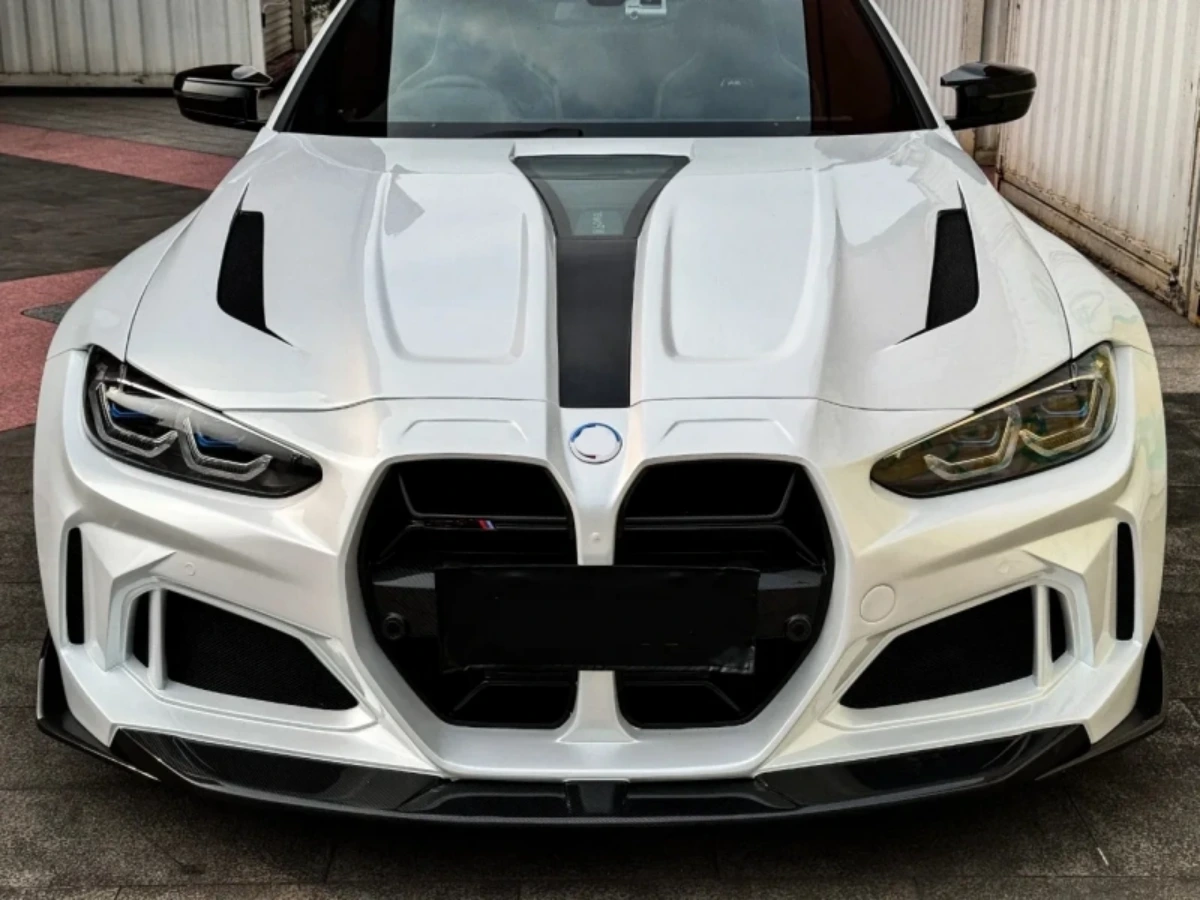
The protective performance of PPF:
- Compatibility with Vehicle Wraps – Safely applied over vinyl wraps while preserving their aesthetics, though removal requires professional care to avoid damage.
- Long-Term Flexibility Retention – Maintains elasticity in extreme temperatures (-40°C to 120°C), preventing cracking or embrittlement.
- Crystal-Clear Clarity – Maintains original interior aesthetics without distortion, preserving factory finishes.
- Impact Protection – Guards against damage caused by high-speed debris, collisions, and road hazards.
- High-Temperature Resistance – Resists blistering or peeling under prolonged engine heat (up to 120°C), ideal for turbocharged vehicles.
- 100 Color Customization – Offers diverse color options for personalized styling without compromising protective performance.
The market trends and industry changes of PPF:
- Digital Print Integration – UV-curable digital printing on PPF allows custom graphics/logos, with 35% of commercial fleets now using branded PPF for marketing.
- Commercial Fleet Adoption – Delivery giants like Amazon and JD.com are equipping 70% of new vans with PPF, reducing fleet repaint costs by $300 per vehicle annually.
- 15-Year Anti-Yellowing Warranties – Premium brands now offer 15-year guarantees against yellowing, using advanced HALS stabilizers to outlast traditional 10-year warranties.
- Photocatalytic Self-Cleaning PPF – TiO?-infused films decompose 80% of surface dirt under UV light, reducing washing needs by 50% in real-world testing.
- DIY vs. Pro Installation Split – 30% of entry-level PPF sales are DIY kits, while 90% of luxury films require professional installation for warranty validation.
- Standardization of Installation Training – Industry-wide certifications (e.g., XPEL’s Accredited Installer Program) ensure consistency in application techniques, reducing warranty claims due to improper installation.
Before & After: How PPF Transforms a 10-Year-Old Car:
- Before: Roof antenna cable entry point with paint peeling around it; After: PPF seals the entry point, hiding peeling and preventing water intrusion into the cabin.
- Before: Windshield cowl with leaves and debris trapped, causing stains; After: PPF covers cowl, hiding stains and simplifying debris removal.
- Before: Fender flares with paint peeling at the edges; After: PPF wraps flare edges, hiding peeling and preventing water from getting under the paint.
- Before: Door panel armrests (exterior) with paint worn from leaning; After: PPF wraps armrests, covering wear and maintaining comfort without damage.
- Before: Fuel door with faded paint from repeated opening/closing; After: PPF covers wear patterns and reduces friction, maintaining a like-new appearance.
- Before: Hood covered in rock chips from a decade of highway driving; After: PPF’s impact-resistant layer conceals existing chips and prevents new ones, creating a smooth surface.
- Before: Roof rails with scratched paint from roof rack use; After: PPF covers rail surfaces, hiding scratches and reducing friction from rack installation.
The regulations of PPF and after-sales services:
- EU PPWR Packaging Mandates – The EU’s Packaging and Packaging Waste Regulation (PPWR) requires PPF packaging to be recyclable by 2030 and prohibits PFAS in food-contact packaging, impacting material choices and disposal practices .
- EU REACH Compliance – PPF manufacturers must adhere to EU REACH regulations, ensuring all chemicals used in production meet strict safety and environmental standards, particularly for PFAS substances like C9-C14 PFCAs, which are restricted to ≤25 ppb in materials .
- Cross-Industry Regulatory Alignment – PPFs used in electronics or aerospace must comply with sector-specific standards (e.g., FCC for electronics), expanding regulatory complexity .
- California CARB VOC Limits – PPF adhesives sold in California must comply with CARB’s strict VOC regulations, reducing harmful emissions during installation to align with regional air quality standards .
- Blockchain Warranty Verification – 3M utilizes blockchain to secure digital warranties, enabling traceable ownership transfers and fraud prevention .
The cost structure and price composition of PPF:
- Customer Acquisition Costs – Average $200–$500 per new client, factored into initial service pricing.
- Lead Time Premiums – Rush orders add 20–30% to prices to prioritize production and shipping.
- Premium PPF Costs – 10mil multi-layer films with lifetime warranties retail at $12–$20 per square foot, 50–60% margins.
- Technical Support Costs – Installer hotlines and training materials add $0.10–$0.20 per square foot.
- Recycled Material Savings – 30% recycled TPU blends reduce raw material costs by 8–12% without significant quality loss.
- Warranty Add-Ons – Extending warranties from 5 to 10 years increases prices by 15–20% with minimal cost increase.
- Financing Options – Monthly payment plans include 8–12% interest, increasing total customer cost.
- Raw Material Costs – TPU resin constitutes 35–45% of total production costs, with premium grades (self-healing) costing 2x standard TPU.
- Partial Coverage Costs – Hood/fender kits at $800–$2,000, with higher per-square-foot pricing than full wraps.
- Waste Allowance – 5–10% material waste factored into pricing, higher for complex vehicle shapes.
AUTOLI(CN) PPF(Paint Protection Film) oem manufacturer

autoli TPU PPF Applied to all brand car models as byd、ford、Cadillac、Chevrolet.Our factory cooperates with Car Customization Shop、PPF trading、PPF installer and all so in many countries and regions around the world,like Russia,India,Egypt,Brazil,Austria,Canada,Warranty: 10 years.Our advantages:Efficient production reduces costs;Our customers are all over the world;Your Key to Profitable PPF Ventures.Our factory also provides Car Wraps、Car Paint Protection Film.