

PPF’s anti-static properties repel dust during application, ensuring a cleaner finish in the final product.,Shields paint from scratches with durable TPU material.,Team Up with Our Factory: High – Grade PPF, Greater Competitive Edge.
The production supply chain and quality control system of PPF:
- Emergency Supply Protocols – Backup production facilities activated during primary plant downtime to maintain supply continuity.
- Additive Supply Chain – Strategic partnerships with specialty chemical firms for UV stabilizers, self-healing agents, and nano-ceramic additives.
- Raw Material Testing Protocols – Incoming TPU resin inspections for melt flow rate, tensile strength, and impurity levels.
- Thickness Gauging – Laser sensors measuring film thickness every 0.5 seconds, ensuring ±0.1mil tolerance.
- Packaging Material Supply – Partnerships with recyclable packaging manufacturers to align with sustainability goals.
- Global Raw Material Network – Multi-region sourcing of TPU to mitigate supply risks from geopolitical or logistical disruptions.
The protective performance of PPF:
- **Reduced Risk of Paint Cracking** – By providing a flexible and protective layer, PPF reduces the risk of paint cracking due to temperature changes or minor impacts.
- **Anti – Abrasion in Car Washes** – Protects the paint from the abrasion caused by automatic car wash brushes, ensuring that the paint finish remains smooth and unblemished.
- **Preservation of Factory Paint Finish** – It helps to preserve the factory – applied paint finish, maintaining the authenticity and value of the vehicle.
- Rapid Self-Healing Activation – Minor scratches heal within minutes under sunlight or low heat (40-60°C), restoring a flawless finish.
- Hydrophobic Coating for Water Beading – Reduces water spots and makes cleaning easier by repelling liquids, keeping surfaces drier and cleaner.
- High Clarity – Maintains the vehicle’s original paint color and gloss without distortion or yellowing over time.
- Antimicrobial Coating – Inhibits microbial growth on touchscreens and interiors, enhancing hygiene in high-traffic areas.
- Multi-Surface Application – Suitable for glass, headlights, and chrome trim, providing uniform protection across diverse materials.
TPU PPF VS PET PPF:
- Heat-Activated Bonding – TPU PPF’s adhesive strengthens with heat curing, while PET PPF’s bond weakens under prolonged heat exposure.
- Dust Repellency – TPU PPF’s nano-textured surfaces reduce dust adhesion by 40%, while PET PPF attracts 25% more surface dust.
- Impact Energy Absorption – TPU PPF’s viscoelastic properties dissipate 60% of impact energy, while PET PPF’s rigid structure absorbs only 25%.
- Weight-Bearing Capacity – TPU PPF supports accessory mounting (e.g., light bars) with minimal sagging, while PET PPF distorts under similar weight.
- Production Efficiency – TPU PPF’s continuous extrusion reduces waste by 40%, while PET PPF’s batch production generates 25% more scrap.
- Solvent Resistance – TPU PPF resists gasoline and brake fluid spills, while PET PPF shows swelling within 10 minutes of exposure.
- Lightweight Advantage – TPU PPF’s strength-to-weight ratio is 2x higher than PET PPF, allowing thinner films with equivalent protection.
The user pain points of PPF and their solutions:
- Difficulty Removing Old PPF – Simplified with low-tack, residue-free adhesives and professional heat-assisted removal services.
- Complex Warranty Transfers – Simplified via blockchain-based systems enabling easy ownership transfers with digital validation.
- Bird Dropping Etching – Addressed through acid-resistant topcoats and 24-hour removal guidelines to prevent permanent damage.
- Warranty Claim Denials – Prevented by transparent warranty terms, certified installer networks, and digital claim tracking.
- High Installation Costs – Mitigated by tiered pricing (DIY kits vs. premium pro installs) and financing options for budget flexibility.
- Fading in Extreme Sunlight – Fixed by 99% UV-blocking films with enhanced carbon black pigments for tropical climates.
- Warranty Void Due to DIY Installation – Resolved by offering “DIY-friendly” kits with warranty coverage for proper application.
- Complex Warranty Transfers – Simplified via blockchain-based systems enabling easy ownership transfers with digital validation.
- Expensive Repairs for Damage – Reduced via self-healing technology (repairs 3μm scratches with heat) and patchable film sections.
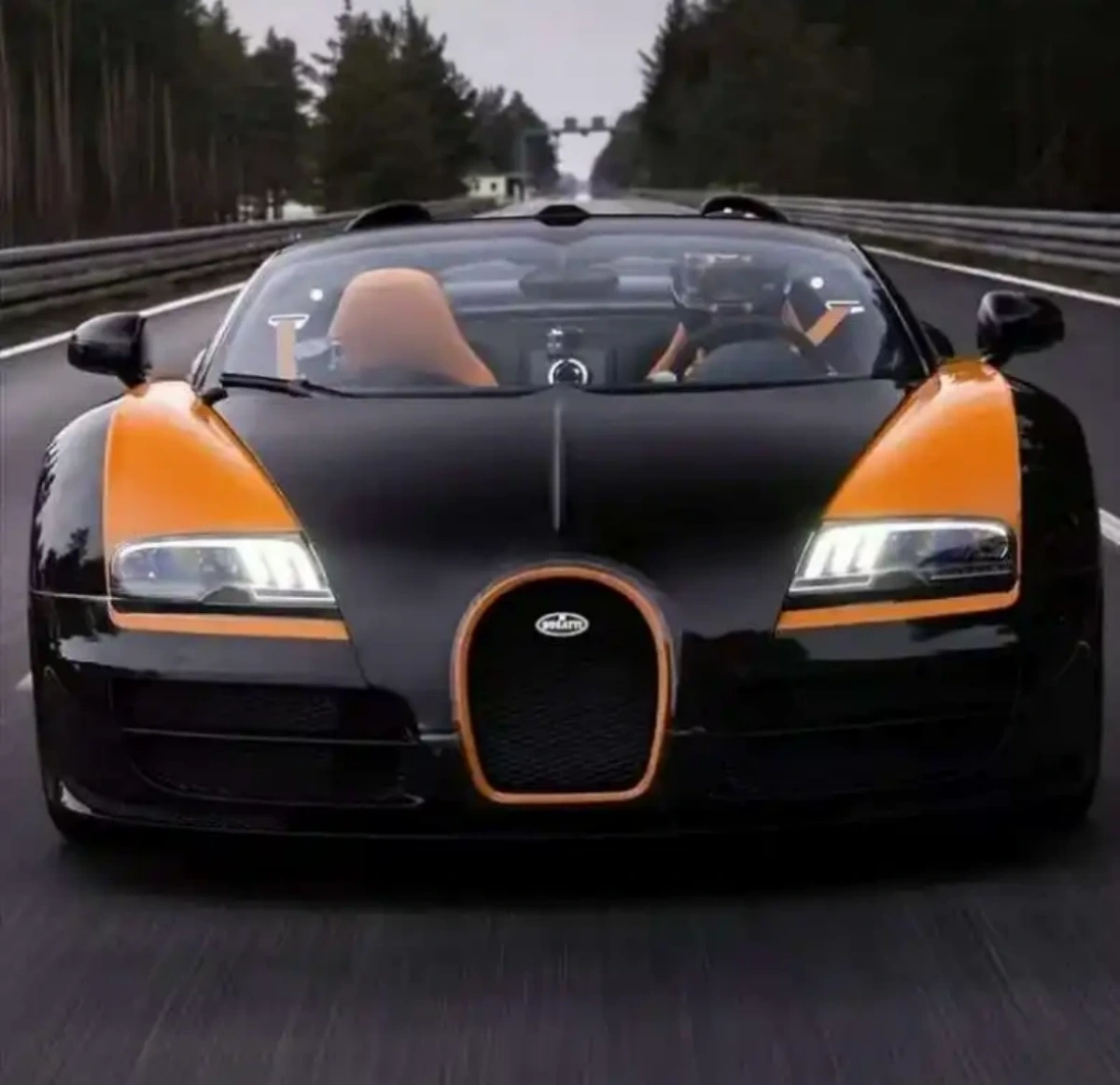
Why TPU PPF:
- Heat Reflectivity – Light colors reflect 60% of solar radiation, reducing underpergola heat.
- Ergonomic Design – Comfortable headroom (minimum 2.2m) for standing and moving underneath.
- Chemical Resistance – Unaffected by pool chemicals, making it ideal for poolside installations.
- Resale Value Boost – Adds outdoor living space appeal, increasing home value by 3–5%.
- Fastening Flexibility – Accepts screws, bolts, and rivets for secure accessory attachment.
- Professional Installation Speed – Contractors can complete most installations in a single day.
The product classification and selection logic of PPF:
- Customization Flexibility – Choosing printable PPF for commercial vehicles requiring brand graphics over paint.
- Warranty Needs Assessment – Selecting extended warranties (10 years) for high-value vehicles to protect resale value.
- Heat Tolerance Matching – Upgrading to high-temperature PPF for engine bays or EV battery zones prone to thermal stress.
- Micro-Scratch Prevention – Choosing self-healing PPF for owners prioritizing a swirl-free finish between details.
- Final Selection Synthesis – Balancing material, thickness, finish, and warranty to match specific vehicle needs, usage patterns, and budget constraints.
- Chemical Exposure Risk – Upgrading to solvent-resistant PPF for service vehicles exposed to fuels or industrial chemicals.
- Edge Seal Technology Selection – Upgrading to heat-sealable PPF for car wash frequenters to prevent edge lifting.
- Low-Temperature Flexibility – Choosing cold-resistant PPF for regions with sub-zero winters to prevent cracking.
The protective performance of PPF:
- **Reduced Risk of Paint Cracking** – By providing a flexible and protective layer, PPF reduces the risk of paint cracking due to temperature changes or minor impacts.
- **Anti – Abrasion in Car Washes** – Protects the paint from the abrasion caused by automatic car wash brushes, ensuring that the paint finish remains smooth and unblemished.
- **Preservation of Factory Paint Finish** – It helps to preserve the factory – applied paint finish, maintaining the authenticity and value of the vehicle.
- Rapid Self-Healing Activation – Minor scratches heal within minutes under sunlight or low heat (40-60°C), restoring a flawless finish.
- Hydrophobic Coating for Water Beading – Reduces water spots and makes cleaning easier by repelling liquids, keeping surfaces drier and cleaner.
- High Clarity – Maintains the vehicle’s original paint color and gloss without distortion or yellowing over time.
- Antimicrobial Coating – Inhibits microbial growth on touchscreens and interiors, enhancing hygiene in high-traffic areas.
- Multi-Surface Application – Suitable for glass, headlights, and chrome trim, providing uniform protection across diverse materials.
The differentiated user group needs matching of PPF:
- Vintage Motorcycle Ralliers – Prefer UV-stabilized PPF for fuel tanks, preventing paint fading during long-distance rides in direct sunlight.
- Wedding Car Services – Opt for high-gloss PPF to enhance shine for photo-ready vehicles, with quick-healing to maintain perfection between events.
- Agricultural Vehicle Operators – Use heavy-duty 12–15mil industrial PPF to shield tractor cabs from crop debris, mud, and chemical exposure.
- Cold-Climate Drivers – Need low-temperature flexible PPF (-40°C tolerance) to prevent cracking in frost, snow, and extreme thermal swings.
- Delivery Drivers – Need high-abrasion 10mil PPF for rear bumpers and door edges, enduring frequent loading and curbside impacts.
- Luxury Vehicle Owners – Demand 8.5 mil multi-layer PPF with 10 year anti-yellowing warranties to preserve factory paint and maintain resale value.
- Industrial Equipment Owners – Apply chemical-resistant PPF to shield machinery from oils, solvents, and abrasion in factory or construction settings.
The long-term monitoring and maintenance system after the installation of PPF:
- Seasonal Ceramic Coating Boosts – Applying PPF-compatible ceramic sprays (SiO? content ≥30%) to enhance hydrophobicity.
- Post-Wash Drying Technique – Starting from the top and working down to avoid water pooling at edges, which can cause lifting.
- Avoid Silicone-Based Products – Steering clear of silicone sprays that leave glossy residues attracting dust to PPF surfaces.
- Seasonal Yellowing Assessments – Comparing paint color with a reference sample using spectrophotometers to track ΔE values under varying UV exposure.
- Abrasive Product Bans – Prohibiting use of clay bars, polishes with abrasives, or acidic cleaners that wear topcoats.
- Color Stability Tracking – Comparing colored PPF to original swatches annually to detect fading, especially in red/blue films.
- DIY Bubble Repair Guidelines – Using a needle to puncture bubbles, then applying heat and gentle pressure with a microfiber cloth.
- Monthly Iron Particle Removal – Applying pH-neutral iron removers to dissolve rail dust that etches topcoats over time.
- Antimicrobial Efficacy Checks – Testing interior PPF for bacterial growth quarterly in high-touch areas (steering wheel, door handles).
- Eco-Friendly Cleaning Alternatives – Using vinegar-based solutions (5% dilution) for water spot removal on PPF-safe surfaces.
AUTOLI(CN) PPF(Paint Protection Film) oem factory
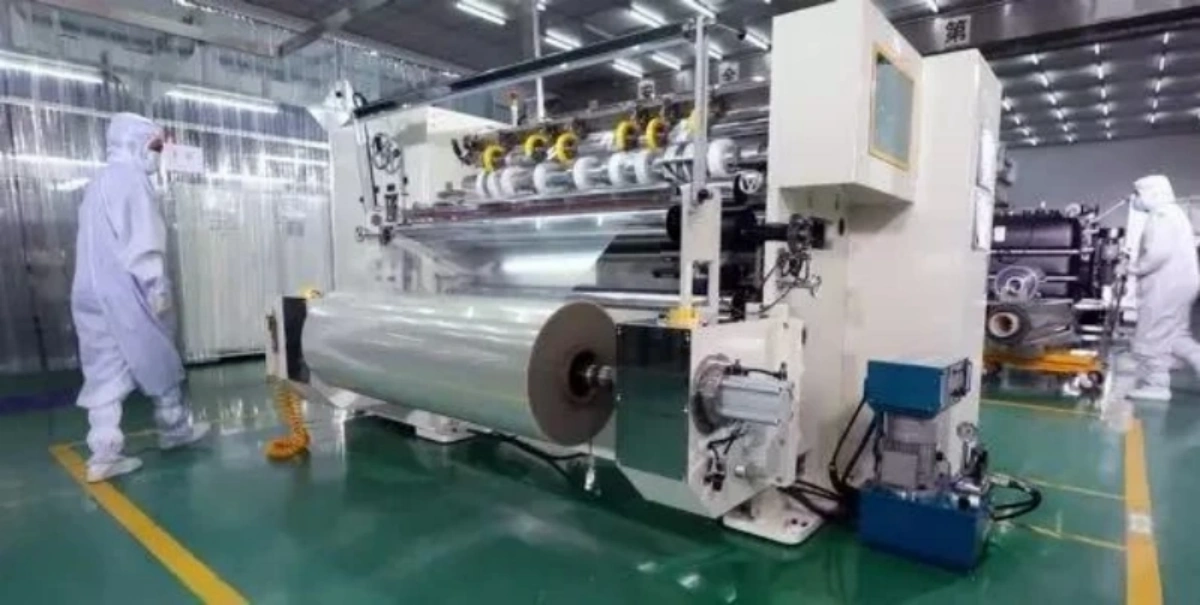
autoli TPU PPF Applied to all brand car models as Lexus、Lexus、acura、byd.Our factory cooperates with PPF distributor、car Detail、Auto Detailing Shop and all so in many countries and regions around the world,like Mexico,Slovakia,Sudan,Luxembourg,Pakistan,Australia,Warranty: 10 years.Our advantages:Strict quality control system;Raw material purchasing advantage;SGS, ASTM, REACH, UL and other certifications.Our factory also provides vinyl Wraps、TPU PPF.