

PPF’s self-healing tech repairs hairline scratches at 40-60℃, with nano-coatings accelerating recovery—even activated by warm water.,Resists chemical cleaner damage during washing.,Step Ahead of Competitors: Factory – Direct PPF, Swift Delivery, Unbeatable Quality.
The materials and technologies of PPF:
- Rapid curing adhesive technology: Enables full adhesive strength development within 24 hours (vs. 48-72 hours for conventional adhesives), shortening post-installation care time.
- Edge sealing reinforcement technology: Using a micro-groove lock-edge process and special sealing glue, water and dust can be prevented from seeping into the edge of the film, avoiding problems such as warping and bubbles.
- Self-healing touch-up pen: Provides a portable solution for repairing localized scratches, leveraging the same TPU memory technology as the film.
- FDA Food Contact Compliance: Approved for indirect food contact, suitable for food delivery vehicles.
- Anti-static and dust-proof technology: The surface coating adds long-lasting anti-static agents, reducing the electrostatic adsorption force on the film surface, decreasing the frequency of dust and particle adhesion, and prolonging the cleaning cycle.
- Surface hardness enhancement technology: By incorporating nano-ceramic particles into the coating, the pencil hardness of the film surface is increased to 9H level, enhancing the anti-scuff and anti-abrasion performance against hard objects such as keys and sand.
- Ceramic coating compatibility: Features a receptive top layer that bonds seamlessly with ceramic coatings, creating a hybrid protection system with enhanced scratch resistance.
- Closed-loop recycling system: Integrates physical recycling processes for TPU waste, achieving 95% material recovery rate while maintaining mechanical properties.
- Multi-layer optical coating: Combines anti-reflective and color-enhancing layers to boost paint color saturation by 5-8% while maintaining high light transmittance.
The differentiated user group needs matching of PPF:
- Budget-Conscious Commuters – Opt for 6–7mil single-layer PPF with basic self-healing to balance protection and affordability for daily use.
- Delivery Drivers – Need high-abrasion 10mil PPF for rear bumpers and door edges, enduring frequent loading and curbside impacts.
- Off-Road Racing Trucks – Prioritize impact-dispersing multi-layer PPF, absorbing high-speed rock impacts during desert races like Baja 1000.
- Motorcycle Fleet Managers – Use pre-cut PPF kits for fuel tanks and fairings to reduce repair costs from rider-induced scratches and road debris.
- Daily Urban Commuters – Seek 7–8mil UV-stabilized PPF for scratch resistance against parking lot dings and road debris during city driving.
- Family Car Owners – Seek scratch-resistant (5H ) PPF for door sills and bumpers to withstand child-related impacts, pet claws, and daily wear.
How TPU Redefines PPF:
- Inclusive Design – TPU’s compatibility with all vehicle makes/models redefined PPF from luxury-only products to accessible protection for economy cars and classics.
- Impact Absorption – TPU’s energy-dispersing structure redefined PPF from scratch-only protection to rock chip-resistant barriers reducing paint damage by 75%.
- Low-Cost Repairs – TPU’s patchable design redefined PPF from full-replacement products to affordably repairable systems for minor damage.
- Material Safety Shift – TPU’s non-toxic composition redefined PPF from PVC-based films (with harmful plasticizers) to eco-friendly options meeting global safety standards.
- DIY Accessibility – TPU’s user-friendly installation redefined PPF from professional-only services to accessible DIY projects with pre-cut kits.
- UV Protection Enhancement – TPU infused with UV absorbers redefined PPF from physical protectors to dual-function films preventing paint fading.
The user perception and consumption misconceptions of PPF:
- Consumer Misconception: “PPF Hides Existing Paint Damage” – A false belief that PPF covers swirl marks or chips, when pre-installation paint correction is actually required.
- Correct Perception: Resale Value Boost – 81% of luxury car owners recognize PPF-preserved paint enhances resale value by 5–10% in pre-owned markets.
- Consumer Misconception: “PPF Blocks Radar and GPS Signals” – Fearing interference with ADAS, unaware modern PPF is engineered for 99% signal transparency.
- Correct Perception: Interior PPF Benefits – Users protect dashboards and touchscreens, reducing UV fading and scratch visibility by 80%.
- Consumer Misconception: “PPF Makes Car Washes Obsolete” – Thinking hydrophobic properties eliminate washing, not realizing heavy grime still requires cleaning.
- Correct Perception: Brand Reputation Matters – Discerning buyers choose established brands, associating 3M or XPEL with consistent quality over generic alternatives.
- Correct Perception: EV-Specific PPF Benefits – EV owners prioritize heat-resistant PPF for battery zones, reducing thermal damage risks during charging.
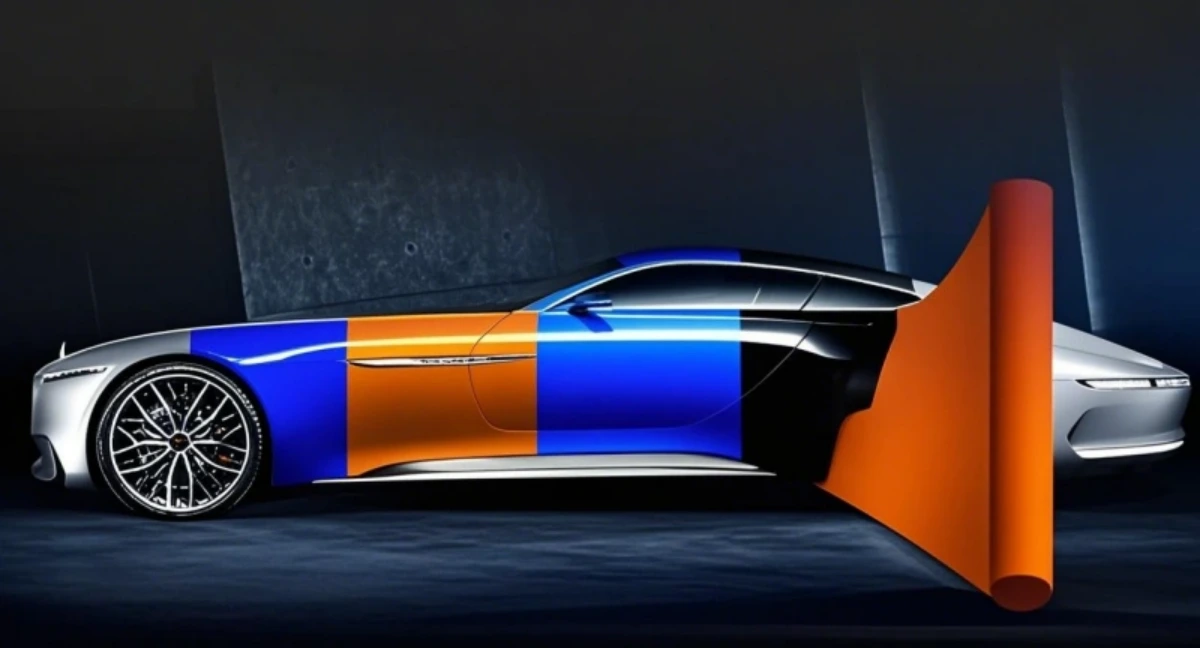
The user scenarios and value validation of PPF:
- Commercial Fleet Operators – Reduces repaint frequency for Amazon delivery vans by 60%, cutting maintenance downtime by 15 hours per vehicle yearly.
- Senior Drivers – Reduces anxiety about minor parking mishaps, with PPF hiding 90% of small dents and scratches from low-speed impacts.
- Cold-Climate Users – Prevents salt and ice melt damage in Stockholm and Toronto, with PPF-treated bumpers showing 50% less winter-related etching.
- Motorcycle Riders – Shields Harley-Davidson fuel tanks from belt buckle scratches, maintaining resale value for touring bikes by 12%.
- Classic Car Dealers – Enhances showroom appeal of Jaguar E-Types, with glossy PPF boosting perceived value by 10% during client viewings.
The market trends and industry changes of PPF:
- Social Proof-Driven Sales – 65% of consumers cite online reviews and before/after videos as key factors in PPF brand selection, fueling influencer marketing growth.
- Ceramic-PPF Hybrid Kits – Pre-packaged ceramic coating PPF bundles now account for 25% of aftermarket sales, simplifying multi-layer protection for consumers.
- Cross-Industry Collaborations – Material suppliers (e.g., Lubrizol) are partnering with PPF manufacturers to develop specialized films for extreme climates, such as heat-resistant variants for desert regions.
- AI Quality Control in Production – Machine vision systems inspect 100% of PPF rolls for defects, reducing post-installation warranty claims by 45%.
- Rise of Professional Detailing Chains – Organized car care franchises in India and Thailand are offering PPF as a core service, bundling it with ceramic coatings and detailing packages to attract premium customers.
- Shift Toward Touchless Installations – Automated robotic systems are being adopted in high-volume shops to minimize human error, particularly in edge trimming and heat-sealing processes.
- Increased Adoption in Non-Automotive Sectors – PPF applications are expanding to electronics (screen protection), aerospace (corrosion resistance), and industrial equipment, diversifying revenue streams for manufacturers.
- Nano-Edge Sealing – Nanoscale adhesives in edge layers prevent water ingress, reducing edge lifting by 75% compared to traditional sealing methods.
- Aerospace PPF Expansion – Lightweight PPF is being tested on aircraft exteriors, protecting against bird strikes and UV degradation in high-altitude environments.
The regulations of PPF and after-sales services:
- Blockchain Warranty Verification – 3M utilizes blockchain to secure digital warranties, enabling traceable ownership transfers and fraud prevention .
- Recall Protocols for Defects – In cases of material defects (e.g., delamination), manufacturers like PurePPF coordinate nationwide recalls and replacements via authorized installers .
- India’s BIS Certification for PP Materials – Polypropylene (PP) used in PPF production must meet India’s BIS certification under IS 10951:2020, ensuring quality and safety for domestic and export markets .
- Japan’s Window Tinting Restrictions – Japanese regulations ban PPF installation on front driver/passenger windows and mandate partial windshield film transparency to ensure unobstructed visibility .
- DIY Installation Void Policies – Most warranties, including PurePPF and 3M, void coverage for self-installed films, emphasizing the need for certified professional application .
- 3M’s Warranty Exclusions – 3M’s warranty explicitly excludes watermarks, improper maintenance, and non-authorized products, emphasizing the need for professional installation and genuine materials .
- Warranty Transferability – Transferred vehicle ownership often requires warranty re-registration, with brands like 3M requiring updated documentation to maintain coverage .
- Australia’s UV Protection Standards – PPFs sold in Australia/NZ must comply with AS/NZS 4399 for UV protection, requiring UPF ratings ≥15 and transparency in labeling .
- California CARB VOC Limits – PPF adhesives sold in California must comply with CARB’s strict VOC regulations, reducing harmful emissions during installation to align with regional air quality standards .
- Nano-Coating Warranty Bundles – Hybrid solutions combining PPF with ceramic coatings (e.g., Onyx PPF Nano Coat) offer extended warranties covering both layers .
AUTOLI(CN) PPF(Paint Protection Film) oem manufacturer
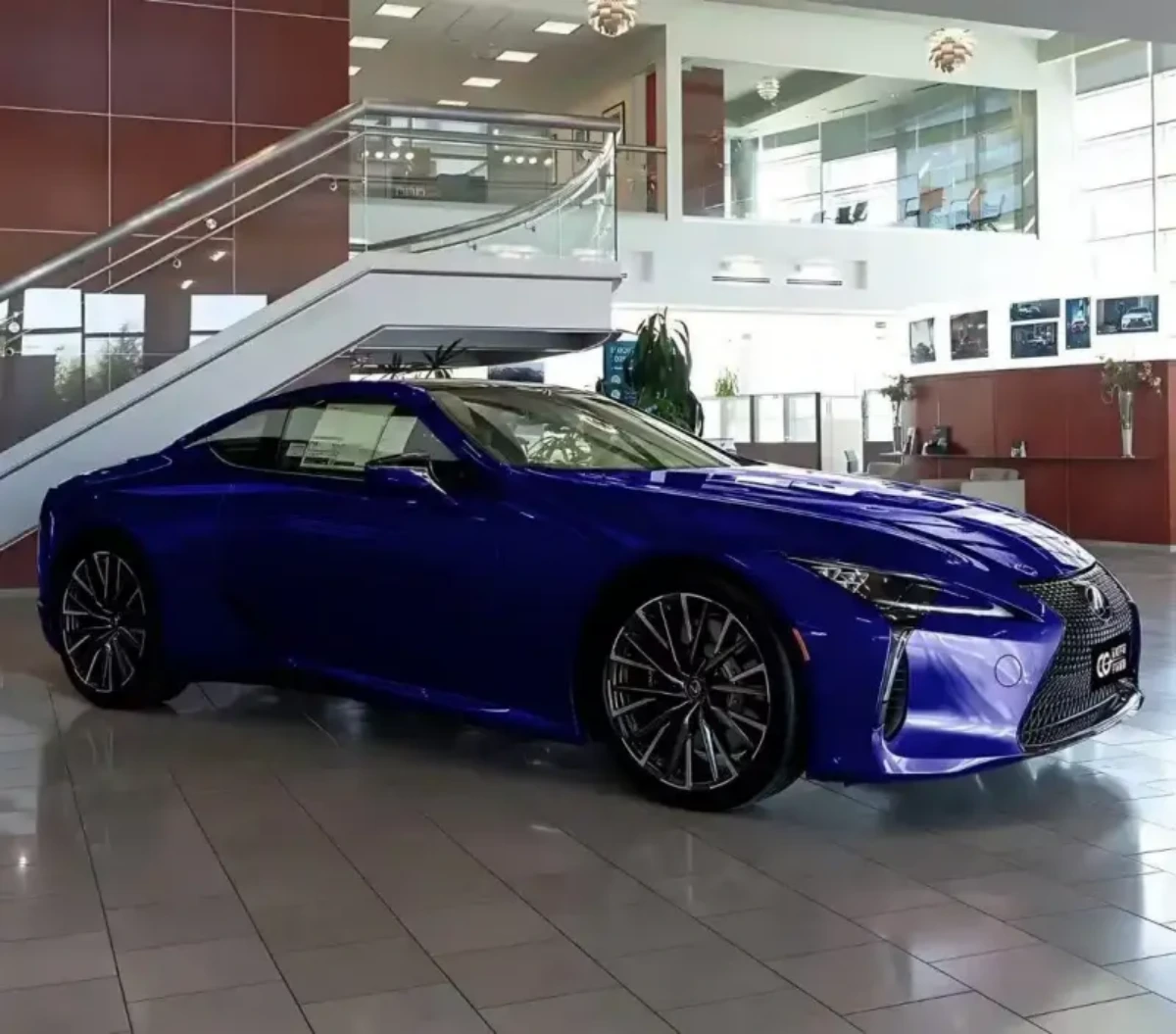
autoli TPU PPF Applied to all brand car models as Cadillac、Chrysler、Volkswagen、Bugatti、Land Rover、volvo.Our factory cooperates with PPF distributor、ppf installation、PPF agent and all so in many countries and regions around the world,like Costa Rica,Luxembourg,Malta,Colombia,Warranty: 10 years.Our advantages:Short production cycle, quick delivery;Raw material purchasing advantage;High quality raw materials and advanced technology;Strict quality control system.Our factory also provides Paint Protection Film、vinyl Wrap、Vinyl Car Wrap.