

PPF’s low-tack adhesive allows for bubble removal post-installation, ensuring a flawless finish even if issues arise.,Prevents cargo scratches on rear bumpers.,Collaborate for Lucrative Returns: Factory – Made PPF, Boosting Profit Margins.
The product classification and selection logic of PPF:
- Abrasion Resistance Needs – Upgrading to ceramic-infused PPF for high-traffic areas (door handles, step plates).
- Maintenance Capacity Matching – Opting for low-maintenance self-healing PPF for owners unable to perform frequent detailing.
- Micro-Scratch Prevention – Choosing self-healing PPF for owners prioritizing a swirl-free finish between details.
- Regional Regulation Compliance – Selecting REACH/FDA-compliant PPF for markets with strict chemical safety standards.
- Climate-Specific Formulations – Categorized for tropical, cold, coastal, or desert climates, with additives addressing regional challenges.
- Function-Centric Categories – Segmented into self-healing, UV-resistant, anti-yellowing, and hydrophobic variants based on core benefits.
How TPU Redefines PPF:
- Solar Reflection – TPU’s heat-reflective topcoats redefined PPF from heat-absorbing covers to cooling solutions reducing interior temperatures by 5–8°C.
- Quick Healing – TPU’s 24-hour scratch recovery redefined PPF from damage-accumulating films to self-renewing protectors maintaining appearance over time.
- Long-Term Value – TPU’s preservation of resale value redefined PPF from expense to investment, increasing vehicle resale prices by 5–10%.
- Flexibility Breakthrough – TPU’s 500% elongation redefined PPF from rigid covers to conformable films that hug complex vehicle contours without cracking.
- Smart Maintenance – TPU’s IoT sensor integration redefined PPF from passive films to connected systems alerting owners to needed repairs or cleaning.
- Temperature Tolerance – TPU’s -40°C to 80°C stability redefined PPF from climate-limited products to all-weather solutions for extreme hot and cold regions.
- Eco-Friendly Evolution – Recyclable TPU redefined PPF from single-use plastic waste to circular economy products with end-of-life material recovery.
- EV Compatibility – Heat-resistant TPU redefined PPF from standard protectors to EV-specific solutions withstanding battery zone temperatures up to 120°C.
- Sound Dampening Integration – Viscoelastic TPU layers redefined PPF from silent protectors to noise-reducing films cutting road noise by 3–5dB.
The horizontal comparison of PPF with other protection methods:
- PPF vs. Paint Correction – Paint correction fixes existing swirls/scratches, while PPF prevents future damage, with PPF often applied post-correction to preserve results.
- PPF vs. Polymer Sealants – Polymer sealants offer 3–6 months of chemical resistance but no physical defense, while PPF provides both for 5 years.
- PPF vs. Rust Converter Products – Converters treat existing rust, while PPF prevents rust triggers (moisture/salt) on painted surfaces, with complementary roles in corrosion management.
- PPF vs. Paint Sealants – Sealants provide 6–12 months of chemical resistance, while PPF adds physical barrier protection against impacts, with both enhancing gloss but PPF lasting longer.
- PPF vs. Leather Protectors – Leather treatments guard against spills/cracking, while interior PPF shields dash/console plastics from UV fading and scratches, with separate material focuses.
- PPF vs. Polyurethane Sprays – Polyurethane sprays form a hard, brittle layer prone to chipping, while PPF’s flexible TPU base absorbs impacts without cracking.
- PPF vs. Rubber Gasket Protectants – Gasket protectants prevent drying/cracking, while PPF has no role in rubber maintenance, highlighting their non-overlapping functions.
- PPF vs. Hydrophobic Sprays – Sprays offer temporary water repellency (2–3 months), while PPF combines hydrophobicity with long-term scratch/impact protection (5 years).
- PPF vs. Clear Bra (Old-Generation) – Modern PPF offers self-healing and flexibility, outperforming rigid old-gen clear bras that crack in cold weather and lack repair abilities.
The extension of PPF’s functions:
- Before: Side vent louvers with paint chipping on edges; After: PPF covers louver edges, hiding chips and preventing debris from catching and causing more damage.
- Before: Rear spoiler with cracked clear coat from sun exposure; After: UV-stable PPF covers cracks and prevents further clear coat breakdown.
- Before: Rocker panels with mud and salt damage from winters; After: PPF’s corrosion-resistant layer covers rust-prone areas and blocks future salt intrusion.
- Before: Front license plate frame with rust staining; After: PPF covers frame edges, hiding stains and preventing rust from spreading to bumper paint.
- Before: Running boards with worn paint from foot traffic; After: PPF’s durable layer covers wear and resists scuffs from shoes and boots.
- Before: Roof with bird dropping etchings and tree sap stains; After: PPF’s chemical-resistant topcoat hides stains and prevents new etching, creating a uniform surface.
The production supply chain and quality control system of PPF:
- Document Control System – Version-controlled procedures, work instructions, and test methods accessible to all staff.
- Production Planning – AI-driven demand forecasting to optimize production runs and reduce material waste.
- Transportation Logistics – Temperature-controlled trucking and ocean freight for long-distance shipments to prevent adhesive degradation.
- Self-Healing Efficacy – Controlled scratch tests (3μm depth) followed by heat activation to verify 95% repair rate.
- Corrective Action Plans – Documented steps to address out-of-spec results, with timelines for implementation and verification.
- Supplier Qualification – Rigorous audits of material suppliers, evaluating quality management systems and sustainability practices before approval.
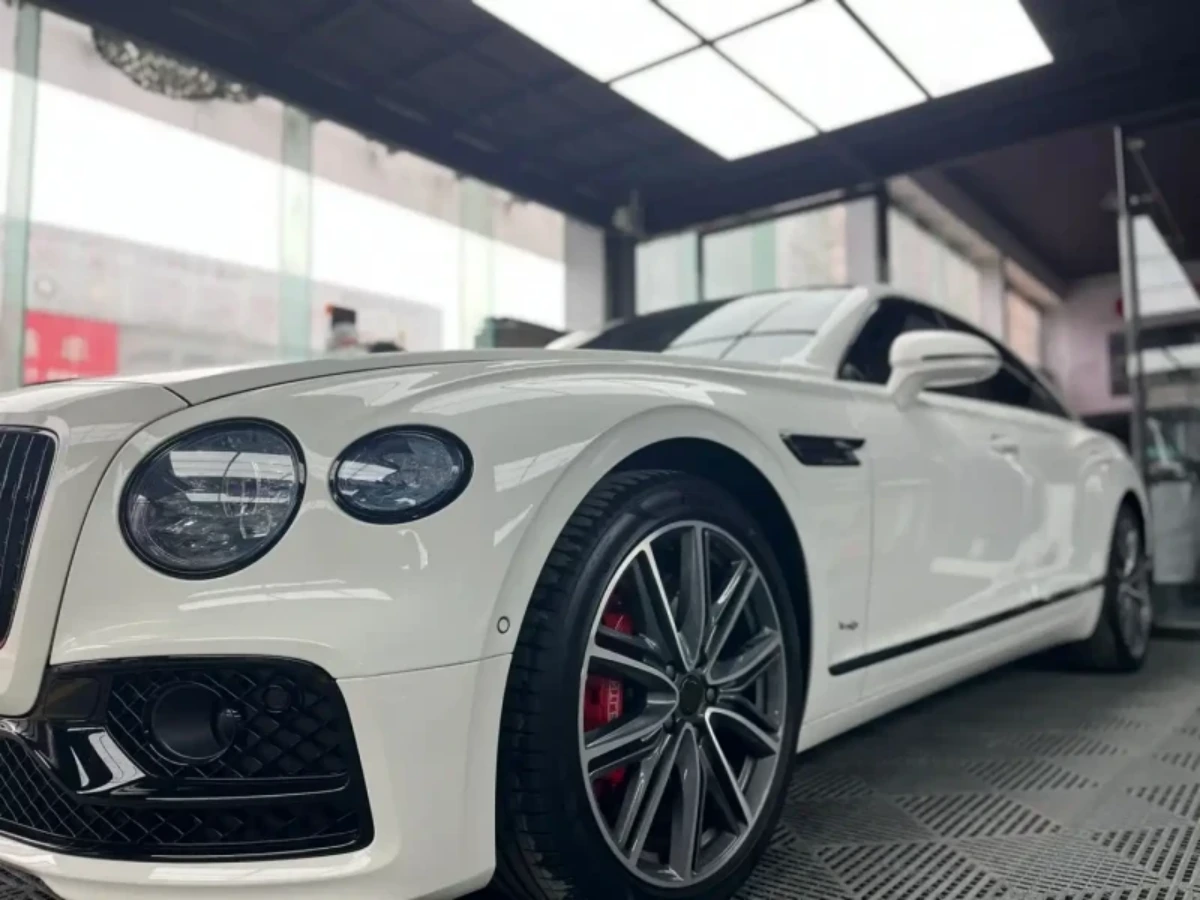
The regulations of PPF and after-sales services:
- NAR Auto Film’s Compensation Policy – NAR PPF provides 1:1 pre-installation and 1:2 post-installation defect compensation, backed by factory insurance covering up to 100% of replacement costs .
- Customer Support Hotlines – Brands like NAR PPF provide dedicated hotlines (4008 8181 07) for warranty claims, requiring vehicle details and installation records for processing .
- Anti-Yellowing Guarantees – Brands like Aegis Eternal 400 offer 15-year warranties against yellowing, using HALS stabilizers to maintain optical clarity over extended periods .
- Recall Protocols for Defects – In cases of material defects (e.g., delamination), manufacturers like PurePPF coordinate nationwide recalls and replacements via authorized installers .
- DIY Installation Void Policies – Most warranties, including PurePPF and 3M, void coverage for self-installed films, emphasizing the need for certified professional application .
- EU Digital Product Passport – PPF manufacturers must disclose material composition and recycling details via the EU’s Digital Product Passport, enhancing supply chain transparency .
- Heat-Activated Self-Healing Warranties – Brands guarantee self-healing performance (e.g., 98% micro-scratch repair within 8 minutes at 45°C) under warranty, reflecting confidence in material durability .
The user perception and consumption misconceptions of PPF:
- Correct Perception: Impact Absorption Benefits – Off-road enthusiasts correctly rely on PPF to disperse rock impacts, reducing paint chipping by 75%.
- Consumer Misconception: “Thicker PPF = Better Protection” – Assuming 10mil PPF is always superior, ignoring that excessive thickness can cause edge lifting on curved surfaces.
- Correct Perception: Warranty Transfer Adds Value – Sellers highlight transferable warranties, knowing they boost resale appeal for next owners.
- Consumer Misconception: “PPF Yellowing Is Inevitable” – Fearing all PPF yellows, unaware that modern anti-yellowing formulas with HALS stabilizers last 10 years clear.
- Correct Perception: UV Protection Value – Users increasingly link PPF to preventing paint fading, with 72% citing UV resistance as a key purchase driver.
The cutting-edge technology research and development of PPF:
- Bio-Based TPU – Algae-derived and waste cooking oil-based TPU reduces carbon footprint by 70% compared to petroleum-based alternatives.
- Bio-Based Flame Retardants – Chitosan-functionalized ammonium polyphosphate (CS-APP) and phenylphosphonic difurfurylamine (PPDF) provide V-0 rating in UL 94 tests with <1% loading.
- Multifunctional Smart Films – Integrated humidity sensors and pH indicators in PPF provide real-time environmental monitoring for agricultural applications.
- 3D-Printed Customization – Selective Absorption Fusion (SAF?) 3D printing allows complex PPF geometries with integrated channels for thermal management.
- High-Temperature Resistant PPF – Polyimide-TPU blends withstand 232°C (450°F) for automotive exhaust systems and industrial machinery.
- Multifunctional Nanocomposites – Black phosphorus nanosheets in PPF bone cements combine osteogenic activity with photothermal tumor ablation.
- Antifouling Coatings – Zwitterionic polymer brushes prevent marine biofouling and industrial scale formation on PPF surfaces.
- Dynamic Thermal Management – Phase change materials (PCMs) encapsulated in PPF absorb and release heat to maintain 22–25°C surface temperature.
- Nano-Textured Anti-Icing Surfaces – Laser-induced nanostructures reduce ice adhesion strength by 80%, preventing snow accumulation on vehicles.
- Nano-Composite Barrier Films – Layered double hydroxides (LDHs) in PPF block oxygen and water vapor transmission by 99.9% for food packaging.
The differentiated user group needs matching of PPF:
- Off-Road Enthusiasts – Prioritize 10 mil impact-resistant PPF with reinforced topcoats to shield against trail rocks, branches, and gravel abrasion.
- Mobile Veterinary Clinics – Require antimicrobial PPF for interior surfaces, inhibiting bacteria growth from animal interactions.
- Snowmobile Trail Groomers – Need cold-resistant PPF (-40°C) to protect metal and plastic surfaces from ice, salt, and debris buildup.
- Luxury Vehicle Owners – Demand 8.5 mil multi-layer PPF with 10 year anti-yellowing warranties to preserve factory paint and maintain resale value.
- Mobile Pet Adoption Vans – Use pet-friendly scratch-resistant PPF, withstanding claw marks and frequent door use during adoption events.
- Mobile Business Vans – Select logo-friendly clear PPF to protect brand graphics from road wear while maintaining visibility of company messaging.
- SUV Owners – Prefer full-coverage 8–9mil PPF with reinforced wheel arches to protect larger surfaces from off-road debris and parking scrapes.
- Tropical Climate Users – Demand 99% UV-blocking PPF with enhanced HALS stabilizers to prevent paint fading in intense sunlight and humidity.
Why TPU PPF:
- Color Options – Available in 20 powder-coat colors, including white, black, bronze, and wood grain finishes.
- High-Strength Alloys – 6005-T5 aluminum provides optimal strength-to-weight ratio for structural beams.
- Cost Predictability – Fixed material costs avoid price fluctuations of lumber markets.
- Eco-Friendly Production – Aluminum manufacturing emits 90% less CO? when using recycled materials.
- Solar Panel Compatible – Strong enough to support lightweight solar-powered lighting systems.
- Weatherproof Connections – Gasketed joints prevent water infiltration at beam intersections.
- Marine-Grade Options – 6061-T6 aluminum alloys resist saltwater corrosion for coastal properties.
AUTOLI(CN) PPF(Paint Protection Film) factory
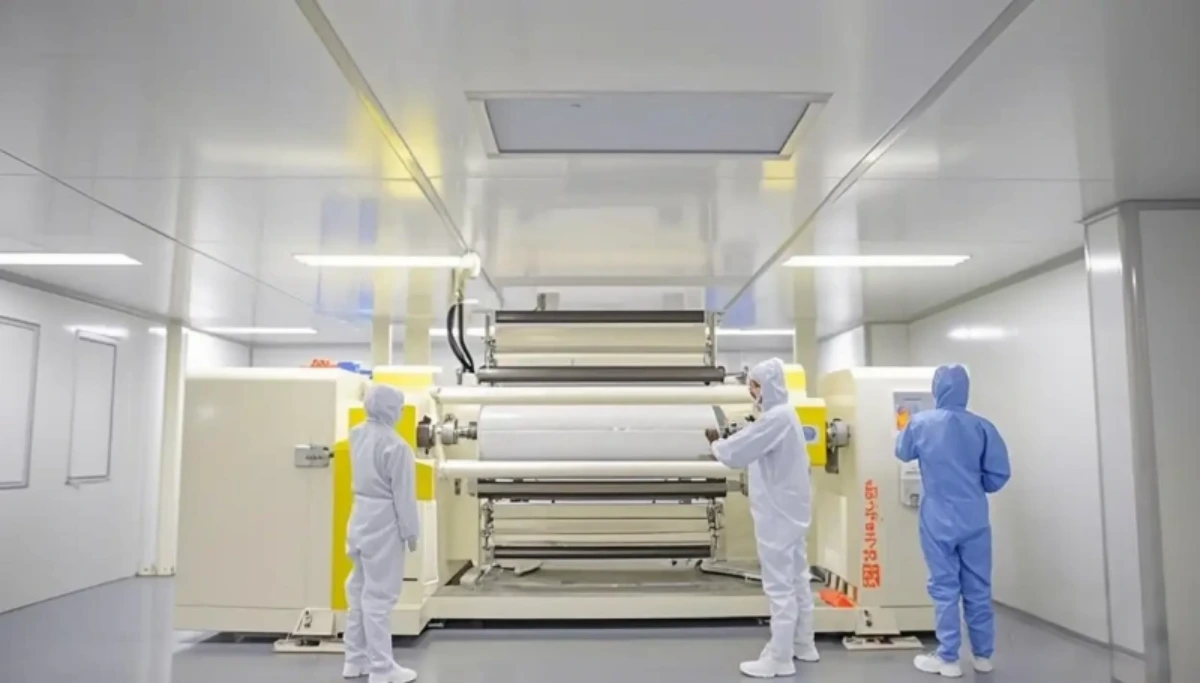
autoli TPU PPF Applied to all brand car models as Toyota、Alfa Romeo、Mazda、Bugatti.Our factory cooperates with Auto Repair Center、Auto Detailing、PPF trading and all so in many countries and regions around the world,like Russia,Mexico,Germany,Japan,Singapore,New Zealand,Warranty: 10 years.Our advantages:Raw material purchasing advantage;Your Key to Profitable PPF Ventures;High quality raw materials and advanced technology.Our factory also provides car wrapping、Window Film.