

PPF’s protection reduces the need for paint correction, saving costs on professional detailing after purchase.,Recyclable TPU material for eco-friendliness.,Factory – Driven Collaboration: Quality PPF, Lower Costs.
TPU PPF VS PET PPF:
- Temperature Tolerance – TPU PPF withstands -40°C to 80°C without cracking, unlike PET PPF which becomes brittle below 0°C.
- Adhesive Aging – TPU PPF’s adhesive retains 80% strength after 5 years, while PET PPF’s adhesive loses 50% strength in 3 years.
- Repair Potential – TPU PPF allows spot patching of damaged areas, while PET PPF requires full panel replacement for localized damage.
- High-Humidity Performance – TPU PPF resists mold growth in 90% humidity, while PET PPF may develop mildew under film in tropical climates.
- Moisture Barrier – TPU PPF prevents water intrusion for 72 hours, while PET PPF allows moisture penetration after 24 hours at edges.
- UV Stability – TPU PPF with HALS additives resists yellowing for 10 years, while PET PPF typically yellows within 2–3 years of UV exposure.
- Durability Rating – TPU PPF achieves 50,000 Taber abrasion cycles, compared to PET PPF’s 15,000-cycle rating.
- Impact Energy Absorption – TPU PPF’s viscoelastic properties dissipate 60% of impact energy, while PET PPF’s rigid structure absorbs only 25%.
The environmental protection and sustainability of PPF:
- End-of-Life Recycling Guides – Consumer-facing tools explain how to recycle PPF, increasing proper disposal rates by 60%.
- Energy-Efficient Production – Manufacturers using solar-powered facilities reduce carbon emissions by 40% compared to traditional manufacturing processes.
- Heavy Metal-Free Pigments – Colored PPF uses organic pigments, eliminating lead, cadmium, and chromium from formulations.
- Local Raw Material Sourcing – Sourcing TPU from regional suppliers cuts transportation emissions by 25% versus global supply chains.
- Solar-Powered Warehousing – Solar panels on distribution centers meet 60% of energy needs, reducing reliance on fossil fuels.
- Reduced Landfill Contributions – 10-year PPF generates 75% less waste than 1-year sealants over a vehicle’s lifetime.
The differentiated user group needs matching of PPF:
- Farm Equipment Operators – Apply heavy-duty 12mil PPF to tractor hoods and cabs, resisting crop debris, mud, and chemical splatters.
- College Students – Choose affordable 6mil PPF kits for first cars, balancing basic scratch protection with budget constraints.
- Cold-Climate Drivers – Need low-temperature flexible PPF (-40°C tolerance) to prevent cracking in frost, snow, and extreme thermal swings.
- Park Ranger Vehicles – Choose camouflage-matched PPF that blends with natural environments while protecting paint from brush and wildlife impacts.
- Snowmobile/ATV Riders – Need cold-flexible PPF (-30°C tolerance) to resist cracking from ice, snow, and trail debris during winter adventures.
- Classic Motorcycle Riders – Seek thin (6–7mil) flexible PPF to conform to curved fuel tanks and fairings, protecting vintage paint from belt/buckle scratches.
- Custom Paint Owners – Choose color-stable PPF that preserves matte, chameleon, or metallic finishes without altering hue or texture.
- Mobile Tailgating Vehicles – Choose spill-resistant PPF for exteriors, simplifying cleanup of food, drinks, and grilling debris during events.
- Commercial Fleet Operators – Prioritize bulk-roll PPF for cost-effective full-vehicle coverage, reducing repaint cycles by 60% for delivery vans/trucks.
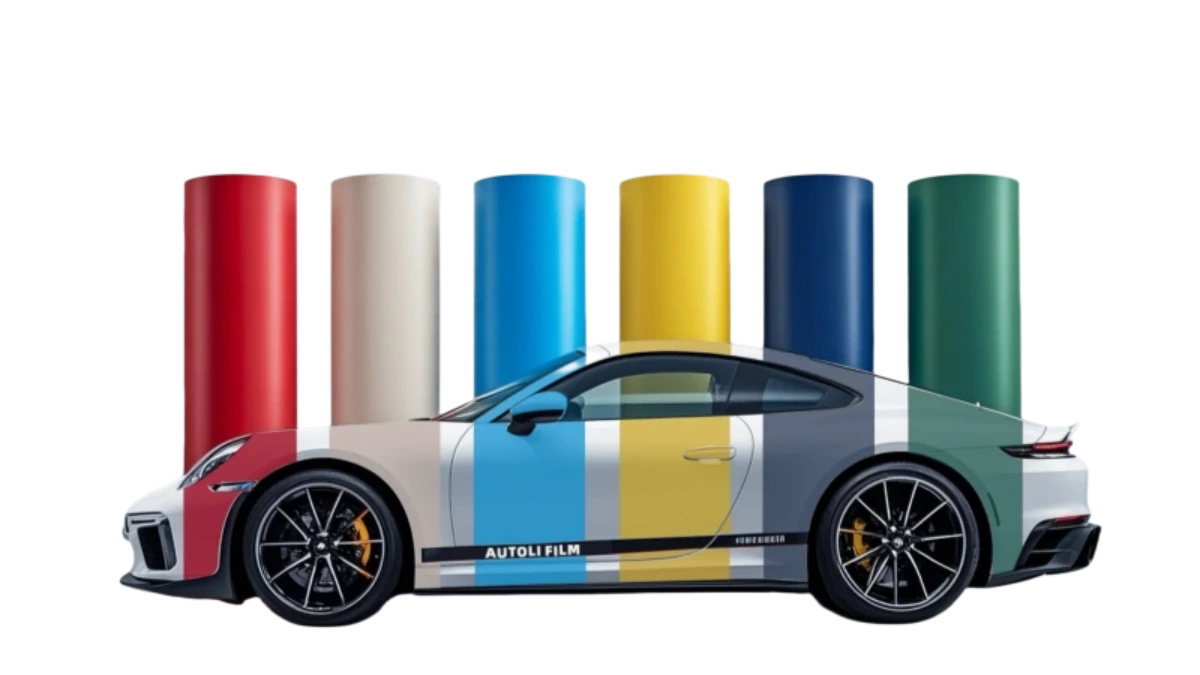
The construction and maintenance of PPF:
- Bi-Weekly Bird Dropping Inspections – Regular checks allow prompt removal of acidic droppings before they etch the topcoat.
- Squeegee Technique – Using firm, overlapping strokes with a felt-edge squeegee removes water and air bubbles for a tight bond.
- Low-Temperature Cleaning – Using warm (not hot) water in winter prevents thermal shock to the PPF and adhesives.
- Avoid Vinyl Cleaners on PPF – Vinyl-specific products can contain chemicals that dull or degrade PPF topcoats.
- Post-Repair Curing – Allowing 24 hours after minor repairs (e.g., bubble removal) before washing to ensure adhesion.
- Humidity-Controlled Workspace – Maintaining 40–60% humidity during installation prevents rapid adhesive drying and ensures proper bonding.
- PPF-Safe Adhesive Removers – Specialized solvents clean up installation mistakes without damaging the underlying paint.
- High-Temperature Tolerance Care – Parking in shaded areas during extreme heat (≥35°C) reduces topcoat oxidation risk.
- Infrared Curing for Cold Conditions – Low-heat infrared lamps accelerate adhesive setting in workshops below 20°C.
- Adhesive Activation Heat Range – Applying 65–75°C heat to edges activates adhesives without damaging the PPF’s topcoat.
The cutting-edge technology research and development of PPF:
- Nano-Textured Anti-Icing Surfaces – Laser-induced nanostructures reduce ice adhesion strength by 80%, preventing snow accumulation on vehicles.
- Shape Memory Adhesives – Adhesives with thermally activated shape recovery allow repositioning during installation without residue.
- Dynamic Thermal Management – Phase change materials (PCMs) encapsulated in PPF absorb and release heat to maintain 22–25°C surface temperature.
- Multifunctional Self-Healing Films – Microcapsules containing both healing agents and antimicrobial silver ions offer dual functionality for medical devices.
- Multifunctional Antimicrobial Films – Nano-silver and copper oxide particles in PPF inhibit 99.9% of MRSA and E. coli while maintaining self-healing properties.
- Nano-Ceramic Coatings – Nano-ceramic-infused topcoats enhance scratch resistance by 300% while maintaining hydrophobicity and UV stability, ideal for extreme climates.
- Self-Healing Antimicrobial Films – Silver-ion-doped microcapsules combine scratch repair with 99.9% bacterial reduction for medical device applications.
- Self-Healing Antimicrobial Coatings – Silver-doped microcapsules in PPF combine scratch repair with long-term bacterial inhibition for medical devices.
The user pain points of PPF and their solutions:
- Complex Maintenance – Simplified via pH-neutral cleaning kits, hydrophobic topcoats, and quarterly sealant boosters.
- Unclear Warranty Coverage – Clarified via digital warranty passports detailing exclusions (wear, improper maintenance) and inclusions.
- Expensive Repairs for Damage – Reduced via self-healing technology (repairs 3μm scratches with heat) and patchable film sections.
- Bird Dropping Etching – Addressed through acid-resistant topcoats and 24-hour removal guidelines to prevent permanent damage.
- Difficulty Matching Vehicle Contours – Addressed by 3D-scanned, vehicle-specific pre-cut patterns for complex curves (fenders, mirrors).
- Edge Lifting – Addressed through heat-sealed edges and nano-adhesive technology, reducing lifting by 75% in car washes.
- Uncertainty About Lifespan – Resolved by clear warranty durations (5–15 years) and real-world durability data from field tests.
The regulations of PPF and after-sales services:
- EU REACH Compliance – PPF manufacturers must adhere to EU REACH regulations, ensuring all chemicals used in production meet strict safety and environmental standards, particularly for PFAS substances like C9-C14 PFCAs, which are restricted to ≤25 ppb in materials .
- Cross-Industry Regulatory Alignment – PPFs used in electronics or aerospace must comply with sector-specific standards (e.g., FCC for electronics), expanding regulatory complexity .
- Anti-Yellowing Guarantees – Brands like Aegis Eternal 400 offer 15-year warranties against yellowing, using HALS stabilizers to maintain optical clarity over extended periods .
- EU PPWR Packaging Mandates – The EU’s Packaging and Packaging Waste Regulation (PPWR) requires PPF packaging to be recyclable by 2030 and prohibits PFAS in food-contact packaging, impacting material choices and disposal practices .
- 3M’s Warranty Exclusions – 3M’s warranty explicitly excludes watermarks, improper maintenance, and non-authorized products, emphasizing the need for professional installation and genuine materials .
Say Goodbye to Car Scratches: Self-Healing PPF Revealed!:
- Self-healing PPF works with ceramic topcoats, combining water repellency with scratch repair for enhanced protection.
- Hard-to-reach areas like wheel arches and bumper edges receive the same healing benefits, ensuring uniform appearance across your vehicle.
- Scratches from automatic car washes—even with soft brushes—heal quickly, eliminating the need to avoid convenient cleaning options.
- Car dealerships keep demo vehicles looking new with self-healing PPF, reducing reconditioning costs between test drives.
- Desert sand scratches heal, protecting paint in harsh, windy environments with abrasive particles.
- Self-healing technology is integrated into the TPU matrix, ensuring repairs aren’t limited to a thin topcoat that wears away.
- Scratches from bicycle racks or roof carriers on SUVs and trucks heal, preserving paint on utility-focused vehicles.
- Self-healing PPF leverages TPU’s thermal reactivity to repair micro-scratches (≤3μm) when exposed to heat, making surface damage disappear without manual intervention.
- Self-healing properties remain effective across the entire film, from large panels like hoods to detailed areas like door handles and mirrors.
- Pet transport vehicles get cargo area scratch repair, where animal movement can cause minor damage.
AUTOLI(CN) PPF(Paint Protection Film) factory
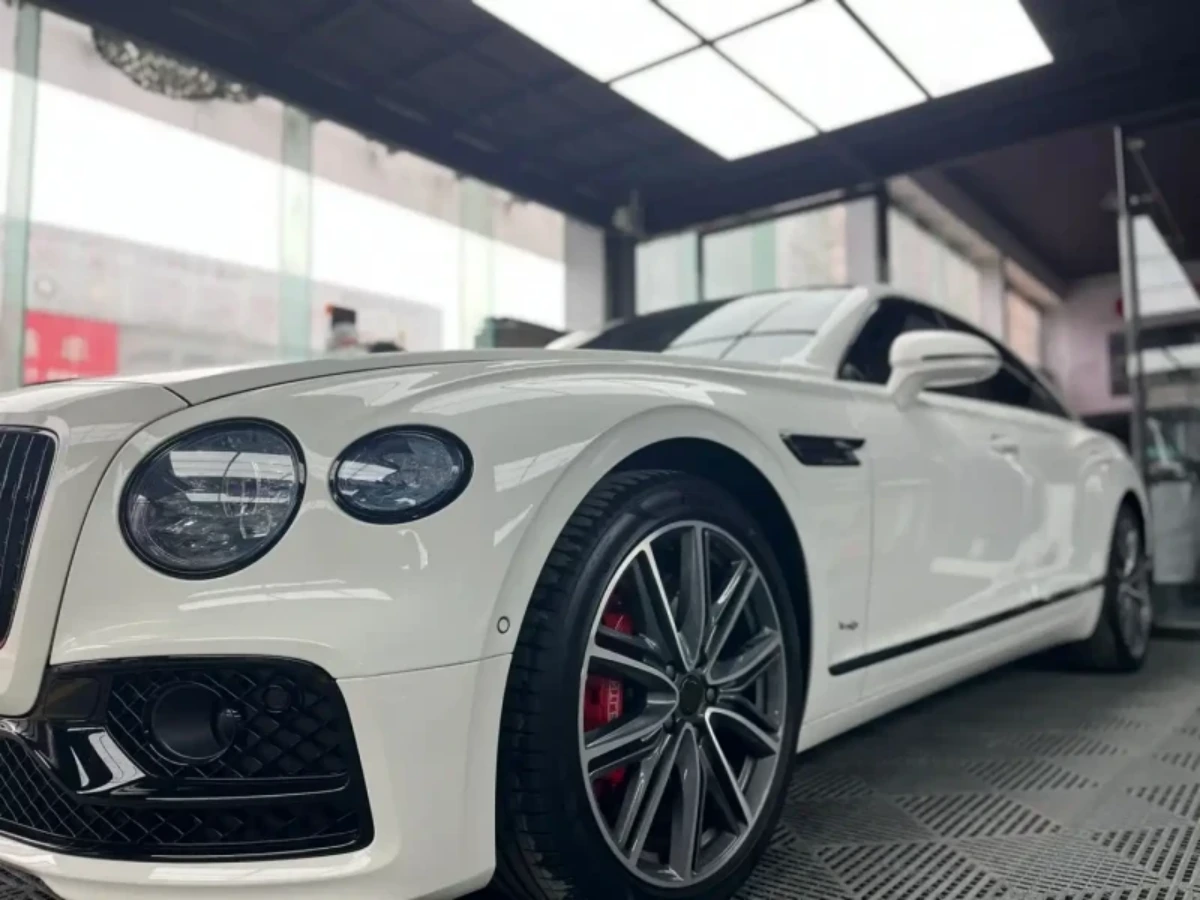
autoli TPU PPF Applied to all brand car models as Benz、Lincoln、Buick、Nissan.Our factory cooperates with ppf installation、Auto Spa、PPF wholesaler、PPF installer and all so in many countries and regions around the world,like Belgium,Italy,Czech,Denmark,Warranty: 10 years.Our advantages:Raw material purchasing advantage;Efficient production reduces costs;Perfect after-sales service;Collaborate for Lucrative Returns: Source factory;SGS, ASTM, REACH, UL and other certifications.Our factory also provides Window tint、carwraps、Car Wrap.