

PPF’s protection on door edges prevents chips from open the doorcollisions, a common high-wear area on daily-driven cars.,Recyclable TPU material for eco-friendliness.,Revolutionize Your Business: Link with Our Factory’s High – Grade PPF.
How TPU Redefines PPF:
- Brand Consistency – TPU’s uniform quality redefined PPF from variable products to consistent solutions with predictable performance across batches.
- Acid Rain Resistance – TPU’s chemical barriers redefined PPF from acid-etching vulnerable films to protective shields in polluted or industrial areas.
- Repairability Focus – TPU’s patchable design redefined PPF from full-replacement products to partially repairable systems cutting maintenance costs.
- Pet-Friendly Protection – TPU’s scratch resistance redefined PPF from delicate films to pet-safe solutions withstanding claws and fur on family vehicles.
- Heritage Preservation – TPU’s reversible application redefined PPF from damaging products to safe protectors for classic car original paint during shows and storage.
- Nano-Reinforcement – Graphene or ceramic-infused TPU redefined PPF from standard films to high-performance barriers with 200% improved tensile strength.
- Production Efficiency – TPU’s extrusion-friendly properties redefined PPF manufacturing from batch processes to continuous production reducing costs.
- Multi-Layer Versatility – TPU’s compatibility with adhesive, core, and topcoat layers redefined PPF from single-layer films to multi-functional barriers with tailored properties.
- Insurance Benefits – TPU’s damage reduction redefined PPF from cosmetic upgrades to insurance-pleasing investments lowering repair claims by 40%.
The construction and maintenance of PPF:
- Avoid High-Pressure Direct Sprays – Keeping pressure washers 30cm from edges prevents water from lifting film edges.
- Adhesive Activation Heat Range – Applying 65–75°C heat to edges activates adhesives without damaging the PPF’s topcoat.
- Dust Mitigation – HEPA filters and air ionizers in the workspace reduce dust particles that cause bubbles or imperfections.
- Post-Cut Edge Deburring – Trimming excess film with a fresh blade removes sharp edges that could catch dirt or lift over time.
- Remove Bird Droppings Promptly – Cleaning acidic bird droppings within 24 hours prevents etching through the protective layer.
- Vinegar Solution for Water Spots – A mild vinegar rinse dissolves mineral deposits on PPF without harming the topcoat.
- Soft Rubber Squeegees for Curves – Flexible squeegees conform to rounded surfaces like fenders, reducing edge lifting risk during application.
- Low-Temperature Cleaning – Using warm (not hot) water in winter prevents thermal shock to the PPF and adhesives.
- Sunlight Healing Activation – Parking in direct sunlight allows minor scratches to self-heal via heat-induced molecular repair.
- High-Temperature Tolerance Care – Parking in shaded areas during extreme heat (≥35°C) reduces topcoat oxidation risk.
The user pain points of PPF and their solutions:
- Bubbles After Installation – Prevented by air-release adhesive channels and certified installers using dust-free environments.
- Scratches from Automated Car Washes – Prevented by scratch-resistant topcoats (9H hardness) and “brushless wash safe” certifications.
- Fading in Extreme Sunlight – Fixed by 99% UV-blocking films with enhanced carbon black pigments for tropical climates.
- Edge Lifting – Addressed through heat-sealed edges and nano-adhesive technology, reducing lifting by 75% in car washes.
- Mold Growth in Humid Climates – Prevented by antimicrobial additives and breathable film designs allowing moisture evaporation.
- Complex Maintenance – Simplified via pH-neutral cleaning kits, hydrophobic topcoats, and quarterly sealant boosters.
- Expensive Repairs for Damage – Reduced via self-healing technology (repairs 3μm scratches with heat) and patchable film sections.
- Poor Hydrophobicity Over Time – Restored by SiO? sealant boosters, reviving water repellency every 3–6 months.
- Difficulty Matching Vehicle Contours – Addressed by 3D-scanned, vehicle-specific pre-cut patterns for complex curves (fenders, mirrors).
The user scenarios and value validation of PPF:
- Pet Owners with Cargo Vans – Shields interior panels from dog claws and fur, with PPF making cleanup 40% faster after transport.
- Luxury Yacht Tenders – Guards small boat hulls from dock collisions, with marine-grade PPF reducing gel coat repairs by 60% in saltwater environments.
- Police and Emergency Vehicles – Extends service life of patrol car paint by 2 years, reducing taxpayer costs for fleet repaints by $200k annually per department.
- Classic Car Dealers – Enhances showroom appeal of Jaguar E-Types, with glossy PPF boosting perceived value by 10% during client viewings.
- Tropical Region Owners – Resists acid rain etching in Bangkok and Rio, with PPF maintaining 90% paint clarity vs. 60% for unprotected vehicles after 2 years.
- Custom Paint Owners – Preserves expensive matte or chameleon finishes, with PPF preventing swirl marks that would ruin $5,000 custom paint jobs.
- Beachside Rental Cars – Resists sand abrasion and salt spray in三亚 and Malibu, keeping rental fleets rentable with 40% fewer cosmetic repairs.
- Vintage Motorcycle Collectors – Preserves patina on 1950s Triumphs while preventing further wear, with reversible PPF allowing original condition display.
- Classic Car Collectors – Preserves original paint on 1960s Corvettes and Porsche 911s, with PPF removable without residue for concours-level restorations.
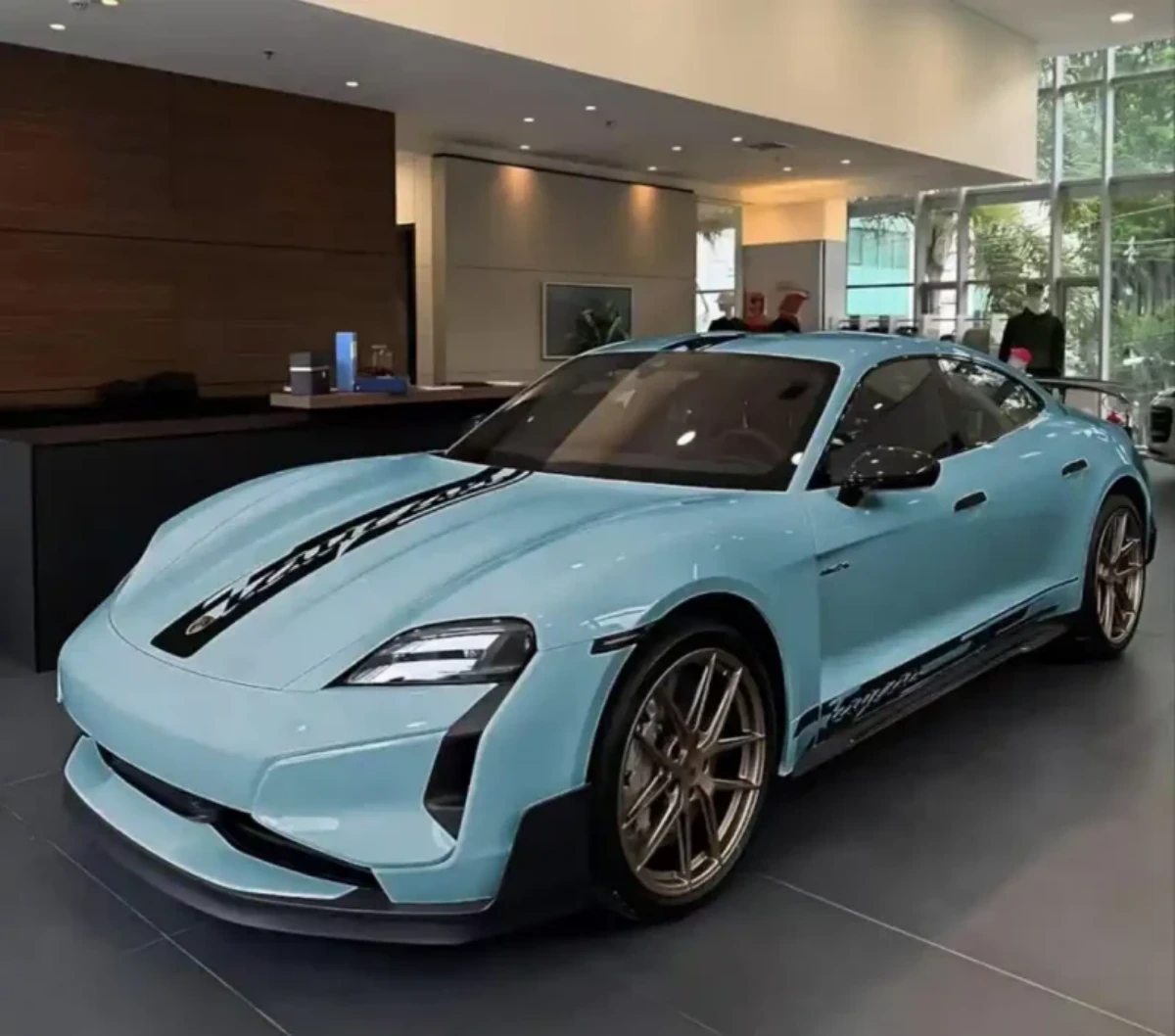
Say Goodbye to Car Scratches: Self-Healing PPF Revealed!:
- Valet or parking attendant scratches heal, reducing stress about professional handling of your vehicle.
- Classic car owners protect original paint with self-healing PPF, as scratches heal without damaging vintage finishes.
- Classic motorcycle fuel tanks stay scratch-free, as belt/buckle marks heal with engine heat during rides.
- Self-healing efficiency is highest for thinner scratches, making it ideal for preventing “spider web” swirl marks.
- Self-healing PPF protects chrome trims and plastic components, extending scratch repair beyond painted surfaces.
- Self-healing PPF’s topcoat is engineered to withstand repeated healing cycles without thinning or losing its protective capabilities.
The environmental protection and sustainability of PPF:
- Zero-Waste Manufacturing – Scrap PPF is recycled into production pellets, achieving 95% material utilization in closed-loop systems.
- Natural Anti-Microbial Additives – Tea tree oil extracts replace synthetic biocides, maintaining hygiene with renewable ingredients.
- Waterless Cleaning Compatibility – PPF works with waterless wash sprays, saving 100 gallons per cleaning session versus traditional washing.
- Compostable Instruction Guides – Manuals printed on seed paper grow into plants, eliminating paper waste from disposal.
- Carbon-Negative Initiatives – Brands invest in reforestation, sequestering 1.2x more CO? than their production emits annually.
- PFAS-Free Formulations – Eliminating per- and polyfluoroalkyl substances reduces environmental persistence, aligning with EU PFAS restrictions (2025 phase-out).
The materials and technologies of PPF:
- Anti-fatigue toughness optimization technology: Through molecular chain elastic modification, the resilience and recovery ability of the membrane material after repeated cold and hot contraction and minor impacts are enhanced, reducing the relaxation deformation over long-term use.
- Extreme UV durability enhancement: Uses dual UV absorbers (organic and inorganic) to maintain 90% of original performance after 10,000 hours of accelerated UV testing.
- Low haze light transmission technology: Through substrate purification and mirror-level polishing of the coating, light scattering on the film surface is reduced, minimizing the “white fog” phenomenon under sunlight, and maintaining the original color tone of the car paint.
- Energy-harvesting film: Integrates photovoltaic cells to generate 0.5W/m2 of power for vehicle electronics.
- Surface hardness enhancement technology: By incorporating nano-ceramic particles into the coating, the pencil hardness of the film surface is increased to 9H level, enhancing the anti-scuff and anti-abrasion performance against hard objects such as keys and sand.
- OE-K02 Automotive OEM Certification: Meets original equipment manufacturer standards for adhesion and durability.
- Impact resistance enhancement technology: Using nano-scale elastic particles to modify the TPU base material, improving the buffering and energy absorption capacity for impact from gravel, sand, etc., and strengthening anti-crash protection.
- Self-healing quantum dot coating: Uses photoluminescent particles to repair micro-scratches within 10 minutes under sunlight.
- Instant repair trigger for micro scratches: Optimizing the molecular activity threshold of TPU, it can quickly activate the repair mechanism at temperatures above 30 degrees Celsius or slight friction (such as towel wiping), shortening the response time for minor scratch repair.
AUTOLI(CN) PPF(Paint Protection Film) oem factory
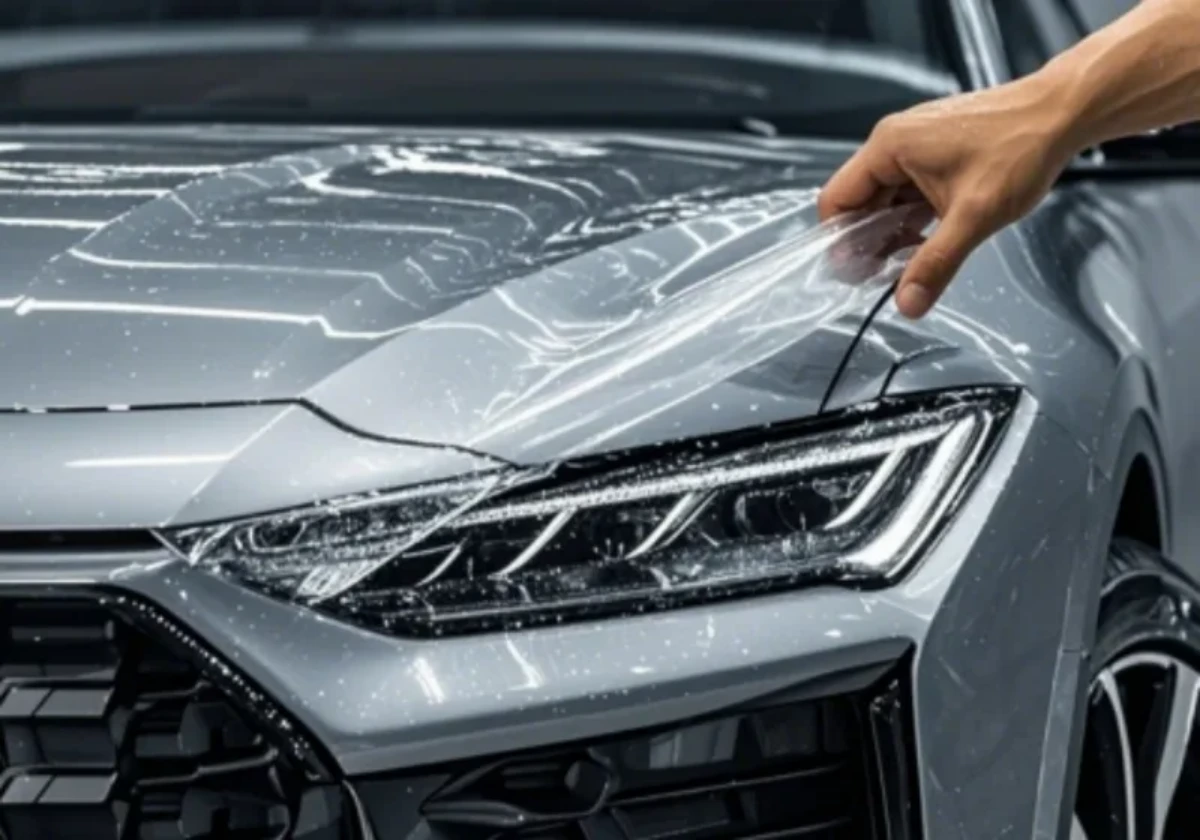
autoli TPU PPF Applied to all brand car models as Volkswagen、Honda、volvo、Volkswagen.Our factory cooperates with PPF wholesaler、Auto Spa、PPF installer、Car Customization Shop、PPF brand and all so in many countries and regions around the world,like Malaysia,Romania,Venezuela,USA,Warranty: 10 years.Our advantages:Large stock of styles for you to choose from;Efficient production reduces costs;Your Key to Profitable PPF Ventures.Our factory also provides PPF FILM、vinyl car wrapping、Car Wraps、carwraps.