

PPF’s resistance to industrial fallout (metal particles) prevents rust spots, a common problem in urban areas.,Maintains smooth finish without sun 纹.,Cooperate for Gain: Diverse – Colored PPF, Speedy Turnaround, Certified Quality.
The extension of PPF’s functions:
- Before: Fog light surrounds with yellowing and stone chips; After: PPF covers discoloration and shields against debris, maintaining consistent appearance.
- Before: Hood insulation clips with rust staining surrounding paint; After: PPF covers clip areas, hiding stains and preventing rust from spreading.
- Before: Roof rails with scratched paint from roof rack use; After: PPF covers rail surfaces, hiding scratches and reducing friction from rack installation.
- Before: Roof antenna with cracked paint from weathering; After: PPF’s flexible layer covers cracks and protects against rain/snow intrusion.
- Before: Wheel arches with paint chipping from gravel; After: Thick 10mil PPF lines arches, hiding existing damage and preventing new chips during turns.
- Before: Door handles with worn paint from repeated use; After: PPF wraps handle cups, covering wear and resisting new scratches from daily use.
- Before: Door striker plates with paint worn from contact; After: PPF lines striker areas, covering wear and reducing friction between metal and paint.
- Before: Wheel wells with rust starting to show through paint; After: PPF’s moisture barrier covers early rust and blocks water/salt from accelerating corrosion.
The user perception and consumption misconceptions of PPF:
- Consumer Misconception: “PPF Makes Paint Shiny Forever” – Expecting permanent gloss, not realizing topcoat wear requires periodic sealant reapplication to maintain shine.
- Correct Perception: Warranty Transfer Adds Value – Sellers highlight transferable warranties, knowing they boost resale appeal for next owners.
- Correct Perception: Multi-Surface Application – Users increasingly apply PPF to headlights and trim, reducing fogging and scratches on high-wear areas.
- Correct Perception: UV Protection Value – Users increasingly link PPF to preventing paint fading, with 72% citing UV resistance as a key purchase driver.
- Correct Perception: Brand Certification Matters – Buyers seek installers certified by brands like XPEL, linking training to better long-term results.
- Consumer Misconception: “PPF Removes Easily Without Residue” – Assuming all PPF peels cleanly, neglecting that old or low-quality films often leave adhesive residue requiring professional removal.
How TPU Redefines PPF:
- Thin Yet Tough – High-strength TPU allowed 6–8mil films to match 10–12mil PVC protection, redefining PPF as lightweight yet durable.
- Pet-Friendly Protection – TPU’s scratch resistance redefined PPF from delicate films to pet-safe solutions withstanding claws and fur on family vehicles.
- Lightweight Shipping – TPU’s low density redefined PPF from high-freight-cost products to cost-efficient options reducing transportation emissions by 30%.
- Recycled Content Integration – TPU blends with 30% recycled material redefined PPF from virgin-only products to circular economy solutions.
- Sustainable End-of-Life – TPU’s recyclability redefined PPF from landfill-bound waste to closed-loop products reusable in secondary applications.
- Low-Cost Repairs – TPU’s patchable design redefined PPF from full-replacement products to affordably repairable systems for minor damage.
- Anti-Yellowing Innovation – TPU blended with HALS stabilizers redefined PPF from yellowing-prone films to clear protectors maintaining transparency for decades.
The protective performance of PPF:
- **Preservation of Resale Value** – A vehicle with well – protected paint due to PPF is likely to have a higher resale value as the paint remains in better condition compared to non – protected vehicles.
- 100 Color Customization – Offers diverse color options for personalized styling without compromising protective performance.
- **Resistance to Saltwater Spray in Coastal Areas** – In coastal regions, where saltwater spray can be a major threat to vehicle paint, PPF offers effective protection against corrosion.
- UV Protection for Dashboard and Interiors – Extends dashboard lifespan by blocking UV rays that cause fading and cracking in plastic surfaces.
- Off-Road Impact Protection – Thick films like Suntek Ultra Defense shield against branches, mud, and gravel in rugged terrains.
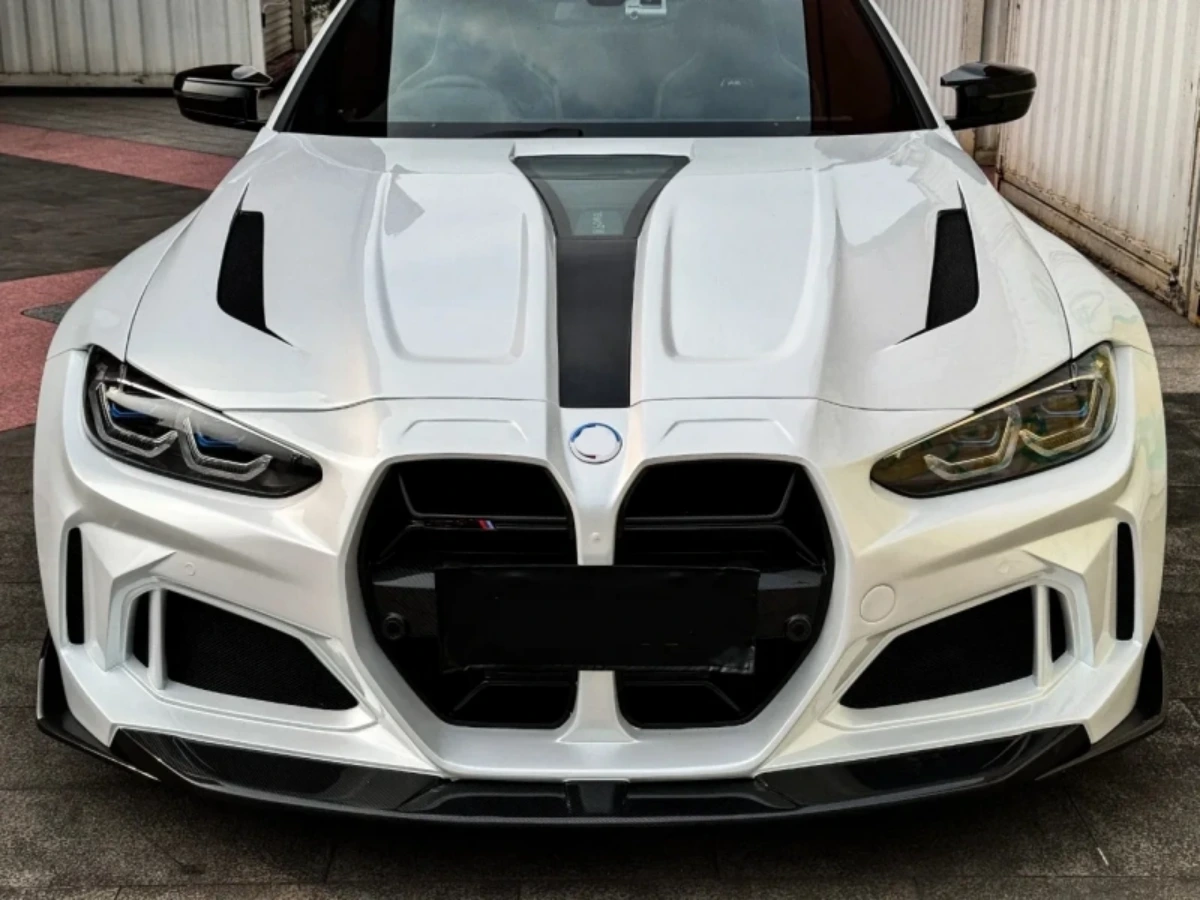
The materials and technologies of PPF:
- Ceramic coating compatibility: Features a receptive top layer that bonds seamlessly with ceramic coatings, creating a hybrid protection system with enhanced scratch resistance.
- Polar climate formulation: Maintains flexibility at -50°C, preventing cracking in arctic regions.
- Multi-axis stretchability: Achieves 400% elongation in both transverse and longitudinal directions, ensuring seamless coverage on complex vehicle contours.
- Thermochromic color-shifting film: Changes color with temperature variations (e.g., blue at 25°C, red at 35°C), adding dynamic visual appeal.
- High-definition optical coating: Utilizing a multi-layer optical-grade coating process, the light transmittance of the coating surface remains above 95%, preventing the vehicle paint from experiencing a “grayish” visual deterioration after applying the coating.
- Cleanable biomimetic coating technology: By imitating the effect of lotus leaves, a micro-nano uneven structure is designed. This causes water and oil stains to form a rolling effect on the membrane surface, allowing them to naturally slide off and reduce residue.
- UV-stabilized adhesive: Resists yellowing and degradation under prolonged sunlight exposure, backed by 10-year adhesion warranties.
- Smart damage detection layer: Embeds micro-sensors that interact with smartphone apps to alert users of hidden impacts or coating wear via subtle color shifts.
- Edge-locking micro-groove design: Prevents water ingress and edge lifting through interlocking grooves, backed by 10-year edge retention warranties.
- Rapid curing adhesive technology: Enables full adhesive strength development within 24 hours (vs. 48-72 hours for conventional adhesives), shortening post-installation care time.
TPU PPF VS PET PPF:
- Thickness Options – TPU PPF ranges 6–15mil for tailored protection, whereas PET PPF is limited to 4–8mil due to brittleness at greater thicknesses.
- Cost Structure – TPU PPF costs 2–3x more upfront than PET PPF but offers 3–5x longer service life, reducing long-term costs.
- Edge Sealing Options – TPU PPF accepts heat sealing for permanent edges, while PET PPF requires adhesive sealants that degrade faster.
- Production Efficiency – TPU PPF’s continuous extrusion reduces waste by 40%, while PET PPF’s batch production generates 25% more scrap.
- Removability – TPU PPF peels cleanly after 5 years, whereas PET PPF often leaves adhesive residue requiring professional removal.
- Long-Term Adhesion – TPU PPF maintains 90% adhesion after 7 years, while PET PPF’s adhesion drops to 50% after 4 years.
- Matte Compatibility – TPU PPF preserves matte paint texture, while PET PPF’s glossy finish distorts matte aesthetics with shine spots.
- Pest Resistance – TPU PPF’s non-organic composition resists rodent chewing, while PET PPF is occasionally gnawed by pests seeking nesting materials.
The production supply chain and quality control system of PPF:
- Just-In-Time Inventory – Raw material delivery aligned with production schedules, reducing warehouse costs by 20–30%.
- Incoming Material Inspection – 100% testing of TPU resin for melt index, density, and impurity levels before production.
- Corrective Action Plans – Documented steps to address out-of-spec results, with timelines for implementation and verification.
- Reverse Logistics – Systems for returning defective rolls, with sorting centers identifying repairable vs. recyclable materials.
- Environmental Testing – Salt spray, humidity, and temperature cycle tests to validate durability in extreme climates.
- Operator Training Programs – Certification of production staff on quality standards and inspection techniques.
- UV Resistance Testing – Accelerated weathering (QUV testing) for 1,000 hours to validate anti-yellowing performance.
Why TPU PPF:
- Disaster Recovery – Quick to replace or repair after storm damage compared to custom wood structures.
- Structural Certification – Meets International Building Code (IBC) standards for safety.
- Recyclability at End-of-Life – 95% of components can be recycled, reducing landfill waste.
- High-Traffic Durability – Withstands frequent use in commercial settings like café patios.
- Quick Turnaround – Pre-fabricated kits ship within 2–4 weeks, faster than custom wood builds.
- Ergonomic Design – Comfortable headroom (minimum 2.2m) for standing and moving underneath.
- Color Retention – UV-stable pigments resist fading, maintaining appearance in direct sunlight.
- Customizable Sizes – Available in standard (3m×4m) to large (6m×10m) dimensions, with modular designs for expansion.
- Low Visual Weight – Slim profiles create an open, airy feel while providing structural support.
The horizontal comparison of PPF with other protection methods:
- PPF vs. Graphite Coatings – Graphite coatings reduce friction on metal parts but don’t protect paint, unlike PPF which shields exterior surfaces from physical damage.
- PPF vs. Vinyl Protectants – Vinyl protectants prevent cracking in vinyl wraps but don’t shield against impacts, unlike PPF which adds scratch resistance to wrapped surfaces.
- PPF vs. Anti-Corrosion Sprays – Sprays inhibit rust on bare metal but don’t protect paint, whereas PPF blocks corrosion triggers (salt, moisture) from reaching painted surfaces.
- PPF vs. Rust Inhibitors – Inhibitors slow metal corrosion but don’t protect paint, whereas PPF acts as a moisture barrier preserving both paint and underlying metal.
- PPF vs. Car Covers – PPF provides 24/7 protection during driving/parking, unlike covers that only work when stationary and risk scratching paint during removal.
- PPF vs. Paint Sealant Sprays – Sealant sprays offer 6–9 months of UV protection but no scratch defense, while PPF combines both for extended durability.
AUTOLI(CN) PPF(Paint Protection Film) factory
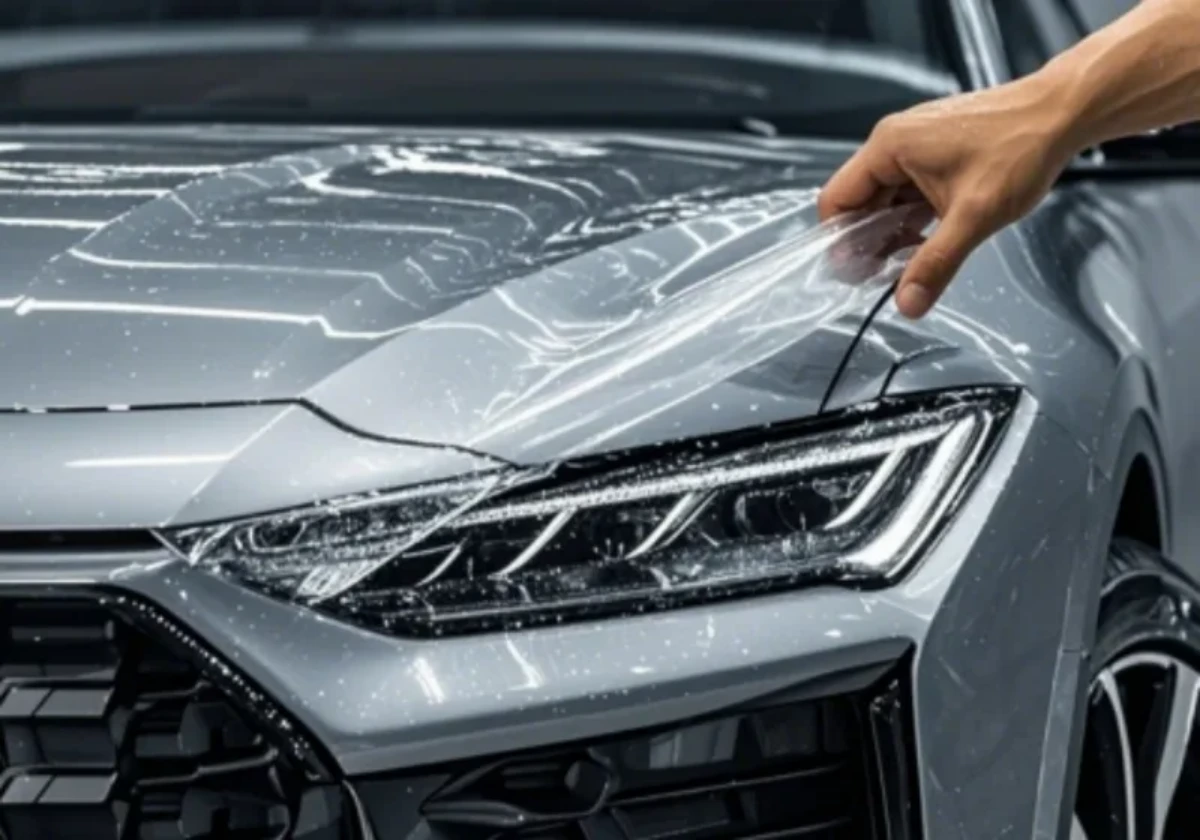
autoli TPU PPF Applied to all brand car models as Toyota、Audi、Land Rover、Cadillac.Our factory cooperates with PPF brand、PPF wholesale、Auto Detailing service、PPF wholesaler、PPF trading and all so in many countries and regions around the world,like SouthAfrica,Slovakia,Costa Rica,Philippines,Turkey,Warranty: 10 years.Our advantages:Efficient production reduces costs;Short production cycle, quick delivery;Large stock of styles for you to choose from;Our customers are all over the world;SGS, ASTM, REACH, UL and other certifications.Our factory also provides carwraps、PPF FILM、vinyl Wraps.