

PPF’s resistance to brake dust adhesion on wheel arches makes cleaning easier, preserving that hard-to-reach area.,Shields rocker panels from tire stone chips.,Link Arms with Our Factory: Color – Rich PPF, Power – Up Your Profits.
The materials and technologies of PPF:
- Closed-loop recycling technology: Using degradable TPU base materials or physical recycling processes, it enables the recycling of discarded film materials, reducing environmental burden.
- Self-healing quantum dot coating: Uses photoluminescent particles to repair micro-scratches within 10 minutes under sunlight.
- Surface hardness enhancement technology: By incorporating nano-ceramic particles into the coating, the pencil hardness of the film surface is increased to 9H level, enhancing the anti-scuff and anti-abrasion performance against hard objects such as keys and sand.
- Solvent-free adhesive process: The adhesive uses a 100% solvent-free pressure-sensitive adhesive formula, eliminating the risk of solvent evaporation residue and enhancing the environmental friendliness and long-term adhesion stability of the construction.
- Fire-resistant coating: Passes UL94 V-0 certification with flame spread rate <10mm/min, meeting automotive safety standards.
- Edge sealing reinforcement technology: Using a micro-groove lock-edge process and special sealing glue, water and dust can be prevented from seeping into the edge of the film, avoiding problems such as warping and bubbles.
- Special vehicle paint compatibility technology: For sensitive vehicle paints such as matte and frosted paints, a low initial adhesion flexible adhesive is developed to avoid color changes or damage to the paint surface texture during bonding.
- Multi-axis stretchability: Achieves 400% elongation in both transverse and longitudinal directions, ensuring seamless coverage on complex vehicle contours.
- Thermal insulation buffer layer design: An elastic buffer layer is added between the substrate and the coating to alleviate the internal stress caused by the thermal expansion and contraction of the material under extreme temperature differences, thereby reducing the risk of cracking.
How TPU Redefines PPF:
- Disaster Resilience – TPU’s tear resistance redefined PPF from storm-vulnerable covers to hurricane and flood-resistant protectors for emergency vehicles.
- Anti-Fog Properties – Hydrophilic TPU layers redefined PPF from condensation-prone films to anti-fog solutions for headlights and mirrors.
- Global Regulatory Compliance – TPU’s meet REACH, FDA, and OEM standards redefined PPF from region-limited products to globally marketable solutions.
- Pest Resistance – TPU’s non-organic composition redefined PPF from insect-attracting products to pest-safe solutions avoiding termite or rodent damage.
- Heritage Preservation – TPU’s reversible application redefined PPF from damaging products to safe protectors for classic car original paint during shows and storage.
- Anti-Static Properties – Carbon-infused TPU redefined PPF from dust-attracting films to static-dissipating solutions reducing dirt buildup.
- Long-Term Value – TPU’s preservation of resale value redefined PPF from expense to investment, increasing vehicle resale prices by 5–10%.
- Self-Healing Revolution – TPU’s microstructural recovery under heat redefined PPF from static protection to dynamic, scratch-repairing films that mend 3μm scratches automatically.
- High-Pressure Wash Safe – TPU’s strong adhesion redefined PPF from hand-wash-only films to pressure washer-compatible protectors simplifying cleaning.
- Easy Removal – TPU’s residue-free adhesives redefined PPF from permanent modifications to temporary protection safe for classic cars and leases.
The user pain points of PPF and their solutions:
- DIY Installation Failures – Resolved with pre-cut laser patterns, air-release adhesives, and step-by-step video tutorials.
- Edge Lifting – Addressed through heat-sealed edges and nano-adhesive technology, reducing lifting by 75% in car washes.
- Damage from Road Debris – Mitigated by impact-dispersing multi-layer films, reducing stone chips by 70% at highway speeds.
- Incompatibility with Custom Paint – Addressed by color-stable PPF formulated for matte, chameleon, and metallic finishes.
- Poor Performance in Cold Climates – Fixed with cold-flexible TPU (-40°C tolerance) and frost-resistant adhesives to avoid cracking.
- Confusion About Maintenance Products – Solved by brand-specific cleaning kits and “approved products” lists to avoid topcoat damage.
- Scratches from Automated Car Washes – Prevented by scratch-resistant topcoats (9H hardness) and “brushless wash safe” certifications.
- Difficulty Matching Vehicle Contours – Addressed by 3D-scanned, vehicle-specific pre-cut patterns for complex curves (fenders, mirrors).
- High Heat Damage (EV Batteries) – Solved by heat-resistant PPF (120°C ) with thermal conductivity for battery zone protection.
The user perception and consumption misconceptions of PPF:
- Consumer Misconception: “PPF Traps Moisture Under Paint” – A false fear that PPF causes rust, ignoring that proper installation creates a moisture barrier preventing corrosion.
- Correct Perception: Warranty Transfer Adds Value – Sellers highlight transferable warranties, knowing they boost resale appeal for next owners.
- Consumer Misconception: “PPF Blocks Radar and GPS Signals” – Fearing interference with ADAS, unaware modern PPF is engineered for 99% signal transparency.
- Correct Perception: Matte Finish Compatibility – Educated buyers seek matte-specific PPF, avoiding gloss films that ruin specialty paint textures.
- Correct Perception: UV Testing Validates Anti-Yellowing Claims – Checking for 1,000 hours of UV testing data, ensuring films resist discoloration in real-world use.
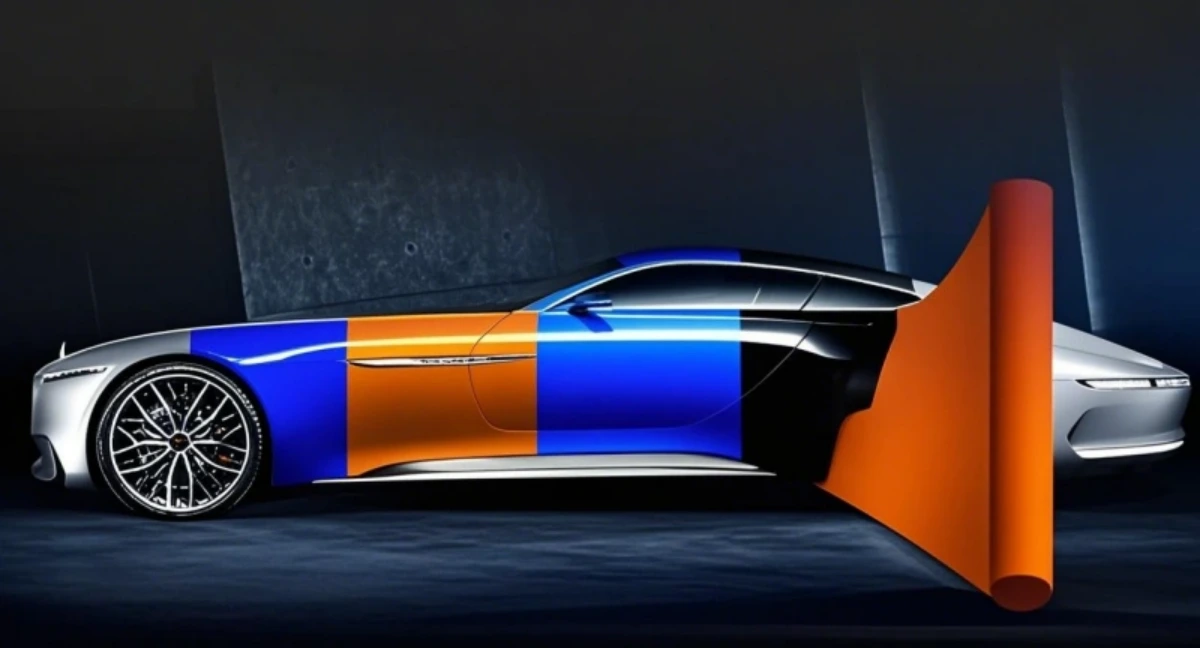
The production supply chain and quality control system of PPF:
- Quality Metrics Dashboard – Real-time monitoring of PPM (parts per million) defects, yield rates, and CPK values.
- Additive Supply Chain – Strategic partnerships with specialty chemical firms for UV stabilizers, self-healing agents, and nano-ceramic additives.
- Just-In-Time Inventory – Raw material delivery aligned with production schedules, reducing warehouse costs by 20–30%.
- Packaging Material Supply – Partnerships with recyclable packaging manufacturers to align with sustainability goals.
- New Supplier Onboarding – 6–12 month qualification process including trial runs before full-scale material adoption.
- Reverse Logistics – Systems for returning defective rolls, with sorting centers identifying repairable vs. recyclable materials.
- Waste Management Partnerships – Collaboration with recycling firms to process production scrap into secondary TPU materials.
- Ethical Sourcing Policies – Prohibition of materials from conflict zones or suppliers with labor violations.
- Dealer Inventory Management – Cloud-based systems tracking installer stock levels to trigger automatic reorders.
- Thickness Gauging – Laser sensors measuring film thickness every 0.5 seconds, ensuring ±0.1mil tolerance.
Why TPU PPF:
- Custom Cutouts – Optional decorative laser-cut panels for personalized design elements.
- Commercial Use – Popular for restaurant patios, hotel courtyards, and office outdoor spaces.
- Fire Rating Compliance – Achieves Class A fire rating, meeting strict building codes in fire zones.
- Rust-Free Hardware – Stainless steel fasteners prevent corrosion at connection points.
- Weather Durability – Withstands extreme temperatures (-40°C to 60°C) without warping, cracking, or rotting.
- High-Traffic Durability – Withstands frequent use in commercial settings like café patios.
Say Goodbye to Car Scratches: Self-Healing PPF Revealed!:
- Key scratches on door edges vanish, saving drivers from costly repairs to high-contact areas.
- Winter scratches from road salt or sand heal once temperatures rise, preventing permanent damage in cold climates.
- Car owners report a 70% reduction in visible scratches after installing self-healing PPF, boosting vehicle pride and resale value.
- Swirl marks from improper drying or washing fade away, simplifying DIY car care and reducing the risk of accidental damage.
- Years of healing cycles won’t thin the film—PPF retains 90% of its original thickness, avoiding premature replacement.
- The healing process leaves no residue or discoloration, ensuring repairs are invisible and maintain the original paint’s finish.
- Scratches from automatic car washes—even with soft brushes—heal quickly, eliminating the need to avoid convenient cleaning options.
- Rental car fleets use self-healing PPF to maintain appearance between rentals, cutting reconditioning costs by 40%.
- Self-healing PPF leverages TPU’s thermal reactivity to repair micro-scratches (≤3μm) when exposed to heat, making surface damage disappear without manual intervention.
AUTOLI(CN) PPF(Paint Protection Film) oem factory
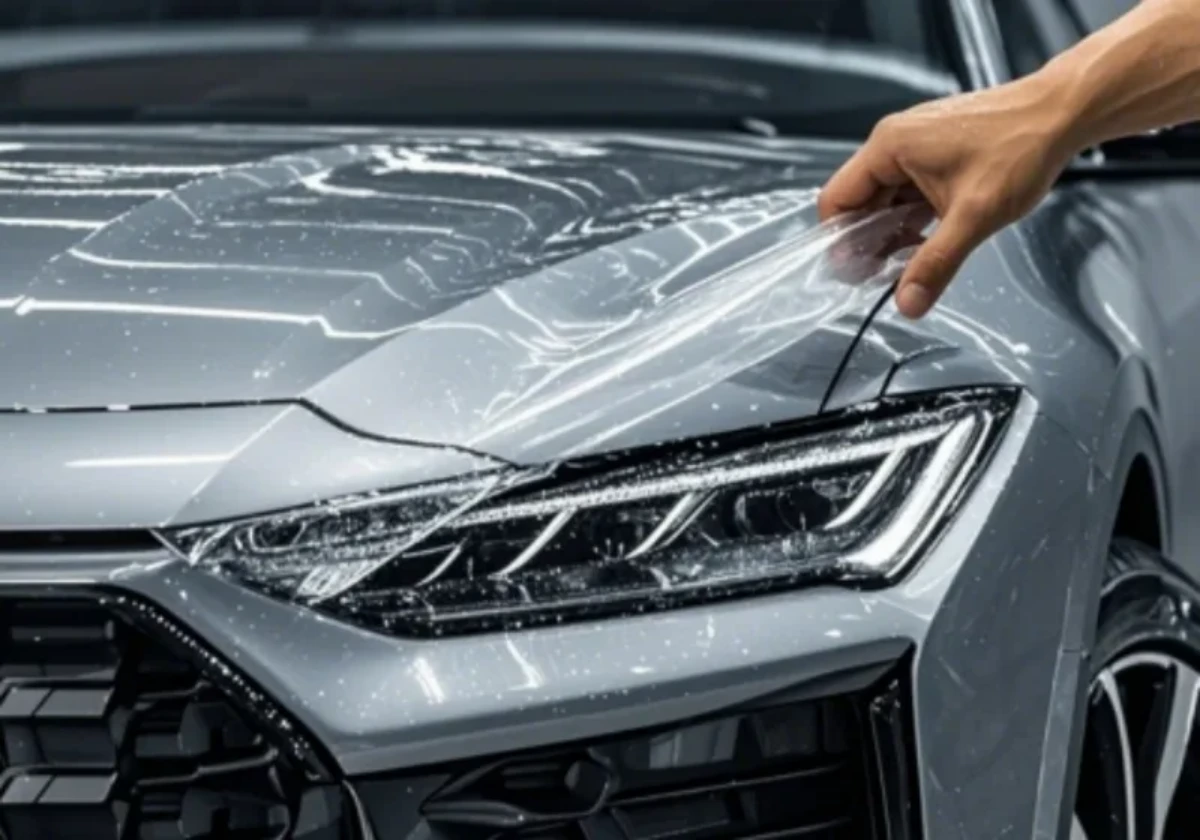
autoli TPU PPF Applied to all brand car models as Chevrolet、Nissan、byd、Lamborghini、Buick、Audi.Our factory cooperates with Auto Detailing Shop、car Detail、AutoZone and all so in many countries and regions around the world,like Indonesia,Czech,Ireland,Uruguay,Warranty: 10 years.Our advantages:Our customers are all over the world;SGS, ASTM, REACH, UL and other certifications;Efficient production reduces costs.Our factory also provides Car PPF、car vinyl wrap、PPF FILM、Paint Protection Film.