

PPF’s durability in high humidity prevents mold growth between film and paint, a risk with poor-quality adhesives.,3x longer life than PVC wraps.,Our Factory’s PPF: Stepping Stones to Monumental Profit Increases.
The horizontal comparison of PPF with other protection methods:
- PPF vs. Clear Enamel – Clear enamel is a permanent paint layer that cracks under impact, whereas PPF flexes to absorb collisions and can be replaced if damaged.
- PPF vs. Rust Converter Products – Converters treat existing rust, while PPF prevents rust triggers (moisture/salt) on painted surfaces, with complementary roles in corrosion management.
- PPF vs. Lacquer Sealants – Lacquer sealants provide a glossy finish but yellow quickly under UV, while PPF’s anti-yellowing formulas maintain clarity for a decade.
- PPF vs. Matte Paint Sealants – PPF preserves matte paint texture while adding scratch resistance, whereas matte sealants focus on maintaining finish but lack impact defense.
- PPF vs. Teflon Coatings – Teflon coatings reduce friction but lack self-healing, unlike PPF which repairs micro-scratches and resists abrasion better in high-wear areas.
The product classification and selection logic of PPF:
- Usage Pattern Matching – Opting for 10 mil thick PPF for highway commuters vs. 6–8mil for urban drivers with lower debris exposure.
- Climate Adaptation Logic – Choosing coastal-formulated PPF with anti-corrosion additives for saltwater exposure or cold-flex variants for winter regions.
- Vehicle Type Compatibility – Classified for cars, SUVs, trucks, EVs, or classics, with tailored patterns and performance traits.
- Thickness Grading – Classified by mil thickness (6–15mil), with thicker films offering enhanced impact resistance for high-risk areas.
- Climate-Specific Formulations – Categorized for tropical, cold, coastal, or desert climates, with additives addressing regional challenges.
- Bulk vs. Pre-Cut Decision – Choosing bulk rolls for professional installers vs. pre-cut kits for consistent DIY results.
- Thickness Optimization – Selecting 6–8mil for low-risk areas (roofs) vs. 10–12mil for high-impact zones (hoods, bumpers).
- Light Transmission Needs – Selecting high-clarity PPF for headlights to maintain visibility and safety.
- Eco-Friendly Segmentation – Grouped as petroleum-based, bio-based, or recyclable PPF to align with sustainability priorities.
How TPU Redefines PPF:
- EV Compatibility – Heat-resistant TPU redefined PPF from standard protectors to EV-specific solutions withstanding battery zone temperatures up to 120°C.
- Safety Enhancement – TPU’s impact absorption redefined PPF from cosmetic protectors to safety features reducing debris-related damage in accidents.
- Industrial Versatility – Heavy-duty TPU redefined PPF from automotive-only products to industrial solutions for machinery, boats, and aerospace equipment.
- Radar Compatibility – Non-metallic TPU formulations redefined PPF from ADAS-interfering products to sensor-safe films preserving 99.9% signal transmission.
- Cost Predictability – TPU’s stable pricing redefined PPF from lumber-market-dependent products to cost-consistent options vs. wood or PVC alternatives.
- Disaster Recovery – TPU’s protection during storms redefined PPF from daily-use products to emergency preparedness tools reducing post-storm repair costs.
- Pest Resistance – TPU’s non-organic composition redefined PPF from insect-attracting products to pest-safe solutions avoiding termite or rodent damage.
- Chemical Resistance – TPU’s resistance to bird droppings, road salt, and fuels redefined PPF from basic shields to multi-hazard barriers.
- Nano-Reinforcement – Graphene or ceramic-infused TPU redefined PPF from standard films to high-performance barriers with 200% improved tensile strength.
- Durability Redefined – TPU’s resistance to UV, chemicals, and impact extended PPF lifespans from 1–2 years to 5–10 years, redefining long-term protection.
The construction and maintenance of PPF:
- Dust Mitigation – HEPA filters and air ionizers in the workspace reduce dust particles that cause bubbles or imperfections.
- Masking Non-Target Areas – Using painter’s tape to protect glass, rubber trim, and emblems during cutting and application.
- Rotating Microfiber Cloths – Using fresh cloths for each washing step prevents grit transfer and minimizes scratches.
- Heat Activation for Adhesion – A heat gun (60–80°C) activates adhesives along edges and curves to secure long-term bonding.
- PPF-Safe Adhesive Removers – Specialized solvents clean up installation mistakes without damaging the underlying paint.
- Air Blower Drying – Low-pressure air dryers reduce towel contact, minimizing micro-scratches on PPF surfaces.
- Avoid Parking Near Construction – Reducing exposure to heavy dust, gravel, or paint overspray preserves PPF integrity.
- 48-Hour Road Tar Removal Window – Using专用 solvents to remove tar within 48 hours prevents permanent staining on PPF.
- Emblem Masking with Low-Tack Tape – Removable tape protects badges from accidental cutting or adhesive residue during installation.
Why TPU PPF:
- Architectural Compatibility – Complements modern homes with metal siding or glass facades.
- Smart Home Integration – Compatible with motorized louvers controlled via app or voice commands.
- High-Traffic Durability – Withstands frequent use in commercial settings like café patios.
- Fire Rating Compliance – Achieves Class A fire rating, meeting strict building codes in fire zones.
- Ergonomic Design – Comfortable headroom (minimum 2.2m) for standing and moving underneath.
- Color Matching – Custom color matching to RAL or Pantone codes for brand consistency.
- Cold Climate Performance – No seasonal cracking or splitting in freezing temperatures.
- Sustainable Material – Aluminum is 100% recyclable, with 75% of new aluminum made from recycled content.
- Artistic Customization – Can be powder-coated to match building trim or accent colors.
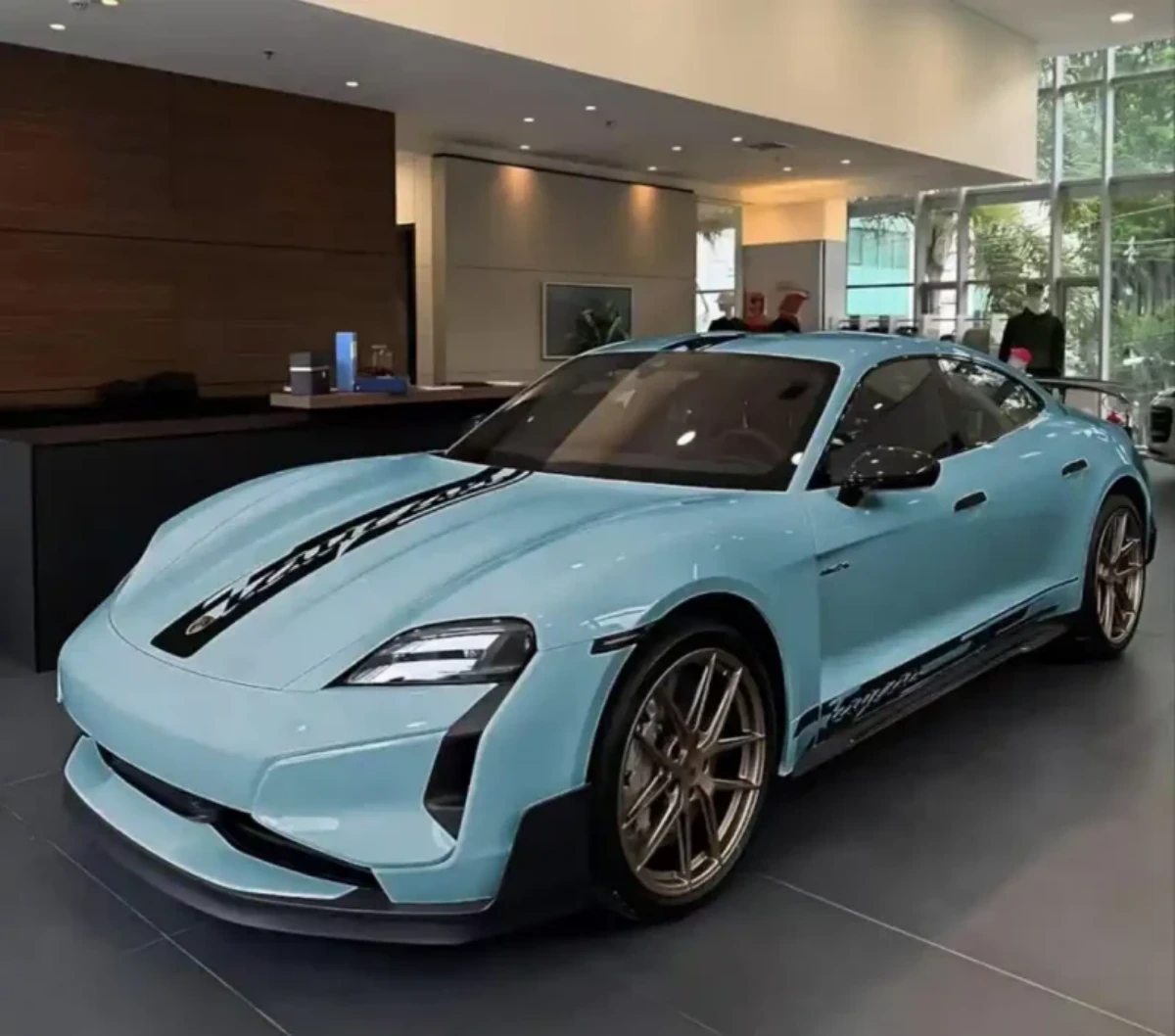
The protective performance of PPF:
- Gloss Enhancement Technology – Optical-grade clarity amplifies paint depth, creating a showroom finish without additional waxing.
- Long-Term Colorfastness – Resists fading for years, keeping colored PPF vibrant under harsh UV exposure.
- Transferable Warranty – Enhances resale appeal by extending coverage to subsequent owners, adding value.
- Nano-Ceramic Reinforcement – Hybrid films combine TPU with ceramic particles for increased hardness (9H) and scratch resistance.
- ASTM D1044 Compliance – Meets rigorous scratch resistance standards, ensuring reliable performance in real-world use.
- **Dust and Dirt Repellency** – PPF has a smooth surface that reduces the adhesion of dust and dirt, keeping the vehicle cleaner for longer periods between washes.
The user pain points of PPF and their solutions:
- Unclear Warranty Coverage – Clarified via digital warranty passports detailing exclusions (wear, improper maintenance) and inclusions.
- Difficulty Matching Vehicle Contours – Addressed by 3D-scanned, vehicle-specific pre-cut patterns for complex curves (fenders, mirrors).
- Complex Warranty Transfers – Simplified via blockchain-based systems enabling easy ownership transfers with digital validation.
- Salt Corrosion in Coastal Areas – Mitigated by anti-corrosion additives and salt-resistant adhesives reducing rust under film.
- High Installation Costs – Mitigated by tiered pricing (DIY kits vs. premium pro installs) and financing options for budget flexibility.
- Poor Hydrophobicity Over Time – Restored by SiO? sealant boosters, reviving water repellency every 3–6 months.
Before & After: How PPF Transforms a 10-Year-Old Car:
- Before: Door handles with worn paint from repeated use; After: PPF wraps handle cups, covering wear and resisting new scratches from daily use.
- Before: Wheel arches with paint chipping from gravel; After: Thick 10mil PPF lines arches, hiding existing damage and preventing new chips during turns.
- Before: Antenna base with rust spreading to surrounding paint; After: PPF seals the base, covering rust and preventing moisture from worsening corrosion.
- Before: Wheel wells with rust starting to show through paint; After: PPF’s moisture barrier covers early rust and blocks water/salt from accelerating corrosion.
- Before: Roof rack crossbars with scratched paint from cargo; After: PPF covers bars, hiding scratches and reducing friction damage from cargo movement.
- Before: Front fenders with “spider web” cracks from age; After: PPF’s flexible layer covers fine cracks and reduces stress that causes further splitting.
- Before: A 10-year-old car shows extensive swirl marks and sun fade; After: PPF application hides defects and restores 90% of original gloss, making it look 5 years newer.
- Before: Engine bay plastic components faded from heat; After: Heat-resistant PPF covers plastics, restoring color and blocking engine heat damage.
- Before: Side marker lights with cracked lenses from impacts; After: PPF’s impact absorption covers minor cracks and prevents lens breakage.
The environmental protection and sustainability of PPF:
- Carbon-Neutral Manufacturing – Brands like 3M offset production emissions via reforestation projects, achieving carbon-neutral status for select PPF lines.
- Sustainable Adhesive Removers – Plant-based solvents for PPF removal replace harsh chemicals, reducing groundwater contamination risks.
- Bulk Roll Distribution – Supplying large rolls to installers reduces packaging waste by 70% compared to pre-cut kit packaging.
- Compostable Adhesives – Plant-based adhesives break down in 18 months under composting, avoiding persistent chemical residues in soil.
- Thin-Film Technology – 6-mil PPF matches 8-mil protection, using 25% less material while maintaining performance.
- Bio-Based TPU Formulations – Plant-derived thermoplastic polyurethane reduces reliance on fossil fuels, with 50% renewable content in eco-certified PPF products.
- Heavy Metal-Free Pigments – Colored PPF uses organic pigments, eliminating lead, cadmium, and chromium from formulations.
- Biodegradable Options – Compostable PPF variants decompose within 3–5 years under industrial composting, ideal for temporary applications like rental fleets.
- Carbon-Neutral Manufacturing – Brands like 3M offset production emissions via reforestation projects, achieving carbon-neutral status for select PPF lines.
AUTOLI(CN) PPF(Paint Protection Film) oem manufacturer
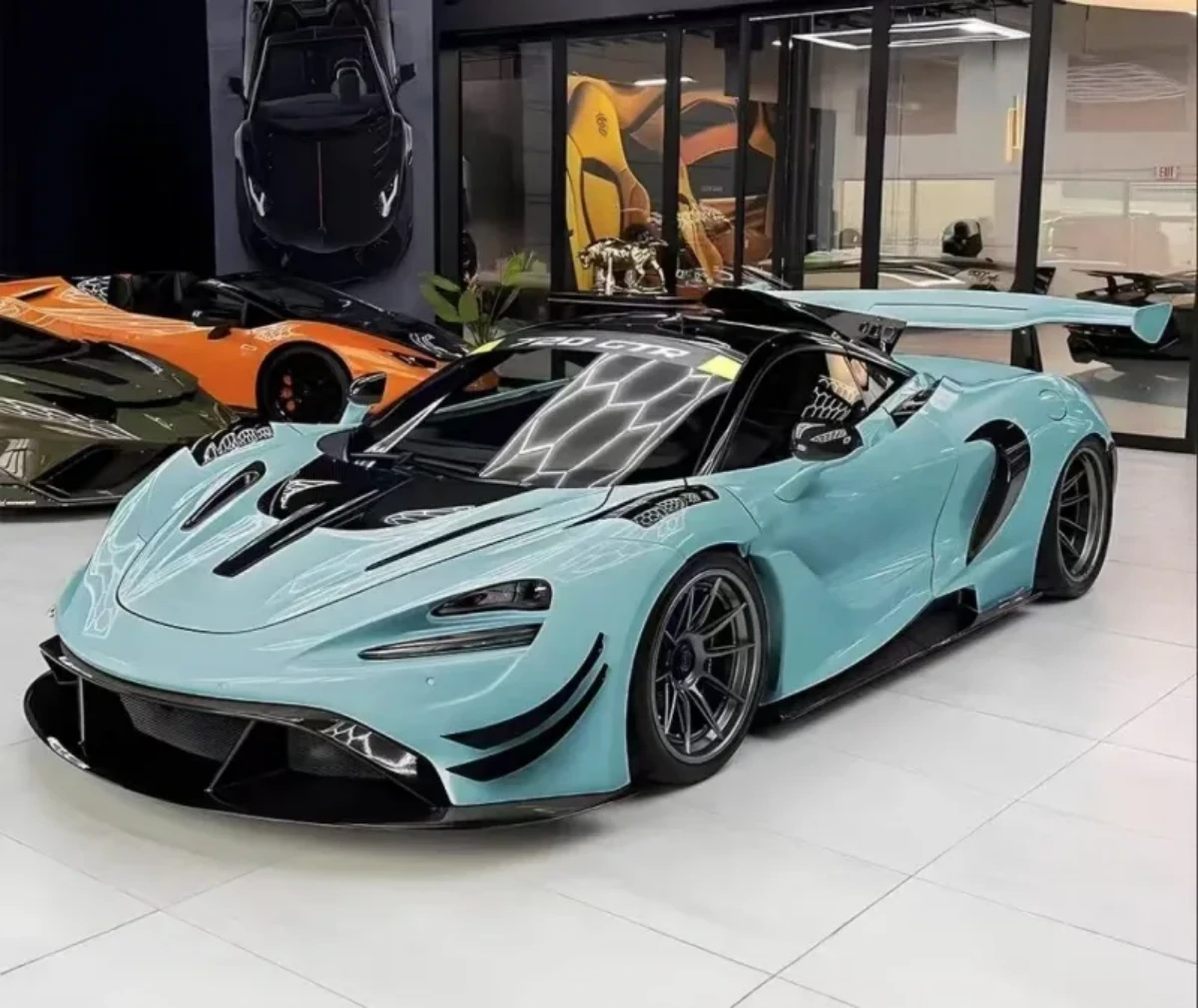
autoli TPU PPF Applied to all brand car models as Honda、volvo、Chevrolet、Volkswagen、Land Rover、AstonMartin.Our factory cooperates with AutoZone、ppf installation、PPF distributor and all so in many countries and regions around the world,like Ecuador,Iraq,Denmark,Belgium,Warranty: 10 years.Our advantages:Raw material purchasing advantage;Short production cycle, quick delivery;Collaborate for Lucrative Returns: Source factory;Our customers are all over the world;Efficient production reduces costs.Our factory also provides Car Paint Protection Film、Window tint、vinyl Wraps.