

PPF preserves original paint integrity, lifting used car value by 10-20%—a ¥20k investment offsets resale losses for ¥300k cars.,Reduces insurance claims for minor damage.,Partner with Us: Enjoy High – Quality PPF, Diverse Colors, and Unbeatable Prices.
The cost structure and price composition of PPF:
- Lease Protection Premium – Lease-specific PPF (removable) costs 10–15% more due to residue-free adhesive requirements.
- Adhesive Technology Costs – Removable adhesives add $0.30–$0.50 per square foot vs. permanent options.
- Low-Volume Vehicle Surcharges – Custom cuts for rare models add 20–30% due to template creation costs.
- Material Thickness Pricing – Each mil increase (6→10mil) adds $1–$2 per square foot due to higher material usage.
- Environmental Certification Premiums – Eco-friendly PPF costs 5–10% more due to sustainable material sourcing.
- Small-Batch Premium – Custom colors or finishes cost 30–50% more due to low-volume production inefficiencies.
The production supply chain and quality control system of PPF:
- Third-Party Certification – Independent labs (e.g., SGS, Intertek) validating performance claims for warranties and marketing.
- Dealer Inventory Management – Cloud-based systems tracking installer stock levels to trigger automatic reorders.
- Continuous Improvement Teams – Cross-functional groups analyzing quality data to implement process enhancements.
- Maintenance Parts Logistics – Localized inventory of extrusion die parts and coating rollers to minimize downtime.
- Supplier Development Programs – Workshops with tier-2 suppliers to improve material consistency and reduce defects.
- Adhesion Testing – Peel strength measurements (180°/90°) on sample cuts to verify adhesive bond strength.
- Operator Training Programs – Certification of production staff on quality standards and inspection techniques.
The long-term monitoring and maintenance system after the installation of PPF:
- End-of-Warranty Pre-Assessments – Comprehensive inspections 6 months before warranty expiry to address issues proactively.
- Professional Decontamination Annually – Scheduling iron removal, clay bar treatment, and tar cleanup by certified detailers.
- Flexibility Testing – Bending small film samples (from replacements) to check for brittleness, indicating polymer degradation.
- Smart Sensor Data Reviews – Analyzing embedded sensor data on temperature exposure and impact forces to predict maintenance needs.
- Avoid High-Pressure Direct Sprays – Keeping pressure washers ≥30cm from edges to prevent forcing water under lifted seams.
The horizontal comparison of PPF with other protection methods:
- PPF vs. Chrome Polish – Chrome polish removes tarnish but doesn’t prevent future damage, while PPF on chrome trims resists scratches and maintains shine long-term.
- PPF vs. Rubber Sealants – Rubber sealants protect gaskets from drying but have no role in paint protection, highlighting PPF’s focus on exterior surfaces.
- PPF vs. Silicone Coatings – Silicone coatings repel water but degrade quickly (1–2 years) under UV exposure, whereas PPF maintains hydrophobicity for 5 years with UV stabilizers.
- PPF vs. Graphite Coatings – Graphite coatings reduce friction on metal parts but don’t protect paint, unlike PPF which shields exterior surfaces from physical damage.
- PPF vs. Stone Chip Resistant Paint – Factory chip-resistant paint offers minimal defense, while PPF adds a flexible layer that absorbs impacts, reducing chips by 75%.
- PPF vs. Polyurethane Sprays – Polyurethane sprays form a hard, brittle layer prone to chipping, while PPF’s flexible TPU base absorbs impacts without cracking.
- PPF vs. Anti-Static Sprays – Sprays reduce dust attraction temporarily, while PPF’s anti-static properties last for years, with both aiding cleanliness but PPF offering more durability.
- PPF vs. Vinyl Wraps – PPF prioritizes paint protection with self-healing properties, while vinyl wraps focus on aesthetic customization, with PPF being more durable against abrasion.
- PPF vs. Rust Proofing Treatments – PPF shields exterior paint from corrosion triggers (salt/sand), while rust proofing targets metal undercarriages, with complementary roles in full protection.
- PPF vs. Stone Guard Films (Thin) – Thin stone guards protect against small debris but lack self-healing, while PPF handles larger impacts and repairs minor damage automatically.
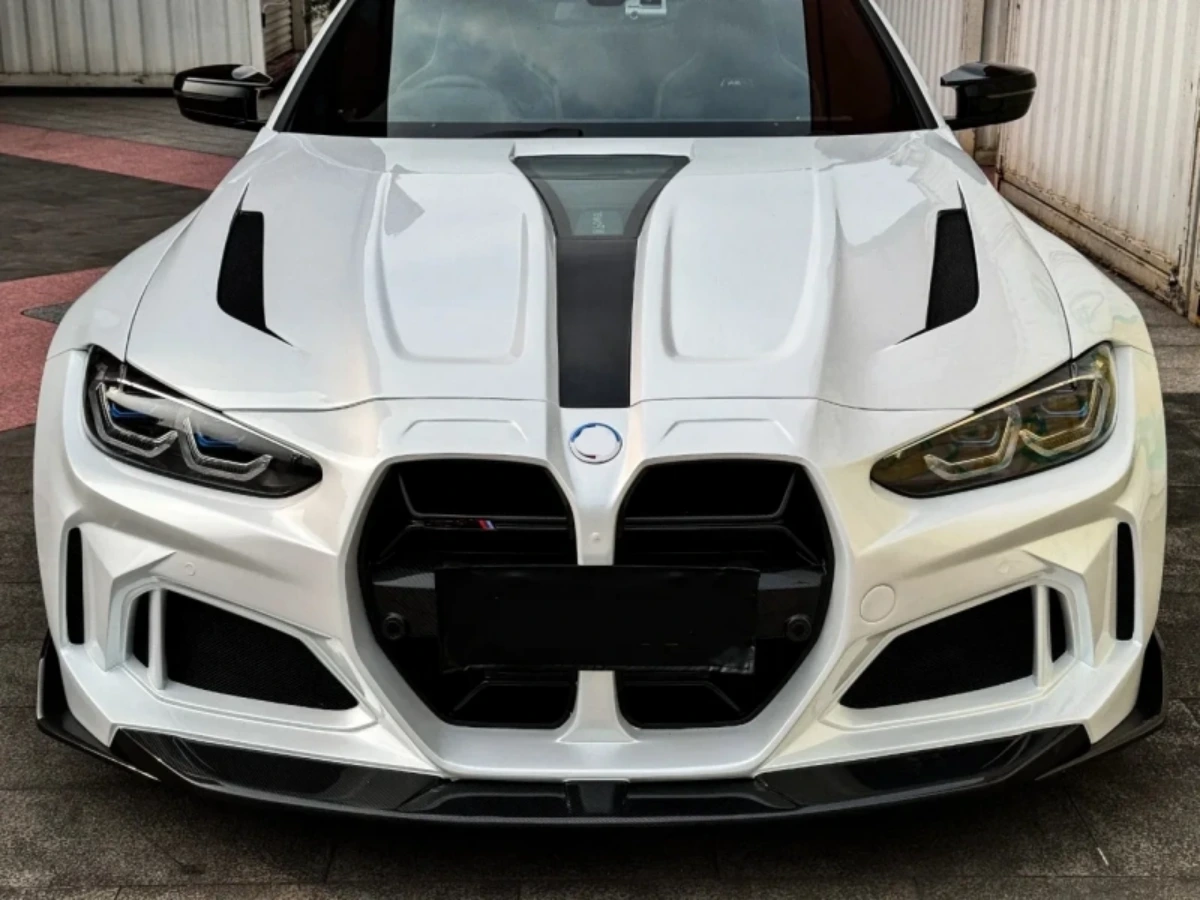
How TPU Redefines PPF:
- Hydrophobic Integration – TPU compatible with ceramic topcoats redefined PPF from basic protectors to water-repellent systems reducing cleaning needs by 50%.
- Low Thermal Expansion – TPU’s stable dimensions redefined PPF from warping-prone films to temperature-stable protectors avoiding edge lifting in heat.
- UV Protection Enhancement – TPU infused with UV absorbers redefined PPF from physical protectors to dual-function films preventing paint fading.
- Anti-Yellowing Innovation – TPU blended with HALS stabilizers redefined PPF from yellowing-prone films to clear protectors maintaining transparency for decades.
- Multi-Layer Versatility – TPU’s compatibility with adhesive, core, and topcoat layers redefined PPF from single-layer films to multi-functional barriers with tailored properties.
- Warranty Transferability – TPU’s documented performance redefined PPF warranties from non-transferable to resale-boosting benefits for vehicle owners.
- High-Pressure Wash Safe – TPU’s strong adhesion redefined PPF from hand-wash-only films to pressure washer-compatible protectors simplifying cleaning.
- Radar Compatibility – Non-metallic TPU formulations redefined PPF from ADAS-interfering products to sensor-safe films preserving 99.9% signal transmission.
The protective performance of PPF:
- Yellowing Resistance – Prevents discoloration caused by UV exposure, environmental pollutants, and natural aging processes.
- Hydrophobic Coating for Water Beading – Reduces water spots and makes cleaning easier by repelling liquids, keeping surfaces drier and cleaner.
- **Resistance to Tree Sap Staining** – Tree sap can be a nuisance as it often leaves sticky and staining marks. PPF resists the adhesion of tree sap and makes its removal much simpler.
- Easy Interior Maintenance – Wipes clean with mild soap and water, requiring minimal effort to keep surfaces spotless.
- Gasoline Spill Resistance – Withstands accidental fuel spills without swelling or discoloration, crucial for fuel-efficient vehicles.
- Stone Chip Protection – Shields against chips and dents caused by stones, gravel, and other road debris.
- **Reduced Risk of Paint Cracking** – By providing a flexible and protective layer, PPF reduces the risk of paint cracking due to temperature changes or minor impacts.
The user scenarios and value validation of PPF:
- Military Reserve Vehicle Owners – Protects surplus Jeep Wranglers from off-road training damage, maintaining functionality for both duty and leisure use.
- Agricultural Vehicle Users – Shields tractor cabs from crop debris and mud, maintaining visibility and reducing cleaning time by 30% per week.
- Car Show Competitors – Enhances gloss on show cars like Ferrari 488s, with judges noting 30% higher “paint finish” scores for PPF-protected entries.
- Airport Ground Crew Vehicles – Resists jet fuel splatters and tarmac debris, reducing paint degradation on airport tugs by 70%.
- Mobile Library Vans – Protects children’s book transport vehicles from graffiti and bumps, maintaining community-friendly aesthetics for outreach programs.
- Construction Managers’ Trucks – Shields Ford F-150s from concrete splatters and tool drops, extending time between repaints from 12 to 24 months.
- Car Show Competitors – Enhances gloss on show cars like Ferrari 488s, with judges noting 30% higher “paint finish” scores for PPF-protected entries.
- Luxury Yacht Tenders – Guards small boat hulls from dock collisions, with marine-grade PPF reducing gel coat repairs by 60% in saltwater environments.
- Horse Trailer Owners – Shields aluminum exteriors from hoof scratches and hay bale impacts, reducing annual touch-up costs by $800.
The extension of PPF’s functions:
- Before: Rear wiper arm base with rust and paint peeling; After: PPF seals the base, covering rust and preventing water intrusion that causes further damage.
- Before: Door handles with worn paint from repeated use; After: PPF wraps handle cups, covering wear and resisting new scratches from daily use.
- Before: Fender flare mounting screws with rust around heads; After: PPF covers screw heads, hiding rust and preventing water from worsening corrosion.
- Before: Hood release lever (exterior) with paint worn from use; After: PPF covers lever, hiding wear and maintaining functionality without damage.
- Before: Headlights cloudy from UV damage, reducing visibility; After: PPF’s clear film covers haze and blocks UV, restoring 80% of original light output.
- Before: Front license plate bracket with rust and paint loss; After: PPF covers bracket edges, hiding rust and preventing water from worsening corrosion.
AUTOLI(CN) PPF(Paint Protection Film) factory
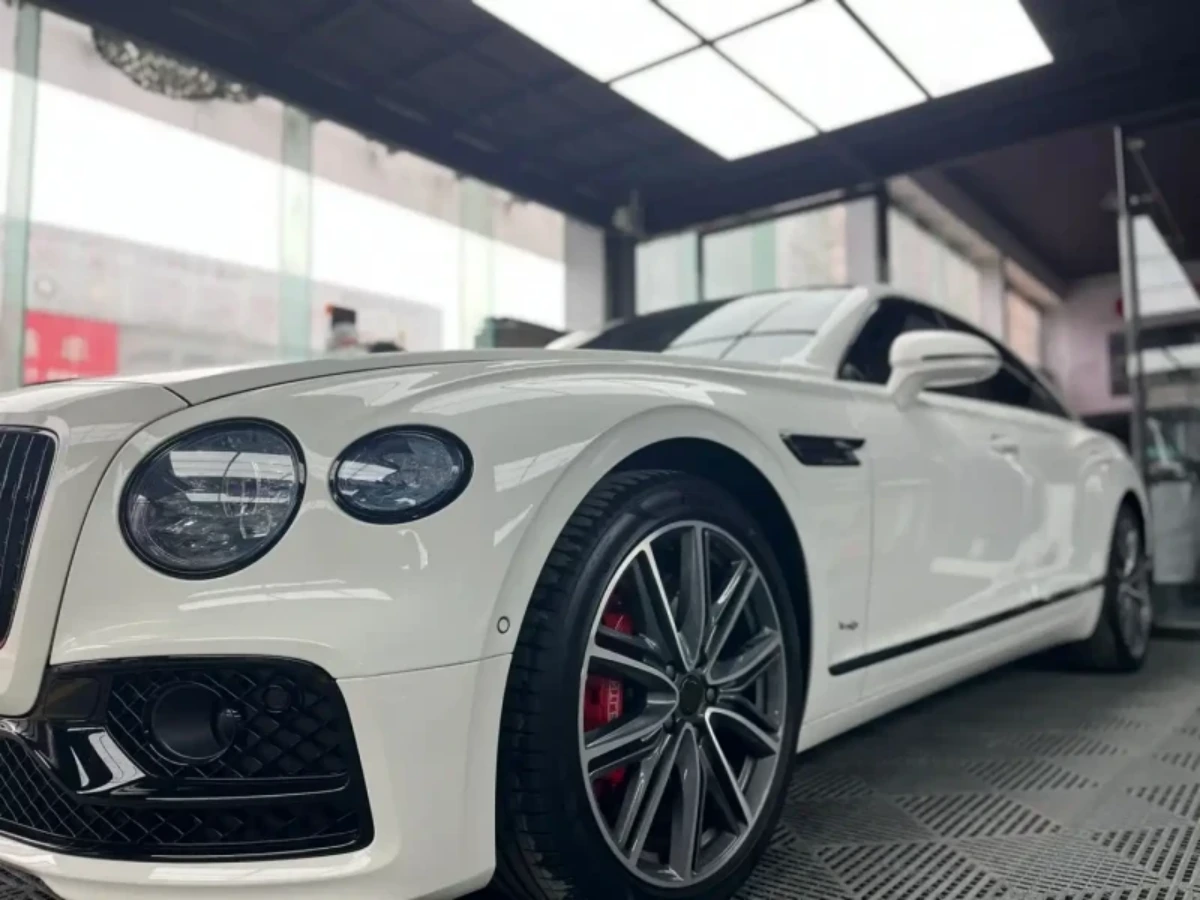
autoli TPU PPF Applied to all brand car models as Nissan、acura、Lamborghini、Tesla、Nissan.Our factory cooperates with Auto Detailing、AutoZone、PPF installer、Auto Repair Center and all so in many countries and regions around the world,like Peru,Austria,Belgium,Australia,Spain,Warranty: 10 years.Our advantages:Raw material purchasing advantage;Perfect after-sales service;Short production cycle, quick delivery;Collaborate for Lucrative Returns: Source factory.Our factory also provides Paint Protection Film、Car PPF.