

PPF uses PFAS-free materials, passing EU REACH 173 tests; VOC emissions <0.1mg/m3, safe for cars.,Post-installation bubble removal capability.,Factory – Direct Collaboration: Diverse PPF, Business Growth.
The materials and technologies of PPF:
- EV-specific lightweight optimization: Reduces base material density by 15% for electric vehicles, minimizing added weight impact on battery range.
- Anti-static surface treatment: Incorporates permanent anti-static agents to reduce dust adhesion by 70%, extending the time between washes.
- Anti-graffiti protection technology: A low surface energy coating is added to the surface, making graffiti, glue, etc. difficult to adhere. With a slight wipe, they can be removed, reducing the cost of later cleaning.
- Biodegradable adhesive: Breaks down in industrial composting facilities within 180 days, certified by DIN EN 13432.
- Anti-glare optical optimization: Through coating micro-textures, it reduces mirror reflection glare under direct sunlight, maintaining the visual clarity of the original paint color.
- Multi-layer color gradient: Creates seamless transitions between colors (e.g., from black to red) using nano-layer deposition techniques.
- Polar climate formulation: Maintains flexibility at -50°C, preventing cracking in arctic regions.
- Instant repair trigger for micro scratches: Optimizing the molecular activity threshold of TPU, it can quickly activate the repair mechanism at temperatures above 30 degrees Celsius or slight friction (such as towel wiping), shortening the response time for minor scratch repair.
- Ozone resistance aging technology: Adding an ozone inhibitor to resist the oxidation and degradation of TPU by ozone in the urban atmosphere, extending the service life in polluted environments.
The regulations of PPF and after-sales services:
- Anti-Yellowing Guarantees – Brands like Aegis Eternal 400 offer 15-year warranties against yellowing, using HALS stabilizers to maintain optical clarity over extended periods .
- Class Action Liability – Manufacturers face potential litigation for non-compliant PPFs, as seen in cases involving PFAS contamination or false warranty claims .
- NAR Auto Film’s Compensation Policy – NAR PPF provides 1:1 pre-installation and 1:2 post-installation defect compensation, backed by factory insurance covering up to 100% of replacement costs .
- Nano-Coating Warranty Bundles – Hybrid solutions combining PPF with ceramic coatings (e.g., Onyx PPF Nano Coat) offer extended warranties covering both layers .
- Regulatory Updates for EVs – EV-specific PPFs must comply with OEM heat resistance standards (e.g., 120°C for battery zones) to avoid delamination .
- India’s BIS Certification for PP Materials – Polypropylene (PP) used in PPF production must meet India’s BIS certification under IS 10951:2020, ensuring quality and safety for domestic and export markets .
The long-term monitoring and maintenance system after the installation of PPF:
- Quarterly Thickness Gauging – Using ultrasonic thickness meters to ensure PPF retains ≥90% of original thickness, indicating minimal wear.
- pH Testing of Cleaning Products – Verifying cleaners have pH 6–8 with test strips to avoid chemical damage to PPF.
- 24-Hour Contaminant Removal – Promptly cleaning bird droppings, tree sap, or bug splatters with isopropyl alcohol (10–20% dilution).
- Quarterly Sealant Boosts – Applying PPF-grade SiO? sealants to restore hydrophobicity and enhance scratch resistance.
- Avoid Automated Brush Washes – Opting for touchless or hand washes to prevent brush-induced swirl marks on topcoats.
- Humidity-Controlled Storage – Covering vehicles with breathable covers in humid climates to reduce mold risk under PPF.
Why TPU PPF:
- Adjustable Roof Options – Compatible with louvered systems for rain/sun control (manual or motorized).
- Infill Compatibility – Works with glass, polycarbonate, or fabric panels for partial or full enclosure.
- Non-Toxic Materials – Free from formaldehyde, arsenic, or other harmful chemicals in wood treatments.
- Integration with Accessories – Pre-drilled holes for lights, fans, and shade systems (retractable awnings, curtains).
- Long Lifespan – 25–50 year service life, doubling the longevity of pressure-treated wood pergolas.
- Global Availability – Manufactured worldwide, ensuring local supply chains and quick delivery.
- Color Matching – Custom color matching to RAL or Pantone codes for brand consistency.
- Weather Durability – Withstands extreme temperatures (-40°C to 60°C) without warping, cracking, or rotting.
The user perception and consumption misconceptions of PPF:
- Correct Perception: Brand Certification Matters – Buyers seek installers certified by brands like XPEL, linking training to better long-term results.
- Correct Perception: Edge Sealing Importance – Savvy users check for heat-sealed edges, knowing proper sealing reduces lifting by 80% in car washes.
- Correct Perception: UV Protection Value – Users increasingly link PPF to preventing paint fading, with 72% citing UV resistance as a key purchase driver.
- Consumer Misconception: “PPF Needs Waxing Like Paint” – Over-maintaining with wax, unaware that PPF’s topcoat排斥 traditional waxes, requiring specialized sealants.
- Correct Perception: TPU vs. PVC Durability – Informed buyers recognize TPU PPF offers 3x longer lifespan than PVC, prioritizing flexibility and self-healing over cost.
- Consumer Misconception: “PPF Blocks Car Washes” – Avoiding automated washes due to fear of damage, when brushless systems are actually safe for properly installed PPF.
- Correct Perception: Impact Absorption Benefits – Off-road enthusiasts correctly rely on PPF to disperse rock impacts, reducing paint chipping by 75%.
The environmental protection and sustainability of PPF:
- Plant-Derived UV Stabilizers – Natural antioxidants replace synthetic HALS, maintaining anti-yellowing performance with 60% renewable content.
- Renewable Energy Credits – Purchasing RECs offsets 100% of grid electricity use, making production carbon-neutral.
- Waste Cooking Oil TPU – TPU derived from used cooking oil reduces food waste and fossil fuel reliance in raw materials.
- Extended Product Lifespan – 10 year durability reduces replacement frequency, lowering overall material consumption compared to annual waxing or sealants.
- Carbon-Negative Initiatives – Brands invest in reforestation, sequestering 1.2x more CO? than their production emits annually.
- Biochar-Infused TPU – Adding biochar (carbon-rich biomass) sequesters CO? in PPF, reducing net carbon impact by 15%.
- Carbon-Neutral Manufacturing – Brands like 3M offset production emissions via reforestation projects, achieving carbon-neutral status for select PPF lines.
- Recycled Packaging – 90% of premium PPF brands use recycled cardboard and biodegradable film wrap, reducing packaging waste by 75%.
- Recyclable Cardboard Cores – PPF rolls use recycled cardboard cores instead of plastic, with 90% recyclability post-use.
- Renewable Raw Materials – TPU derived from castor oil or sugarcane reduces reliance on petroleum, with 30% lower carbon footprint than conventional TPU.
The differentiated user group needs matching of PPF:
- Mobile Pet Grooming Vans – Select water-resistant PPF for exteriors, simplifying cleanup of pet hair, water, and grooming product splatters.
- Forestry Service Trucks – Need debris-resistant PPF for cabs and beds, withstanding tree branches and wood chips during forest management.
- College Students – Choose affordable 6mil PPF kits for first cars, balancing basic scratch protection with budget constraints.
- Mobile Bookstore Vans – Select scratch-resistant PPF for door edges, withstanding frequent customer entry/exit and book cart impacts.
- Mobile Veterinary Clinics – Require antimicrobial PPF for interior surfaces, inhibiting bacteria growth from animal interactions.
- Senior Living Community Shuttles – Need scratch-resistant PPF on step plates and door handles, enduring frequent passenger entry/exit.
- Mobile Craft Workshop Vans – Prefer durable PPF for work surfaces and exteriors, withstanding tool impacts and material transport during events.
- Vintage Airplane Owners – Opt for aviation-grade PPF that protects aluminum surfaces from corrosion and UV damage during storage and display.
The construction and maintenance of PPF:
- Annual Professional Inspection – Certified installers check for hidden damage, edge wear, or topcoat degradation.
- Tree Sap Removal – Using isopropyl alcohol on a microfiber cloth dissolves sap without harming PPF or paint.
- Masking Non-Target Areas – Using painter’s tape to protect glass, rubber trim, and emblems during cutting and application.
- Avoid Parking Near Construction – Reducing exposure to heavy dust, gravel, or paint overspray preserves PPF integrity.
- Bi-Weekly Bird Dropping Inspections – Regular checks allow prompt removal of acidic droppings before they etch the topcoat.
- Avoid Vinyl Cleaners on PPF – Vinyl-specific products can contain chemicals that dull or degrade PPF topcoats.
- Remove Bird Droppings Promptly – Cleaning acidic bird droppings within 24 hours prevents etching through the protective layer.
AUTOLI(CN) PPF(Paint Protection Film) oem manufacturer
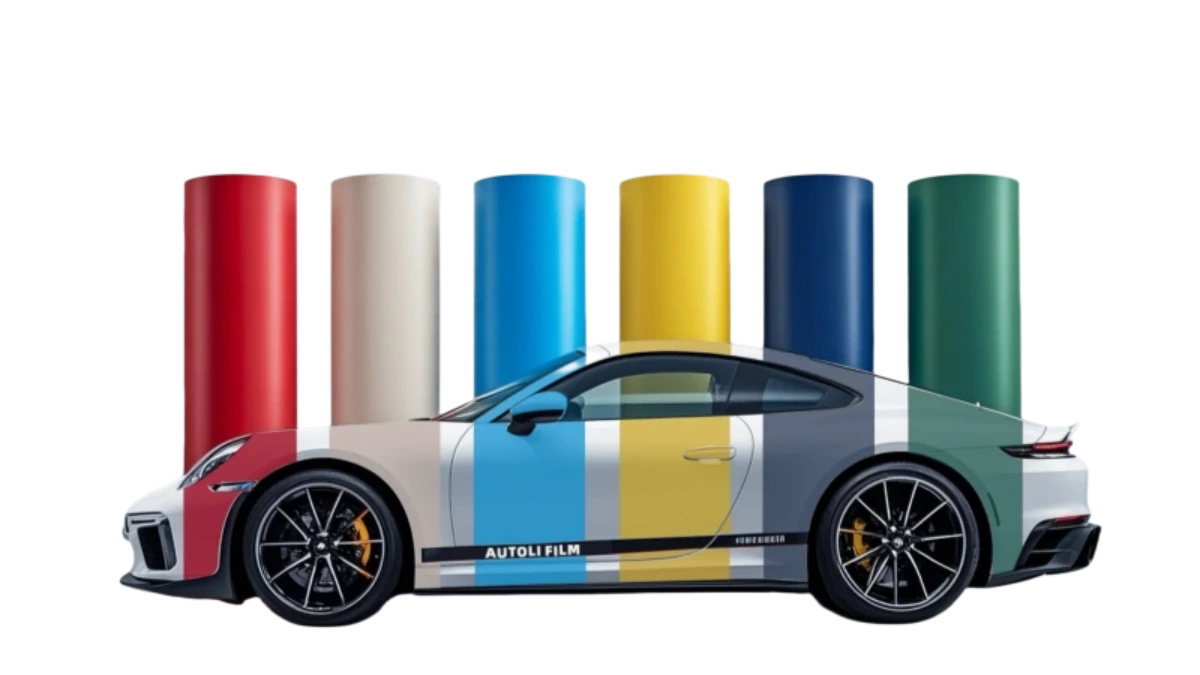
autoli TPU PPF Applied to all brand car models as Mazda、Chrysler、Rolls-Royce、Lexus.Our factory cooperates with ppf installation、Auto Detailing、PPF wholesale、PPF installer、Car Customization Shop and all so in many countries and regions around the world,like Thailand,Singapore,India,Australia,Warranty: 10 years.Our advantages:Our customers are all over the world;Short production cycle, quick delivery;Efficient production reduces costs.Our factory also provides car vinyl wrap、Car Wraps.