

PPF’s lightweight nature doesn’t affect car aerodynamics, maintaining performance on sports and luxury vehicles.,Transparent, no color distortion on paint.,Our Factory’s PPF: Your Ticket to Unprecedented Profit Bonanzas.
The user pain points of PPF and their solutions:
- Scratches from Automated Car Washes – Prevented by scratch-resistant topcoats (9H hardness) and “brushless wash safe” certifications.
- Difficulty Removing Old PPF – Simplified with low-tack, residue-free adhesives and professional heat-assisted removal services.
- Mold Growth in Humid Climates – Prevented by antimicrobial additives and breathable film designs allowing moisture evaporation.
- High Heat Damage (EV Batteries) – Solved by heat-resistant PPF (120°C ) with thermal conductivity for battery zone protection.
- Complex Warranty Transfers – Simplified via blockchain-based systems enabling easy ownership transfers with digital validation.
The product classification and selection logic of PPF:
- Brand Reputation Consideration – Opting for established brands with proven track records over generic alternatives for reliability.
- Maintenance Capacity Matching – Opting for low-maintenance self-healing PPF for owners unable to perform frequent detailing.
- Ease of Inspection – Choosing PPF with UV-reactive edges for easier professional inspection of coverage.
- Specialty Surface Matching – Using chrome-specific PPF to prevent pitting and tarnishing on metallic trim.
- Collision Repair Compatibility – Opting for easily removable PPF to simplify body shop repairs after accidents.
- Finish Sensitivity Matching – Using matte-specific PPF to prevent gloss distortion on specialty paint jobs.
- UV Index Alignment – Upgrading to high-UV protection PPF for equatorial regions with intense sunlight.
- Function-Centric Categories – Segmented into self-healing, UV-resistant, anti-yellowing, and hydrophobic variants based on core benefits.
- Vibration Resistance Selection – Opting for flexible PPF with high elongation for motorcycles or off-road vehicles with frequent vibrations.
The market trends and industry changes of PPF:
- Water-Based Adhesive Adoption – PPF manufacturers are shifting to water-based adhesives, reducing VOC emissions by 60% to meet EU and California air quality regulations.
- Anti-Microbial PPF Growth – Post-pandemic, 15% of interior PPF includes silver-ion coatings, inhibiting 99% of bacteria on high-touch surfaces like door handles.
- Maintenance App Ecosystems – Brands like XPEL offer apps with PPF care reminders and digital warranty tracking, boosting customer retention by 28%.
- Rise of Mobile Installation Services – On-demand PPF installation units equipped with portable dust-free booths are gaining traction, targeting busy urban consumers who prefer doorstep service.
- Competitive Pricing Pressures – Market saturation in North America and Europe is driving price reductions, with entry-level PPF options now 20% cheaper than premium products, appealing to cost-conscious consumers.
- Aftermarket Warranty Innovations – Lifetime warranties on select PPF products (e.g., Aegis Eternal 400) are becoming standard, reflecting manufacturer confidence in material durability and performance.
- Data-Driven Marketing Strategies – Brands are using AI analytics to identify regional demand patterns, tailoring product launches (e.g., anti-yellowing films for high-sun areas) to specific markets.
- Rapid Growth of High-End PPF Market – The high-end PPF market is projected to reach $4.2 billion by 2033 at an 8% CAGR, driven by luxury vehicle ownership and demand for advanced protection features like self-healing technology.
- Southeast Asia Market Surge**- Indonesia and Vietnam’s PPF markets are growing at 11% CAGR, driven by rising middle-class car ownership and demand for affordable protection packages.
- Shift Toward Touchless Installations – Automated robotic systems are being adopted in high-volume shops to minimize human error, particularly in edge trimming and heat-sealing processes.
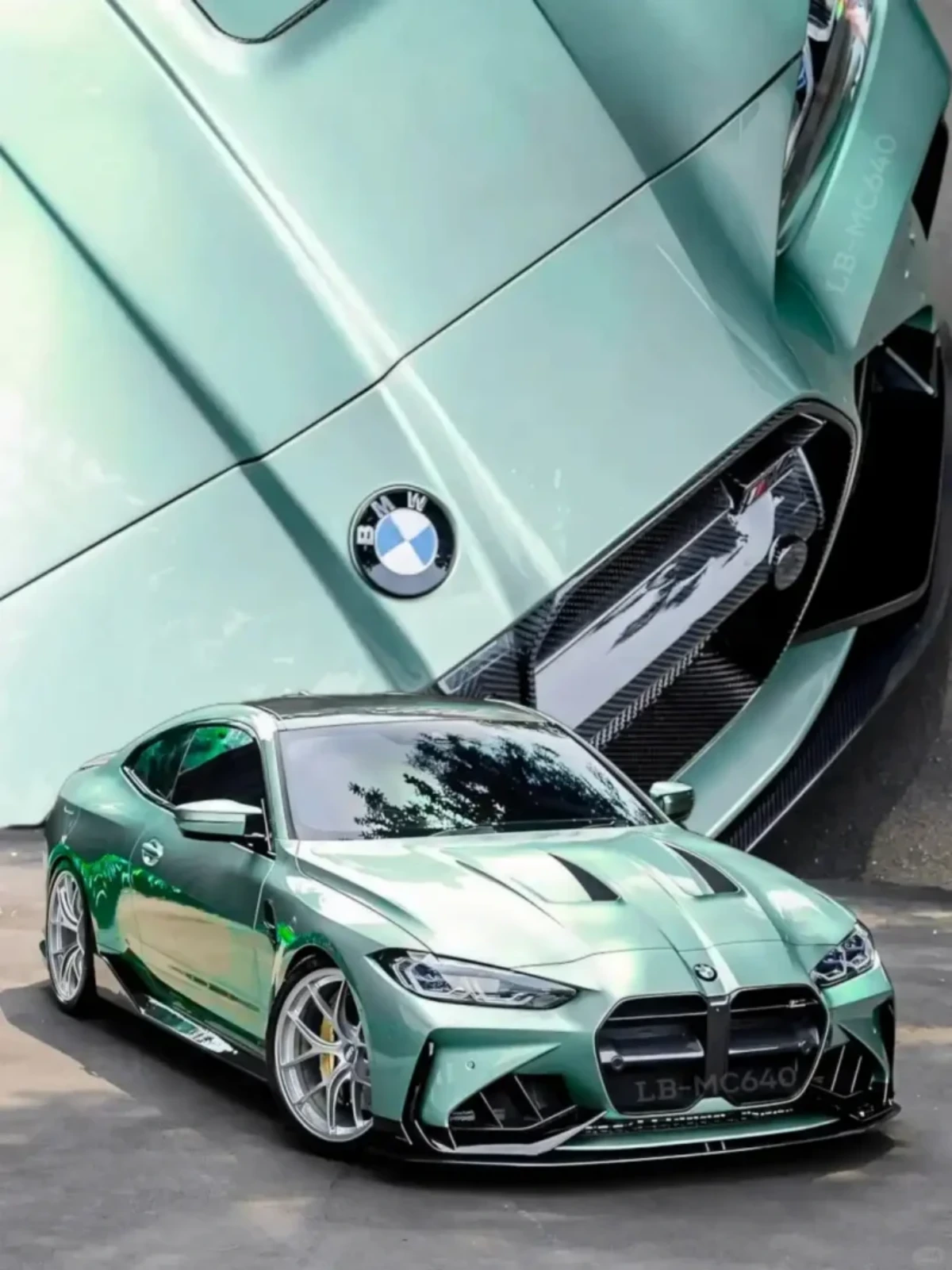
The extension of PPF’s functions:
- Before: Rear wiper blade pivot point with rust; After: PPF seals the pivot, covering rust and preventing water from accelerating corrosion.
- Before: Hood prop rod mounting point with paint worn from contact; After: PPF covers mounting area, hiding wear and reducing friction damage from prop rod.
- Before: Running boards with worn paint from foot traffic; After: PPF’s durable layer covers wear and resists scuffs from shoes and boots.
- Before: Wheel valve stem caps with faded color; After: PPF covers caps, preserving color and resisting scratches from tire pressure checks.
- Before: Tailgate latch area with paint worn from opening/closing; After: PPF covers latch perimeter, hiding wear and reducing friction-related damage.
- Before: Door window weatherstripping with paint worn where it contacts glass; After: PPF lines contact areas, hiding wear and reducing friction damage.
- Before: Faded red paint with uneven color from UV exposure; After: UV-blocking PPF revives depth and uniformity, making the color pop like fresh factory paint.
- Before: Under-hood battery terminals with corrosion staining nearby; After: PPF covers surrounding area, hiding stains and protecting against acid damage.
- Before: Rear tail light wiring harness entry points with paint peeling; After: PPF seals entry points, hiding peeling and preventing water damage to wiring.
The horizontal comparison of PPF with other protection methods:
- PPF vs. Silicone Spray – Silicone spray repels water temporarily but attracts dust, unlike PPF’s long-lasting hydrophobicity that resists dirt buildup.
- PPF vs. Ceramic Waxes – Ceramic waxes boost hydrophobicity for 6–12 months but lack impact protection, whereas PPF combines water repellency with scratch resistance.
- PPF vs. Glass Coatings – Glass coatings excel on windows for clarity but don’t protect paint, whereas PPF is engineered specifically for automotive painted surfaces.
- PPF vs. Teflon Coatings – Teflon coatings reduce friction but lack self-healing, unlike PPF which repairs micro-scratches and resists abrasion better in high-wear areas.
- PPF vs. Rust Inhibitors – Inhibitors slow metal corrosion but don’t protect paint, whereas PPF acts as a moisture barrier preserving both paint and underlying metal.
- PPF vs. Lacquer Sealants – Lacquer sealants provide a glossy finish but yellow quickly under UV, while PPF’s anti-yellowing formulas maintain clarity for a decade.
- PPF vs. Rust Proofing Treatments – PPF shields exterior paint from corrosion triggers (salt/sand), while rust proofing targets metal undercarriages, with complementary roles in full protection.
- PPF vs. Chrome Plating Protection – Chrome sealants resist tarnishing, while PPF adds scratch resistance to chrome trims, with PPF better handling physical abrasion.
- PPF vs. Vinyl Protectants – Vinyl protectants prevent cracking in vinyl wraps but don’t shield against impacts, unlike PPF which adds scratch resistance to wrapped surfaces.
The user scenarios and value validation of PPF:
- EV Owners – Protects Tesla and Rivian battery hoods from stone chips, maintaining thermal efficiency and avoiding warranty-related paint damage claims.
- Construction Managers’ Trucks – Shields Ford F-150s from concrete splatters and tool drops, extending time between repaints from 12 to 24 months.
- Agricultural Vehicle Users – Shields tractor cabs from crop debris and mud, maintaining visibility and reducing cleaning time by 30% per week.
- Performance Car Drivers – Shields Porsche GT3 and BMW M4 hoods from brake dust and tire debris during track days, reducing post-event detailing time by 2 hours.
- Senior Drivers – Reduces anxiety about minor parking mishaps, with PPF hiding 90% of small dents and scratches from low-speed impacts.
- Performance Car Drivers – Shields Porsche GT3 and BMW M4 hoods from brake dust and tire debris during track days, reducing post-event detailing time by 2 hours.
The materials and technologies of PPF:
- Low-temperature shaping flexible technology: Through optimizing the molecular structure of the substrate, it enables curved surface shaping at temperatures ranging from 0 to 15 degrees Celsius, suitable for complex arc-shaped bodywork construction, and reducing stress damage caused by heating contraction.
- Fire-resistant coating: Passes UL94 V-0 certification with flame spread rate <10mm/min, meeting automotive safety standards.
- Extreme temperature stability technology: The material has undergone high and low temperature cycling tests and remains non-shrinking and non-cracking in environments ranging from -40°C to 80°C, adapting to various climates.
- Dynamic impact dispersion technology: Integrates micro-elastic buffers within the TPU matrix to分散 and absorb impact energy from high-speed debris, reducing paint indentation risk by over 60%.
- Self-repair technology: TPU molecules have memory properties, allowing for the automatic repair of minor scratches through environmental temperature or slight pressure, maintaining surface integrity.
- Marine-grade corrosion resistance: Passes 5,000-hour salt spray testing (ASTM B117), protecting vehicles in coastal and winter road salt environments.
AUTOLI(CN) PPF(Paint Protection Film) oem factory
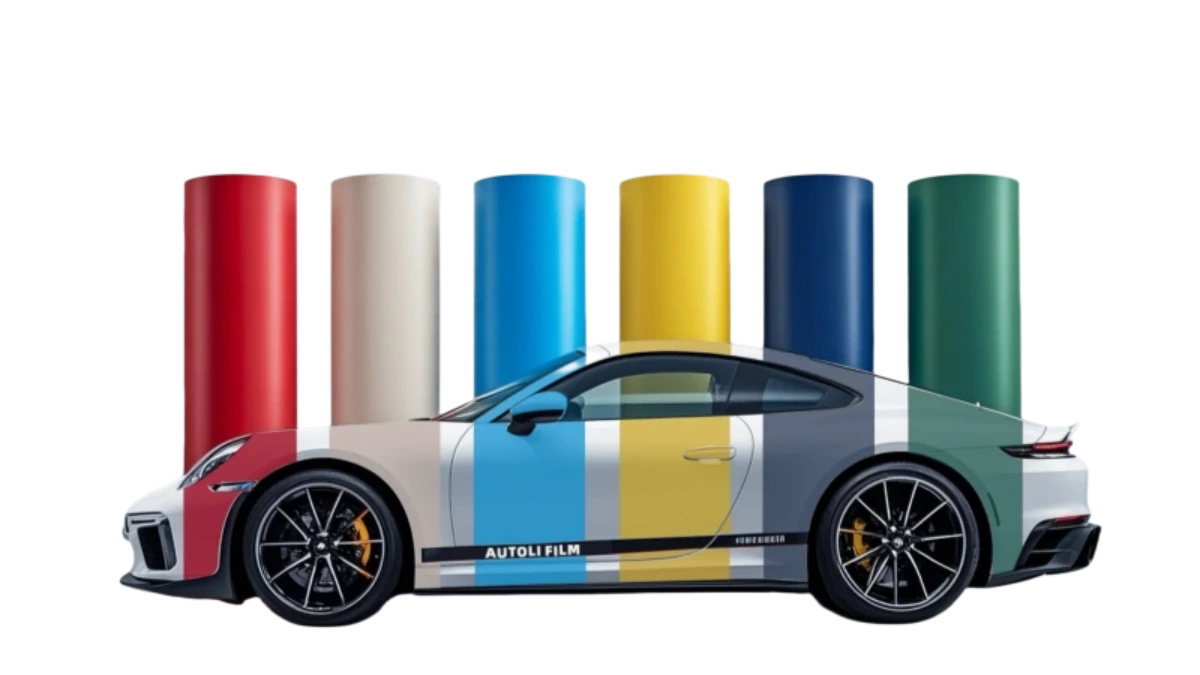
autoli TPU PPF Applied to all brand car models as Toyota、Cadillac、jeep、Infiniti、byd、Porsche.Our factory cooperates with PPF distributor、PPF trading、car Detail and all so in many countries and regions around the world,like Switzerland,USA,Colombia,Madagascar,Warranty: 10 years.Our advantages:High quality raw materials and advanced technology;Collaborate for Lucrative Returns: Source factory;SGS, ASTM, REACH, UL and other certifications;Your Key to Profitable PPF Ventures;Short production cycle, quick delivery.Our factory also provides vinyl car wrapping、Windshield Protection Film、car vinyl wrap.