

PPF with ceramic particles cuts interior temp by 5-8℃, lowering AC load by 15% and improving energy efficiency for EVs.,Prevents clear coat etching from acidic substances.,Join Forces: Factory – Supplied PPF, Driving Your Profit Engine.
The product classification and selection logic of PPF:
- Multi-Surface Compatibility – Selecting PPF safe for paint, plastic, and chrome to enable full-vehicle protection with one product.
- User Skill Level Matching – Choosing beginner-friendly PPF with forgiving adhesives for first-time DIY installers.
- Maintenance Product Compatibility – Selecting PPF compatible with existing detailing products to avoid chemical damage.
- Large Surface Coverage – Selecting wide-width rolls for RVs or commercial vehicles to minimize seam visibility.
- Installation Tool Compatibility – Choosing PPF optimized for specific tools (squeegees, heat guns) used by installers.
- Damage Risk Evaluation – Upgrading to impact-resistant PPF for off-road vehicles or high-debris work environments.
- Material-Based Classification – Products categorized as TPU, PET, or PVC PPF based on base polymer, dictating flexibility, durability, and cost.
- Function-Centric Categories – Segmented into self-healing, UV-resistant, anti-yellowing, and hydrophobic variants based on core benefits.
- Weight Sensitivity Logic – Opting for lightweight 6–8mil PPF for performance vehicles to minimize weight gain.
TPU PPF VS PET PPF:
- Repair Potential – TPU PPF allows spot patching of damaged areas, while PET PPF requires full panel replacement for localized damage.
- Thermal Cycling Performance – TPU PPF survives 500 freeze-thaw cycles, while PET PPF shows cracking after 200 cycles.
- Global Compliance – TPU PPF meets REACH, FDA, and CARB standards, while some PET PPF formulations exceed VOC limits in strict regions.
- Brand Availability – 80% of premium PPF brands use TPU, while PET PPF is primarily offered by budget or generic manufacturers.
- Cold-Weather Flexibility – TPU PPF remains flexible at -30°C, while PET PPF cracks when bent at -10°C.
- Thermal Expansion Coefficient – TPU PPF’s low expansion reduces edge lifting in heat, while PET PPF’s higher expansion causes 2x more seasonal lifting.
- Edge Sealing Options – TPU PPF accepts heat sealing for permanent edges, while PET PPF requires adhesive sealants that degrade faster.
- Self-Healing Capability – TPU PPF repairs 3μm scratches via heat activation, whereas PET PPF lacks self-healing, requiring replacement for even minor damage.
- Abrasion Recovery – TPU PPF’s topcoat recovers from light abrasion, while PET PPF’s surface damage is permanent.
The protective performance of PPF:
- **Preservation of Resale Value** – A vehicle with well – protected paint due to PPF is likely to have a higher resale value as the paint remains in better condition compared to non – protected vehicles.
- Ceramic Coating Compatibility – Optional ceramic layers enhance hydrophobicity and chemical resistance without compromising self-healing.
- Road Tar Stain Resistance – Hydrophobic topcoats repel sticky road tar, allowing easy removal with mild solvents.
- High-Temperature Resistance – Resists blistering or peeling under prolonged engine heat (up to 120°C), ideal for turbocharged vehicles.
- Transferable Warranty – Enhances resale appeal by extending coverage to subsequent owners, adding value.
- Hydrophobic Coating – Repels water, dirt, and contaminants, making the surface easy to clean and maintain.
The environmental protection and sustainability of PPF:
- LEED-Certified Factories – Manufacturing plants with LEED Platinum certification minimize energy, water, and waste impacts.
- Bio-Based TPU Formulations – Plant-derived thermoplastic polyurethane reduces reliance on fossil fuels, with 50% renewable content in eco-certified PPF products.
- Mycelium Packaging Inserts – Mushroom-based packaging protects PPF during shipping, decomposing in 45 days without chemicals.
- Recyclable Cardboard Cores – PPF rolls use recycled cardboard cores instead of plastic, with 90% recyclability post-use.
- Auto Recycler Partnerships – Programs with auto recyclers ensure 85% of end-of-life PPF is collected for recycling, not landfilled.
- Carbon-Offset Shipping – Manufacturers offset delivery emissions via carbon credits, achieving net-zero transportation for EU and NA markets.
The construction and maintenance of PPF:
- Bubble Removal – Puncturing large bubbles with a needle and re-squeegeeing ensures a flawless finish during installation.
- Adhesive Activation Heat Range – Applying 65–75°C heat to edges activates adhesives without damaging the PPF’s topcoat.
- Non-Acidic Wheel Cleaner Use – Acid-free wheel cleaners prevent overspray damage to adjacent PPF panels.
- Emblem Masking with Low-Tack Tape – Removable tape protects badges from accidental cutting or adhesive residue during installation.
- Low-Temperature Cleaning – Using warm (not hot) water in winter prevents thermal shock to the PPF and adhesives.
- Edge Sealing – Heat-sealing edges with a microfiber cloth prevents moisture ingress and future lifting in car washes.
- Wet Application Method – Spraying a soapy water solution between the film and surface allows repositioning before final adhesion.
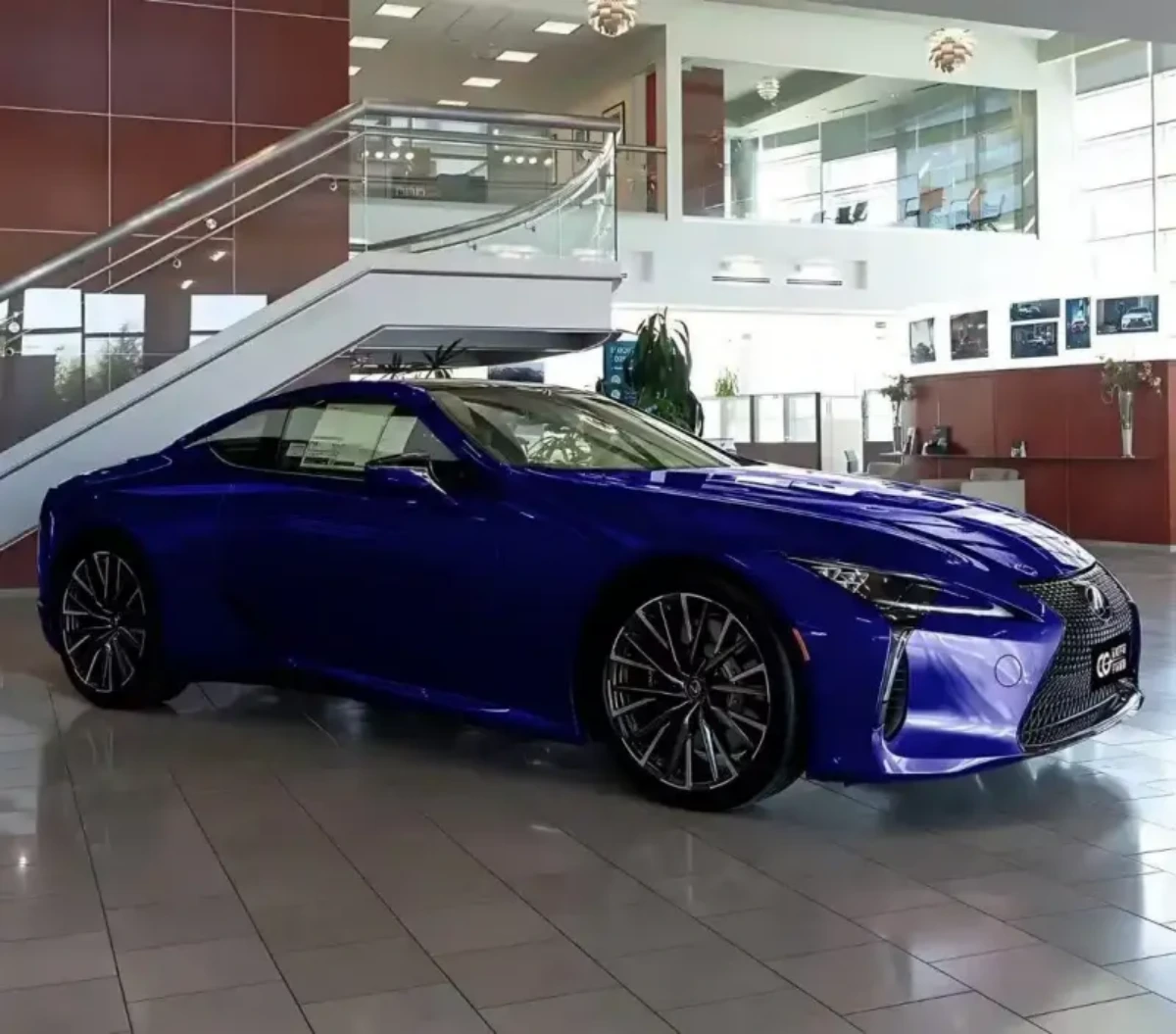
Why TPU PPF:
- Professional Installation Speed – Contractors can complete most installations in a single day.
- Space Optimization – Open rafter designs maximize usable space without visual clutter.
- Easy Assembly – Bolt-together systems enable DIY installation in 1–2 days with basic tools.
- Sanitary Properties – Smooth surfaces are easy to clean, ideal for food service outdoor areas.
- Insurance Benefits – May lower premiums in fire-prone areas due to non-combustible materials.
Say Goodbye to Car Scratches: Self-Healing PPF Revealed!:
- Off-road enthusiasts enjoy scratch repair from trail debris, maintaining vehicle appearance without limiting adventure.
- Unlike temporary fillers, self-healing repairs strengthen the film, maintaining its protective barrier against future damage.
- Self-healing efficiency is highest for thinner scratches, making it ideal for preventing “spider web” swirl marks.
- Newer self-healing formulations repair deeper scratches (up to 5μm), expanding their damage-reversal capabilities.
- Scratches from tree sap or bug splatter removal heal, ensuring necessary cleaning doesn’t leave permanent marks.
- Final benefit: Self-healing PPF transforms car care by turning scratches into non-events, letting you enjoy your vehicle without worry.
- Desert sand scratches heal, protecting paint in harsh, windy environments with abrasive particles.
- Scratches from parking sensors or automatic door closers heal, maintaining a clean look on tech-integrated cars.
- Matte finish owners get scratch repair that preserves texture, avoiding glossy spots from traditional polishing.
- Heat from drive-through tunnels or heated garages triggers healing, making repairs effortless during daily routines.
Before & After: How PPF Transforms a 10-Year-Old Car:
- Before: Running boards with worn paint from foot traffic; After: PPF’s durable layer covers wear and resists scuffs from shoes and boots.
- Before: Roof rails with scratched paint from roof rack use; After: PPF covers rail surfaces, hiding scratches and reducing friction from rack installation.
- Before: Front air intake vents with paint chipping on edges; After: PPF covers vent edges, hiding chips and preventing debris from causing further damage.
- Before: Door edge moldings with cracked rubber and exposed paint; After: PPF wraps edges under moldings, hiding exposed areas and preventing water intrusion.
- Before: Chrome trims tarnished and pitted from weathering; After: PPF’s protective layer covers corrosion and maintains shine, restoring reflective quality.
- Before: Tail light housings with scratches from car washes; After: Clear PPF covers scratches and resists brush damage, keeping lenses clear.
- Before: Door panel armrests (exterior) with paint worn from leaning; After: PPF wraps armrests, covering wear and maintaining comfort without damage.
- Final transformation: A 10-year-old car, once showing decades of wear, looks refreshed and protected with PPF, extending its aesthetic life by 5 years.
The differentiated user group needs matching of PPF:
- DIY Enthusiasts – Prefer pre-cut PPF kits with air-release adhesives for bubble-free application without professional tools or training.
- College Students – Choose affordable 6mil PPF kits for first cars, balancing basic scratch protection with budget constraints.
- Senior Driver Assistance Vehicles – Use scratch-resistant PPF on door edges and bumpers, reducing anxiety about minor parking mishaps.
- Racing Team Vehicles – Require fire-resistant PPF (up to 200°C) for engine bays and fenders, withstanding high temperatures during track days.
- Art Car Enthusiasts – Select removable, customizable PPF that protects murals/decals from weathering while allowing design updates without damage.
- Ambulance Fleets – Need chemical-resistant PPF to withstand disinfectant exposure, maintaining markings and paint integrity during emergencies.
- Senior Drivers – Prefer easy-maintenance PPF with hydrophobic properties to reduce washing frequency and hide minor parking mishaps.
AUTOLI(CN) PPF(Paint Protection Film) manufacturer
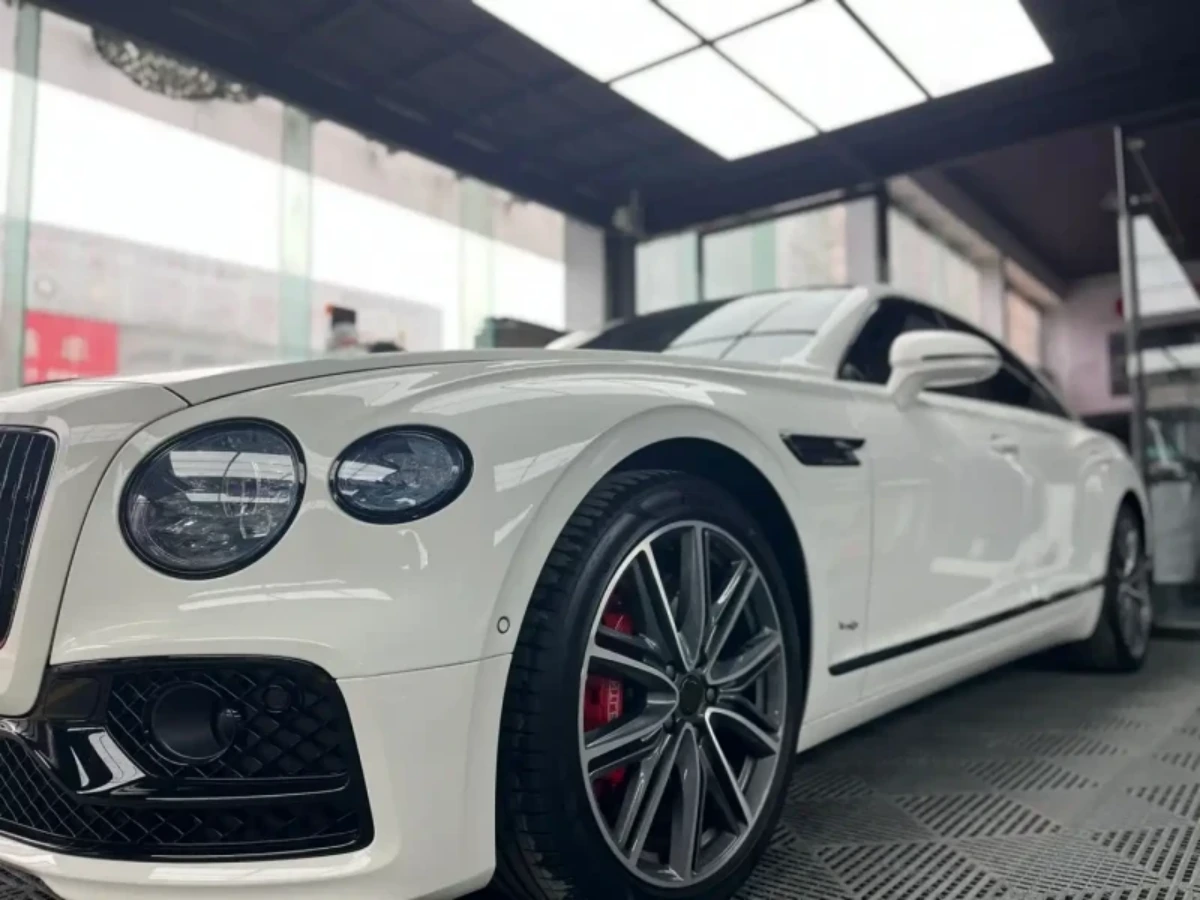
autoli TPU PPF Applied to all brand car models as Benz、Lexus、Jaguar、AstonMartin、volvo.Our factory cooperates with PPF distributor、car Detail、PPF installer、PPF agent and all so in many countries and regions around the world,like Poland,Peru,Japan,Turkey,Warranty: 10 years.Our advantages:Collaborate for Lucrative Returns: Source factory;Your Key to Profitable PPF Ventures;Raw material purchasing advantage;Unlock Business Growth with Our Factory’s PPF;High quality raw materials and advanced technology.Our factory also provides PET FILM、Car Paint Protection Film.