

PPF’s precise cutting avoids blade contact with paint, eliminating swirl marks from traditional hand-cutting methods.,Prevents curb rash on side skirts.,Solve Vehicle Scratch Woes with Our Factory’s PPF.
The extension of PPF’s functions:
- Before: Gas cap door with faded paint from sun exposure; After: PPF’s UV protection covers fading and maintains color consistency with the rest of the car.
- Before: Rear window wiper motor cover with faded paint; After: PPF covers cover, restoring color and protecting against weathering damage.
- Before: A-pillars with tree branch scratches from off-road use; After: PPF’s scratch-resistant topcoat hides marks and protects during future trail adventures.
- Before: Rear bumper step pad with paint worn away; After: PPF adds protective layer, hiding bare spots and resisting future wear from stepping.
- Before: Door panel armrests (exterior) with paint worn from leaning; After: PPF wraps armrests, covering wear and maintaining comfort without damage.
- Before: Chrome trims tarnished and pitted from weathering; After: PPF’s protective layer covers corrosion and maintains shine, restoring reflective quality.
- Before: Side view mirror housings with paint worn from adjusting; After: PPF wraps housings, covering wear and reducing friction during adjustments.
The horizontal comparison of PPF with other protection methods:
- PPF vs. Hydrophobic Sprays – Sprays offer temporary water repellency (2–3 months), while PPF combines hydrophobicity with long-term scratch/impact protection (5 years).
- PPF vs. Paint Correction – Paint correction fixes existing swirls/scratches, while PPF prevents future damage, with PPF often applied post-correction to preserve results.
- PPF vs. Metal Polish – Metal polish restores shine to chrome/alloys but offers no protection, while PPF on metal trims prevents future scratches and tarnishing.
- PPF vs. Nano-Ceramic Sprays – Nano-sprays enhance chemical resistance for 1–2 years but offer no physical defense, whereas PPF adds a protective barrier against impacts.
- PPF vs. Powder Coating – Powder coating provides durable metal protection but is rigid and permanent, unlike PPF’s flexible, removable barrier for painted surfaces.
- PPF vs. Vinyl Wraps – PPF prioritizes paint protection with self-healing properties, while vinyl wraps focus on aesthetic customization, with PPF being more durable against abrasion.
- PPF vs. Liquid Glass Coatings – Liquid glass offers 6–12 months of chemical resistance but lacks physical impact protection, while PPF combines 5 years of scratch defense with self-healing capabilities.
- PPF vs. Chrome Polish – Chrome polish removes tarnish but doesn’t prevent future damage, while PPF on chrome trims resists scratches and maintains shine long-term.
- PPF vs. Truck Bed Liners – Liners protect cargo areas from heavy impacts, while PPF shields exterior panels from road debris, with distinct application zones and purposes.
- PPF vs. Stone Chip Resistant Paint – Factory chip-resistant paint offers minimal defense, while PPF adds a flexible layer that absorbs impacts, reducing chips by 75%.
The user perception and consumption misconceptions of PPF:
- Correct Perception: TPU vs. PVC Durability – Informed buyers recognize TPU PPF offers 3x longer lifespan than PVC, prioritizing flexibility and self-healing over cost.
- Consumer Misconception: “All Warranties Cover Everything” – Misreading warranties to include damage from accidents or improper cleaning, leading to denied claims.
- Consumer Misconception: “PPF Makes Paint Shiny Forever” – Expecting permanent gloss, not realizing topcoat wear requires periodic sealant reapplication to maintain shine.
- Correct Perception: Ceramic Coating Enhances PPF Life – Users layer ceramic coatings over PPF, extending topcoat longevity by 2–3 years.
- Correct Perception: Warranty Transfer Adds Value – Sellers highlight transferable warranties, knowing they boost resale appeal for next owners.
- Consumer Misconception: “Matte PPF Holds More Dirt” – Avoiding matte finishes due to perceived maintenance issues, not realizing their texture repels dust better than gloss.
- Consumer Misconception: “Once Applied, No Maintenance Needed” – A common myth that PPF requires zero upkeep, ignoring the need for pH-neutral cleaning to preserve hydrophobicity.
- Consumer Misconception: “PPF Yellowing Is Inevitable” – Fearing all PPF yellows, unaware that modern anti-yellowing formulas with HALS stabilizers last 10 years clear.
- Correct Perception: PPF Preserves Custom Paint Investments – Owners of $5k custom paint jobs use PPF, avoiding costly touch-ups from minor damage.
Before & After: How PPF Transforms a 10-Year-Old Car:
- Before: Bumper with yellowed clear coat and road rash; After: PPF’s anti-yellowing formula covers discoloration and shields against future road debris damage.
- Before: Wheel well drain holes with rust around openings; After: PPF covers drain edges, hiding rust and preventing water from spreading corrosion.
- Before: Gas cap hinge with rust and paint peeling; After: PPF covers hinge area, hiding rust and preventing moisture from worsening damage.
- Before: Wheel lug nut covers with faded and chipped paint; After: PPF covers covers, preserving color and resisting scratches during tire changes.
- Before: Side vent louvers with paint chipping on edges; After: PPF covers louver edges, hiding chips and preventing debris from catching and causing more damage.
- Before: Step bumper with paint worn thin from loading cargo; After: Heavy-duty PPF adds protective layer, hiding wear and withstanding future use.
- Before: Rear window trim with black paint turning gray; After: PPF’s color-stable film covers faded trim, restoring uniform black appearance.
- Before: Side mirrors with spiderweb cracks from stone impacts; After: PPF application conceals minor cracks and absorbs future impacts, extending mirror life.
- Before: Door latch striker plates with paint worn from contact; After: PPF lines striker areas, hiding wear and reducing friction between metal and paint.
The product classification and selection logic of PPF:
- Thickness Optimization – Selecting 6–8mil for low-risk areas (roofs) vs. 10–12mil for high-impact zones (hoods, bumpers).
- Coverage Scope Classes – Divided into partial (hood/fenders), full vehicle, or component-specific (headlights, trim) coverage options.
- Skill-Level Alignment – Choosing DIY pre-cut kits for experienced users vs. professional installation for complex vehicle contours.
- Saltwater Exposure Protection – Choosing marine-grade PPF for coastal vehicles to resist salt-induced corrosion.
- Micro-Scratch Prevention – Choosing self-healing PPF for owners prioritizing a swirl-free finish between details.
- Anti-Microbial Needs – Choosing silver-ion infused PPF for high-touch interior surfaces in family or commercial vehicles.
The production supply chain and quality control system of PPF:
- Material Innovation Collaboration – Joint R&D with suppliers for next-gen TPU formulations (e.g., bio-based, high-heat resistant).
- Extrusion Process Management – Real-time monitoring of temperature, pressure, and speed to ensure consistent film thickness.
- Technology Partnerships – Collaboration with IoT firms for real-time supply chain visibility tools.
- Water Recycling Systems – Closed-loop water usage in cooling processes, sourced from local utilities with treatment partnerships.
- Calibration Schedules – Regular verification of testing equipment (gages, spectrometers) to ensure measurement accuracy.
- Just-In-Time Inventory – Raw material delivery aligned with production schedules, reducing warehouse costs by 20–30%.
The construction and maintenance of PPF:
- Post-Repair Curing – Allowing 24 hours after minor repairs (e.g., bubble removal) before washing to ensure adhesion.
- Silicone-Free Cleaners – Avoiding silicone-based products prevents glossy residue that attracts dust to PPF surfaces.
- Post-Installation Gassing Period – Allowing 24–48 hours for water evaporation prevents bubbles from forming post-installation.
- PPF-Safe Adhesive Removers – Specialized solvents clean up installation mistakes without damaging the underlying paint.
- Adhesive Activation Heat Range – Applying 65–75°C heat to edges activates adhesives without damaging the PPF’s topcoat.
- Surface Decontamination – Pre-installation cleaning uses clay bars and iron-removing sprays to eliminate embedded contaminants like rail dust.
- Monthly Top-Coat Boost – Applying a PPF-specific sealant enhances hydrophobicity and restores gloss over time.
The differentiated user group needs matching of PPF:
- Farm Equipment Operators – Apply heavy-duty 12mil PPF to tractor hoods and cabs, resisting crop debris, mud, and chemical splatters.
- Desert Off-Road Racers – Require sand-resistant PPF with anti-abrasion topcoats, preventing paint damage from blowing sand during races.
- College Students – Choose affordable 6mil PPF kits for first cars, balancing basic scratch protection with budget constraints.
- Senior Driver Assistance Vehicles – Use scratch-resistant PPF on door edges and bumpers, reducing anxiety about minor parking mishaps.
- Family Car Owners – Seek scratch-resistant (5H ) PPF for door sills and bumpers to withstand child-related impacts, pet claws, and daily wear.
AUTOLI(CN) PPF(Paint Protection Film) factory
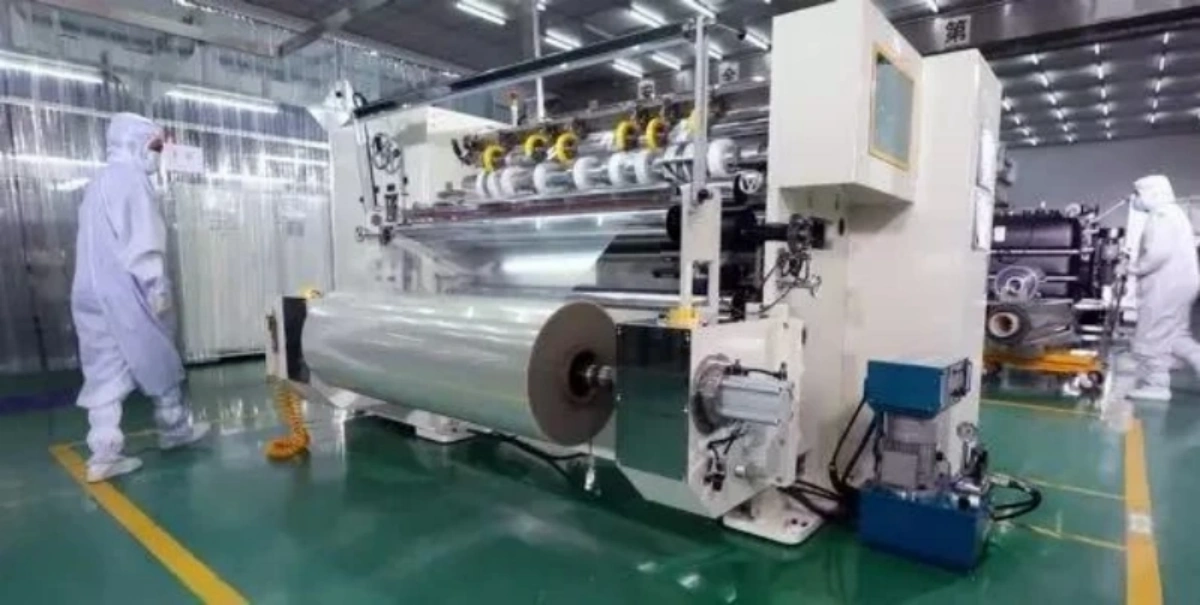
autoli TPU PPF Applied to all brand car models as Audi、Honda、volvo、Rolls-Royce.Our factory cooperates with Auto Detailing Shop、AutoZone、Auto Spa、Auto Repair Center、PPF wholesaler and all so in many countries and regions around the world,like New Zealand,Spain,Cyprus,Philippines,Korea,Warranty: 10 years.Our advantages:High quality raw materials and advanced technology;Collaborate for Lucrative Returns: Source factory;Unlock Business Growth with Our Factory’s PPF;Your Key to Profitable PPF Ventures;Our customers are all over the world.Our factory also provides TPU PPF、vinyl car wrapping.