

PPF’s UV blocking preserves interior materials too, reducing dashboard fading by limiting sunlight penetration.,Lightweight, no impact on fuel efficiency.,Factory Partnership: Quality PPF, Budget – Friendly.
The user scenarios and value validation of PPF:
- Tropical Region Owners – Resists acid rain etching in Bangkok and Rio, with PPF maintaining 90% paint clarity vs. 60% for unprotected vehicles after 2 years.
- Vintage Camper Van Enthusiasts – Preserves 1960s VW Bus paint while camping, with PPF resisting tree sap and rain stains during outdoor trips.
- New Car Buyers – Guards fresh factory paint on brand-new vehicles, with 98% of users avoiding “first scratch” frustration in the first 6 months.
- Car Show Competitors – Enhances gloss on show cars like Ferrari 488s, with judges noting 30% higher “paint finish” scores for PPF-protected entries.
- Construction Managers’ Trucks – Shields Ford F-150s from concrete splatters and tool drops, extending time between repaints from 12 to 24 months.
Say Goodbye to Car Scratches: Self-Healing PPF Revealed!:
- Bike rack or cargo carrier scratches on SUVs heal, preserving paint on vehicles used for outdoor activities.
- Luxury car owners appreciate invisible repairs that maintain prestige, avoiding visible touch-ups on high-end finishes.
- Family cars stay presentable as scratches from children’s toys or pet claws heal quickly, even with daily use.
- Scratches from parking sensors or automatic door closers heal, maintaining a clean look on tech-integrated cars.
- Unlike ceramic coatings that require precise application, self-healing PPF’s forgiving nature includes built-in damage reversal.
- Parking lot dings, shopping cart brushes, and accidental scrapes heal automatically, reducing the need for costly detailing or touch-ups.
- Self-healing PPF reduces light diffraction from micro-scratches, keeping paint looking brighter and more reflective.
- Rental car fleets use self-healing PPF to maintain appearance between rentals, cutting reconditioning costs by 40%.
- Morning scratches from your commute can vanish by afternoon sunlight, keeping your car looking pristine throughout the day.
The cost structure and price composition of PPF:
- Warranty Add-Ons – Extending warranties from 5 to 10 years increases prices by 15–20% with minimal cost increase.
- Partial Coverage Costs – Hood/fender kits at $800–$2,000, with higher per-square-foot pricing than full wraps.
- Damage Waiver Fees – Optional $50–$100 waivers cover minor installation errors, adding 2–3% to revenue.
- Carbon Offset Surcharges – Optional $5–$10 per vehicle for carbon-neutral shipping, adopted by 15–20% of buyers.
- Digital Marketing Efficiency – Social media campaigns reduce customer acquisition costs by 10–15% vs. traditional ads.
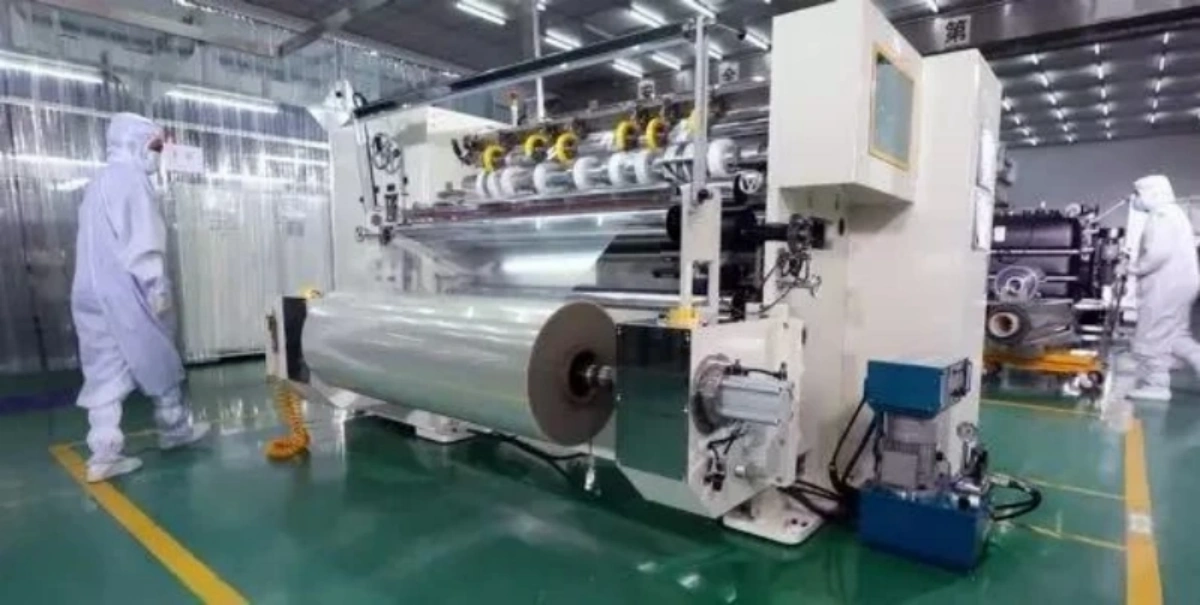
- Production Labor Costs – Skilled operators for extrusion lines contribute 12–18% of total manufacturing expenses.
- Quality Control Expenses – Automated inspection systems add 3–5% to production costs but reduce warranty claims by 40%.
- Anti-Counterfeit Measures – Holographic labels and QR codes add $0.05–$0.10 per square foot to prevent piracy.
- Low-Volume Vehicle Surcharges – Custom cuts for rare models add 20–30% due to template creation costs.
- Matte Finish Premium – Matte-specific PPF costs 15–20% more than gloss due to specialized topcoat formulations.
The product classification and selection logic of PPF:
- Anti-Microbial Needs – Choosing silver-ion infused PPF for high-touch interior surfaces in family or commercial vehicles.
- Public Perception Consideration – Choosing invisible PPF over colored variants for professional or fleet vehicles.
- Color Stability Prioritization – Selecting tinted PPF with fade-resistant pigments for color-enhancing applications.
- Specialty Function Lines – Categorized for ADAS compatibility, fire resistance, or antimicrobial properties for niche needs.
- Warranty Duration Classes – Segmented by warranty terms (1–15 years), reflecting durability and manufacturer confidence in performance.
- Vehicle Age Consideration – Choosing reversible low-tack PPF for classic cars vs. permanent adhesion for modern vehicles.
- Long-Term Storage Consideration – Opting for breathable PPF for vehicles in long-term storage to prevent moisture trapping.
- Chemical Cleaning Tolerance – Choosing PPF resistant to aggressive decontamination products for industrial vehicle use.
- Damage Risk Evaluation – Upgrading to impact-resistant PPF for off-road vehicles or high-debris work environments.
How TPU Redefines PPF:
- Temperature Tolerance – TPU’s -40°C to 80°C stability redefined PPF from climate-limited products to all-weather solutions for extreme hot and cold regions.
- Lightweight Advantage – TPU’s low density redefined PPF from heavy covers to fuel-efficient options reducing vehicle weight by 1–2kg vs. PVC alternatives.
- Weather Adaptability – TPU’s resistance to rain, snow, and sand redefined PPF from climate-specific products to global solutions for diverse environments.
- Industrial Versatility – Heavy-duty TPU redefined PPF from automotive-only products to industrial solutions for machinery, boats, and aerospace equipment.
- Aesthetic Enhancement – High-gloss TPU topcoats redefined PPF from invisible protectors to shine-boosting films increasing paint gloss by 20%.
- Heritage Preservation – TPU’s reversible application redefined PPF from damaging products to safe protectors for classic car original paint during shows and storage.
- Durability Redefined – TPU’s resistance to UV, chemicals, and impact extended PPF lifespans from 1–2 years to 5–10 years, redefining long-term protection.
- Disaster Recovery – TPU’s protection during storms redefined PPF from daily-use products to emergency preparedness tools reducing post-storm repair costs.
- Cost Predictability – TPU’s stable pricing redefined PPF from lumber-market-dependent products to cost-consistent options vs. wood or PVC alternatives.
The user pain points of PPF and their solutions:
- Salt Corrosion in Coastal Areas – Mitigated by anti-corrosion additives and salt-resistant adhesives reducing rust under film.
- Expensive Repairs for Damage – Reduced via self-healing technology (repairs 3μm scratches with heat) and patchable film sections.
- Poor Hydrophobicity Over Time – Restored by SiO? sealant boosters, reviving water repellency every 3–6 months.
- ADAS Sensor Interference – Prevented by radar-transparent PPF (99.9% signal transmission) tested with OEM systems.
- Complex Maintenance – Simplified via pH-neutral cleaning kits, hydrophobic topcoats, and quarterly sealant boosters.
- Confusion About Maintenance Products – Solved by brand-specific cleaning kits and “approved products” lists to avoid topcoat damage.
The materials and technologies of PPF:
- High-humidity stability: Incorporates water-resistant crosslinkers to prevent delamination in tropical climates.
- Self-healing quantum dot coating: Uses photoluminescent particles to repair micro-scratches within 10 minutes under sunlight.
- Low-VOCs production certification: Meets global eco-standards like GREENGUARD Gold, ensuring volatile organic compound emissions below 50μg/m3 during manufacturing.
- Medical-grade anti-microbial film: Meets ISO 22196 standards for bacterial reduction, suitable for ambulance and healthcare vehicles.
- Anti-glare optical optimization: Through coating micro-textures, it reduces mirror reflection glare under direct sunlight, maintaining the visual clarity of the original paint color.
- Warm water activation adhesive: Enables repositioning for up to 24 hours post-installation using only water, reducing reliance on chemicals.
The production supply chain and quality control system of PPF:
- Technology Partnerships – Collaboration with IoT firms for real-time supply chain visibility tools.
- Document Control System – Version-controlled procedures, work instructions, and test methods accessible to all staff.
- Environmental Testing – Salt spray, humidity, and temperature cycle tests to validate durability in extreme climates.
- Audit Schedules – Internal audits quarterly, external audits annually to verify QMS effectiveness.
- Adhesion Testing – Peel strength measurements (180°/90°) on sample cuts to verify adhesive bond strength.
- Customer Feedback Integration – Warranty claim analysis used to identify unforeseen quality issues in real-world use.
- Abrasion Resistance – Taber abrasion tests (CS-10 wheel, 1kg load) measuring weight loss to validate durability.
- Sustainability Audits – Annual assessments of suppliers’ carbon footprints and waste reduction efforts for eco-friendly sourcing.
- Quality Gates in Production – In-line inspections after extrusion, coating, and curing stages to catch defects early.
AUTOLI(CN) PPF(Paint Protection Film) manufacturer
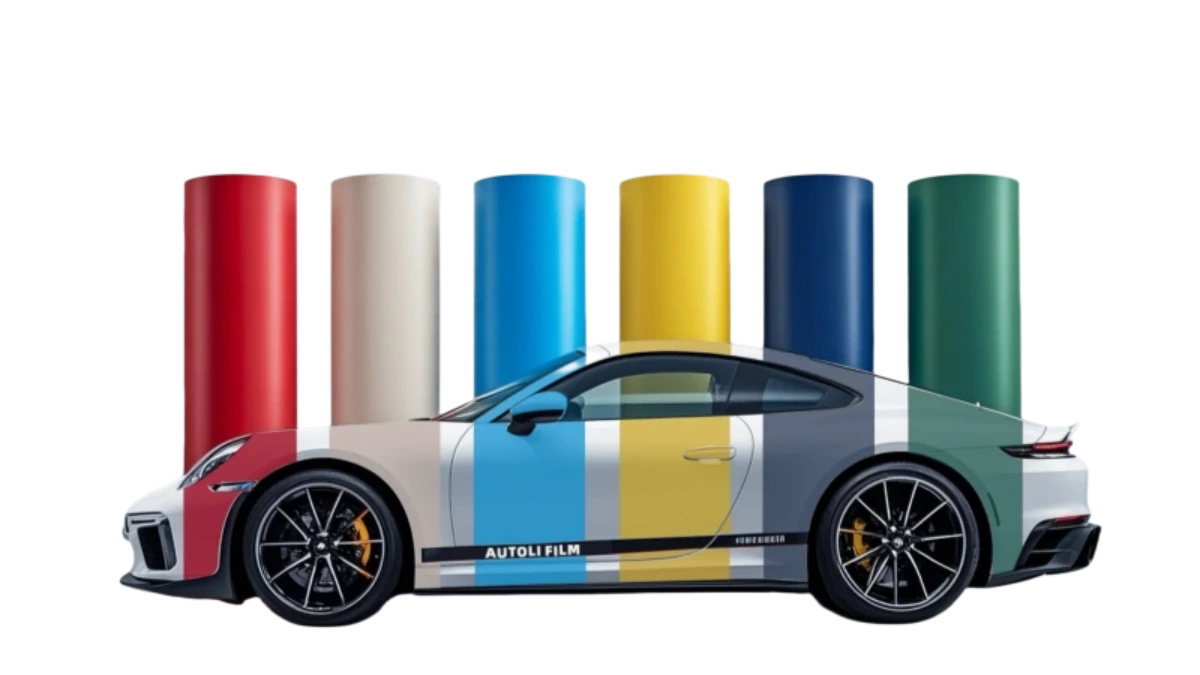
autoli TPU PPF Applied to all brand car models as Lexus、Honda、Tesla、Buick.Our factory cooperates with car Detail、PPF wholesaler、Auto Repair Center、Auto Spa and all so in many countries and regions around the world,like Jamaica,England,Thailand,Cameroon,Iraq,Australia,Warranty: 10 years.Our advantages:Unlock Business Growth with Our Factory’s PPF;Raw material purchasing advantage;Efficient production reduces costs;Large stock of styles for you to choose from;Our customers are all over the world.Our factory also provides vinyl Wraps、Car Wrap、Car Wrap Vinyl.