

PPF safeguards car paint from stone chips and scratches via durable TPU, absorbing over 90% of daily impact energy to preserve the original finish.,AI-cut precision with ±0.3mm error margin.,Accelerate Business Growth with Certified PPF Wraps & Rapid Production.
The horizontal comparison of PPF with other protection methods:
- PPF vs. Clear Bra (PVC) – Modern TPU PPF offers self-healing and flexibility, outperforming rigid PVC clear bras that crack in cold weather and lack repair capabilities.
- PPF vs. Polymer Sealants – Polymer sealants offer 3–6 months of chemical resistance but no physical defense, while PPF provides both for 5 years.
- PPF vs. Silicone Spray – Silicone spray repels water temporarily but attracts dust, unlike PPF’s long-lasting hydrophobicity that resists dirt buildup.
- PPF vs. Ceramic Coatings – PPF offers physical impact protection (resisting rocks/chips) while ceramic coatings focus on chemical resistance and hydrophobicity, with PPF lasting 5–10 years vs. 2–5 for ceramics.
- PPF vs. Stone Chip Resistant Paint – Factory chip-resistant paint offers minimal defense, while PPF adds a flexible layer that absorbs impacts, reducing chips by 75%.
- PPF vs. Acrylic Paint Sealants – Acrylic sealants harden into a rigid layer prone to peeling, while PPF remains flexible, reducing edge lifting in temperature changes.
- PPF vs. Nano-Ceramic Sprays – Nano-sprays enhance chemical resistance for 1–2 years but offer no physical defense, whereas PPF adds a protective barrier against impacts.
- PPF vs. Chassis Undercoating – Undercoating protects metal from rust, while PPF defends visible painted surfaces from chips, with both addressing different vehicle vulnerability areas.
- PPF vs. Traditional Wax – PPF provides long-term scratch/dent defense (5 years) compared to wax’s 2–3 months of mild UV protection and gloss enhancement.
The market trends and industry changes of PPF:
- Premiumization Amid Inflation – Luxury PPF prices rose 12% in 2024, while budget options stayed stable, as brands prioritize high-margin segments.
- OEM Integration and EV Demand – Original equipment manufacturers (OEMs) are increasingly factory-installing PPF, particularly for electric vehicles (EVs), which represent 19% of OEM PPF applications due to their premium paint protection needs.
- Heat-Activated Self-Healing Advancements – Next-gen TPU films activate self-healing at lower temperatures (45°C), repairing 98% of micro-scratches within 8 minutes, enhancing consumer appeal.
- Data-Driven Marketing Strategies – Brands are using AI analytics to identify regional demand patterns, tailoring product launches (e.g., anti-yellowing films for high-sun areas) to specific markets.
- Southeast Asia Market Surge**- Indonesia and Vietnam’s PPF markets are growing at 11% CAGR, driven by rising middle-class car ownership and demand for affordable protection packages.
- Commercial Fleet Adoption – Delivery giants like Amazon and JD.com are equipping 70% of new vans with PPF, reducing fleet repaint costs by $300 per vehicle annually.
- Aerospace PPF Expansion – Lightweight PPF is being tested on aircraft exteriors, protecting against bird strikes and UV degradation in high-altitude environments.
- Photocatalytic Self-Cleaning PPF – TiO?-infused films decompose 80% of surface dirt under UV light, reducing washing needs by 50% in real-world testing.
- Detailing Chain Partnerships – PPF brands are collaborating with chains like Detail Garage, offering co-branded training and product bundles to expand reach.
The production supply chain and quality control system of PPF:
- Non-Conforming Material Handling – Quarantine, segregation, and disposition processes for defective materials/finished goods.
- Carbon Footprint Tracking – Lifecycle analysis of supply chain emissions, with reduction targets for transportation and production.
- Material Traceability Systems – Blockchain-enabled tracking of TPU batches from resin production to finished PPF rolls.
- Raw Material Sourcing – TPU resin procurement from certified suppliers (e.g., Lubrizol, BASF) with ISO 9001 certification for consistent polymer quality.
- Lean Manufacturing Practices – 5S and waste reduction initiatives improving consistency and reducing defects.
- Field Testing Programs – Real-world installations monitoring performance over 1–5 years in diverse climates.
The user pain points of PPF and their solutions:
- Complex Warranty Transfers – Simplified via blockchain-based systems enabling easy ownership transfers with digital validation.
- Unclear Warranty Coverage – Clarified via digital warranty passports detailing exclusions (wear, improper maintenance) and inclusions.
- Yellowing Over Time – Solved by anti-yellowing formulations with HALS stabilizers and UV absorbers, maintaining clarity for 10 years.
- Scratches from Automated Car Washes – Prevented by scratch-resistant topcoats (9H hardness) and “brushless wash safe” certifications.
- Salt Corrosion in Coastal Areas – Mitigated by anti-corrosion additives and salt-resistant adhesives reducing rust under film.
- Difficulty Removing Old PPF – Simplified with low-tack, residue-free adhesives and professional heat-assisted removal services.
Why TPU PPF:
- Low-Effort Cleaning – Pressure washable surfaces remove dirt and debris in minutes.
- Commercial Use – Popular for restaurant patios, hotel courtyards, and office outdoor spaces.
- Low Visual Weight – Slim profiles create an open, airy feel while providing structural support.
- Powder-Coated Finishes – Polyester powder coatings provide scratch-resistant, UV-stable colors with 10 year warranties.
- Non-Toxic Materials – Free from formaldehyde, arsenic, or other harmful chemicals in wood treatments.
- Marine-Grade Options – 6061-T6 aluminum alloys resist saltwater corrosion for coastal properties.
- Resale Value Boost – Adds outdoor living space appeal, increasing home value by 3–5%.
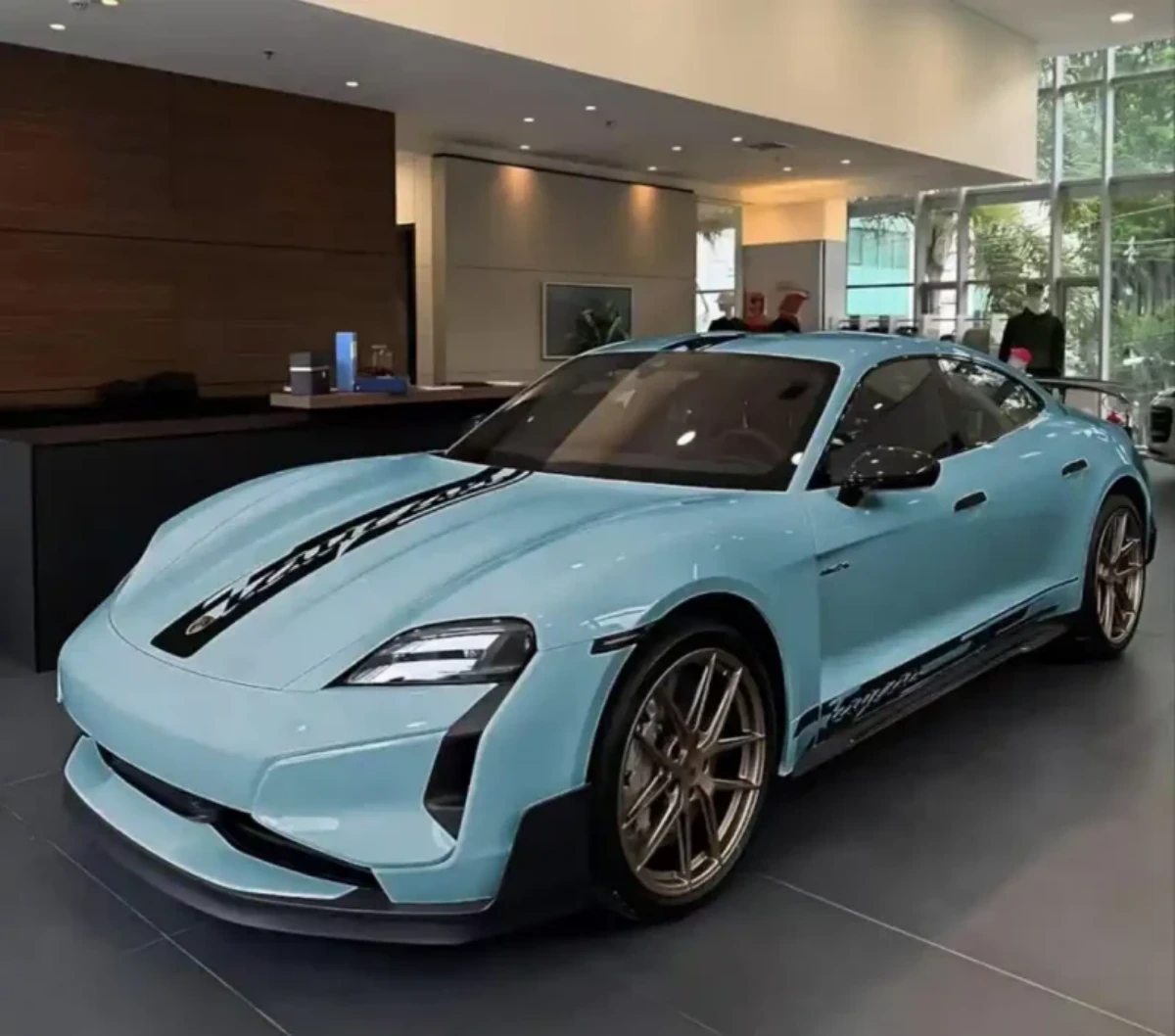
The long-term monitoring and maintenance system after the installation of PPF:
- Warranty Compliance Tracking – Maintaining digital records of inspections and repairs to ensure warranty claims are valid.
- Rainwater Rinse Benefits – Allowing light rain to rinse surfaces, as natural water is softer than tap water in many regions.
- Monthly Iron Particle Removal – Applying pH-neutral iron removers to dissolve rail dust that etches topcoats over time.
- Cross-Seasonal Adjustments – Increasing cleaning frequency by 50% in rainy seasons; reducing in dry, dusty climates to minimize friction.
- High-Altitude Adjustments – Increasing sealant applications in thin air (≥2000m elevation) where UV exposure is intensified.
The market trends and industry changes of PPF:
- Premiumization Amid Inflation – Luxury PPF prices rose 12% in 2024, while budget options stayed stable, as brands prioritize high-margin segments.
- OEM Integration and EV Demand – Original equipment manufacturers (OEMs) are increasingly factory-installing PPF, particularly for electric vehicles (EVs), which represent 19% of OEM PPF applications due to their premium paint protection needs.
- Heat-Activated Self-Healing Advancements – Next-gen TPU films activate self-healing at lower temperatures (45°C), repairing 98% of micro-scratches within 8 minutes, enhancing consumer appeal.
- Data-Driven Marketing Strategies – Brands are using AI analytics to identify regional demand patterns, tailoring product launches (e.g., anti-yellowing films for high-sun areas) to specific markets.
- Southeast Asia Market Surge**- Indonesia and Vietnam’s PPF markets are growing at 11% CAGR, driven by rising middle-class car ownership and demand for affordable protection packages.
- Commercial Fleet Adoption – Delivery giants like Amazon and JD.com are equipping 70% of new vans with PPF, reducing fleet repaint costs by $300 per vehicle annually.
- Aerospace PPF Expansion – Lightweight PPF is being tested on aircraft exteriors, protecting against bird strikes and UV degradation in high-altitude environments.
- Photocatalytic Self-Cleaning PPF – TiO?-infused films decompose 80% of surface dirt under UV light, reducing washing needs by 50% in real-world testing.
- Detailing Chain Partnerships – PPF brands are collaborating with chains like Detail Garage, offering co-branded training and product bundles to expand reach.
The cutting-edge technology research and development of PPF:
- Bio-Based Flame Retardant Coatings – Chitosan and ammonium polyphosphate composites provide V-0 rating in UL 94 tests with <1% loading.
- Bio-Based UV Stabilizers – Plant-derived flavonoids and carotenoids replace synthetic HALS, maintaining UV resistance for 10 years.
- Biodegradable Conductive PPF – Carbon nanotube-doped bioplastics enable flexible electronics integration with 2-year composting capability.
- Bio-Based Crosslinkers – Plant-derived citric acid and tannic acid replace toxic crosslinkers, achieving 100% biodegradability.
- AI-Powered Predictive Maintenance – Machine learning models analyze sensor data to predict PPF degradation, scheduling replacements before failure.
- Multifunctional Nanocomposites – Black phosphorus nanosheets in PPF bone cements combine osteogenic activity with photothermal tumor ablation.
- Nano-Ceramic Reinforced PPF – Zirconia and alumina nanoparticles increase PPF hardness to 9H while maintaining 85% transparency.
- Superhydrophobic Nanostructures – Laser-ablated micro-nano textures on PPF surfaces achieve contact angles >160°, repelling water and debris in extreme weather.
- AI-Powered Material Discovery – High-throughput screening platforms identify novel TPU formulations with tailored properties in days instead of years.
- Smart UV Indicators – Photochromic dyes in PPF change color when UV exposure exceeds safe levels, alerting users to replacement needs.
AUTOLI(CN) PPF(Paint Protection Film) oem factory
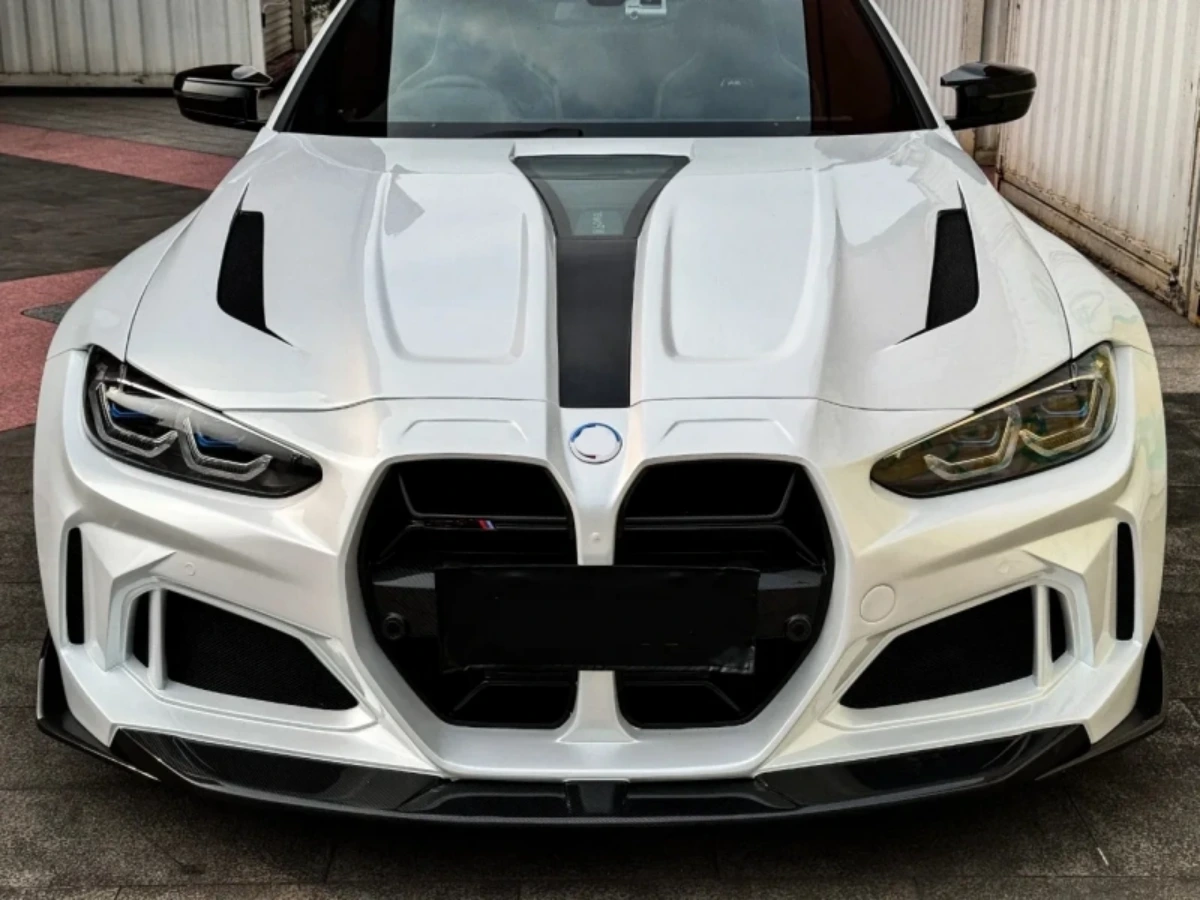
autoli TPU PPF Applied to all brand car models as Alfa Romeo、Toyota、Chrysler、Lexus.Our factory cooperates with PPF installer、Auto Detailing Shop、Auto Repair Center、PPF trading、Auto Detailing and all so in many countries and regions around the world,like Belgium,France,Ireland,Russia,England,Warranty: 10 years.Our advantages:Efficient production reduces costs;Short production cycle, quick delivery;SGS, ASTM, REACH, UL and other certifications;High quality raw materials and advanced technology;Strict quality control system.Our factory also provides carwraps、TPU PPF.