

PPF’s application on carbon fiber parts prevents UV-induced fading, preserving the weave’s appearance on high-end cars.,Certified technician application guarantee.,Why Settle? Partner with Our Factory for Cost – Effective, High – Style PPF.
The long-term monitoring and maintenance system after the installation of PPF:
- Bi-Weekly Basic Cleaning – Rinsing with low-pressure water to remove surface dirt, preventing abrasive particle buildup.
- Impact Damage Assessment – Documenting rock chips or abrasions with photos to track self-healing efficacy over 6–12 months.
- Avoid Parking Under Trees – Minimizing exposure to sap, berries, and bird droppings that require frequent cleaning.
- Summer UV Protection Boosts – Applying UV-stabilizing sprays in high-sun regions to complement anti-yellowing additives.
- Petroleum Product Avoidance Zones – Keeping PPF away from gasoline, diesel, and motor oil spills that dissolve adhesives.
- 24-Hour Contaminant Removal – Promptly cleaning bird droppings, tree sap, or bug splatters with isopropyl alcohol (10–20% dilution).
The horizontal comparison of PPF with other protection methods:
- PPF vs. Stone Chip Resistant Paint – Factory chip-resistant paint offers minimal defense, while PPF adds a flexible layer that absorbs impacts, reducing chips by 75%.
- PPF vs. Teflon Coatings – Teflon coatings reduce friction but lack self-healing, unlike PPF which repairs micro-scratches and resists abrasion better in high-wear areas.
- PPF vs. Metal Polish – Metal polish restores shine to chrome/alloys but offers no protection, while PPF on metal trims prevents future scratches and tarnishing.
- PPF vs. Chrome Polish – Chrome polish removes tarnish but doesn’t prevent future damage, while PPF on chrome trims resists scratches and maintains shine long-term.
- PPF vs. Vinyl Wraps – PPF prioritizes paint protection with self-healing properties, while vinyl wraps focus on aesthetic customization, with PPF being more durable against abrasion.
- PPF vs. Vinyl Protectants – Vinyl protectants prevent cracking in vinyl wraps but don’t shield against impacts, unlike PPF which adds scratch resistance to wrapped surfaces.
- PPF vs. Leather Protectors – Leather treatments guard against spills/cracking, while interior PPF shields dash/console plastics from UV fading and scratches, with separate material focuses.
- PPF vs. Car Covers – PPF provides 24/7 protection during driving/parking, unlike covers that only work when stationary and risk scratching paint during removal.
- PPF vs. Alloy Wheel Sealants – Wheel sealants resist brake dust, while PPF on wheels adds scratch protection, with PPF better handling curb impacts.
The user pain points of PPF and their solutions:
- ADAS Sensor Interference – Prevented by radar-transparent PPF (99.9% signal transmission) tested with OEM systems.
- Yellowing Over Time – Solved by anti-yellowing formulations with HALS stabilizers and UV absorbers, maintaining clarity for 10 years.
- Bubbles After Installation – Prevented by air-release adhesive channels and certified installers using dust-free environments.
- Warranty Void Due to DIY Installation – Resolved by offering “DIY-friendly” kits with warranty coverage for proper application.
- Incompatibility with Custom Paint – Addressed by color-stable PPF formulated for matte, chameleon, and metallic finishes.
- Damage from Road Debris – Mitigated by impact-dispersing multi-layer films, reducing stone chips by 70% at highway speeds.
- Complex Warranty Transfers – Simplified via blockchain-based systems enabling easy ownership transfers with digital validation.
- Matte Paint Distortion – Solved by matte-specific PPF (20–30% gloss) designed to preserve texture without shine spots.
- Long Installation Downtime – Reduced to 1–2 days with pre-cut kits and rapid-cure adhesives (24-hour bonding).
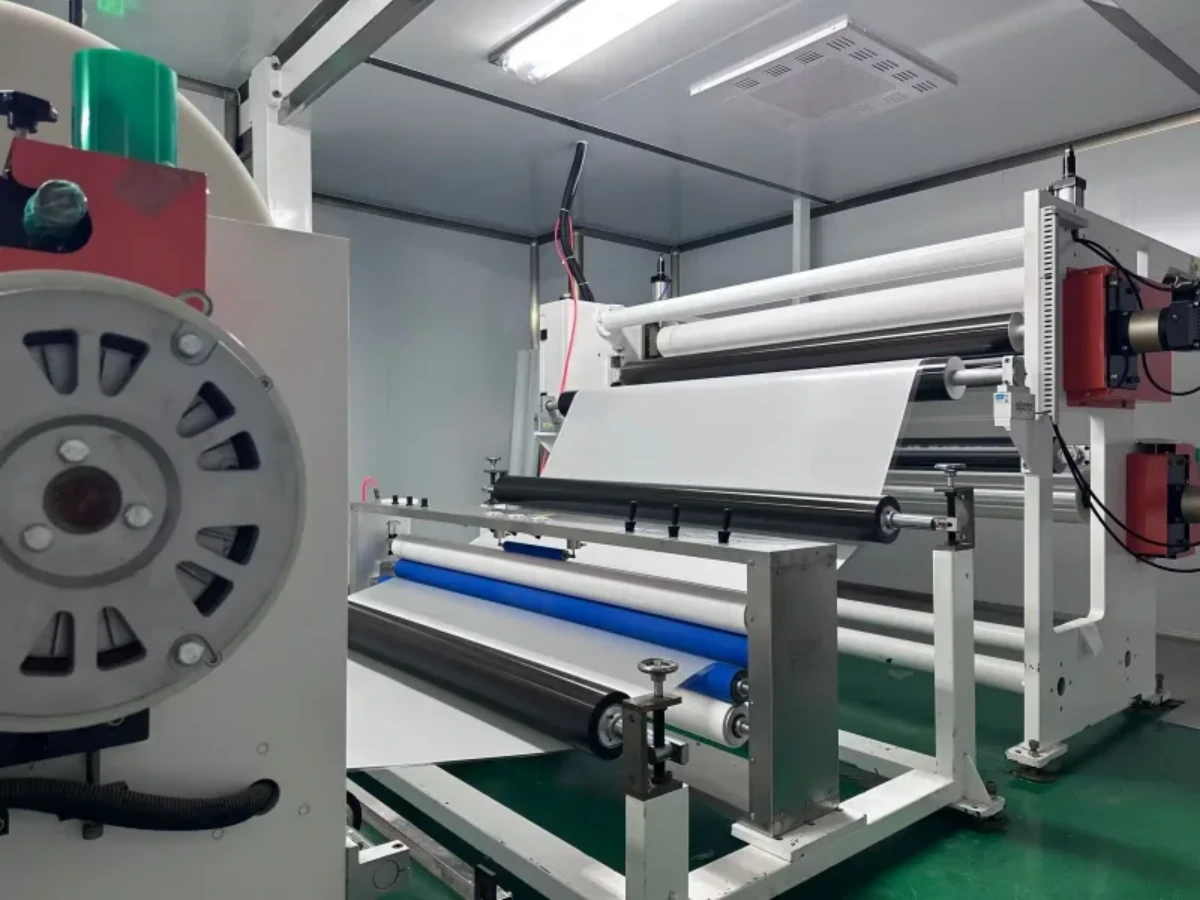
Why TPU PPF:
- Solar Panel Compatible – Strong enough to support lightweight solar-powered lighting systems.
- Disaster Recovery – Quick to replace or repair after storm damage compared to custom wood structures.
- Non-Combustible – Aluminum is fire-resistant, meeting building codes in wildfire-prone regions.
- Anti-Slip Flooring Support – Structurally sound for stone, wood, or composite decking installations.
- Infill Compatibility – Works with glass, polycarbonate, or fabric panels for partial or full enclosure.
- DIY-Friendly Instructions – Step-by-step manuals with diagrams for homeowner installation.
How TPU Redefines PPF:
- Recycled Content Integration – TPU blends with 30% recycled material redefined PPF from virgin-only products to circular economy solutions.
- Smart Maintenance – TPU’s IoT sensor integration redefined PPF from passive films to connected systems alerting owners to needed repairs or cleaning.
- Cultural Adaptability – TPU’s compatibility with local climates redefined PPF from Western-focused products to global solutions for tropical, desert, and polar regions.
- Global Regulatory Compliance – TPU’s meet REACH, FDA, and OEM standards redefined PPF from region-limited products to globally marketable solutions.
- Inclusive Design – TPU’s compatibility with all vehicle makes/models redefined PPF from luxury-only products to accessible protection for economy cars and classics.
- Radar Compatibility – Non-metallic TPU formulations redefined PPF from ADAS-interfering products to sensor-safe films preserving 99.9% signal transmission.
The materials and technologies of PPF:
- Anti-microbial coating infusion: Incorporates silver-ion nanoparticles to inhibit 99% of bacteria and mold growth on film surfaces in humid climates.
- Low-VOCs production certification: Meets global eco-standards like GREENGUARD Gold, ensuring volatile organic compound emissions below 50μg/m3 during manufacturing.
- Nanometer-level functional coating technology: The surface is covered with a hydrophobic and oleophobic coating, reducing the adhesion of stains and enhancing scratch resistance. Some contain UV-resistant particles to improve weather resistance.
- Extreme UV durability enhancement: Uses dual UV absorbers (organic and inorganic) to maintain 90% of original performance after 10,000 hours of accelerated UV testing.
- Acoustic dampening technology: Reduces wind noise by 3-5 dB through porous foam layers embedded within the film structure.
- Warm water activation adhesive: Enables repositioning for up to 24 hours post-installation using only water, reducing reliance on chemicals.
- The core substrate is thermoplastic polyurethane (TPU): It is highly flexible and impact-resistant, serving as the fundamental material for PPF to provide protection and self-repair capabilities, outperforming traditional PVC.
The cost structure and price composition of PPF:
- Full Vehicle Wrap Pricing – Complete coverage costs $2,000–$8,000, with labor accounting for 60–70% of total.
- Adhesive Technology Costs – Removable adhesives add $0.30–$0.50 per square foot vs. permanent options.
- Freight & Logistics – International shipping adds $0.50–$1.50 per square foot, higher for expedited delivery.
- Facility Overhead – Factory rent, utilities, and maintenance add $0.30–$0.60 per square foot to production costs.
- Regional Labor Rate Differences – Installation labor costs 30–50% more in North America vs. Southeast Asia.
The regulations of PPF and after-sales services:
- WEEE Directive Compliance – End-of-life PPF must be recycled in accordance with the EU’s WEEE directive, promoting circular economy practices for electronic and automotive waste .
- EU Digital Product Passport – PPF manufacturers must disclose material composition and recycling details via the EU’s Digital Product Passport, enhancing supply chain transparency .
- Warranty Transferability – Transferred vehicle ownership often requires warranty re-registration, with brands like 3M requiring updated documentation to maintain coverage .
- DIY Installation Void Policies – Most warranties, including PurePPF and 3M, void coverage for self-installed films, emphasizing the need for certified professional application .
- 3M’s Warranty Exclusions – 3M’s warranty explicitly excludes watermarks, improper maintenance, and non-authorized products, emphasizing the need for professional installation and genuine materials .
- Class Action Liability – Manufacturers face potential litigation for non-compliant PPFs, as seen in cases involving PFAS contamination or false warranty claims .
- Supply Chain Traceability – EU PPWR mandates tracking PPF materials from production to disposal, ensuring compliance with recycled content targets (e.g., 30% by 2030) .
- Cross-Industry Regulatory Alignment – PPFs used in electronics or aerospace must comply with sector-specific standards (e.g., FCC for electronics), expanding regulatory complexity .
- Japan’s Window Tinting Restrictions – Japanese regulations ban PPF installation on front driver/passenger windows and mandate partial windshield film transparency to ensure unobstructed visibility .
- California CARB VOC Limits – PPF adhesives sold in California must comply with CARB’s strict VOC regulations, reducing harmful emissions during installation to align with regional air quality standards .
AUTOLI(CN) PPF(Paint Protection Film) oem factory
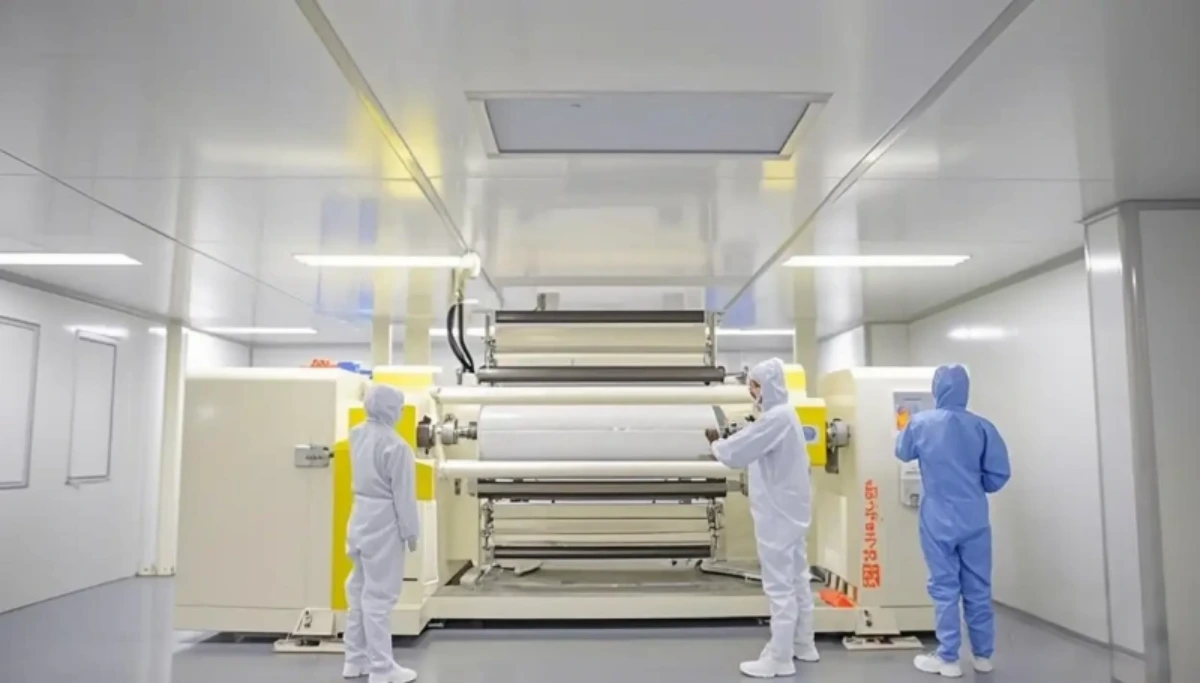
autoli TPU PPF Applied to all brand car models as Benz、volvo、binli、Rolls-Royce.Our factory cooperates with Car Customization Shop、PPF distributor、Auto Repair Center and all so in many countries and regions around the world,like SouthAfrica,Colombia,Denmark,Iran,Malaysia,Bulgaria,Warranty: 10 years.Our advantages:Perfect after-sales service;SGS, ASTM, REACH, UL and other certifications;High quality raw materials and advanced technology.Our factory also provides Car Wraps、Car Wrap.