

PPF cuts maintenance costs: extends wash intervals to 4-6 weeks, saving ~¥5k on polishing for a Tesla in 3 years.,Thicker options for high-impact areas (bumpers).,Collaborate for Success: Swift Delivery, Authoritative Certifications, and a Wide Range of Styles.
Before & After: How PPF Transforms a 10-Year-Old Car:
- Before: Roof rack crossbars with scratched paint from cargo; After: PPF covers bars, hiding scratches and reducing friction damage from cargo movement.
- Before: Door jambs with paint wear from repeated opening; After: PPF lines jambs, covering scuffs and reducing friction between metal and paint.
- Before: Tailgate handle with paint worn from repeated use; After: PPF wraps the handle, covering wear patterns and maintaining grip without damage.
- Before: Rear bumper step pad with paint worn away; After: PPF adds protective layer, hiding bare spots and resisting future wear from stepping.
- Before: Hood scoop with accumulated road grime in crevices; After: PPF’s smooth surface covers grime-stained areas and simplifies cleaning in hard-to-reach spots.
- Before: Wheel center caps with faded logos and scratches; After: Clear PPF covers caps, preserving logos and resisting scratches from cleaning.
- Before: Door edge moldings with cracked rubber and exposed paint; After: PPF wraps edges under moldings, hiding exposed areas and preventing water intrusion.
- Before: Front license plate bracket with rust and paint loss; After: PPF covers bracket edges, hiding rust and preventing water from worsening corrosion.
- Before: Running boards with worn paint from foot traffic; After: PPF’s durable layer covers wear and resists scuffs from shoes and boots.
- Before: Hood prop rod mounting point with paint worn from contact; After: PPF covers mounting area, hiding wear and reducing friction damage from prop rod.
The extension of PPF’s functions:
- Before: Fuel door with faded paint from repeated opening/closing; After: PPF covers wear patterns and reduces friction, maintaining a like-new appearance.
- Before: Door striker plates with paint worn from contact; After: PPF lines striker areas, covering wear and reducing friction between metal and paint.
- Before: Under-hood fuse box cover with faded plastic; After: Interior PPF covers plastic, restoring color and protecting against oil and dust damage.
- Before: Roof rack crossbars with scratched paint from cargo; After: PPF covers bars, hiding scratches and reducing friction damage from cargo movement.
- Before: Front air dam with road rash from low ground clearance; After: Thick PPF lines the dam, hiding existing damage and absorbing impact from road debris.
- Before: Roof antenna with cracked paint from weathering; After: PPF’s flexible layer covers cracks and protects against rain/snow intrusion.
- Before: Front license plate bracket mounting holes with rust around them; After: PPF covers hole perimeters, hiding rust and preventing corrosion spread.
The construction and maintenance of PPF:
- Vinegar Solution for Water Spots – A mild vinegar rinse dissolves mineral deposits on PPF without harming the topcoat.
- Ceramic Coating Compatibility – Applying a PPF-safe ceramic coating after 30 days enhances scratch resistance by 40%.
- Emblem Masking with Low-Tack Tape – Removable tape protects badges from accidental cutting or adhesive residue during installation.
- Annual Professional Inspection – Certified installers check for hidden damage, edge wear, or topcoat degradation.
- Squeegee Technique – Using firm, overlapping strokes with a felt-edge squeegee removes water and air bubbles for a tight bond.
The product classification and selection logic of PPF:
- Matte Texture Preservation – Prioritizing texture-matched matte PPF to avoid shine spots on specialty finishes.
- Installation Time Consideration – Selecting pre-cut kits to reduce professional installation time for fleet vehicles.
- Finish Protection Categories – Segmented into paint, matte, chrome, or plastic protection to match surface types.
- Lifespan-Based Choice – Selecting premium 10 year PPF for long-term vehicle ownership vs. 1–3 year options for leases.
- Micro-Scratch Prevention – Choosing self-healing PPF for owners prioritizing a swirl-free finish between details.
- Color Stability Prioritization – Selecting tinted PPF with fade-resistant pigments for color-enhancing applications.
- Impact Energy Absorption – Prioritizing viscoelastic PPF for highway drivers to reduce stone chip damage at high speeds.
- Maintenance Product Compatibility – Selecting PPF compatible with existing detailing products to avoid chemical damage.
- Temperature Cycle Tolerance – Selecting PPF with low thermal expansion for regions with extreme temperature swings.
- Pattern Complexity Matching – Opting for laser-cut PPF for vehicles with intricate contours (sports cars, classics).
The protective performance of PPF:
- Impact Protection – Guards against damage caused by high-speed debris, collisions, and road hazards.
- Scratch Resistance – Protects against minor scratches and abrasions from日常 use and environmental factors.
- Advanced Anti-Yellowing Formula – Incorporates UV inhibitors and stabilizers to prevent discoloration over 5 years of exposure.
- Harsh Chemical Resistance – Stands up to brake fluid, carb cleaner, and road salts without staining or damage.
- **Scratch Hiding Capability** – Even before self – healing occurs, PPF can hide minor scratches to some extent, maintaining the overall appearance of the vehicle’s paintwork.
- Compatibility with Vehicle Wraps – Safely applied over vinyl wraps while preserving their aesthetics, though removal requires professional care to avoid damage.
- 10-Year Warranty Coverage – Protects against yellowing, cracking, delamination, and bubbling for decade-long peace of mind.
- Salt Spray Resistance – Protects against corrosion caused by road salt used in winter or coastal environments.
The user pain points of PPF and their solutions:
- Scratches from Automated Car Washes – Prevented by scratch-resistant topcoats (9H hardness) and “brushless wash safe” certifications.
- Salt Corrosion in Coastal Areas – Mitigated by anti-corrosion additives and salt-resistant adhesives reducing rust under film.
- Bubbles After Installation – Prevented by air-release adhesive channels and certified installers using dust-free environments.
- Damage from Road Debris – Mitigated by impact-dispersing multi-layer films, reducing stone chips by 70% at highway speeds.
- High Installation Costs – Mitigated by tiered pricing (DIY kits vs. premium pro installs) and financing options for budget flexibility.
- Discoloration on Dark Paint – Solved by high-clarity TPU with low-iron content, preventing blue/green tint on black vehicles.
- Bird Dropping Etching – Addressed through acid-resistant topcoats and 24-hour removal guidelines to prevent permanent damage.
Say Goodbye to Car Scratches: Self-Healing PPF Revealed!:
- Scratches from parking sensors or automatic door closers heal, maintaining a clean look on tech-integrated cars.
- Modern self-healing PPF reduces “micro-marring” that dulls paint over time, keeping finishes brighter longer.
- Self-healing PPF protects chrome trims and plastic components, extending scratch repair beyond painted surfaces.
- Classic car owners protect original paint with self-healing PPF, as scratches heal without damaging vintage finishes.
- Consistent repair quality across flat and curved panels ensures your entire vehicle maintains a flawless appearance.
- Scratches from automatic car washes—even with soft brushes—heal quickly, eliminating the need to avoid convenient cleaning options.
- Self-healing technology keeps PPF “invisible” over time, as scratches don’t accumulate to create a cloudy appearance.
- New car owners avoid “break-in anxiety,” knowing minor initial scratches will disappear with normal use.
- Bike rack or cargo carrier scratches on SUVs heal, preserving paint on vehicles used for outdoor activities.
TPU PPF VS PET PPF:
- Sustainability Metrics – TPU PPF has 40% lower carbon footprint over lifecycle than PET PPF when accounting for replacement frequency.
- Pest Resistance – TPU PPF’s non-organic composition resists rodent chewing, while PET PPF is occasionally gnawed by pests seeking nesting materials.
- Recycled Content – TPU PPF incorporates 30% recycled material without performance loss, while PET PPF recycled blends show 20% reduced durability.
- Outdoor Storage Performance – TPU PPF-protected vehicles show 70% less fading in outdoor storage, compared to 30% reduction with PET PPF.
- EV Compatibility – Heat-resistant TPU PPF protects battery zones up to 120°C, while PET PPF degrades above 80°C.
- Storm Resilience – TPU PPF withstands hailstones up to 12mm, whereas PET PPF cracks under 8mm hail impacts.
The cost structure and price composition of PPF:
- Financing Options – Monthly payment plans include 8–12% interest, increasing total customer cost.
- Cost of Quality Failures – Defective films add 3–5% to costs via rework and customer compensation.
- Equipment Rental Fees – Laser cutters and heat guns add $20–$50 per install to professional service costs.
- EV-Specific Pricing – Radar-transparent PPF for EVs commands 10–15% premiums due to technical requirements.
- Supply Chain Premiums – Post-pandemic, material shortages increased prices by 10–15% in 2023–2024.
- Environmental Certification Premiums – Eco-friendly PPF costs 5–10% more due to sustainable material sourcing.
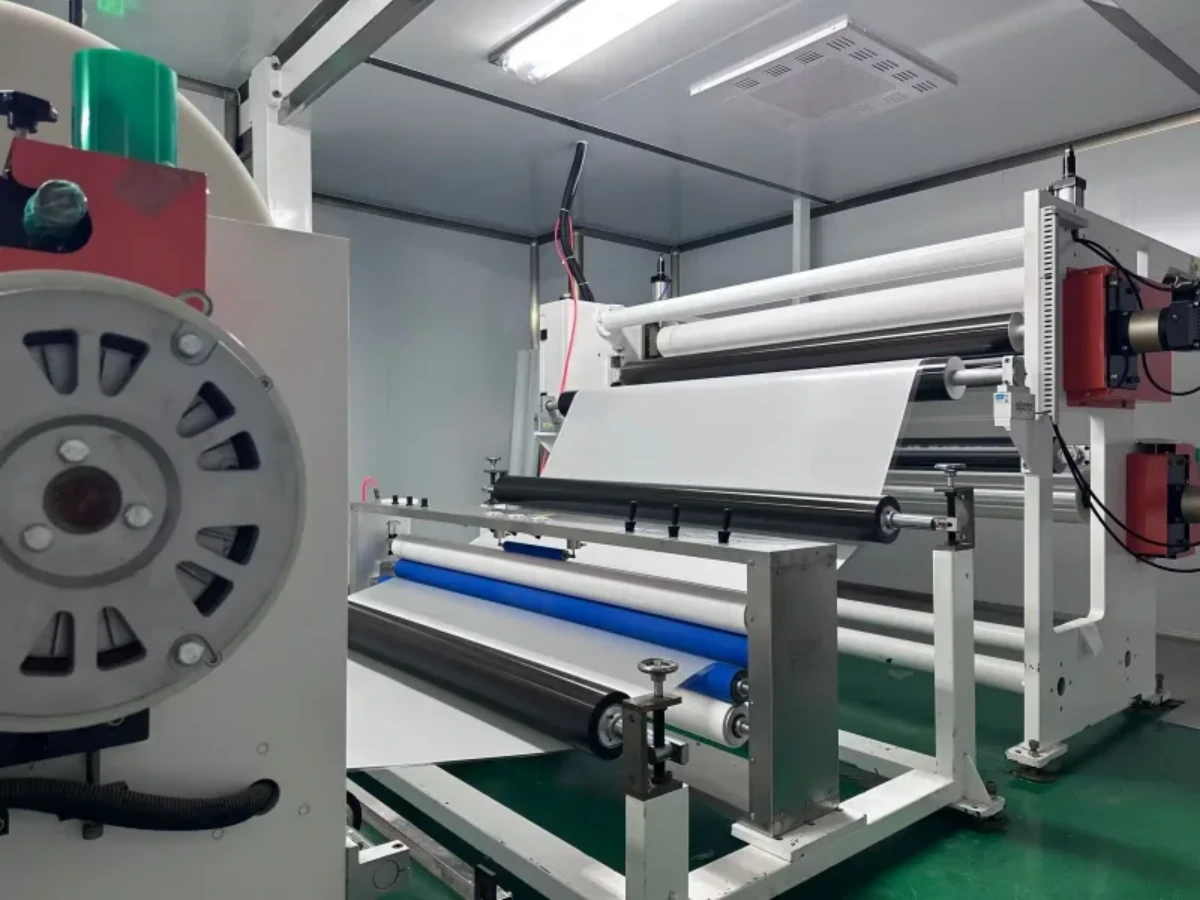
AUTOLI(CN) PPF(Paint Protection Film) oem factory
autoli TPU PPF Applied to all brand car models as ford、bmw、Chrysler、Chevrolet.Our factory cooperates with PPF wholesaler、AutoZone、Car Customization Shop、Auto Repair Center、Auto Detailing Shop and all so in many countries and regions around the world,like Egypt,Holland,Belgium,Sweden,Warranty: 10 years.Our advantages:Raw material purchasing advantage;High quality raw materials and advanced technology;Unlock Business Growth with Our Factory’s PPF;Short production cycle, quick delivery;Perfect after-sales service.Our factory also provides car film、PET FILM、PPF、Vinyl Car Wrap.