

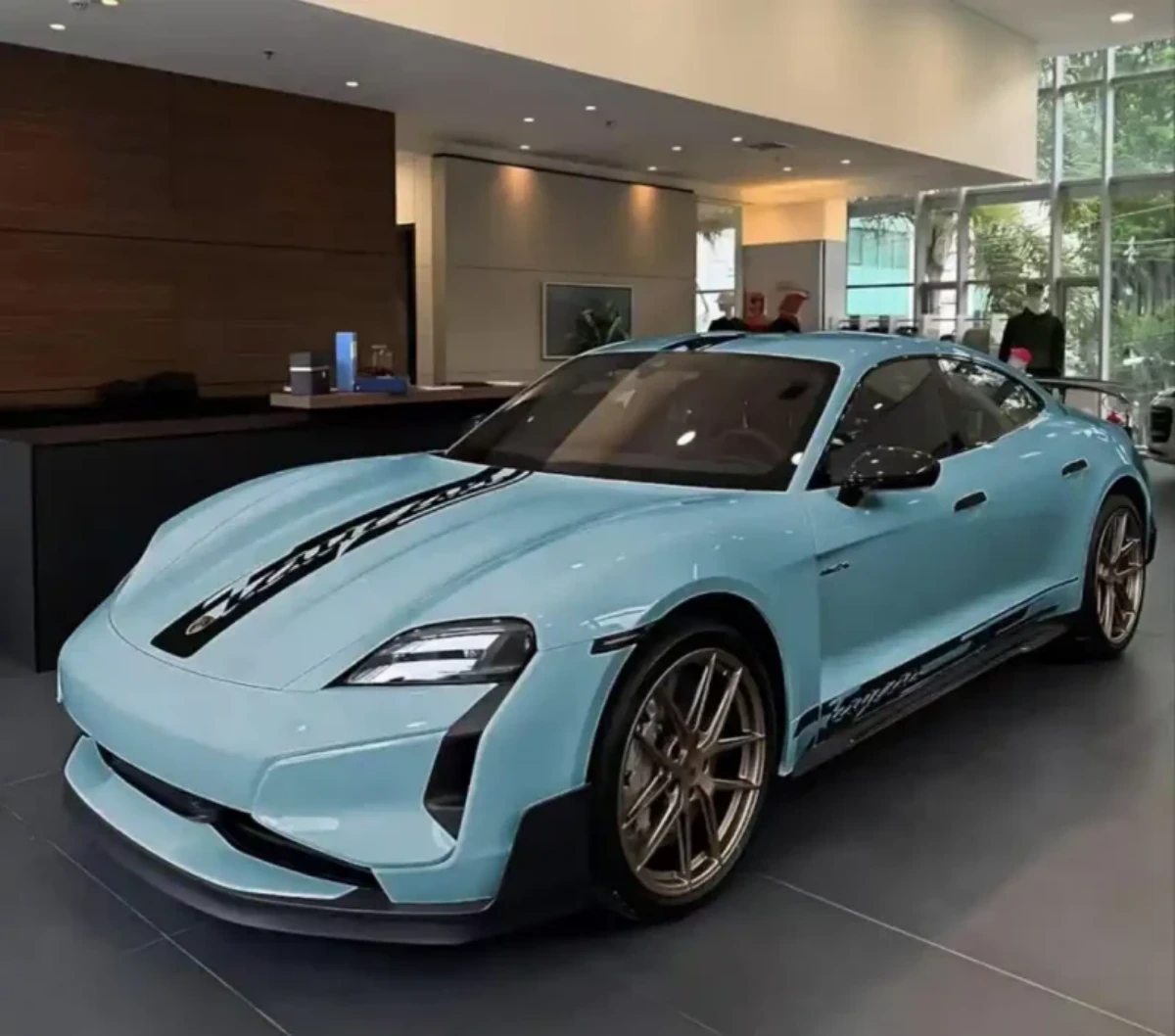
PPF withstands -40℃ to 80℃ temps, maintaining flexibility to avoid cracking in cold or warping in extreme heat.,Protects hood from bug splatter damage.,Collaborate: Factory – Supplied PPF, Style Variety, Fast Turnaround.
The user perception and consumption misconceptions of PPF:
- Consumer Misconception: “PPF Ruins Paint When Removed” – Fearing damage during removal, not realizing modern adhesives peel cleanly if removed within warranty periods.
- Consumer Misconception: “All PPFs Are Identical” – Many buyers assume no quality difference between $500 and $3,000 PPF, neglecting TPU vs. PVC material distinctions.
- Consumer Misconception: “PPF Can Be Applied in Rainy Weather” – Attempting installation in humid conditions, increasing bubble risks due to moisture trapped under film.
- Correct Perception: Matte Finish Compatibility – Educated buyers seek matte-specific PPF, avoiding gloss films that ruin specialty paint textures.
- Correct Perception: Thickness Depends on Use Case – Off-roaders choose 10mil PPF, while daily drivers opt for 8mil to balance protection and flexibility.
- Consumer Misconception: “PPF Yellowing Is Inevitable” – Fearing all PPF yellows, unaware that modern anti-yellowing formulas with HALS stabilizers last 10 years clear.
The horizontal comparison of PPF with other protection methods:
- PPF vs. Nano Glass Coatings – Glass coatings excel on windows for water repellency, while PPF protects painted surfaces from physical damage, with minimal overlap in application.
- PPF vs. Traditional Wax – PPF provides long-term scratch/dent defense (5 years) compared to wax’s 2–3 months of mild UV protection and gloss enhancement.
- PPF vs. Paint Sealants – Sealants provide 6–12 months of chemical resistance, while PPF adds physical barrier protection against impacts, with both enhancing gloss but PPF lasting longer.
- PPF vs. Stone Chip Resistant Paint – Factory chip-resistant paint offers minimal defense, while PPF adds a flexible layer that absorbs impacts, reducing chips by 75%.
- PPF vs. Multi-Surface Sealants – Multi-surface sealants offer mild protection across materials, while PPF provides specialized, high-impact defense for painted surfaces alone.
- PPF vs. Chassis Undercoating – Undercoating protects metal from rust, while PPF defends visible painted surfaces from chips, with both addressing different vehicle vulnerability areas.
- PPF vs. Rust Inhibitors – Inhibitors slow metal corrosion but don’t protect paint, whereas PPF acts as a moisture barrier preserving both paint and underlying metal.
- PPF vs. Teflon Coatings – Teflon coatings reduce friction but lack self-healing, unlike PPF which repairs micro-scratches and resists abrasion better in high-wear areas.
- PPF vs. UV-Blocking Window Tints – Tints reduce interior UV exposure, while PPF blocks exterior paint UV damage, with both addressing UV risks but on different surfaces.
The cost structure and price composition of PPF:
- Seasonal Material Adjustments – Cold-weather formulations cost 5–10% more in winter months due to demand spikes.
- Production Labor Costs – Skilled operators for extrusion lines contribute 12–18% of total manufacturing expenses.
- Currency Fluctuation Impact – Dollar/Euro volatility adds 3–5% price variability for cross-border transactions.
- Equipment Rental Fees – Laser cutters and heat guns add $20–$50 per install to professional service costs.
- Cross-Selling Margins – PPF sales boost ceramic coating and detailing revenue by 25–35% at higher margins.
- Retailer Markup Structure – Wholesalers add 20–30%, retailers add 50–70% to cover overhead and profit.
- Packaging Efficiency Savings – Bulk rolls reduce packaging costs by 40%, passing 10–15% savings to buyers.
- Premium PPF Costs – 10mil multi-layer films with lifetime warranties retail at $12–$20 per square foot, 50–60% margins.
- Certified Installer Premium – Factory-trained installers charge 20–30% more than uncertified technicians.
Before & After: How PPF Transforms a 10-Year-Old Car:
- Before: Wheel well liners with paint transfer from tires; After: PPF lines liners, hiding transfer and preventing rubber from damaging paint further.
- Before: Tailgate with faded decals and paint transfer from loading; After: PPF covers decals to preserve them and resists paint transfer, maintaining graphics.
- Before: Wheel balance weights with rust staining around them; After: PPF covers weight areas, hiding stains and preventing rust from spreading under paint.
- Before: Rocker panels with mud and salt damage from winters; After: PPF’s corrosion-resistant layer covers rust-prone areas and blocks future salt intrusion.
- Before: Front bumper parking sensor housings with paint chipping; After: PPF covers housings, hiding chips and preventing debris from damaging sensors.
- Before: Trunk lid with key scratches and luggage scuffs; After: PPF’s self-healing properties erase fine scratches, creating a flawless surface for loading/unloading.
The materials and technologies of PPF:
- EV-specific lightweight optimization: Reduces base material density by 15% for electric vehicles, minimizing added weight impact on battery range.
- Impact resistance enhancement technology: Using nano-scale elastic particles to modify the TPU base material, improving the buffering and energy absorption capacity for impact from gravel, sand, etc., and strengthening anti-crash protection.
- Electromagnetic interference (EMI) shielding: Integrates graphene nanosheets to block 99% of electromagnetic radiation, critical for electric vehicle electronics.
- Surface hardness enhancement technology: By incorporating nano-ceramic particles into the coating, the pencil hardness of the film surface is increased to 9H level, enhancing the anti-scuff and anti-abrasion performance against hard objects such as keys and sand.
- RFID tracking chip: Embeds a passive RFID tag for anti-theft tracking and warranty management, readable via smartphone NFC.
- Matte finish technology: Achieves 20-30° gloss levels with a velvet-like texture, ideal for luxury vehicles and matte paint protection.
TPU PPF VS PET PPF:
- Cleaning Compatibility – TPU PPF works with pH-neutral cleaners, while PET PPF is sensitive to alcohol-based products, causing clouding.
- Installation Ease – TPU PPF’s air-release adhesives allow repositioning, while PET PPF’s aggressive adhesives make alignment errors irreversible.
- ADAS Compatibility – TPU PPF maintains 99.9% radar transmission, whereas PET PPF can reduce signal strength by 15–20%.
- Cost Over Lifespan – TPU PPF costs $0.50/year/sq ft over 10 years, while PET PPF averages $0.75/year/sq ft due to replacement needs.
- Color Enhancement – TPU PPF’s high clarity enhances paint depth, while PET PPF can create a slight blue tint on dark colors.
- Color Stability – TPU PPF retains tinted colors for 5 years, while PET PPF tint fades 40% within 18 months.
- High-Speed Performance – TPU PPF resists stone chips at 120km/h, while PET PPF fails at 80km/h in highway tests.
The user pain points of PPF and their solutions:
- Warranty Claim Denials – Prevented by transparent warranty terms, certified installer networks, and digital claim tracking.
- Expensive Repairs for Damage – Reduced via self-healing technology (repairs 3μm scratches with heat) and patchable film sections.
- Matte Paint Distortion – Solved by matte-specific PPF (20–30% gloss) designed to preserve texture without shine spots.
- Long Installation Downtime – Reduced to 1–2 days with pre-cut kits and rapid-cure adhesives (24-hour bonding).
- Yellowing Over Time – Solved by anti-yellowing formulations with HALS stabilizers and UV absorbers, maintaining clarity for 10 years.
The cutting-edge technology research and development of PPF:
- Nano-Structured Anti-Graffiti Coatings – Superhydrophobic and oleophobic surfaces repel spray paint, allowing easy removal with water rinsing.
- AI-Powered Predictive Maintenance – Machine learning models analyze sensor data to predict PPF degradation, scheduling replacements before failure.
- Ultra-Thin Nanocoatings – 6-micron films with nanocrystalline structures match 10-micron PPF impact resistance while reducing material usage by 40%.
- Bio-Based UV Stabilizers – Plant-derived flavonoids and carotenoids replace synthetic HALS, maintaining UV resistance for 10 years.
- Nano-Structured Anti-Graffiti Coatings – Superhydrophobic and oleophobic surfaces repel spray paint, allowing easy removal with water rinsing.
- Photocatalytic Self-Cleaning – Titanium dioxide (TiO?) coatings decompose organic contaminants under UV light, reducing manual cleaning needs by 80%.
- High-Temperature Resistant PPF – Polyimide-TPU blends withstand 232°C (450°F) for automotive exhaust systems and industrial machinery.
- High-Aspect-Ratio Nanofibers – Electrospun TPU nanofibers with 100:1 aspect ratio enhance puncture resistance by 400% in industrial applications.
- Dynamic Wettability Coatings – pH-responsive surfaces switch between superhydrophobic and hydrophilic states to adapt to varying environmental conditions.
- Nano-Bubble Enhanced Hydrophobicity – Microplasma-treated surfaces trap air nanobubbles, creating a Cassie-Baxter state for extreme water repellency.
AUTOLI(CN) PPF(Paint Protection Film) oem manufacturer
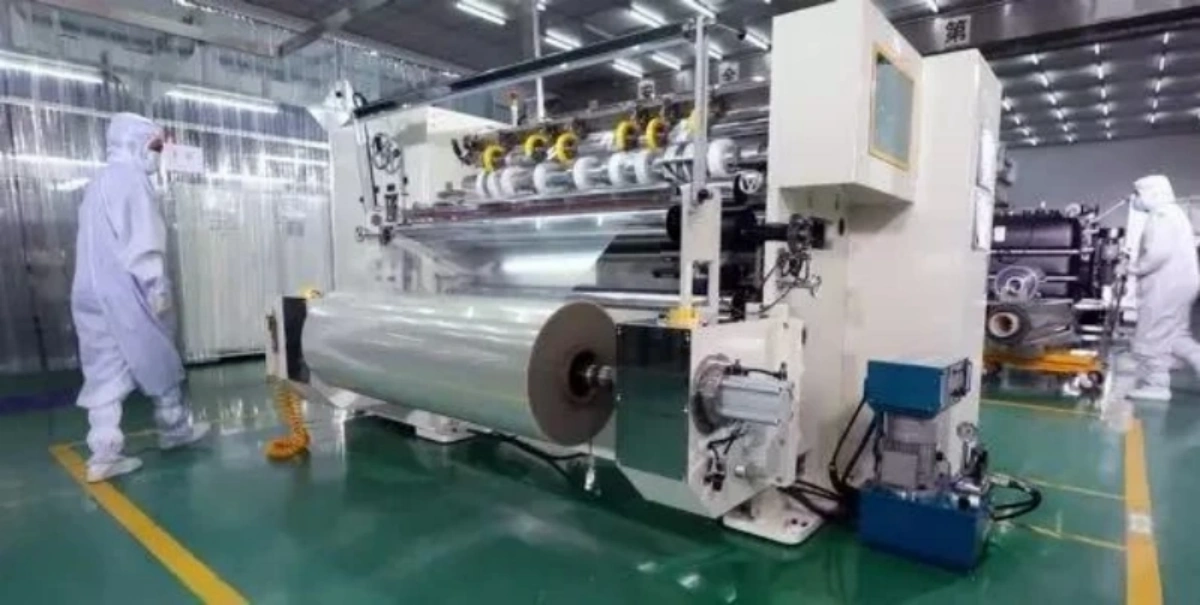
autoli TPU PPF Applied to all brand car models as Nissan、ford、AstonMartin、Audi.Our factory cooperates with AutoZone、PPF agent、PPF distributor and all so in many countries and regions around the world,like Macedonia,Cameroon,Slovenia,Austria,Indonesia,Netherlands,Warranty: 10 years.Our advantages:Our customers are all over the world;Efficient production reduces costs;Perfect after-sales service.Our factory also provides car wrapping、Vinyl wrapping.