

PPF preserves original paint integrity, lifting used car value by 10-20%—a ¥20k investment offsets resale losses for ¥300k cars.,Hydrophobic coating repels acid rain and bird droppings.,Factory – Powered Success: PPF in Rich Hues, Propel Your Brand Forward.
The market trends and industry changes of PPF:
- ADAS Sensor Compatibility – PPF films with 99.9% LiDAR/radar transparency are becoming standard, ensuring autonomous driving systems function unimpeded post-installation.
- Rise of Professional Detailing Chains – Organized car care franchises in India and Thailand are offering PPF as a core service, bundling it with ceramic coatings and detailing packages to attract premium customers.
- Thinner Yet Stronger Films – 6-mil PPF films now match the durability of 8-mil predecessors, reducing material use by 25% while maintaining impact resistance.
- Cross-Industry Collaborations – Material suppliers (e.g., Lubrizol) are partnering with PPF manufacturers to develop specialized films for extreme climates, such as heat-resistant variants for desert regions.
- Personalization Trends in Aesthetics – Demand for matte finishes, colored PPF, and custom textures is surging, with TPU-based films offering UV-resistant, self-healing properties to meet consumer preferences for vehicle customization.
- Data-Driven Marketing Strategies – Brands are using AI analytics to identify regional demand patterns, tailoring product launches (e.g., anti-yellowing films for high-sun areas) to specific markets.
The horizontal comparison of PPF with other protection methods:
- PPF vs. Acrylic Sealants – Acrylic sealants offer temporary gloss (3–6 months) without impact resistance, while PPF adds a physical layer shielding against chips and scratches.
- PPF vs. Vinyl Protectants – Vinyl protectants prevent cracking in vinyl wraps but don’t shield against impacts, unlike PPF which adds scratch resistance to wrapped surfaces.
- PPF vs. Silicone Coatings – Silicone coatings repel water but degrade quickly (1–2 years) under UV exposure, whereas PPF maintains hydrophobicity for 5 years with UV stabilizers.
- PPF vs. Vinyl Wraps – PPF prioritizes paint protection with self-healing properties, while vinyl wraps focus on aesthetic customization, with PPF being more durable against abrasion.
- PPF vs. UV-Blocking Window Tints – Tints reduce interior UV exposure, while PPF blocks exterior paint UV damage, with both addressing UV risks but on different surfaces.
- PPF vs. Glass Polish – Polish removes water spots from glass, while PPF on paint prevents spots via hydrophobicity, with distinct surface applications.
- PPF vs. Leather Protectors – Leather treatments guard against spills/cracking, while interior PPF shields dash/console plastics from UV fading and scratches, with separate material focuses.
- PPF vs. Alloy Wheel Sealants – Wheel sealants resist brake dust, while PPF on wheels adds scratch protection, with PPF better handling curb impacts.
- PPF vs. Metal Polish – Metal polish restores shine to chrome/alloys but offers no protection, while PPF on metal trims prevents future scratches and tarnishing.
- PPF vs. Anti-Static Sprays – Sprays reduce dust attraction temporarily, while PPF’s anti-static properties last for years, with both aiding cleanliness but PPF offering more durability.
The cutting-edge technology research and development of PPF:
- Bio-Based UV Stabilizers – Plant-derived flavonoids and carotenoids replace synthetic HALS, maintaining UV resistance for 10 years.
- 3D Laser Cutting – Femtosecond laser ablation creates intricate patterns with <10-micron precision, optimizing material usage by 95%.
- Bio-Based UV Stabilizers – Plant-derived flavonoids and carotenoids replace synthetic HALS, maintaining UV resistance for 10 years.
- Nano-Composite Barrier Films – Layered double hydroxides (LDHs) in PPF block oxygen and water vapor transmission by 99.9% for food packaging.
- Bio-Based Flame Retardants – Chitosan-functionalized ammonium polyphosphate (CS-APP) and phenylphosphonic difurfurylamine (PPDF) provide V-0 rating in UL 94 tests with <1% loading.
- Aerospace-Grade Composites – Polycarbonate-TPU blends engineered for aircraft windshields offer ballistic resistance and impact absorption in automotive applications.
- Biodegradable Nanocomposites – Coconut husk-derived bioplastics and black phosphorus-reinforced PPF degrade in 3–5 years under industrial composting.
- Dynamic Mechanical Response Coatings – Shape memory polyurethanes with programmable stress-strain curves adapt to impact forces in automotive collisions.
- Dynamic Color-Changing PPF – Thermochromic liquid crystals embedded in films display temperature gradients for diagnostic applications.
The differentiated user group needs matching of PPF:
- Desert Dwellers – Require sand-resistant PPF with anti-abrasion topcoats to prevent paint damage from blowing sand and extreme UV radiation.
- Forestry Service Trucks – Need debris-resistant PPF for cabs and beds, withstanding tree branches and wood chips during forest management.
- Classic Car Collectors – Opt for low-tack, reversible PPF that preserves original paint while allowing removal for concours events and inspections.
- Daily Urban Commuters – Seek 7–8mil UV-stabilized PPF for scratch resistance against parking lot dings and road debris during city driving.
- EV Owners – Require heat-resistant PPF (120°C ) for battery zones and radar-transparent films to maintain ADAS functionality.
How TPU Redefines PPF:
- Low Thermal Expansion – TPU’s stable dimensions redefined PPF from warping-prone films to temperature-stable protectors avoiding edge lifting in heat.
- Self-Healing Revolution – TPU’s microstructural recovery under heat redefined PPF from static protection to dynamic, scratch-repairing films that mend 3μm scratches automatically.
- Eco-Friendly Evolution – Recyclable TPU redefined PPF from single-use plastic waste to circular economy products with end-of-life material recovery.
- Customization Capability – TPU’s laser-cuttable nature redefined PPF from generic sheets to vehicle-specific kits with precision fits for complex curves.
- Cold-Weather Flexibility – TPU’s resistance to brittleness in sub-zero temperatures redefined PPF from seasonal products to year-round protection in cold climates.
- Hydrophobic Integration – TPU compatible with ceramic topcoats redefined PPF from basic protectors to water-repellent systems reducing cleaning needs by 50%.
- Lightweight Shipping – TPU’s low density redefined PPF from high-freight-cost products to cost-efficient options reducing transportation emissions by 30%.
- Disaster Resilience – TPU’s tear resistance redefined PPF from storm-vulnerable covers to hurricane and flood-resistant protectors for emergency vehicles.
- Thermal Stability – TPU’s heat resistance redefined PPF from exterior-only products to under-hood protectors for EV battery zones and engine bays.
- DIY Accessibility – TPU’s user-friendly installation redefined PPF from professional-only services to accessible DIY projects with pre-cut kits.
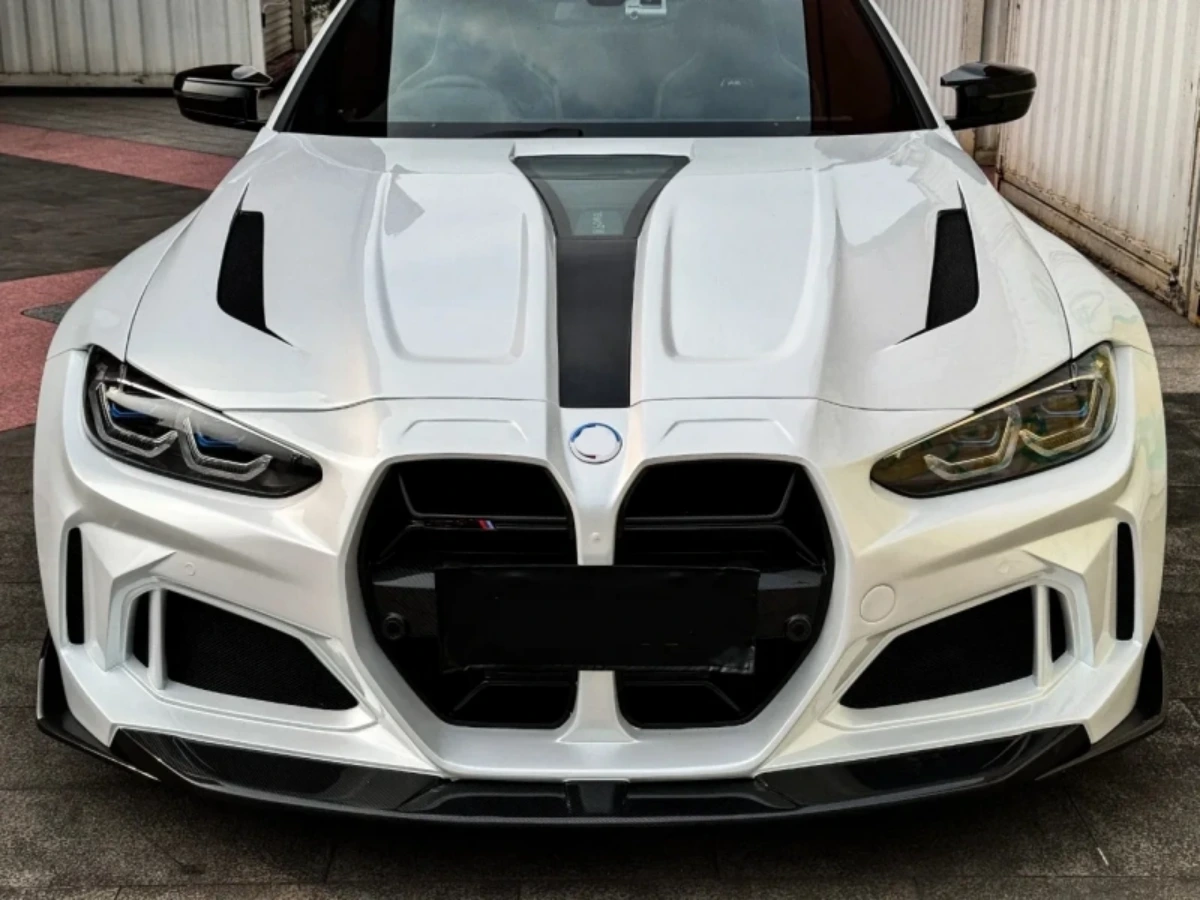
Say Goodbye to Car Scratches: Self-Healing PPF Revealed!:
- Scratches from parking sensors or automatic door closers heal, maintaining a clean look on tech-integrated cars.
- Car owners report a 70% reduction in visible scratches after installing self-healing PPF, boosting vehicle pride and resale value.
- Off-road enthusiasts enjoy scratch repair from trail debris, maintaining vehicle appearance without limiting adventure.
- Lease vehicle owners avoid end-of-term fees, as self-healing PPF repairs minor surface damage before return.
- Self-healing efficiency is highest for thinner scratches, making it ideal for preventing “spider web” swirl marks.
- Years of healing cycles won’t thin the film—PPF retains 90% of its original thickness, avoiding premature replacement.
The environmental protection and sustainability of PPF:
- Low-Impact Installation – Water-based application solutions replace harsh solvents, minimizing environmental harm during professional installation.
- Compostable Instruction Guides – Manuals printed on seed paper grow into plants, eliminating paper waste from disposal.
- Renewable Energy Credits – Purchasing RECs offsets 100% of grid electricity use, making production carbon-neutral.
- WEEE Directive Compliance – PPF recycling aligns with EU WEEE standards, ensuring proper disposal of polymer waste to prevent soil contamination.
- Wind-Powered Manufacturing – PPF producers using wind energy reduce production emissions by 35% compared to grid-powered facilities, aligning with renewable energy goals.
- Reduced Touch-Up Paint Use – PPF prevents 80% of minor scratches, eliminating the need for toxic touch-up paint applications.
- Minimal Waste Production – Laser-precut kits reduce material waste by 40% compared to hand-cutting, optimizing resource utilization.
- Green Manufacturing Certifications – ISO 14001-certified facilities ensure PPF production follows environmentally responsible management systems.
- Recycled Water in Production – Closed-loop water systems reuse 90% of process water, limiting freshwater withdrawals.
The construction and maintenance of PPF:
- Temperature Adaptation – Adjusting installation speed in cold climates (below 15°C) to allow adhesives proper activation time.
- Low-Temperature Cleaning – Using warm (not hot) water in winter prevents thermal shock to the PPF and adhesives.
- Vinegar Solution for Water Spots – A mild vinegar rinse dissolves mineral deposits on PPF without harming the topcoat.
- Tapered Overlap Seams – Feathered edge overlaps (≤0.5mm) create invisible, water-resistant seams between panel sections.
- Bi-Weekly Bird Dropping Inspections – Regular checks allow prompt removal of acidic droppings before they etch the topcoat.
- Minor Bubble Repair – Using a heat gun and squeegee to reactivate adhesives and push out small bubbles post-installation.
- Edge Sealing – Heat-sealing edges with a microfiber cloth prevents moisture ingress and future lifting in car washes.
- Test Applications on Scrap Panels – Practicing on metal scraps refines squeegee pressure before applying PPF to the vehicle.
- Silicone-Free Cleaners – Avoiding silicone-based products prevents glossy residue that attracts dust to PPF surfaces.
AUTOLI(CN) PPF(Paint Protection Film) manufacturer
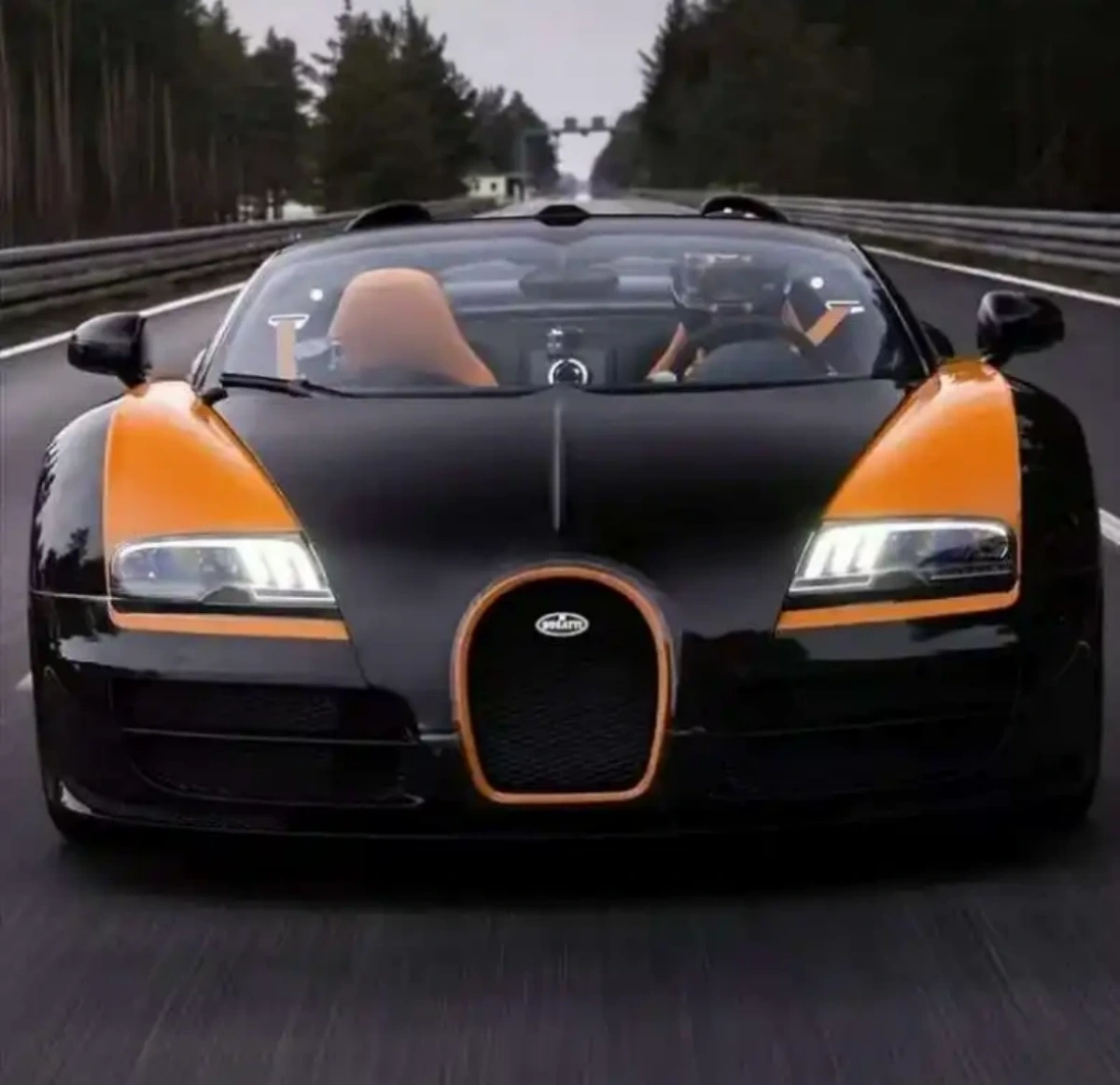
autoli TPU PPF Applied to all brand car models as byd、Volkswagen、Benz、Cadillac、binli、Dodge.Our factory cooperates with ppf installation、PPF wholesale、Auto Detailing Shop and all so in many countries and regions around the world,like Mexico,Germany,Austria,Germany,Maldives,Warranty: 10 years.Our advantages:Raw material purchasing advantage;Our customers are all over the world;Your Key to Profitable PPF Ventures;Our customers are all over the world.Our factory also provides PPF、Paint Protection Film.