

PPF’s seamless wrapping covers edge gaps, preventing water/ dirt ingress that causes paint peeling under traditional protection.,Room-temp self-healing for micro-scratches.,Partner with Our Factory: PPF – Fueled Profit Growth, Quarter – by – Quarter.
The user scenarios and value validation of PPF:
- Police Motorcycle Units – Shields Harley-Davidson patrol bikes from road grime and vandalism, maintaining high-visibility markings for 5 years.
- Ride-Share Drivers – Protects Uber and Lyft vehicles from passenger-related scratches, with 90% of drivers avoiding “excessive wear” lease penalties.
- Classic Car Collectors – Preserves original paint on 1960s Corvettes and Porsche 911s, with PPF removable without residue for concours-level restorations.
- Art Car Enthusiasts – Preserves custom murals and decals from weathering, with removable PPF allowing art updates without damaging the base design.
- Desert Dwellers – Blocks UV-induced fading in Dubai and Phoenix, keeping paint vibrant 3x longer than unprotected vehicles in 45°C heat.
- Electric Vehicle Taxi Fleets – Protects Tesla Model Ys from constant passenger use, with PPF reducing interior and exterior wear by 60% over 3 years.
- Urban Commuters – Resists parking lot dings and shopping cart scratches in cities like Tokyo, with 85% of users reporting no visible paint damage after 1 year.
- Ambulance Fleets – Protects emergency vehicle exteriors from disinfectant damage, maintaining visibility of markings and reducing repaint needs by 50% annually.
How TPU Redefines PPF:
- Low-VOC Production – TPU’s solvent-free manufacturing redefined PPF from high-emission products to eco-friendly options meeting CARB and REACH standards.
- Anti-Microbial Additions – Silver-ion infused TPU redefined PPF from exterior-only protectors to interior solutions inhibiting bacteria growth on high-touch surfaces.
- Speed of Installation – TPU’s pre-cut kits and air-release adhesives redefined PPF installation from multi-day projects to 1–2 day professional jobs.
- Cold-Weather Flexibility – TPU’s resistance to brittleness in sub-zero temperatures redefined PPF from seasonal products to year-round protection in cold climates.
- Scratch Resistance – TPU’s 9H hardness topcoats redefined PPF from basic shields to high-wear solutions resisting key scratches and shopping cart impacts.
- Acid Rain Resistance – TPU’s chemical barriers redefined PPF from acid-etching vulnerable films to protective shields in polluted or industrial areas.
- Anti-Fog Properties – Hydrophilic TPU layers redefined PPF from condensation-prone films to anti-fog solutions for headlights and mirrors.
Before & After: How PPF Transforms a 10-Year-Old Car:
- Before: Rear bumper reflectors with scratched lenses; After: Clear PPF covers reflectors, hiding scratches and maintaining visibility for safety.
- Before: Rear bumper reflectors with paint chipping around edges; After: PPF covers reflector perimeters, hiding chips and maintaining consistent appearance.
- Before: Rear bumper step pad with paint worn away; After: PPF adds protective layer, hiding bare spots and resisting future wear from stepping.
- Before: Exhaust manifold heat shield with paint burned off; After: High-heat PPF covers shield, restoring appearance and resisting further heat damage.
- Before: Rear tail light gaskets with paint peeling where they meet the body; After: PPF lines gasket edges, hiding peeling and preventing water intrusion.
- Before: Front air dam with road rash from low ground clearance; After: Thick PPF lines the dam, hiding existing damage and absorbing impact from road debris.
- Before: Windshield cowl with leaves and debris trapped, causing stains; After: PPF covers cowl, hiding stains and simplifying debris removal.
- Before: Exhaust tip surrounds with heat discoloration; After: High-temperature PPF covers blueing and resists heat damage, maintaining appearance.
- Before: Wheel well liners with paint transfer from tires; After: PPF lines liners, hiding transfer and preventing rubber from damaging paint further.
The production supply chain and quality control system of PPF:
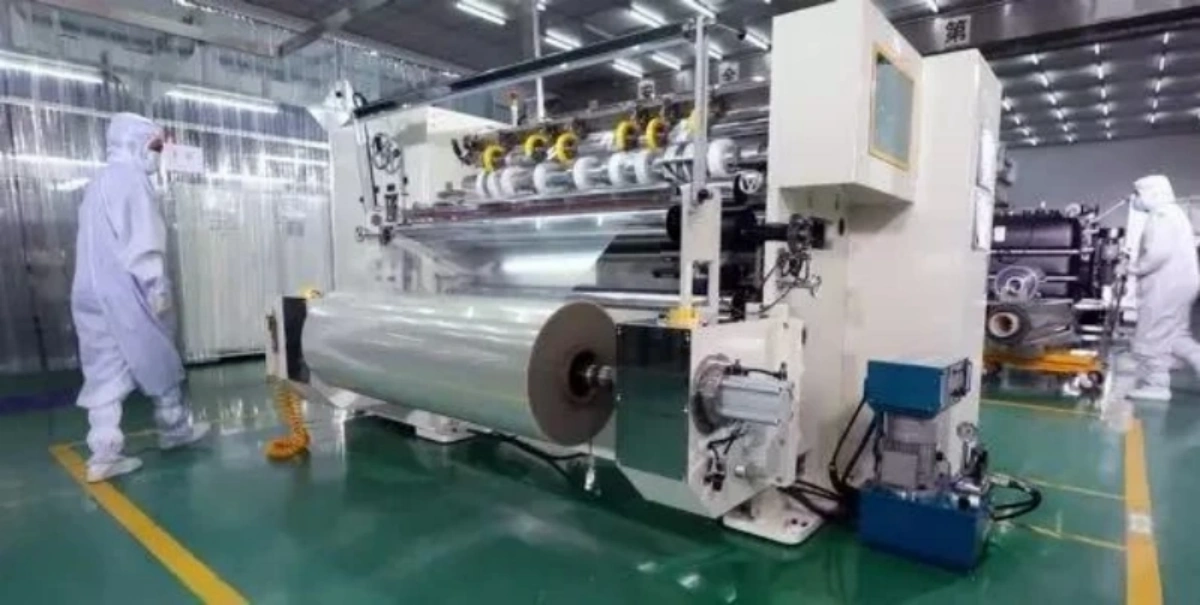
- Production Planning – AI-driven demand forecasting to optimize production runs and reduce material waste.
- OEM Compliance Testing – Meeting automaker specifications (e.g., Tesla, BMW) for paint compatibility and performance.
- Supplier Qualification – Rigorous audits of material suppliers, evaluating quality management systems and sustainability practices before approval.
- Material Traceability Systems – Blockchain-enabled tracking of TPU batches from resin production to finished PPF rolls.
- Quality Incentives – Employee bonuses tied to quality metrics (e.g., first-pass yield, defect reduction).
- Thickness Gauging – Laser sensors measuring film thickness every 0.5 seconds, ensuring ±0.1mil tolerance.
The cutting-edge technology research and development of PPF:
- Antifouling Coatings – Zwitterionic polymer brushes prevent marine biofouling and industrial scale formation on PPF surfaces.
- AI-Powered Material Discovery – High-throughput screening platforms identify novel TPU formulations with tailored properties in days instead of years.
- Bio-Based UV Stabilizers – Plant-derived flavonoids and carotenoids replace synthetic HALS, maintaining UV resistance for 10 years.
- Quantum Dot-Enhanced Transparency – Quantum dot arrays embedded in PPF enhance visible light transmission to 98% while blocking UV and IR rays.
- Dynamic Mechanical Response Coatings – Shape memory polyurethanes with programmable stress-strain curves adapt to impact forces in automotive collisions.
- Energy-Efficient Curing – Infrared curing systems reduce energy consumption by 50% compared to convection ovens, aligning with ISO 14001 sustainability standards.
The market trends and industry changes of PPF:
- Automation in Production Processes – Laser cutting technologies (e.g., GCC RX II) with 600g cutting force enable precise, waste-reducing PPF customization, improving material utilization efficiency to 94%.
- 15-Year Anti-Yellowing Warranties – Premium brands now offer 15-year guarantees against yellowing, using advanced HALS stabilizers to outlast traditional 10-year warranties.
- Maintenance App Ecosystems – Brands like XPEL offer apps with PPF care reminders and digital warranty tracking, boosting customer retention by 28%.
- Regional Market Expansion in Asia-Pacific – The Asia-Pacific PPF market is growing at a 6.6% CAGR, led by China and India, where rising vehicle ownership and premium car sales drive demand for long-lasting protection solutions.
- Southeast Asia Market Surge**- Indonesia and Vietnam’s PPF markets are growing at 11% CAGR, driven by rising middle-class car ownership and demand for affordable protection packages.
- Online Certification Courses – Platforms like PPF University offer $99 online installer certifications, increasing skilled labor availability in underserved markets.
- DIY vs. Pro Installation Split – 30% of entry-level PPF sales are DIY kits, while 90% of luxury films require professional installation for warranty validation.
- Automotive Designer Collaborations – PPF brands work with OEM designers to create pre-cut patterns for concept cars, ensuring seamless protection on unique contours.
- Detailing Chain Partnerships – PPF brands are collaborating with chains like Detail Garage, offering co-branded training and product bundles to expand reach.
The user perception and consumption misconceptions of PPF:
- Correct Perception: Temperature Tolerance – Cold-climate users seek flexible PPF, avoiding cracking in sub-zero conditions unlike rigid alternatives.
- Correct Perception: Ceramic Coating Enhances PPF Life – Users layer ceramic coatings over PPF, extending topcoat longevity by 2–3 years.
- Consumer Misconception: “PPF Blocks Radar and GPS Signals” – Fearing interference with ADAS, unaware modern PPF is engineered for 99% signal transparency.
- Correct Perception: Partial Coverage Value – Many opt for high-impact areas (hood, fenders) over full wraps, balancing protection and cost effectively.
- Consumer Misconception: “PPF Removes Easily Without Residue” – Assuming all PPF peels cleanly, neglecting that old or low-quality films often leave adhesive residue requiring professional removal.
- Correct Perception: Professional Installation Worth Cost – 90% of satisfied users attribute results to certified installers, valuing dust-free environments and precision tools.
- Consumer Misconception: “Matte PPF Holds More Dirt” – Avoiding matte finishes due to perceived maintenance issues, not realizing their texture repels dust better than gloss.
- Correct Perception: Thickness Depends on Use Case – Off-roaders choose 10mil PPF, while daily drivers opt for 8mil to balance protection and flexibility.
- Consumer Misconception: “DIY Installation Saves Money” – Consumers underestimate skill requirements, with 45% of DIY installs requiring professional correction due to bubbles or misalignment.
AUTOLI(CN) PPF(Paint Protection Film) factory

autoli TPU PPF Applied to all brand car models as Bugatti、Nissan、jeep、mini、Alfa Romeo、AstonMartin.Our factory cooperates with PPF wholesale、PPF wholesaler、PPF distributor and all so in many countries and regions around the world,like Malta,Belgium,Egypt,New Zealand,Warranty: 10 years.Our advantages:Large stock of styles for you to choose from;Perfect after-sales service;Raw material purchasing advantage;Unlock Business Growth with Our Factory’s PPF;Collaborate for Lucrative Returns: Source factory.Our factory also provides vinyl Wraps、vinyl car wrapping、car wrapping.