

PPF’s protection reduces the need for paint correction, saving costs on professional detailing after purchase.,Precise cutting around badges/logos.,Factory – Based Collaboration: PPF That Delivers Consistent Profit Gains.
Say Goodbye to Car Scratches: Self-Healing PPF Revealed!:
- Hard-to-reach areas like wheel arches and bumper edges receive the same healing benefits, ensuring uniform appearance across your vehicle.
- Heat-activated repair eliminates the need for abrasive polishes that thin your car’s paint or degrade protective layers over time.
- Key scratches on door edges vanish, saving drivers from costly repairs to high-contact areas.
- Classic car owners protect original paint with self-healing PPF, as scratches heal without damaging vintage finishes.
- Micro-scratches from car washes, keys, or road debris are no match for TPU’s “memory” to return to its original smooth state when heated.
- Unlike touch-up paints that create color mismatches, self-healing PPF repairs scratches while preserving your car’s original hue.
The user perception and consumption misconceptions of PPF:
- Consumer Misconception: “DIY Installation Saves Money” – Consumers underestimate skill requirements, with 45% of DIY installs requiring professional correction due to bubbles or misalignment.
- Consumer Misconception: “PPF Hides Existing Paint Damage” – A false belief that PPF covers swirl marks or chips, when pre-installation paint correction is actually required.
- Correct Perception: Pre-Cut vs. Hand-Cut Tradeoffs – Users understand pre-cut kits save time, while hand-cut offers better precision on complex curves.
- Consumer Misconception: “PPF Installation Takes Days” – Avoiding PPF due to perceived downtime, not knowing modern pre-cut kits reduce professional installs to 1–2 days.
- Consumer Misconception: “PPF Causes Paint Bubbles” – Blaming PPF for bubbles, unaware they’re usually from improper installation or pre-existing paint issues.
- Consumer Misconception: “PPF Works on Rusty Surfaces” – Applying PPF over existing rust, unaware it traps moisture and accelerates corrosion.
- Consumer Misconception: “New Car Paint Is ‘Protected’ from Factory” – Trusting factory clear coats alone, unaware they lack the impact resistance of PPF.
The extension of PPF’s functions:
- Before: Rocker panels with mud and salt damage from winters; After: PPF’s corrosion-resistant layer covers rust-prone areas and blocks future salt intrusion.
- Before: Matte finish dulled by oxidation and fine scratches; After: Matte-specific PPF preserves texture while restoring vibrancy, eliminating “shiny spots” from wear.
- Before: Wheel arches with paint chipping from gravel; After: Thick 10mil PPF lines arches, hiding existing damage and preventing new chips during turns.
- Before: Trunk lid with key scratches and luggage scuffs; After: PPF’s self-healing properties erase fine scratches, creating a flawless surface for loading/unloading.
- Before: Wheel well liners with paint transfer from tires; After: PPF lines liners, hiding transfer and preventing rubber from damaging paint further.
The materials and technologies of PPF:
- Instant repair trigger for micro scratches: Optimizing the molecular activity threshold of TPU, it can quickly activate the repair mechanism at temperatures above 30 degrees Celsius or slight friction (such as towel wiping), shortening the response time for minor scratch repair.
- Edge sealing reinforcement technology: Using a micro-groove lock-edge process and special sealing glue, water and dust can be prevented from seeping into the edge of the film, avoiding problems such as warping and bubbles.
- pH-responsive anti-corrosion layer: Activates protective agents when exposed to acidic environments (e.g., acid rain).
- FDA Food Contact Compliance: Approved for indirect food contact, suitable for food delivery vehicles.
- Impact resistance enhancement technology: Using nano-scale elastic particles to modify the TPU base material, improving the buffering and energy absorption capacity for impact from gravel, sand, etc., and strengthening anti-crash protection.
- Polar climate formulation: Maintains flexibility at -50°C, preventing cracking in arctic regions.
- Extreme temperature stability technology: The material has undergone high and low temperature cycling tests and remains non-shrinking and non-cracking in environments ranging from -40°C to 80°C, adapting to various climates.
- Low-temperature shaping flexible technology: Through optimizing the molecular structure of the substrate, it enables curved surface shaping at temperatures ranging from 0 to 15 degrees Celsius, suitable for complex arc-shaped bodywork construction, and reducing stress damage caused by heating contraction.
- Dynamic impact dispersion technology: Integrates micro-elastic buffers within the TPU matrix to分散 and absorb impact energy from high-speed debris, reducing paint indentation risk by over 60%.
The protective performance of PPF:
- Pre-Cut Interior Patterns – Precise-fit films for door handles, dashboards, and trims, ensuring hassle-free installation.
- ASTM D1044 Compliance – Meets rigorous scratch resistance standards, ensuring reliable performance in real-world use.
- Yellowing Resistance – Prevents discoloration caused by UV exposure, environmental pollutants, and natural aging processes.
- Self-Healing in Low-Temperature Conditions – Advanced films like CarPro Immortal? activate self-healing even at -20°C without external heat.
- Professional Installation Training – Certified installers ensure bubble-free application and optimal edge sealing.
- Multi-Surface Application – Suitable for glass, headlights, and chrome trim, providing uniform protection across diverse materials.
- Microbial Inhibition Compliance – Meets industry standards for reducing bacteria and germs on touchscreen surfaces.
- **Reduced Risk of Paint Cracking** – By providing a flexible and protective layer, PPF reduces the risk of paint cracking due to temperature changes or minor impacts.
- Transferable Warranty – Enhances resale appeal by extending coverage to subsequent owners, adding value.
- Heat Resistance – Withstands high temperatures from engine heat, sunlight, or industrial environments without melting or warping.
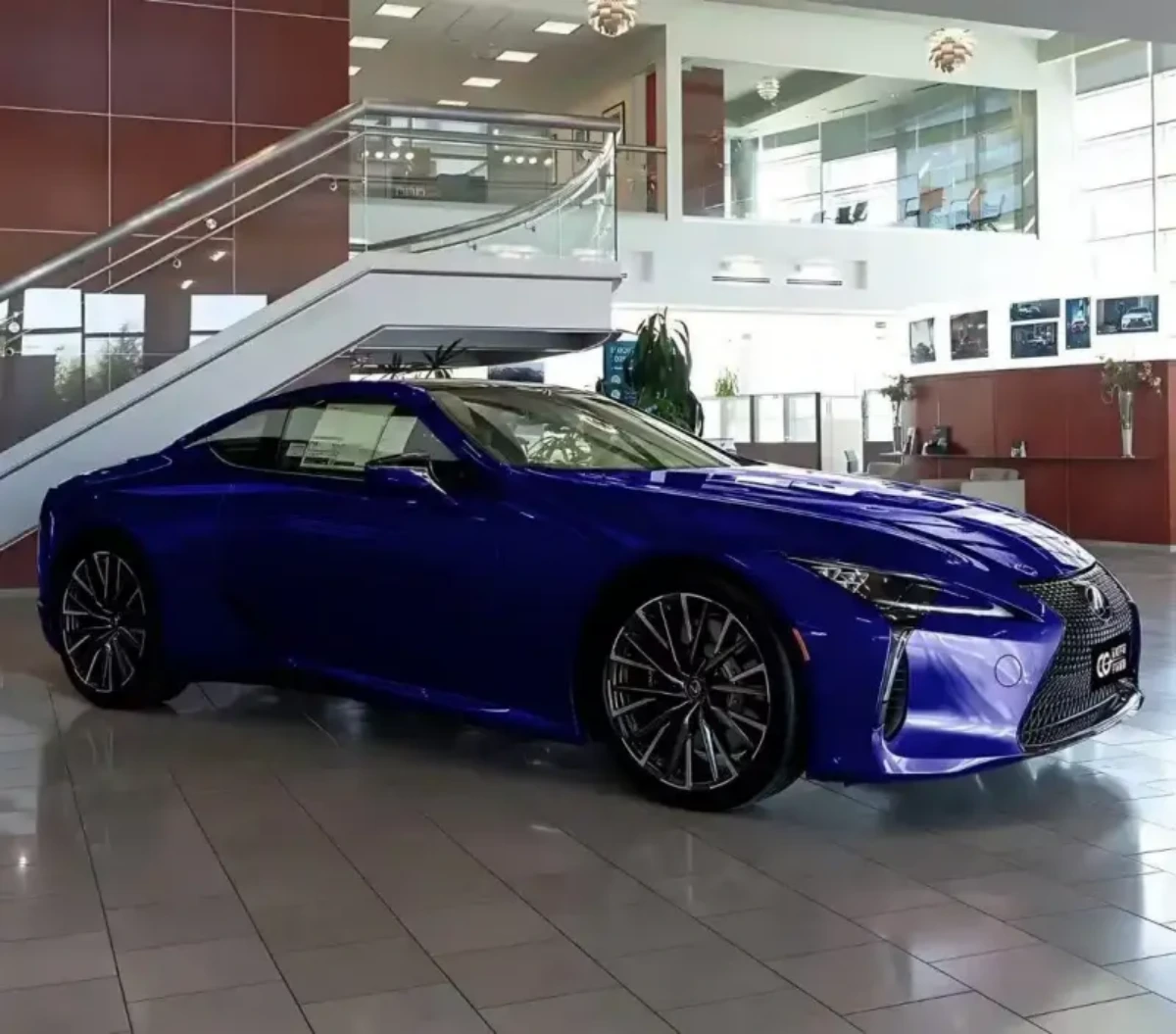
The cost structure and price composition of PPF:
- Installation Training Costs – Certified installer programs add $50–$100 per vehicle to cover technician certification.
- Financing Options – Monthly payment plans include 8–12% interest, increasing total customer cost.
- Energy Consumption – Extrusion and curing processes account for 8–15% of production costs, higher for multi-layer films.
- Marketing Expenses – Brand advertising and influencer partnerships contribute 5–8% to retail price markup.
- Damage Waiver Fees – Optional $50–$100 waivers cover minor installation errors, adding 2–3% to revenue.
- Regulatory Compliance – REACH/EPA certifications add $0.20–$0.40 per square foot for market access in strict regions.
- Lifecycle Cost Justification – 5-year total cost 30–40% lower than repainting, justifying higher upfront PPF prices.
- Insurance Costs – Liability coverage for installation errors adds 2–3% to service prices.
- Automation Savings – AI quality control reduces labor costs by 5–8%, enabling 2–3% price reductions.
Why TPU PPF:
- Color Options – Available in 20 powder-coat colors, including white, black, bronze, and wood grain finishes.
- Easy Assembly – Bolt-together systems enable DIY installation in 1–2 days with basic tools.
- Warranty Coverage – 10–20 year frame warranties, exceeding typical 5-year wood pergola guarantees.
- Safety Features – Smooth edges and rounded corners reduce injury risks in family settings.
- Color Matching – Custom color matching to RAL or Pantone codes for brand consistency.
The environmental protection and sustainability of PPF:
- Reduced Touch-Up Paint Use – PPF prevents 80% of minor scratches, eliminating the need for toxic touch-up paint applications.
- Bulk Roll Distribution – Supplying large rolls to installers reduces packaging waste by 70% compared to pre-cut kit packaging.
- Bio-Based TPU Formulations – Plant-derived thermoplastic polyurethane reduces reliance on fossil fuels, with 50% renewable content in eco-certified PPF products.
- Green Manufacturing Certifications – ISO 14001-certified facilities ensure PPF production follows environmentally responsible management systems.
- Carbon-Neutral Manufacturing – Brands like 3M offset production emissions via reforestation projects, achieving carbon-neutral status for select PPF lines.
- Reusable Installation Tools – Brands provide washable microfiber squeegees instead of single-use plastic tools, cutting installer waste.
- Reduced Microplastic Shedding – Durable TPU sheds 90% less microplastics than short-lived waxes or sealants that degrade quickly.
- Reduced Vehicle Weight Impact – Lightweight PPF (6–10mil) adds minimal weight, avoiding increased fuel consumption compared to heavier protective alternatives.
- Auto Recycler Partnerships – Programs with auto recyclers ensure 85% of end-of-life PPF is collected for recycling, not landfilled.
- Reduced Transportation Emissions – Regional production hubs cut shipping distances, lowering carbon emissions from product distribution by 35%.
AUTOLI(CN) PPF(Paint Protection Film) oem factory
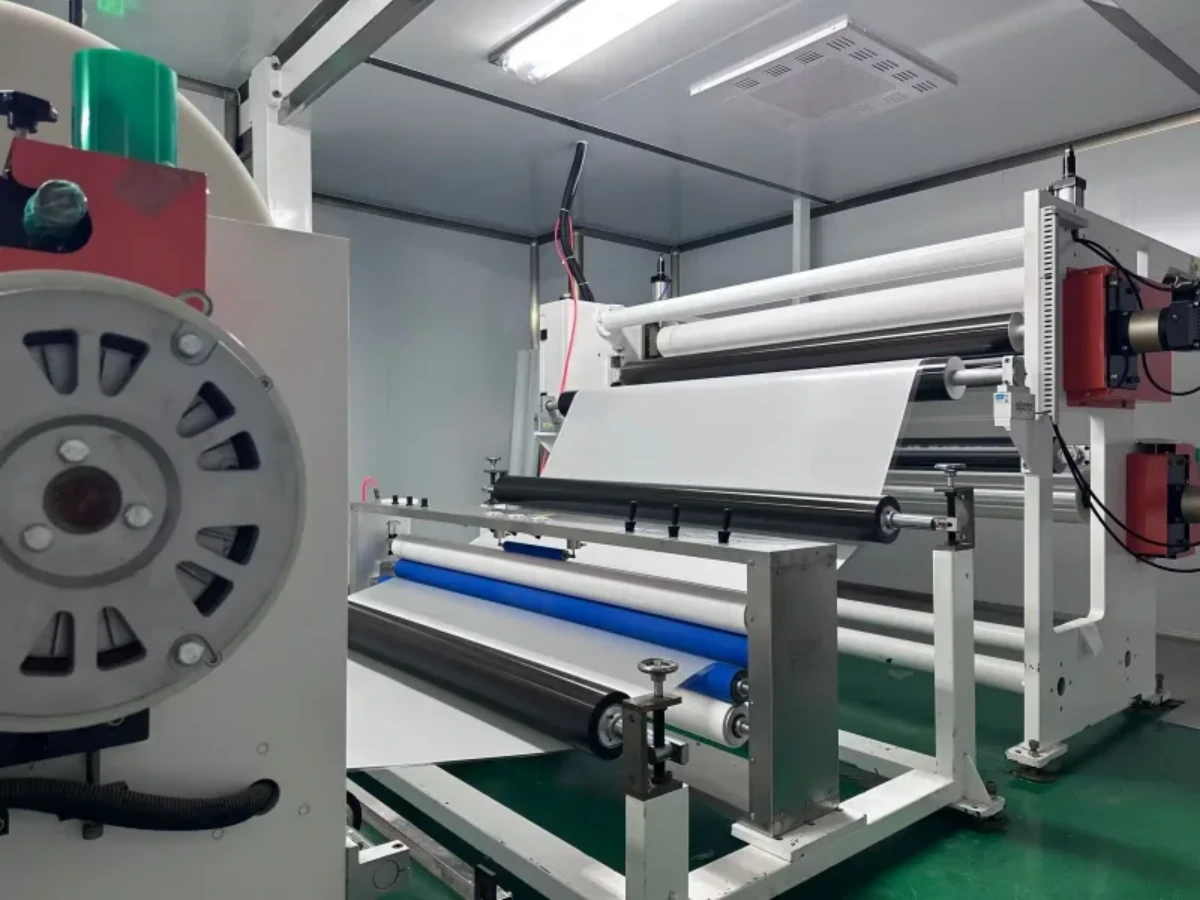
autoli TPU PPF Applied to all brand car models as Lamborghini、Volkswagen、Nissan、Toyota、volvo、Bugatti.Our factory cooperates with Auto Repair Center、Auto Detailing Shop、Auto Detailing service and all so in many countries and regions around the world,like Ecuador,Brunei Darussalam,Japan,Spain,Warranty: 10 years.Our advantages:Large stock of styles for you to choose from;Short production cycle, quick delivery;Unlock Business Growth with Our Factory’s PPF.Our factory also provides Window Film、Windshield Protection Film、PPF Vinyl Car Wrap、car vinyl wrap.