

PPF’s resistance to industrial fallout (metal particles) prevents rust spots, a common problem in urban areas.,Lightweight, no impact on fuel efficiency.,Partner with Our Factory: Multicolored PPF, Improved Profitability.
The production supply chain and quality control system of PPF:
- Extrusion Process Management – Real-time monitoring of temperature, pressure, and speed to ensure consistent film thickness.
- Material Traceability Systems – Blockchain-enabled tracking of TPU batches from resin production to finished PPF rolls.
- Batch Testing Protocols – Random sampling of finished rolls (1 per 50) for full performance characterization.
- Predictive Maintenance – IoT sensors on production equipment forecasting part failures to prevent unplanned downtime.
- Production Planning – AI-driven demand forecasting to optimize production runs and reduce material waste.
- Reverse Logistics – Systems for returning defective rolls, with sorting centers identifying repairable vs. recyclable materials.
- Lean Manufacturing Practices – 5S and waste reduction initiatives improving consistency and reducing defects.
- Hydrophobicity Checks – Contact angle measurements (>110°) confirming topcoat water repellency before roll winding.
The market trends and industry changes of PPF:
- Anti-Microbial PPF Growth – Post-pandemic, 15% of interior PPF includes silver-ion coatings, inhibiting 99% of bacteria on high-touch surfaces like door handles.
- E-Bike/Scooter PPF Demand – 40% of e-mobility retailers offer PPF for scooter bodies, protecting against urban scratches and extending resale value.
- Circular Economy Initiatives – Closed-loop recycling programs for end-of-life PPF are being piloted, with companies like MBA Polymers achieving 80% carbon reduction in recycled PP production.
- 15-Year Anti-Yellowing Warranties – Premium brands now offer 15-year guarantees against yellowing, using advanced HALS stabilizers to outlast traditional 10-year warranties.
- 3D Scanning and Custom Fitment – Laser-precut films using 3D vehicle scanning technology ensure seamless alignment, reducing installation time by 30% compared to traditional hand-cut methods.
- Shift Toward Touchless Installations – Automated robotic systems are being adopted in high-volume shops to minimize human error, particularly in edge trimming and heat-sealing processes.
- Digital Print Integration – UV-curable digital printing on PPF allows custom graphics/logos, with 35% of commercial fleets now using branded PPF for marketing.
The materials and technologies of PPF:
- Low-temperature shaping flexible technology: Through optimizing the molecular structure of the substrate, it enables curved surface shaping at temperatures ranging from 0 to 15 degrees Celsius, suitable for complex arc-shaped bodywork construction, and reducing stress damage caused by heating contraction.
- Scratch repair efficiency optimization technology: By adjusting the crosslinking density of TPU molecules and the coating activity, the self-repair speed of scratches under low-temperature conditions is enhanced, and the repair response time is shortened.
- Environmentally friendly and formaldehyde-free process: The production uses a VOCs-free formula, with no irritating odor during installation and use, meeting environmental standards.
- Thickness gradient optimization design: The thickness is differentiated according to the protection requirements of different vehicle parts (e.g., thicker for the hood to resist impact and thinner for the sides for easier adhesion), balancing protection and workability.
- pH-responsive anti-corrosion layer: Activates protective agents when exposed to acidic environments (e.g., acid rain).
- Polar climate formulation: Maintains flexibility at -50°C, preventing cracking in arctic regions.
- Anti-yellowing technology: Antioxidants and UV absorbers are added to inhibit oxidation and yellowing under long-term exposure to light, extending the appearance stability of the protective film.
- Closed-loop recycling technology: Using degradable TPU base materials or physical recycling processes, it enables the recycling of discarded film materials, reducing environmental burden.
- Track-day performance coating: Enhances heat resistance to 150°C for high-performance vehicles, preventing film delamination under extreme braking and acceleration.
The environmental protection and sustainability of PPF:
- Electric Delivery Vans – Urban distribution uses EV fleets, reducing tailpipe emissions by 100% in city centers.
- Recyclable PPF Materials – End-of-life TPU films are recyclable into secondary products like industrial mats, diverting 80% from landfills under closed-loop programs.
- Agricultural PPF Biodegradability – Films for farm equipment decompose after 5 years, avoiding plastic accumulation in rural areas.
- PFAS-Free Formulations – Eliminating per- and polyfluoroalkyl substances reduces environmental persistence, aligning with EU PFAS restrictions (2025 phase-out).
- 50% Less Water for Washing – Hydrophobic properties reduce car wash frequency, saving 200 gallons of water per vehicle annually.
- Recyclable Cardboard Cores – PPF rolls use recycled cardboard cores instead of plastic, with 90% recyclability post-use.
The cost structure and price composition of PPF:
- Supply Chain Premiums – Post-pandemic, material shortages increased prices by 10–15% in 2023–2024.
- Seasonal Pricing Fluctuations – Demand spikes in spring increase prices by 5–10% in temperate regions.
- Energy-Efficient Production Savings – Solar-powered factories reduce energy costs by 20–30%, lowering unit prices marginally.
- Export Pricing Adjustments – FOB prices 10–15% lower than domestic to remain competitive in global markets.
- Lead Time Premiums – Rush orders add 20–30% to prices to prioritize production and shipping.
- Volume Discounts – Fleet purchases reduce per-unit prices by 10–15% for orders over 50 vehicles.

The differentiated user group needs matching of PPF:
- Electric Vehicle Taxi Fleets – Require fast-healing PPF to hide minor scratches from constant passenger use, maintaining vehicle appearance.
- Mobile Hair Salon Vans – Select chemical-resistant PPF to protect exteriors from hair dye and product spills, maintaining professional appearance.
- Senior Driver Assistance Vehicles – Use scratch-resistant PPF on door edges and bumpers, reducing anxiety about minor parking mishaps.
- DIY Enthusiasts – Prefer pre-cut PPF kits with air-release adhesives for bubble-free application without professional tools or training.
- Agricultural Vehicle Operators – Use heavy-duty 12–15mil industrial PPF to shield tractor cabs from crop debris, mud, and chemical exposure.
- Mobile Bookstore Vans – Select scratch-resistant PPF for door edges, withstanding frequent customer entry/exit and book cart impacts.
- Eco-Conscious Users – Select bio-based, biodegradable PPF made from plant-derived TPU to align with sustainability goals and reduce environmental impact.
- Motorcycle Fleet Managers – Use pre-cut PPF kits for fuel tanks and fairings to reduce repair costs from rider-induced scratches and road debris.
- Desert Off-Road Racers – Require sand-resistant PPF with anti-abrasion topcoats, preventing paint damage from blowing sand during races.
The horizontal comparison of PPF with other protection methods:
- PPF vs. Polyurethane Sprays – Polyurethane sprays form a hard, brittle layer prone to chipping, while PPF’s flexible TPU base absorbs impacts without cracking.
- PPF vs. Clear Enamel – Clear enamel is a permanent paint layer that cracks under impact, whereas PPF flexes to absorb collisions and can be replaced if damaged.
- PPF vs. Clear Bra (Old-Generation) – Modern PPF offers self-healing and flexibility, outperforming rigid old-gen clear bras that crack in cold weather and lack repair abilities.
- PPF vs. Headlight Restoration Kits – Restoration fixes yellowing, while PPF prevents UV damage and rock chips on headlights, extending clarity 3x longer than restored lenses alone.
- PPF vs. TPU Sprays – TPU sprays form a thin protective layer but lack the thickness for impact absorption, while PPF’s multi-layer design dissipates collision energy.
- PPF vs. Rubber Gasket Protectants – Gasket protectants prevent drying/cracking, while PPF has no role in rubber maintenance, highlighting their non-overlapping functions.
- PPF vs. Chrome Plating Protection – Chrome sealants resist tarnishing, while PPF adds scratch resistance to chrome trims, with PPF better handling physical abrasion.
- PPF vs. Paint Sealant Sprays – Sealant sprays offer 6–9 months of UV protection but no scratch defense, while PPF combines both for extended durability.
- PPF vs. Vinyl Wraps – PPF prioritizes paint protection with self-healing properties, while vinyl wraps focus on aesthetic customization, with PPF being more durable against abrasion.
TPU PPF VS PET PPF:
- Chemical Cleaning Compatibility – TPU PPF tolerates iron removers and tar cleaners, while PET PPF may discolor with aggressive decontamination products.
- Installation Time – TPU PPF full-vehicle installs take 1–2 days, while PET PPF requires 1 day but with higher risk of rework.
- Maintenance Needs – TPU PPF requires quarterly sealant boosts, while PET PPF needs monthly cleaning to maintain hydrophobicity.
- Impact Indication – Some TPU PPF uses color-changing layers to show hidden damage, a feature unavailable in PET PPF.
- Heat Dissipation – TPU PPF’s thermal conductivity reduces under-hood temperatures by 3–5°C, while PET PPF traps 10% more heat.
- Self-Healing Capability – TPU PPF repairs 3μm scratches via heat activation, whereas PET PPF lacks self-healing, requiring replacement for even minor damage.
The cutting-edge technology research and development of PPF:
- Nano-Ceramic Reinforced PPF – Zirconia and alumina nanoparticles increase PPF hardness to 9H while maintaining 85% transparency.
- Dynamic Wettability Coatings – pH-responsive surfaces switch between superhydrophobic and hydrophilic states to adapt to varying environmental conditions.
- Dynamic Wettability Coatings – pH-responsive surfaces switch between superhydrophobic and hydrophilic states to adapt to varying environmental conditions.
- AI-Driven Process Optimization – Reinforcement learning algorithms adjust extrusion temperature and pressure in real-time, reducing waste by 60%.
- Photocatalytic Self-Cleaning – Titanium dioxide (TiO?) coatings decompose organic contaminants under UV light, reducing manual cleaning needs by 80%.
- Smart Sensor Integration – MEMS-based pressure and temperature sensors embedded in PPF monitor impact forces and environmental conditions in real-time.
AUTOLI(CN) PPF(Paint Protection Film) manufacturer
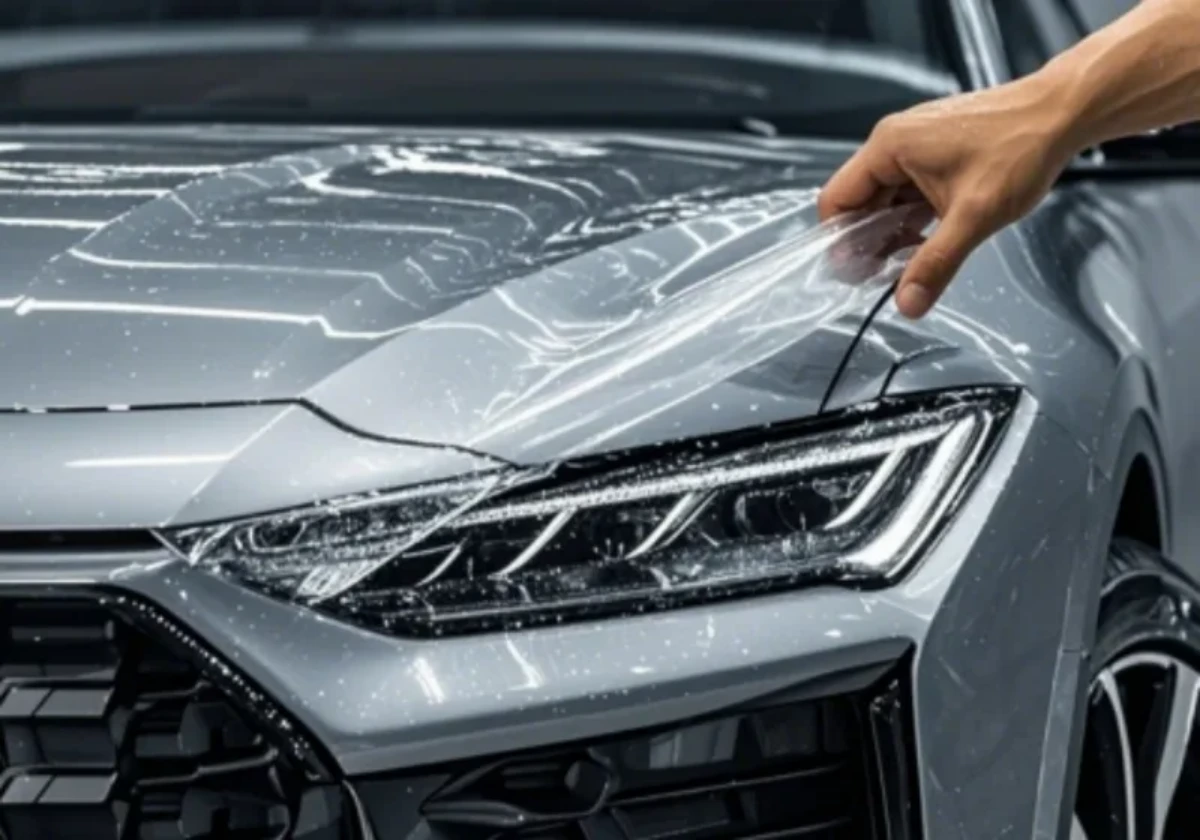
autoli TPU PPF Applied to all brand car models as Rolls-Royce、Lamborghini、ford、Ferrari.Our factory cooperates with PPF installer、Auto Detailing Shop、PPF agent、Auto Repair Center、PPF distributor and all so in many countries and regions around the world,like Indonesia,Peru,India,Switzerland,Warranty: 10 years.Our advantages:Efficient production reduces costs;Raw material purchasing advantage;Our customers are all over the world;Raw material purchasing advantage;Perfect after-sales service.Our factory also provides Windshield Protection Film、Vinyl Car Wrap、vinyl car wrapping.