

PPF’s resistance to bird droppings’ acidic content prevents etching, a common issue that ruins clear coats unprotected.,Withstands heavy rain without water damage.,Seize the Opportunity: Factory – Made PPF, Propel Your Profits to New Heights.
The materials and technologies of PPF:
- EV-specific lightweight optimization: Reduces base material density by 15% for electric vehicles, minimizing added weight impact on battery range.
- Nano-ceramic particle infusion: Incorporates 9H-hardness ceramic nanoparticles into the top coat, enhancing scratch resistance against keys and road debris.
- Anti-yellowing technology: Antioxidants and UV absorbers are added to inhibit oxidation and yellowing under long-term exposure to light, extending the appearance stability of the protective film.
- Anti-microbial coating infusion: Incorporates silver-ion nanoparticles to inhibit 99% of bacteria and mold growth on film surfaces in humid climates.
- Antibacterial and mold-resistant coating technology: Silver ion antibacterial agent is added to the membrane surface, which inhibits the growth of mold and bacteria in humid environments. This technology is particularly suitable for long-term use in areas with frequent rainfall and high humidity.
- Closed-loop recycling technology: Using degradable TPU base materials or physical recycling processes, it enables the recycling of discarded film materials, reducing environmental burden.
- Impact resistance enhancement technology: Using nano-scale elastic particles to modify the TPU base material, improving the buffering and energy absorption capacity for impact from gravel, sand, etc., and strengthening anti-crash protection.
- EV-specific lightweight optimization: Reduces base material density by 15% for electric vehicles, minimizing added weight impact on battery range.
- Scratch repair efficiency optimization technology: By adjusting the crosslinking density of TPU molecules and the coating activity, the self-repair speed of scratches under low-temperature conditions is enhanced, and the repair response time is shortened.
- Water resistance stability technology: By adding water resistance agents to the TPU base material, it inhibits the breakage of molecular chains in humid environments, extending the service life of the film material in high-humidity areas.
The horizontal comparison of PPF with other protection methods:
- PPF vs. Teflon Coatings – Teflon coatings reduce friction but lack self-healing, unlike PPF which repairs micro-scratches and resists abrasion better in high-wear areas.
- PPF vs. Powder Coating – Powder coating provides durable metal protection but is rigid and permanent, unlike PPF’s flexible, removable barrier for painted surfaces.
- PPF vs. Paint Sealant Sprays – Sealant sprays offer 6–9 months of UV protection but no scratch defense, while PPF combines both for extended durability.
- PPF vs. Clear Bra (Old-Generation) – Modern PPF offers self-healing and flexibility, outperforming rigid old-gen clear bras that crack in cold weather and lack repair abilities.
- PPF vs. Rust Converter Products – Converters treat existing rust, while PPF prevents rust triggers (moisture/salt) on painted surfaces, with complementary roles in corrosion management.
- PPF vs. Anti-Corrosion Sprays – Sprays inhibit rust on bare metal but don’t protect paint, whereas PPF blocks corrosion triggers (salt, moisture) from reaching painted surfaces.
- PPF vs. Fiberglass Coatings – Fiberglass coatings add rigid strength to surfaces but can’t conform to curves, unlike PPF which adapts to vehicle contours seamlessly.
- PPF vs. Anti-Static Sprays – Sprays reduce dust attraction temporarily, while PPF’s anti-static properties last for years, with both aiding cleanliness but PPF offering more durability.
The environmental protection and sustainability of PPF:
- Extended Product Lifespan – 10 year durability reduces replacement frequency, lowering overall material consumption compared to annual waxing or sealants.
- Reduced Paint Consumption – PPF extends paint lifespan by 5–10 years, cutting automotive repaint needs by 60% and reducing paint chemical waste.
- Water-Based Cleaning Solutions – Recommended PPF cleaners use 80% less harsh chemicals, reducing aquatic toxicity from wash runoff.
- Algae-Based TPU Blends – Experimental films use algae-derived polymers, reducing land use compared to plant-based alternatives.
- Minimal Waste Production – Laser-precut kits reduce material waste by 40% compared to hand-cutting, optimizing resource utilization.
- Reusable Shipping Crates – Replacing single-use boxes with returnable crates cuts packaging waste by 80% in B2B distribution.
- Waste Heat Recovery – Capturing factory heat for water heating reduces natural gas use by 20% in manufacturing facilities.
The cost structure and price composition of PPF:
- Seasonal Material Adjustments – Cold-weather formulations cost 5–10% more in winter months due to demand spikes.
- Quality Control Expenses – Automated inspection systems add 3–5% to production costs but reduce warranty claims by 40%.
- Cross-Selling Margins – PPF sales boost ceramic coating and detailing revenue by 25–35% at higher margins.
- Topcoat Quality Impact – Ceramic-infused topcoats add $0.50–$1.00 per square foot but enable 10–15% price premiums.
- Installation Training Costs – Certified installer programs add $50–$100 per vehicle to cover technician certification.
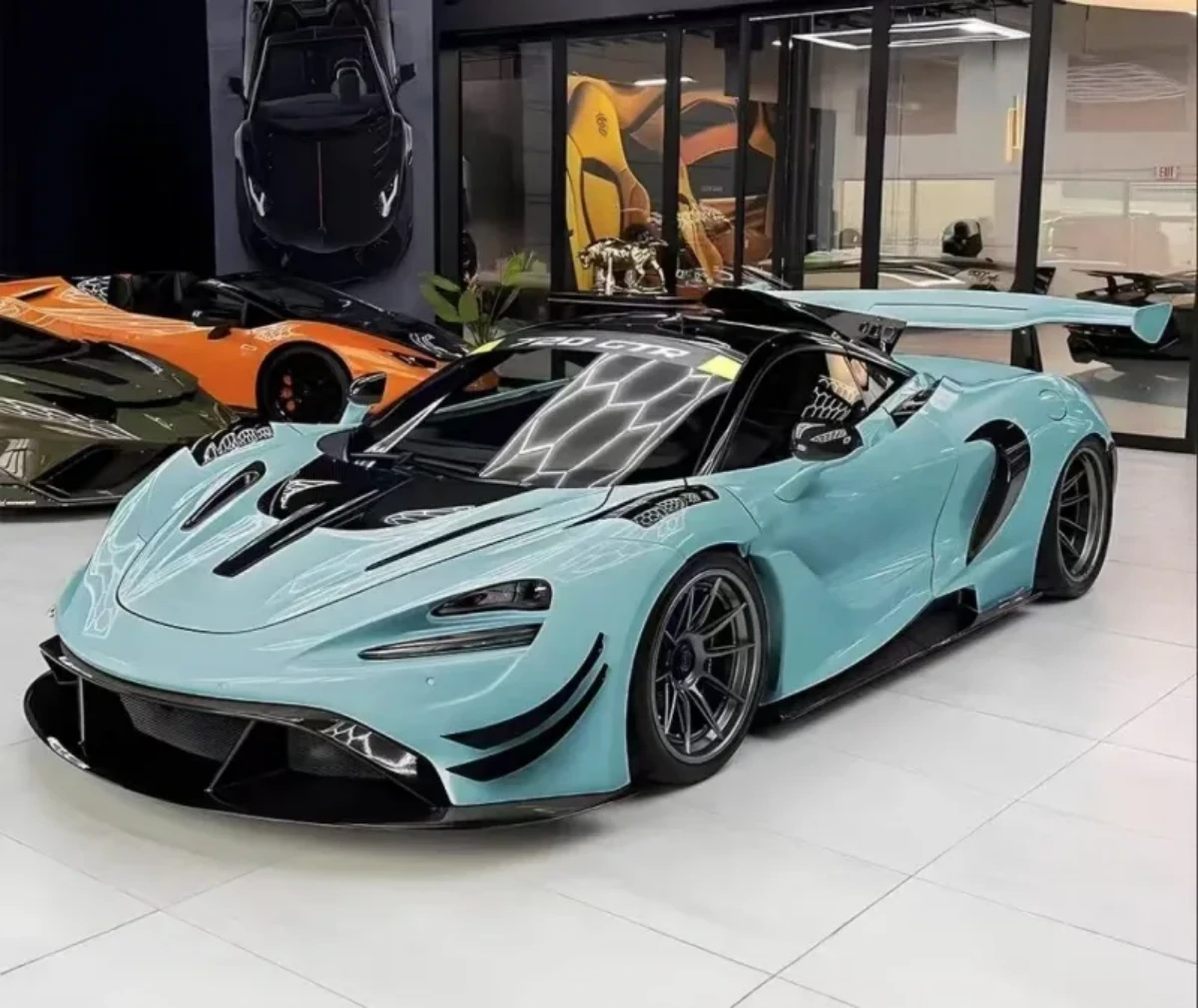
Say Goodbye to Car Scratches: Self-Healing PPF Revealed!:
- Unlike temporary fillers, self-healing repairs strengthen the film, maintaining its protective barrier against future damage.
- Healing speed increases with temperature, making summer the perfect season for quick scratch reversal on hot days.
- Morning scratches from your commute can vanish by afternoon sunlight, keeping your car looking pristine throughout the day.
- Self-healing technology keeps PPF “invisible” over time, as scratches don’t accumulate to create a cloudy appearance.
- Off-road enthusiasts enjoy scratch repair from trail debris, maintaining vehicle appearance without limiting adventure.
- Commercial vehicles (taxis, delivery vans) stay presentable longer, reducing fleet downtime for appearance maintenance.
- Scratches from parking sensors or automatic door closers heal, maintaining a clean look on tech-integrated cars.
- Self-healing PPF reduces light diffraction from micro-scratches, keeping paint looking brighter and more reflective.
- Heat-activated repair eliminates the need for abrasive polishes that thin your car’s paint or degrade protective layers over time.
- Fleet managers report higher driver satisfaction, as self-healing PPF keeps vehicles presentable with minimal effort.
The production supply chain and quality control system of PPF:
- Machine Vision Inspection – High-resolution cameras detecting micro-defects (≥20μm) in TPU films during production.
- Material Traceability Systems – Blockchain-enabled tracking of TPU batches from resin production to finished PPF rolls.
- Environmental Testing – Salt spray, humidity, and temperature cycle tests to validate durability in extreme climates.
- Raw Material Testing Protocols – Incoming TPU resin inspections for melt flow rate, tensile strength, and impurity levels.
- Production Planning – AI-driven demand forecasting to optimize production runs and reduce material waste.
- Extrusion Process Management – Real-time monitoring of temperature, pressure, and speed to ensure consistent film thickness.
- Quality Gates in Production – In-line inspections after extrusion, coating, and curing stages to catch defects early.
- Design for Quality (DFQ) – Quality requirements integrated into new product development from concept stage.
The user pain points of PPF and their solutions:
- Yellowing Over Time – Solved by anti-yellowing formulations with HALS stabilizers and UV absorbers, maintaining clarity for 10 years.
- Bird Dropping Etching – Addressed through acid-resistant topcoats and 24-hour removal guidelines to prevent permanent damage.
- Complex Maintenance – Simplified via pH-neutral cleaning kits, hydrophobic topcoats, and quarterly sealant boosters.
- Uncertainty About Lifespan – Resolved by clear warranty durations (5–15 years) and real-world durability data from field tests.
- Matte Paint Distortion – Solved by matte-specific PPF (20–30% gloss) designed to preserve texture without shine spots.
- Difficulty Matching Vehicle Contours – Addressed by 3D-scanned, vehicle-specific pre-cut patterns for complex curves (fenders, mirrors).
- Poor Hydrophobicity Over Time – Restored by SiO? sealant boosters, reviving water repellency every 3–6 months.
How TPU Redefines PPF:
- Color Stability – TPU’s pigment-retention properties redefined PPF from clear-only products to color-stable tinted films for subtle aesthetic enhancement.
- Winter Resilience – TPU’s resistance to ice scrapers and de-icing salts redefined PPF from seasonal products to winter-ready protectors in cold regions.
- Recycled Content Integration – TPU blends with 30% recycled material redefined PPF from virgin-only products to circular economy solutions.
- Disaster Recovery – TPU’s protection during storms redefined PPF from daily-use products to emergency preparedness tools reducing post-storm repair costs.
- Temperature Tolerance – TPU’s -40°C to 80°C stability redefined PPF from climate-limited products to all-weather solutions for extreme hot and cold regions.
- Anti-Corrosion Properties – TPU’s moisture barrier redefined PPF from paint protectors to rust-preventing systems in coastal and winter regions.
- Smart Maintenance – TPU’s IoT sensor integration redefined PPF from passive films to connected systems alerting owners to needed repairs or cleaning.
- Speed of Installation – TPU’s pre-cut kits and air-release adhesives redefined PPF installation from multi-day projects to 1–2 day professional jobs.
- Easy Removal – TPU’s residue-free adhesives redefined PPF from permanent modifications to temporary protection safe for classic cars and leases.
The long-term monitoring and maintenance system after the installation of PPF:
- Matte Finish Texture Checks – Using profilometers quarterly to verify matte PPF retains original texture (Ra 2–5μm) without glossing.
- Impact-Resistant Record Keeping – Logging maintenance dates, issues, and repairs to track performance over the warranty period.
- Antimicrobial Efficacy Checks – Testing interior PPF for bacterial growth quarterly in high-touch areas (steering wheel, door handles).
- Seasonal Storage Preparation – Cleaning thoroughly, applying sealant, and using breathable covers before 30 day storage periods.
- Monthly Deep Cleaning – Using pH-neutral (6–8) PPF-specific cleaners to dissolve road grime without damaging topcoats.
- Warranty-Approved Tools – Using only brand-recommended squeegees and applicators for DIY maintenance to avoid warranty voidance.
AUTOLI(CN) PPF(Paint Protection Film) manufacturer

autoli TPU PPF Applied to all brand car models as Land Rover、Benz、Maserati、binli.Our factory cooperates with PPF installer、PPF wholesale、PPF brand and all so in many countries and regions around the world,like Chile,Costa Rica,Philippines,Paraguay,Warranty: 10 years.Our advantages:Our customers are all over the world;Strict quality control system;Collaborate for Lucrative Returns: Source factory;Unlock Business Growth with Our Factory’s PPF;Short production cycle, quick delivery.Our factory also provides Paint Protection Film、TPU PPF.