

PPF’s protection during transport/ delivery shields new cars from dealer mishaps like accidental scratches or debris.,Compatible with ceramic coatings for layering.,Our Factory’s PPF: Your Ticket to Unprecedented Profit Bonanzas.
The regulations of PPF and after-sales services:
- Warranty Transferability – Transferred vehicle ownership often requires warranty re-registration, with brands like 3M requiring updated documentation to maintain coverage .
- Nano-Coating Warranty Bundles – Hybrid solutions combining PPF with ceramic coatings (e.g., Onyx PPF Nano Coat) offer extended warranties covering both layers .
- IoT-Enabled Performance Monitoring – Emerging PPFs with embedded sensors monitor UV exposure and damage levels, providing real-time data for predictive maintenance and warranty claims .
- Cross-Industry Regulatory Alignment – PPFs used in electronics or aerospace must comply with sector-specific standards (e.g., FCC for electronics), expanding regulatory complexity .
- WEEE Directive Compliance – End-of-life PPF must be recycled in accordance with the EU’s WEEE directive, promoting circular economy practices for electronic and automotive waste .
- EU Digital Product Passport – PPF manufacturers must disclose material composition and recycling details via the EU’s Digital Product Passport, enhancing supply chain transparency .
- NAR Auto Film’s Compensation Policy – NAR PPF provides 1:1 pre-installation and 1:2 post-installation defect compensation, backed by factory insurance covering up to 100% of replacement costs .
- 3M’s Warranty Exclusions – 3M’s warranty explicitly excludes watermarks, improper maintenance, and non-authorized products, emphasizing the need for professional installation and genuine materials .
- China’s Consumer Complaint Channels – PPF buyers in China can file quality-related disputes through the national 12315 hotline, facilitating regulatory oversight and resolution .
- Australia’s UV Protection Standards – PPFs sold in Australia/NZ must comply with AS/NZS 4399 for UV protection, requiring UPF ratings ≥15 and transparency in labeling .
TPU PPF VS PET PPF:
- Chemical Adhesion – TPU PPF bonds to factory and custom paints, while PET PPF may fail on matte or textured finishes.
- Historic Vehicle Use – TPU PPF’s reversible application protects classic car paint, unlike PET PPF which risks damaging vintage finishes.
- Printability – TPU PPF accepts UV-curable inks for custom graphics, while PET PPF’s surface resists ink adhesion, causing premature fading.
- Weather Adaptability – TPU PPF performs in coastal salt spray, while PET PPF shows corrosion under film in high-humidity environments.
- Visibility in Direct Sunlight – TPU PPF’s low glare reduces sun reflection, while PET PPF can create glare spots on sunny days.
- Industrial Applications – TPU PPF suits off-road vehicles and heavy machinery, whereas PET PPF is limited to low-impact urban use.
- Impact Resistance – TPU PPF absorbs 75% of rock chip energy at 60km/h, while PET PPF transfers 60% of impact force to underlying paint.
- Outdoor Storage Performance – TPU PPF-protected vehicles show 70% less fading in outdoor storage, compared to 30% reduction with PET PPF.
The extension of PPF’s functions:
- Before: Wheel valve stem caps with faded color; After: PPF covers caps, preserving color and resisting scratches from tire pressure checks.
- Before: Front fender emblems with faded paint on logos; After: Clear PPF covers emblems, preserving logos and resisting weathering damage.
- Before: Rear bumper reflectors with scratched lenses; After: Clear PPF covers reflectors, hiding scratches and maintaining visibility for safety.
- Before: Rear window defroster lines with faded paint around them; After: PPF covers the area, hiding discoloration and protecting against ice scraper damage.
- Before: Side mirrors with spiderweb cracks from stone impacts; After: PPF application conceals minor cracks and absorbs future impacts, extending mirror life.
- Before: Bumper with yellowed clear coat and road rash; After: PPF’s anti-yellowing formula covers discoloration and shields against future road debris damage.
- Before: Rear wiper blade pivot point with rust; After: PPF seals the pivot, covering rust and preventing water from accelerating corrosion.
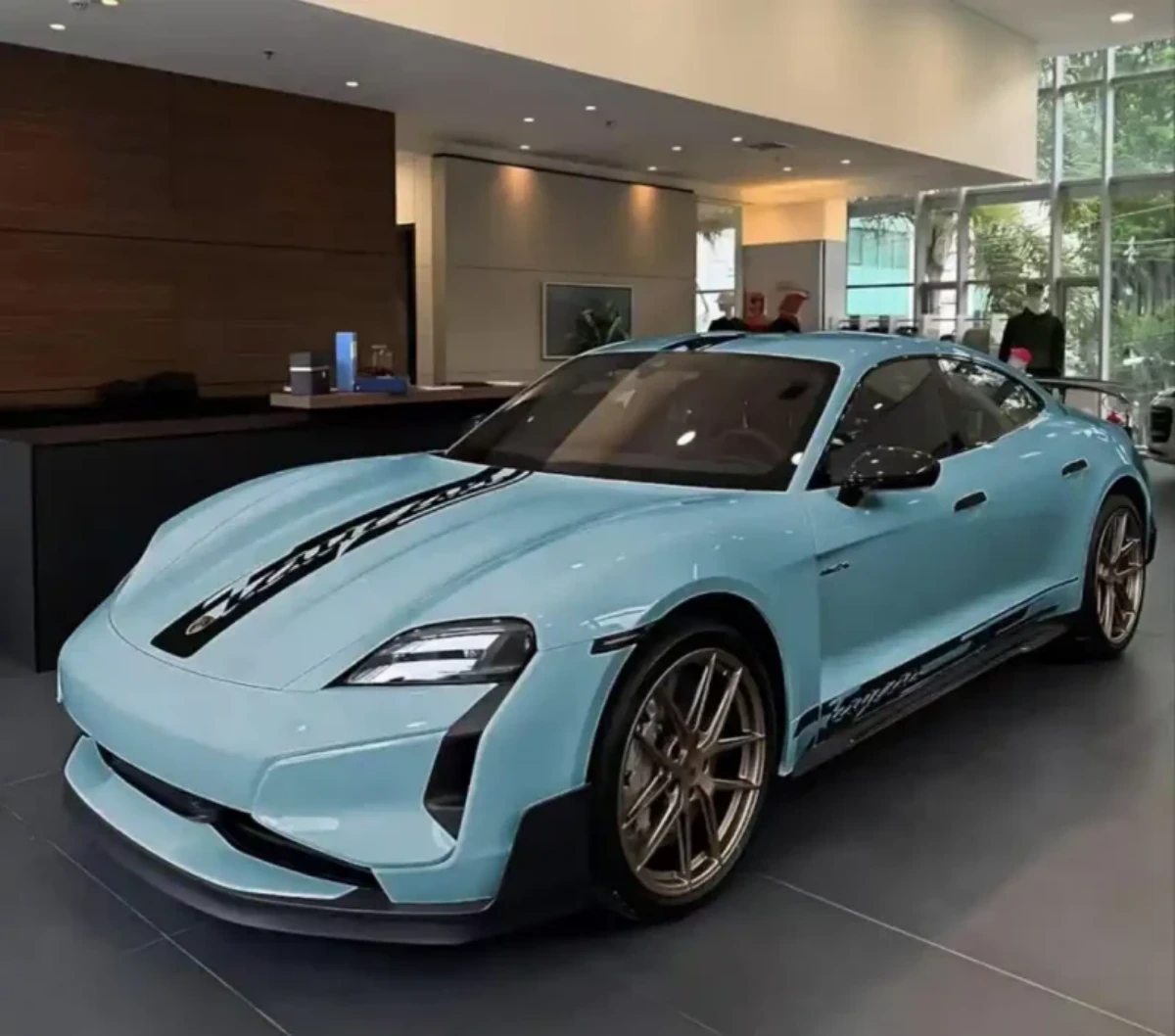
How TPU Redefines PPF:
- Light Transmission – High-clarity TPU redefined PPF from headlight-dimming films to optical-grade protectors preserving 98% light output for visibility.
- Anti-Microbial Additions – Silver-ion infused TPU redefined PPF from exterior-only protectors to interior solutions inhibiting bacteria growth on high-touch surfaces.
- Flexibility Breakthrough – TPU’s 500% elongation redefined PPF from rigid covers to conformable films that hug complex vehicle contours without cracking.
- DIY Accessibility – TPU’s user-friendly installation redefined PPF from professional-only services to accessible DIY projects with pre-cut kits.
- Production Efficiency – TPU’s extrusion-friendly properties redefined PPF manufacturing from batch processes to continuous production reducing costs.
The construction and maintenance of PPF:
- Avoid Parking Near Construction – Reducing exposure to heavy dust, gravel, or paint overspray preserves PPF integrity.
- 45° Pressure Washer Nozzle Angle – Directing spray at an angle prevents water from forcing PPF edges loose.
- Post-Repair Curing – Allowing 24 hours after minor repairs (e.g., bubble removal) before washing to ensure adhesion.
- pH-Neutral Cleaning – Using pH 6–8 car wash soap avoids damaging the PPF’s protective topcoat or weakening adhesives.
- Adhesive Priming – Using tack promoters on low-energy surfaces (e.g., plastic trim) enhances adhesion in challenging areas.
- Temperature Adaptation – Adjusting installation speed in cold climates (below 15°C) to allow adhesives proper activation time.
- Long-Term Replacement Planning – Scheduling replacement before topcoat failure (typically 5–10 years) avoids adhesive residue buildup.
- Sunlight Healing Activation – Parking in direct sunlight allows minor scratches to self-heal via heat-induced molecular repair.
- Overlap Management – Minimal (1–2mm) overlaps on panel seams are heat-sealed to prevent water intrusion and peeling.
- Bubble Removal – Puncturing large bubbles with a needle and re-squeegeeing ensures a flawless finish during installation.
The user pain points of PPF and their solutions:
- Fading in Extreme Sunlight – Fixed by 99% UV-blocking films with enhanced carbon black pigments for tropical climates.
- Salt Corrosion in Coastal Areas – Mitigated by anti-corrosion additives and salt-resistant adhesives reducing rust under film.
- Bubbles After Installation – Prevented by air-release adhesive channels and certified installers using dust-free environments.
- Unclear Warranty Coverage – Clarified via digital warranty passports detailing exclusions (wear, improper maintenance) and inclusions.
- Uncertainty About Lifespan – Resolved by clear warranty durations (5–15 years) and real-world durability data from field tests.
- Scratches from Automated Car Washes – Prevented by scratch-resistant topcoats (9H hardness) and “brushless wash safe” certifications.
- Mold Growth in Humid Climates – Prevented by antimicrobial additives and breathable film designs allowing moisture evaporation.
- High Installation Costs – Mitigated by tiered pricing (DIY kits vs. premium pro installs) and financing options for budget flexibility.
The user scenarios and value validation of PPF:
- Police Motorcycle Units – Shields Harley-Davidson patrol bikes from road grime and vandalism, maintaining high-visibility markings for 5 years.
- Mobile Veterinary Vans – Shields interiors from animal fluids and scratches, with PPF making sanitization 30% more efficient between appointments.
- Motorcycle Riders – Shields Harley-Davidson fuel tanks from belt buckle scratches, maintaining resale value for touring bikes by 12%.
- Custom Paint Owners – Preserves expensive matte or chameleon finishes, with PPF preventing swirl marks that would ruin $5,000 custom paint jobs.
- Lease Vehicle Users – Avoids lease-end paint repair fees (average $500) by protecting against minor damage, with 95% passing inspections without charges.
- Luxury Vehicle Owners – Preserves factory paint on high-end cars like Mercedes-Maybach, with 92% of owners reporting retained resale value after 3 years of PPF use.
- Cold-Climate Users – Prevents salt and ice melt damage in Stockholm and Toronto, with PPF-treated bumpers showing 50% less winter-related etching.
- Senior Living Community Shuttles – Maintains accessible van exteriors from wheelchair scrapes, ensuring safe, presentable transport for residents.
The long-term monitoring and maintenance system after the installation of PPF:
- Humidity-Controlled Storage – Covering vehicles with breathable covers in humid climates to reduce mold risk under PPF.
- Warranty-Compliant Products – Using only brand-recommended cleaners (e.g., XPEL Fusion Plus) to maintain warranty validity.
- Winter Snow Removal Guidelines – Using soft-bristle brushes and plastic scrapers with rubber edges to remove snow/ice.
- Avoid Silicone-Based Products – Steering clear of silicone sprays that leave glossy residues attracting dust to PPF surfaces.
- Contaminant Identification Guides – Referring to brand charts to distinguish between tar, sap, and paint overspray for proper removal.
AUTOLI(CN) PPF(Paint Protection Film) factory

autoli TPU PPF Applied to all brand car models as Audi、Jaguar、Lincoln、Infiniti.Our factory cooperates with PPF brand、Auto Spa、PPF wholesale and all so in many countries and regions around the world,like Egypt,Ireland,Slovenia,Peru,Warranty: 10 years.Our advantages:Raw material purchasing advantage;Your Key to Profitable PPF Ventures;Collaborate for Lucrative Returns: Source factory;Strict quality control system;Short production cycle, quick delivery.Our factory also provides PPF FILM、Vinyl Car Wrap.