

PPF’s transparency doesn’t affect paint color perception, critical for color-matching in case of partial repaints.,Reduces insurance claims for minor damage.,Custom PPF Colors – MOQ 100 Rolls, 15-Day Lead Time.
The materials and technologies of PPF:
- Edge sealing reinforcement technology: Using a micro-groove lock-edge process and special sealing glue, water and dust can be prevented from seeping into the edge of the film, avoiding problems such as warping and bubbles.
- Heavy metal-free composition: Eliminates lead, cadmium, and mercury, ensuring compliance with EU REACH and California Proposition 65.
- SAE J2527 Stone Chip Resistance Certification: Passes 120 km/h gravel impact testing without film penetration.
- Edge-locking micro-groove design: Prevents water ingress and edge lifting through interlocking grooves, backed by 10-year edge retention warranties.
- Anti-microbial coating infusion: Incorporates silver-ion nanoparticles to inhibit 99% of bacteria and mold growth on film surfaces in humid climates.
- Electromagnetic interference (EMI) shielding: Integrates graphene nanosheets to block 99% of electromagnetic radiation, critical for electric vehicle electronics.
The differentiated user group needs matching of PPF:
- Military Vehicle Collectors – Use camouflage-compatible PPF that preserves original paint while hiding minor scratches from display and transport.
- Photography Vehicle Owners – Select high-gloss white PPF for van exteriors, maintaining clean backdrops for on-location photo shoots.
- Horse Trailer Owners – Choose scratch-resistant PPF for aluminum exteriors, preventing damage from hoof kicks and hay bale impacts.
- Coastal Residents – Choose saltwater-resistant PPF with anti-corrosion additives to combat salt spray and humidity-induced oxidation.
- Lease Vehicle Users – Prefer removable, residue-free PPF to avoid end-of-lease paint repair fees, with easy removal without damaging factory finishes.
- Luxury Vehicle Owners – Demand 8.5 mil multi-layer PPF with 10 year anti-yellowing warranties to preserve factory paint and maintain resale value.
TPU PPF VS PET PPF:
- Material Flexibility – TPU PPF offers 500% elongation for contour-hugging application, while PET PPF provides <100% elongation, limiting use on curved surfaces.
- Production Efficiency – TPU PPF’s continuous extrusion reduces waste by 40%, while PET PPF’s batch production generates 25% more scrap.
- Ease of Repositioning – TPU PPF allows 3–5 repositioning attempts, whereas PET PPF’s adhesive activates permanently after initial contact.
- Surface Preparation – TPU PPF requires minimal paint correction, while PET PPF amplifies existing swirl marks due to lower flexibility.
- Recycled Content – TPU PPF incorporates 30% recycled material without performance loss, while PET PPF recycled blends show 20% reduced durability.
- Moisture Barrier – TPU PPF prevents water intrusion for 72 hours, while PET PPF allows moisture penetration after 24 hours at edges.
The user pain points of PPF and their solutions:
- Incompatibility with Custom Paint – Addressed by color-stable PPF formulated for matte, chameleon, and metallic finishes.
- Salt Corrosion in Coastal Areas – Mitigated by anti-corrosion additives and salt-resistant adhesives reducing rust under film.
- DIY Installation Failures – Resolved with pre-cut laser patterns, air-release adhesives, and step-by-step video tutorials.
- Bubbles After Installation – Prevented by air-release adhesive channels and certified installers using dust-free environments.
- Unclear Warranty Coverage – Clarified via digital warranty passports detailing exclusions (wear, improper maintenance) and inclusions.
- Bird Dropping Etching – Addressed through acid-resistant topcoats and 24-hour removal guidelines to prevent permanent damage.
- Warranty Claim Denials – Prevented by transparent warranty terms, certified installer networks, and digital claim tracking.
- Warranty Void Due to DIY Installation – Resolved by offering “DIY-friendly” kits with warranty coverage for proper application.
- Poor Hydrophobicity Over Time – Restored by SiO? sealant boosters, reviving water repellency every 3–6 months.
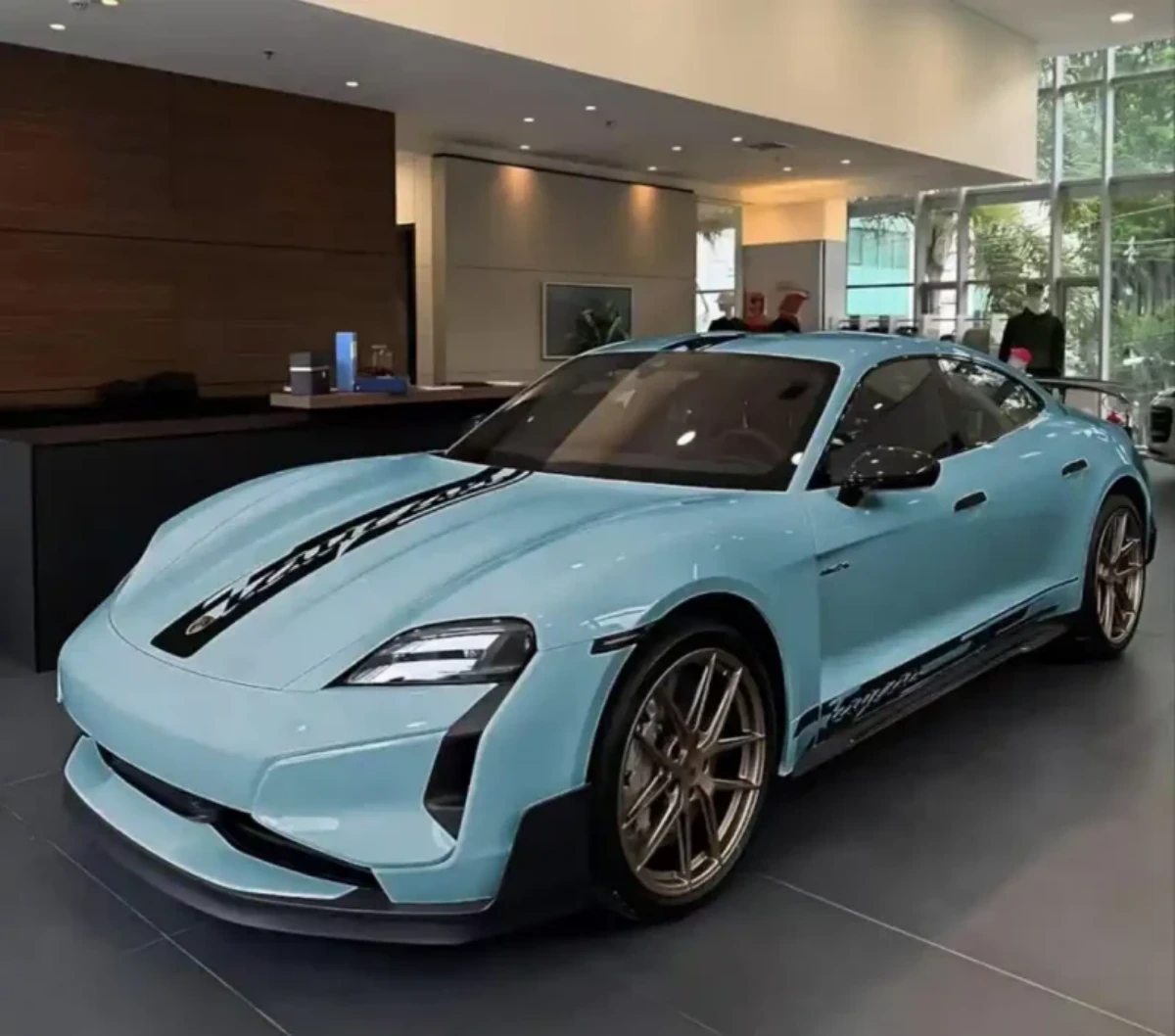
The horizontal comparison of PPF with other protection methods:
- PPF vs. UV-Blocking Window Tints – Tints reduce interior UV exposure, while PPF blocks exterior paint UV damage, with both addressing UV risks but on different surfaces.
- PPF vs. Fabric Protectors – Fabric protectors repel stains on interiors, while PPF defends exterior paint, with both using hydrophobic tech but on different materials.
- PPF vs. Rubber Gasket Protectants – Gasket protectants prevent drying/cracking, while PPF has no role in rubber maintenance, highlighting their non-overlapping functions.
- PPF vs. Acrylic Paint Sealants – Acrylic sealants harden into a rigid layer prone to peeling, while PPF remains flexible, reducing edge lifting in temperature changes.
- PPF vs. Metal Polish – Metal polish restores shine to chrome/alloys but offers no protection, while PPF on metal trims prevents future scratches and tarnishing.
- PPF vs. Traditional Wax – PPF provides long-term scratch/dent defense (5 years) compared to wax’s 2–3 months of mild UV protection and gloss enhancement.
- PPF vs. Silicone Spray – Silicone spray repels water temporarily but attracts dust, unlike PPF’s long-lasting hydrophobicity that resists dirt buildup.
- PPF vs. Leather Protectors – Leather treatments guard against spills/cracking, while interior PPF shields dash/console plastics from UV fading and scratches, with separate material focuses.
- PPF vs. Teflon Coatings – Teflon coatings reduce friction but lack self-healing, unlike PPF which repairs micro-scratches and resists abrasion better in high-wear areas.
Why TPU PPF:
- Moisture Resistance – Prevents mold and mildew growth in rainy or humid environments.
- Heat Reflectivity – Light colors reflect 60% of solar radiation, reducing underpergola heat.
- Brand Consistency – Uniform finishes across commercial locations for brand identity.
- Cost-Effective Over Time – Lower lifetime costs despite 30% higher upfront price vs. wood.
- Anti-Slip Flooring Support – Structurally sound for stone, wood, or composite decking installations.
- Color Options – Available in 20 powder-coat colors, including white, black, bronze, and wood grain finishes.
The cost structure and price composition of PPF:
- Raw Material Costs – TPU resin constitutes 35–45% of total production costs, with premium grades (self-healing) costing 2x standard TPU.
- Professional Installation Premium – Labor adds $500–$1,500 to vehicle costs, 2–3x material costs for complex installs.
- Regulatory Compliance – REACH/EPA certifications add $0.20–$0.40 per square foot for market access in strict regions.
- Lease Protection Premium – Lease-specific PPF (removable) costs 10–15% more due to residue-free adhesive requirements.
- Packaging Efficiency Savings – Bulk rolls reduce packaging costs by 40%, passing 10–15% savings to buyers.
- Full Vehicle Wrap Pricing – Complete coverage costs $2,000–$8,000, with labor accounting for 60–70% of total.
- Local Sourcing Savings – Regional TPU suppliers cut logistics costs by 10–15%, reflected in lower prices.
The protective performance of PPF:
- **Chip and Dent Deterrence** – By acting as a buffer, PPF helps deter chips and small dents from forming on the vehicle’s bodywork caused by flying debris on the highway.
- Long-Term Colorfastness – Resists fading for years, keeping colored PPF vibrant under harsh UV exposure.
- Impact Energy Dispersion – Multi-layer design spreads collision forces across the film, minimizing stress on paint.
- Key Fob Scratch Resistance – Guards door handles and trims against scratches from keys or accessories during daily use.
- **Resistance to Abrasion from Roadside Vegetation** – When driving on narrow roads with overhanging vegetation, PPF protects the vehicle’s paint from scratches caused by the plants.
- Multi-Layer Impact Absorption – Polyurethane base layer absorbs collisions, while UV inhibitors prevent fading.
- Efficient Installation Process – Pre-cut kits and dry/wet application methods reduce installation time by 30% compared to traditional wraps.
- High-Impact Energy Absorption – Multi-layer TPU films disperse collision forces, protecting against deep dents from rocks or debris.
- **Temperature Resistance** – PPF can withstand a wide range of temperatures, from the extreme heat of a summer day to the cold of a winter night, without losing its protective properties.
The construction and maintenance of PPF:
- Spring Sealant Application – Applying PPF-specific wax in spring enhances protection against pollen and rain-induced stains.
- Avoid Automated Car Washes with Brushes – Brushless washes prevent abrasive contact that can scratch PPF.
- Masking Non-Target Areas – Using painter’s tape to protect glass, rubber trim, and emblems during cutting and application.
- Ceramic Coating Compatibility – Applying a PPF-safe ceramic coating after 30 days enhances scratch resistance by 40%.
- Temperature Adaptation – Adjusting installation speed in cold climates (below 15°C) to allow adhesives proper activation time.
- Edge Lifting Fix – Applying heat (60–80°C) and pressing edges with a microfiber cloth restores adhesion if lifting occurs.
AUTOLI(CN) PPF(Paint Protection Film) oem factory
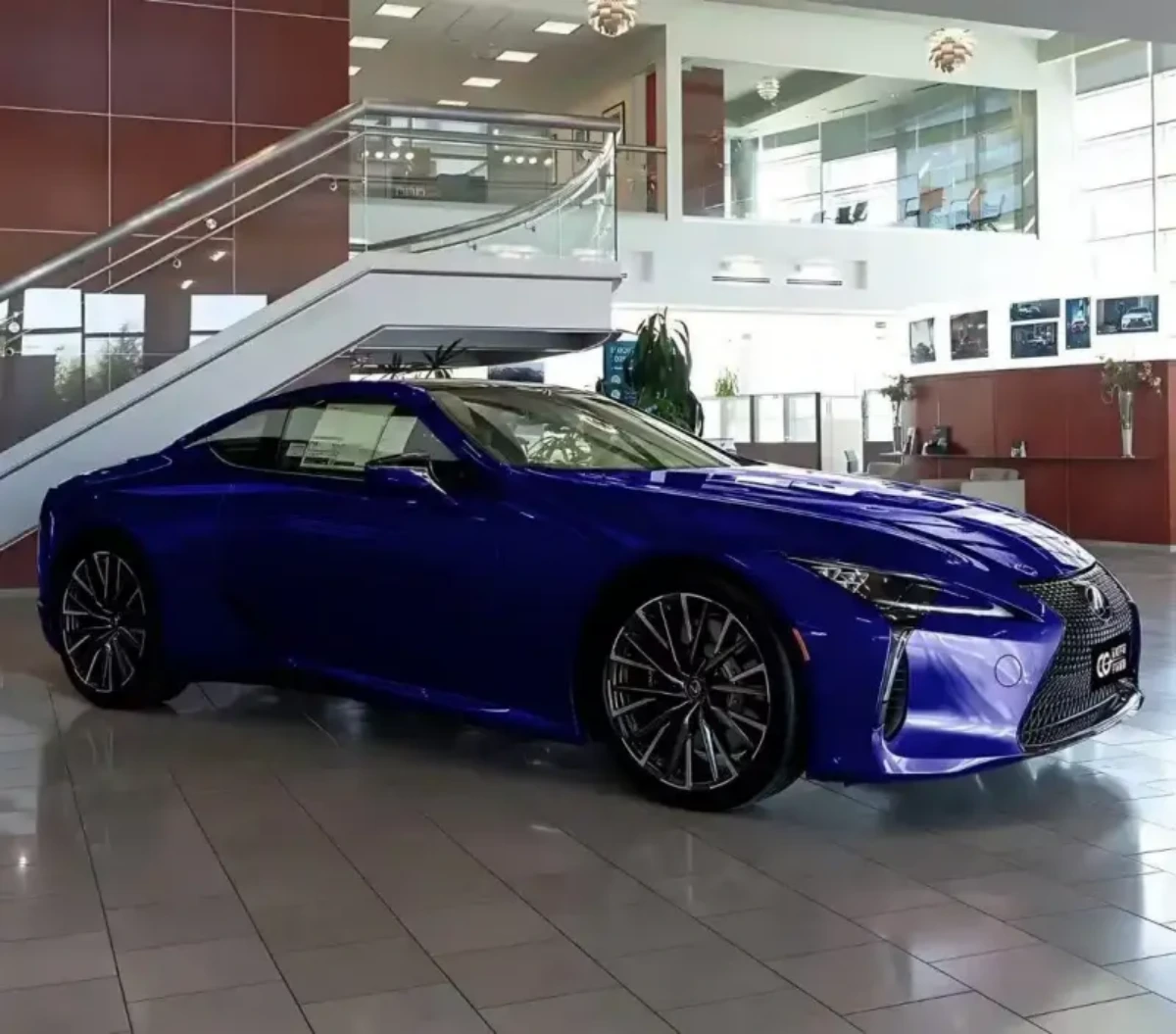
autoli TPU PPF Applied to all brand car models as Cadillac、jeep、Lexus、AstonMartin.Our factory cooperates with Auto Detailing、Car Customization Shop、Auto Detailing service、car Detail、Auto Repair Center and all so in many countries and regions around the world,like Indonesia,Luxembourg,USA,Spain,United States,Warranty: 10 years.Our advantages:Our customers are all over the world;Large stock of styles for you to choose from;SGS, ASTM, REACH, UL and other certifications;Raw material purchasing advantage;Your Key to Profitable PPF Ventures.Our factory also provides vinyl Wraps、Car PPF.