

PPF’s hydrophobic layer reduces ice adhesion in winter, making snow removal easier without scratching.,Anti-static for dust-free application.,Team Up with Factory: Top – Grade PPF, Color Variety.
The cost structure and price composition of PPF:
- Custom Cut Fees – Vehicle-specific laser cuts add $100–$300 to total costs vs. generic patterns.
- Low-Volume Vehicle Surcharges – Custom cuts for rare models add 20–30% due to template creation costs.
- Seasonal Pricing Fluctuations – Demand spikes in spring increase prices by 5–10% in temperate regions.
- Cost of Quality Failures – Defective films add 3–5% to costs via rework and customer compensation.
- Export Compliance Costs – Documentation and customs clearance add $0.20–$0.50 per square foot for international sales.
- Financing Options – Monthly payment plans include 8–12% interest, increasing total customer cost.
The user perception and consumption misconceptions of PPF:
- Correct Perception: Environmental Adaptability – Users in coastal areas correctly prioritize saltwater-resistant PPF, reducing corrosion-related repairs by 60%.
- Consumer Misconception: “PPF Can’t Be Repaired” – Assuming damaged PPF requires full replacement, unaware small sections can be patched professionally.
- Consumer Misconception: “PPF Is Only for Exteriors” – Overlooking interior applications, missing opportunities to protect door sills and touchscreens.
- Consumer Misconception: “PPF Yellowing Is Inevitable” – Fearing all PPF yellows, unaware that modern anti-yellowing formulas with HALS stabilizers last 10 years clear.
- Correct Perception: Interior PPF Prevents UV Cracking – Users apply PPF to dashboards, reducing plastic fading and cracking by 60% in sunny climates.
- Correct Perception: UV Testing Validates Anti-Yellowing Claims – Checking for 1,000 hours of UV testing data, ensuring films resist discoloration in real-world use.
- Correct Perception: TPU vs. PVC Durability – Informed buyers recognize TPU PPF offers 3x longer lifespan than PVC, prioritizing flexibility and self-healing over cost.
- Correct Perception: Thickness Depends on Use Case – Off-roaders choose 10mil PPF, while daily drivers opt for 8mil to balance protection and flexibility.
- Consumer Misconception: “New Car Paint Is ‘Protected’ from Factory” – Trusting factory clear coats alone, unaware they lack the impact resistance of PPF.
The user scenarios and value validation of PPF:
- Limousine Services – Maintains pristine black paint on Lincoln Town Cars, with PPF reducing swirl marks from frequent client pickups by 80%.
- Electric Golf Cart Fleets – Protects resort carts from sand and sun damage, keeping rental units looking new 3x longer in tropical destinations.
- Car Rental Companies – Reduces “damage waiver” claims for Hertz and Avis by 40%, as PPF hides minor scratches from renters.
- Senior Drivers – Reduces anxiety about minor parking mishaps, with PPF hiding 90% of small dents and scratches from low-speed impacts.
- Luxury Vehicle Owners – Preserves factory paint on high-end cars like Mercedes-Maybach, with 92% of owners reporting retained resale value after 3 years of PPF use.
- Performance Car Drivers – Shields Porsche GT3 and BMW M4 hoods from brake dust and tire debris during track days, reducing post-event detailing time by 2 hours.
- Commercial Fleet Operators – Reduces repaint frequency for Amazon delivery vans by 60%, cutting maintenance downtime by 15 hours per vehicle yearly.
- Pet Owners with Cargo Vans – Shields interior panels from dog claws and fur, with PPF making cleanup 40% faster after transport.
- Art Car Enthusiasts – Preserves custom murals and decals from weathering, with removable PPF allowing art updates without damaging the base design.
- Food Delivery Bikers – Protects electric bike frames from sauce spills and curb scrapes, extending fleet life by 2 years for platforms like DoorDash.

The regulations of PPF and after-sales services:
- India’s BIS Certification for PP Materials – Polypropylene (PP) used in PPF production must meet India’s BIS certification under IS 10951:2020, ensuring quality and safety for domestic and export markets .
- WEEE Directive Compliance – End-of-life PPF must be recycled in accordance with the EU’s WEEE directive, promoting circular economy practices for electronic and automotive waste .
- Cross-Industry Regulatory Alignment – PPFs used in electronics or aerospace must comply with sector-specific standards (e.g., FCC for electronics), expanding regulatory complexity .
- Blockchain Warranty Verification – 3M utilizes blockchain to secure digital warranties, enabling traceable ownership transfers and fraud prevention .
- Class Action Liability – Manufacturers face potential litigation for non-compliant PPFs, as seen in cases involving PFAS contamination or false warranty claims .
- Heat-Activated Self-Healing Warranties – Brands guarantee self-healing performance (e.g., 98% micro-scratch repair within 8 minutes at 45°C) under warranty, reflecting confidence in material durability .
- California CARB VOC Limits – PPF adhesives sold in California must comply with CARB’s strict VOC regulations, reducing harmful emissions during installation to align with regional air quality standards .
- Australia’s UV Protection Standards – PPFs sold in Australia/NZ must comply with AS/NZS 4399 for UV protection, requiring UPF ratings ≥15 and transparency in labeling .
The protective performance of PPF:
- **Resistance to Saltwater Spray in Coastal Areas** – In coastal regions, where saltwater spray can be a major threat to vehicle paint, PPF offers effective protection against corrosion.
- Colored PPF Durability – Features durable topcoats and self-healing tech to maintain vibrant colors and protection.
- **Self – Healing under Artificial Heat Sources** – Besides sunlight, PPF can also self – heal when exposed to artificial heat sources like a hairdryer, quickly repairing minor scratches.
- **Flexibility for Complex Surfaces** – PPF is flexible enough to conform to the complex curves and shapes of a vehicle, providing consistent protection all over the body.
- Ceramic Coating Compatibility – Optional ceramic layers enhance hydrophobicity and chemical resistance without compromising self-healing.
- Low-Friction Surface – Smooth texture reduces friction from日常 use, minimizing abrasions and scratches.
- **Resistance to Acidic Industrial Pollutants** – In industrial areas, where the air might contain acidic pollutants, PPF protects the paint from their corrosive effects.
TPU PPF VS PET PPF:
- Production Waste – TPU PPF manufacturing generates 25% less waste than PET PPF production processes.
- Removability – TPU PPF peels cleanly after 5 years, whereas PET PPF often leaves adhesive residue requiring professional removal.
- Chemical Resistance – TPU PPF resists bird droppings and road salt for 72 hours, while PET PPF shows etching after 24 hours of exposure.
- Modular Repair Compatibility – TPU PPF allows seamless patch repairs, while PET PPF patch edges are visibly distinct from original film.
- Vibration Resistance – TPU PPF withstands vehicle vibrations without cracking, while PET PPF develops micro-cracks in high-vibration areas (e.g., engine bays).
The horizontal comparison of PPF with other protection methods:
- PPF vs. Wheel Protective Films – PPF is designed for large painted panels, while specialized wheel films handle brake dust/heat, with PPF offering broader impact resistance.
- PPF vs. Rust Converter Products – Converters treat existing rust, while PPF prevents rust triggers (moisture/salt) on painted surfaces, with complementary roles in corrosion management.
- PPF vs. Lacquer Sealants – Lacquer sealants provide a glossy finish but yellow quickly under UV, while PPF’s anti-yellowing formulas maintain clarity for a decade.
- PPF vs. Rubberized Undercoating – Undercoating protects metal from rust, while PPF defends painted surfaces from road debris, with non-overlapping application zones.
- PPF vs. Paint Sealants – Sealants provide 6–12 months of chemical resistance, while PPF adds physical barrier protection against impacts, with both enhancing gloss but PPF lasting longer.
- PPF vs. Rubberized Undercoating – Undercoating protects metal from rust, while PPF defends painted surfaces from road debris, with non-overlapping application zones.
- PPF vs. Rust Converter Products – Converters treat existing rust, while PPF prevents rust triggers (moisture/salt) on painted surfaces, with complementary roles in corrosion management.
- PPF vs. Anti-Graffiti Coatings – Anti-graffiti treatments focus on easy stain removal, while PPF adds physical barrier defense against scratches from graffiti tools.
- PPF vs. Traditional Wax – PPF provides long-term scratch/dent defense (5 years) compared to wax’s 2–3 months of mild UV protection and gloss enhancement.
- PPF vs. Glass Coatings – Glass coatings excel on windows for clarity but don’t protect paint, whereas PPF is engineered specifically for automotive painted surfaces.
The user pain points of PPF and their solutions:
- Uncertainty About Lifespan – Resolved by clear warranty durations (5–15 years) and real-world durability data from field tests.
- ADAS Sensor Interference – Prevented by radar-transparent PPF (99.9% signal transmission) tested with OEM systems.
- Discoloration on Dark Paint – Solved by high-clarity TPU with low-iron content, preventing blue/green tint on black vehicles.
- Complex Maintenance – Simplified via pH-neutral cleaning kits, hydrophobic topcoats, and quarterly sealant boosters.
- High Heat Damage (EV Batteries) – Solved by heat-resistant PPF (120°C ) with thermal conductivity for battery zone protection.
- Edge Lifting – Addressed through heat-sealed edges and nano-adhesive technology, reducing lifting by 75% in car washes.
AUTOLI(CN) PPF(Paint Protection Film) factory
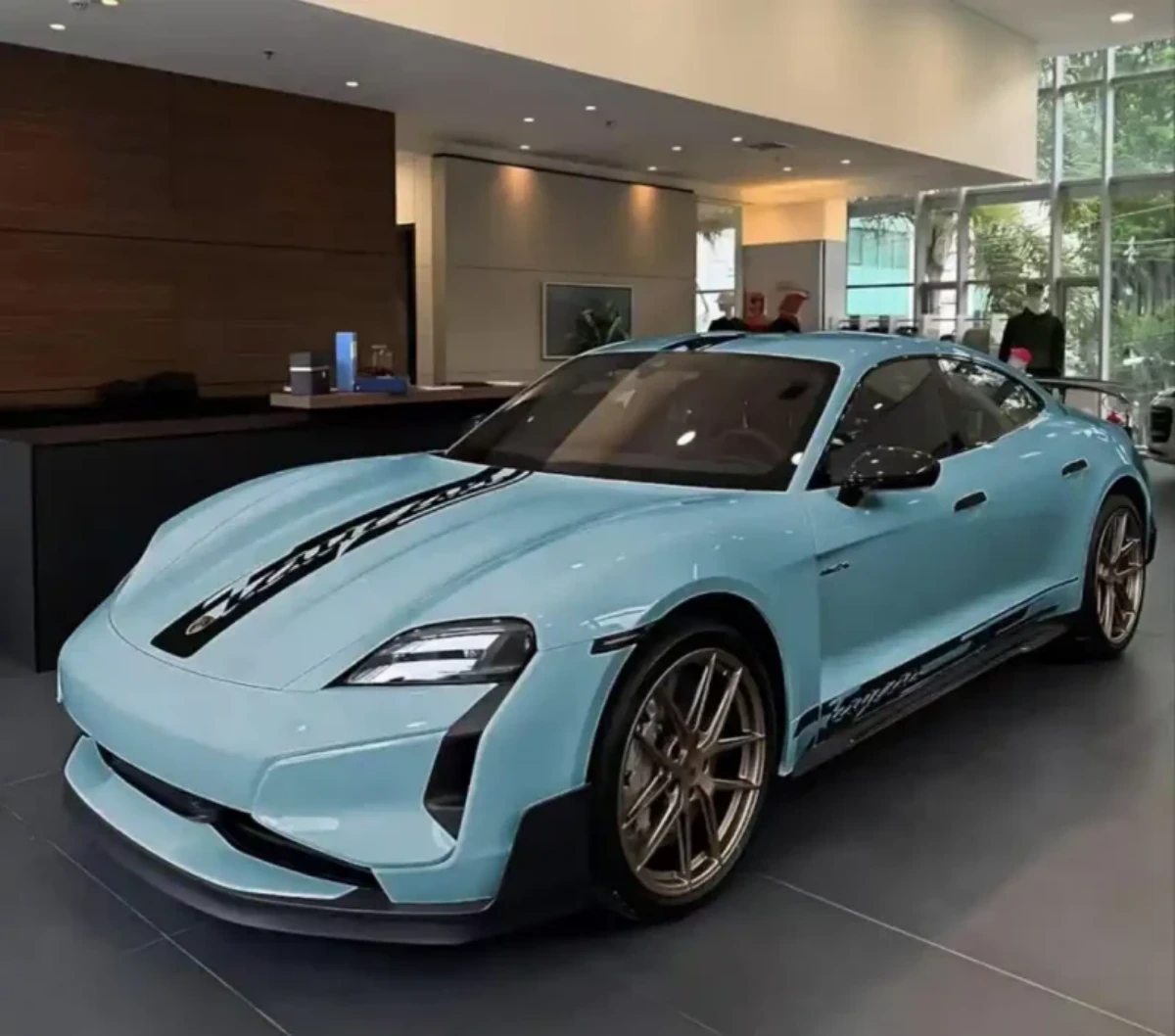
autoli TPU PPF Applied to all brand car models as Lincoln、Benz、mini、Bugatti.Our factory cooperates with Auto Detailing service、PPF agent、Auto Detailing and all so in many countries and regions around the world,like Jamaica,Netherlands,Malta,Morocco,Warranty: 10 years.Our advantages:Raw material purchasing advantage;Efficient production reduces costs;High quality raw materials and advanced technology;Short production cycle, quick delivery;SGS, ASTM, REACH, UL and other certifications.Our factory also provides PET FILM、Window Film.