

PPF’s resistance to chemical cleaners allows safe use of car wash soaps without damaging the protective layer.,Flexible across temperature changes to avoid cracks.,Chart Business Success: Value – Priced PPF Wraps, Accelerated Delivery, High – Esteemed Certifications.
TPU PPF VS PET PPF:
- Custom Thickness Matching – TPU PPF tailors thickness to vehicle zones (e.g., 10mil for hoods), while PET PPF uses uniform thickness due to manufacturing limits.
- Adhesive Aging – TPU PPF’s adhesive retains 80% strength after 5 years, while PET PPF’s adhesive loses 50% strength in 3 years.
- Cost Per Square Foot – TPU PPF averages $8–$15/sq ft, compared to PET PPF’s $3–$7/sq ft price point.
- Weight Difference – TPU PPF adds 1.2kg per vehicle (full wrap), while PET PPF adds 0.8kg due to lower density but reduced coverage efficiency.
- Storm Resilience – TPU PPF withstands hailstones up to 12mm, whereas PET PPF cracks under 8mm hail impacts.
- Low-Temperature Installation – TPU PPF installs reliably at 15°C , while PET PPF requires 20°C environments to prevent adhesive failure.
The user perception and consumption misconceptions of PPF:
- Correct Perception: Ceramic Coating Synergy – Savvy users pair PPF with ceramic topcoats, enhancing hydrophobicity and scratch resistance by 40%.
- Correct Perception: Long-Term Cost Savings – 68% of users understand PPF reduces repaint costs over 5 years, aligning with data showing $2,000 savings on luxury vehicles.
- Consumer Misconception: “DIY Installation Saves Money” – Consumers underestimate skill requirements, with 45% of DIY installs requiring professional correction due to bubbles or misalignment.
- Consumer Misconception: “Matte PPF Holds More Dirt” – Avoiding matte finishes due to perceived maintenance issues, not realizing their texture repels dust better than gloss.
- Correct Perception: Environmental Adaptability – Users in coastal areas correctly prioritize saltwater-resistant PPF, reducing corrosion-related repairs by 60%.
- Correct Perception: Matte Finish Compatibility – Educated buyers seek matte-specific PPF, avoiding gloss films that ruin specialty paint textures.
- Consumer Misconception: “PPF Installation Requires Paint Removal” – Fearing sanding or stripping, unaware professional installs use gentle cleaning without paint removal.
- Correct Perception: Self-Healing Efficacy – Most users recognize PPF can repair minor scratches (≤3μm) with heat, though many underestimate the need for 40°C activation temperatures.
The product classification and selection logic of PPF:
- Regional Regulation Compliance – Selecting REACH/FDA-compliant PPF for markets with strict chemical safety standards.
- Vehicle Age Consideration – Choosing reversible low-tack PPF for classic cars vs. permanent adhesion for modern vehicles.
- Abrasion Resistance Needs – Upgrading to ceramic-infused PPF for high-traffic areas (door handles, step plates).
- Performance Tiers – Categorized as economy, mid-range, or premium based on additive packages (ceramic, graphene) and durability.
- Installation Method Groups – Divided into DIY pre-cut kits, professional bulk rolls, and hybrid options balancing ease and precision.
- Maintenance Product Compatibility – Selecting PPF compatible with existing detailing products to avoid chemical damage.
- Finish Protection Categories – Segmented into paint, matte, chrome, or plastic protection to match surface types.
- Installation Access Logic – Choosing hybrid PPF with air-release adhesives for hard-to-reach areas requiring repositioning.
How TPU Redefines PPF:
- Solar Reflection – TPU’s heat-reflective topcoats redefined PPF from heat-absorbing covers to cooling solutions reducing interior temperatures by 5–8°C.
- Speed of Installation – TPU’s pre-cut kits and air-release adhesives redefined PPF installation from multi-day projects to 1–2 day professional jobs.
- Quick Healing – TPU’s 24-hour scratch recovery redefined PPF from damage-accumulating films to self-renewing protectors maintaining appearance over time.
- Chemical Resistance – TPU’s resistance to bird droppings, road salt, and fuels redefined PPF from basic shields to multi-hazard barriers.
- Low-Cost Repairs – TPU’s patchable design redefined PPF from full-replacement products to affordably repairable systems for minor damage.
- Adhesive Innovation – TPU’s low-tack yet strong adhesives redefined PPF from permanent-only films to removable options safe for lease vehicles.
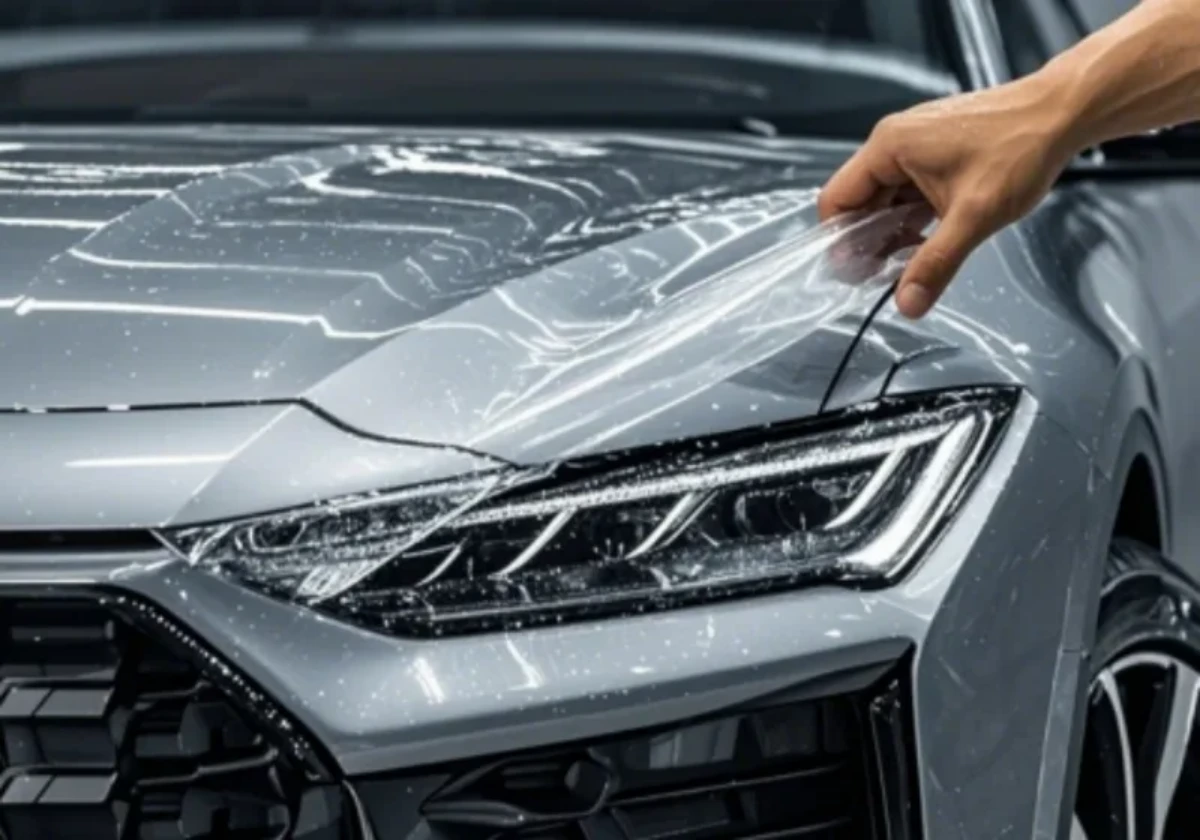
The protective performance of PPF:
- Multi-Layer Impact Absorption – Polyurethane base layer absorbs collisions, while UV inhibitors prevent fading.
- **Anti – Abrasion in Car Washes** – Protects the paint from the abrasion caused by automatic car wash brushes, ensuring that the paint finish remains smooth and unblemished.
- Acid Rain Protection – Neutralizes acidic contaminants in rainwater to prevent paint damage and corrosion.
- Rapid Self-Healing Activation – Minor scratches heal within minutes under sunlight or low heat (40-60°C), restoring a flawless finish.
- High-Temperature Resistance – Resists blistering or peeling under prolonged engine heat (up to 120°C), ideal for turbocharged vehicles.
- Easy Interior Maintenance – Wipes clean with mild soap and water, requiring minimal effort to keep surfaces spotless.
- **Resistance to Tree Sap Staining** – Tree sap can be a nuisance as it often leaves sticky and staining marks. PPF resists the adhesion of tree sap and makes its removal much simpler.
- Ceramic Coating Compatibility – Optional ceramic layers enhance hydrophobicity for easier cleaning and water repellency.
Why TPU PPF:
- Brand Consistency – Uniform finishes across commercial locations for brand identity.
- Low-Effort Cleaning – Pressure washable surfaces remove dirt and debris in minutes.
- No Warping – Maintains dimensional stability in high humidity, unlike wood which swells/shrinks.
- Pet-Safe Construction – No toxic treatments or splinters, safe for dogs and children.
- Cold Climate Performance – No seasonal cracking or splitting in freezing temperatures.
- Structural Certification – Meets International Building Code (IBC) standards for safety.
- Moisture Resistance – Prevents mold and mildew growth in rainy or humid environments.
The horizontal comparison of PPF with other protection methods:
- PPF vs. Liquid Glass Coatings – Liquid glass offers 6–12 months of chemical resistance but lacks physical impact protection, while PPF combines 5 years of scratch defense with self-healing capabilities.
- PPF vs. Matte Paint Sealants – PPF preserves matte paint texture while adding scratch resistance, whereas matte sealants focus on maintaining finish but lack impact defense.
- PPF vs. Lacquer Sealants – Lacquer sealants provide a glossy finish but yellow quickly under UV, while PPF’s anti-yellowing formulas maintain clarity for a decade.
- PPF vs. Polymer Sealants – Polymer sealants offer 3–6 months of chemical resistance but no physical defense, while PPF provides both for 5 years.
- PPF vs. Powder Coating – Powder coating provides durable metal protection but is rigid and permanent, unlike PPF’s flexible, removable barrier for painted surfaces.
The market trends and industry changes of PPF:
- DIY vs. Pro Installation Split – 30% of entry-level PPF sales are DIY kits, while 90% of luxury films require professional installation for warranty validation.
- 3D Scanning and Custom Fitment – Laser-precut films using 3D vehicle scanning technology ensure seamless alignment, reducing installation time by 30% compared to traditional hand-cut methods.
- Blockchain Warranty Verification – Brands like 3M use blockchain to secure digital warranties, preventing fraud and simplifying transfers between vehicle owners.
- Increased Adoption in Non-Automotive Sectors – PPF applications are expanding to electronics (screen protection), aerospace (corrosion resistance), and industrial equipment, diversifying revenue streams for manufacturers.
- Heat-Activated Self-Healing Advancements – Next-gen TPU films activate self-healing at lower temperatures (45°C), repairing 98% of micro-scratches within 8 minutes, enhancing consumer appeal.
- Circular Economy Initiatives – Closed-loop recycling programs for end-of-life PPF are being piloted, with companies like MBA Polymers achieving 80% carbon reduction in recycled PP production.
- Supply Chain Localization – Regional production hubs in Asia-Pacific are emerging to reduce reliance on Western suppliers, with China and India scaling TPU film manufacturing to meet domestic demand.
- Anti-Microbial PPF Growth – Post-pandemic, 15% of interior PPF includes silver-ion coatings, inhibiting 99% of bacteria on high-touch surfaces like door handles.
- Integration of Ceramic Coatings – PPF-safe ceramic coatings applied post-installation (e.g., Onyx PPF Nano Coat) boost scratch resistance by 40%, creating hybrid protection solutions.
Say Goodbye to Car Scratches: Self-Healing PPF Revealed!:
- Family cars stay presentable as scratches from children’s toys or pet claws heal quickly, even with daily use.
- Heat from drive-through tunnels or heated garages triggers healing, making repairs effortless during daily routines.
- Wet conditions don’t delay healing—self-healing PPF repairs scratches even when exposed to rain or humidity.
- Unlike rigid PVC films that crack, TPU-based self-healing PPF maintains flexibility to absorb impacts and repair the resulting damage.
- Self-healing PPF works with ceramic topcoats, combining water repellency with scratch repair for enhanced protection.
- Car dealerships keep demo vehicles looking new with self-healing PPF, reducing reconditioning costs between test drives.
- Classic motorcycle fuel tanks stay scratch-free, as belt/buckle marks heal with engine heat during rides.
- New car owners avoid “break-in anxiety,” knowing minor initial scratches will disappear with normal use.
- Parking lot dings, shopping cart brushes, and accidental scrapes heal automatically, reducing the need for costly detailing or touch-ups.
- Healing activates at temperatures as low as 30°C (86°F), making it effective in moderate climates without extreme heat.
AUTOLI(CN) PPF(Paint Protection Film) oem manufacturer
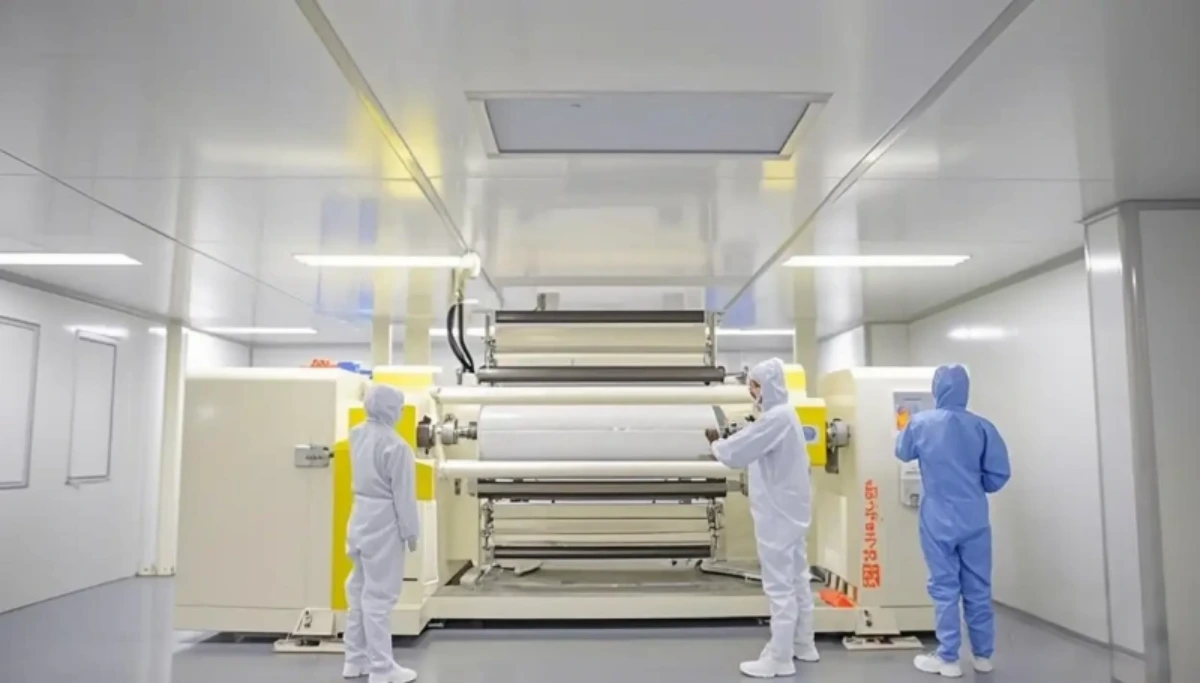
autoli TPU PPF Applied to all brand car models as ds、volvo、Porsche、Lamborghini.Our factory cooperates with PPF installer、Auto Detailing service、Auto Detailing Shop and all so in many countries and regions around the world,like Ireland,Spain,Turkey,Holland,Netherlands,VietNam,Warranty: 10 years.Our advantages:Raw material purchasing advantage;SGS, ASTM, REACH, UL and other certifications;Short production cycle, quick delivery.Our factory also provides Car Paint Protection Film、Paint Protection Film.