

PPF’s scratch resistance maintains resale appeal, as potential buyers value unmarked original paint highly.,Shields rocker panels from tire stone chips.,Our Factory: Your One – Stop for High – Quality PPF.
The environmental protection and sustainability of PPF:
- Reusable Shipping Crates – Replacing single-use boxes with returnable crates cuts packaging waste by 80% in B2B distribution.
- Thin-Film Technology – 6-mil PPF matches 8-mil protection, using 25% less material while maintaining performance.
- Natural Anti-Microbial Additives – Tea tree oil extracts replace synthetic biocides, maintaining hygiene with renewable ingredients.
- End-of-Life Takeback Programs – Manufacturers like XPEL offer PPF recycling initiatives, collecting old films for repurposing into new polymer products.
- Energy-Efficient Production – Manufacturers using solar-powered facilities reduce carbon emissions by 40% compared to traditional manufacturing processes.
- Electric Delivery Vans – Urban distribution uses EV fleets, reducing tailpipe emissions by 100% in city centers.
- Biodegradable Edge Sealants – Plant-based sealants prevent edge lifting without toxic chemicals, decomposing naturally if exposed to the environment.
- Minimalist Packaging – Brands eliminate unnecessary plastic inserts, using 40% less packaging material while maintaining product protection.
The production supply chain and quality control system of PPF:
- Low-Temperature Flexibility – Testing at -40°C to ensure no cracking or brittleness in cold climates.
- Quality Incentives – Employee bonuses tied to quality metrics (e.g., first-pass yield, defect reduction).
- Hydrophobicity Checks – Contact angle measurements (>110°) confirming topcoat water repellency before roll winding.
- Field Testing Programs – Real-world installations monitoring performance over 1–5 years in diverse climates.
- Warranty Claim Analysis – Tracking failure patterns to identify systemic issues requiring process adjustments.
- Adhesion Testing – Peel strength measurements (180°/90°) on sample cuts to verify adhesive bond strength.
- Digital Quality Records – Cloud-based storage of test results and audit reports for regulatory compliance and traceability.
The user perception and consumption misconceptions of PPF:
- Correct Perception: Edge Sealing Importance – Savvy users check for heat-sealed edges, knowing proper sealing reduces lifting by 80% in car washes.
- Correct Perception: Environmental Adaptability – Users in coastal areas correctly prioritize saltwater-resistant PPF, reducing corrosion-related repairs by 60%.
- Correct Perception: PPF Preserves Custom Paint Investments – Owners of $5k custom paint jobs use PPF, avoiding costly touch-ups from minor damage.
- Consumer Misconception: “PPF Can Be Applied in Rainy Weather” – Attempting installation in humid conditions, increasing bubble risks due to moisture trapped under film.
- Consumer Misconception: “PPF Blocks Car Washes” – Avoiding automated washes due to fear of damage, when brushless systems are actually safe for properly installed PPF.
- Consumer Misconception: “PPF Installation Requires Paint Removal” – Fearing sanding or stripping, unaware professional installs use gentle cleaning without paint removal.
- Correct Perception: Matte Finish Compatibility – Educated buyers seek matte-specific PPF, avoiding gloss films that ruin specialty paint textures.
- Consumer Misconception: “Matte PPF Holds More Dirt” – Avoiding matte finishes due to perceived maintenance issues, not realizing their texture repels dust better than gloss.
- Consumer Misconception: “Thicker PPF = Better Protection” – Assuming 10mil PPF is always superior, ignoring that excessive thickness can cause edge lifting on curved surfaces.
How TPU Redefines PPF:
- Fire Resistance – Flame-retardant TPU formulations redefined PPF from standard protectors to safety-enhancing films for high-risk environments.
- Low-Maintenance Design – TPU’s self-cleaning properties redefined PPF from high-upkeep products to “set-it-and-forget-it” solutions requiring minimal care.
- Light Transmission – High-clarity TPU redefined PPF from headlight-dimming films to optical-grade protectors preserving 98% light output for visibility.
- Multi-Layer Versatility – TPU’s compatibility with adhesive, core, and topcoat layers redefined PPF from single-layer films to multi-functional barriers with tailored properties.
- Warranty Transferability – TPU’s documented performance redefined PPF warranties from non-transferable to resale-boosting benefits for vehicle owners.
- Quick Healing – TPU’s 24-hour scratch recovery redefined PPF from damage-accumulating films to self-renewing protectors maintaining appearance over time.
Say Goodbye to Car Scratches: Self-Healing PPF Revealed!:
- Matte finish owners get scratch repair that preserves texture, avoiding glossy spots from traditional polishing.
- Microfiber drying scratches vanish, making DIY cleaning safer for preserving your car’s finish.
- Self-healing PPF protects chrome trims and plastic components, extending scratch repair beyond painted surfaces.
- Self-healing PPF works with ceramic topcoats, combining water repellency with scratch repair for enhanced protection.
- “Touchless” car wash high-pressure nozzles leave no lasting marks, as self-healing PPF erases pressure-related scratches.
- Self-healing technology turns frustrating daily scratches into temporary nuisances, keeping your car looking factory-fresh for years.
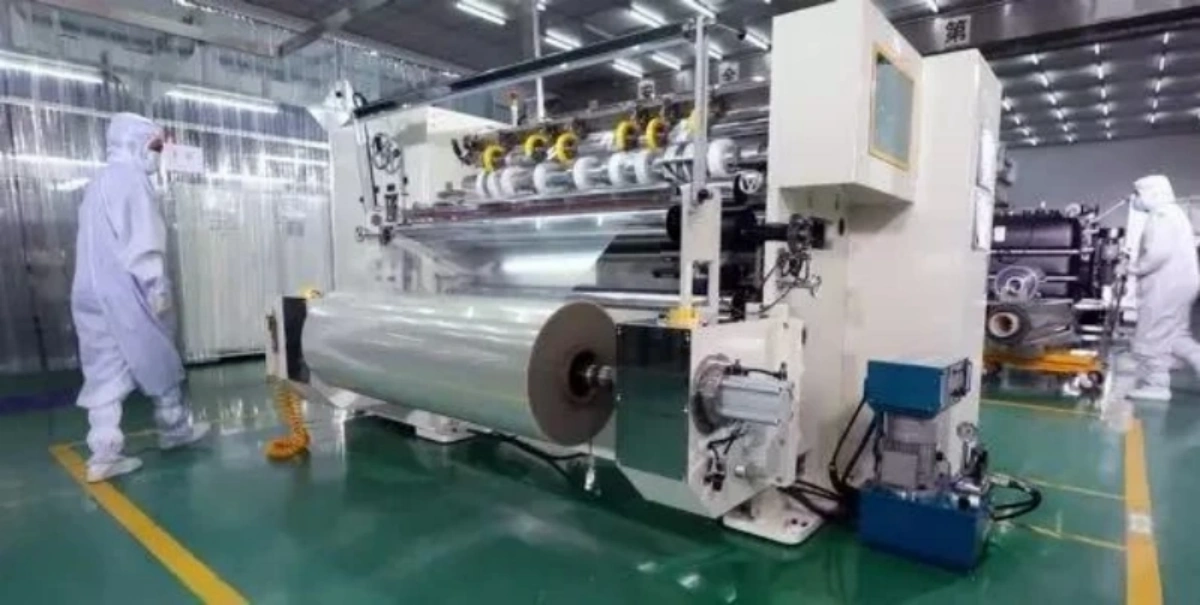
TPU PPF VS PET PPF:
- High-Speed Performance – TPU PPF resists stone chips at 120km/h, while PET PPF fails at 80km/h in highway tests.
- Moisture Barrier – TPU PPF prevents water intrusion for 72 hours, while PET PPF allows moisture penetration after 24 hours at edges.
- Production Waste – TPU PPF manufacturing generates 25% less waste than PET PPF production processes.
- Multi-Layer Construction – TPU PPF integrates adhesive, core, and topcoat layers seamlessly, while PET PPF layers delaminate 2x more frequently.
- Storm Resilience – TPU PPF withstands hailstones up to 12mm, whereas PET PPF cracks under 8mm hail impacts.
- Chemical Adhesion – TPU PPF bonds to factory and custom paints, while PET PPF may fail on matte or textured finishes.
- DIY Friendliness – TPU PPF’s forgiving installation suits DIY users, whereas PET PPF’s rigid nature makes professional installation advisable.
- Weight-Bearing Capacity – TPU PPF supports accessory mounting (e.g., light bars) with minimal sagging, while PET PPF distorts under similar weight.
- Custom Cutting – TPU PPF laser-cuts cleanly for complex curves, while PET PPF tends to crack during precision cutting on sharp angles.
The cost structure and price composition of PPF:
- EV-Specific Pricing – Radar-transparent PPF for EVs commands 10–15% premiums due to technical requirements.
- Professional Installation Premium – Labor adds $500–$1,500 to vehicle costs, 2–3x material costs for complex installs.
- Retailer Markup Structure – Wholesalers add 20–30%, retailers add 50–70% to cover overhead and profit.
- Recycled Material Savings – 30% recycled TPU blends reduce raw material costs by 8–12% without significant quality loss.
- Energy Consumption – Extrusion and curing processes account for 8–15% of production costs, higher for multi-layer films.
- End-of-Line Discounts – Discontinued models sold at 20–30% off to clear inventory.
- Material Thickness Pricing – Each mil increase (6→10mil) adds $1–$2 per square foot due to higher material usage.
- OEM Partnership Pricing – Factory-installed PPF sold at 15–20% below aftermarket due to bulk production deals.
- Environmental Certification Premiums – Eco-friendly PPF costs 5–10% more due to sustainable material sourcing.
The horizontal comparison of PPF with other protection methods:
- PPF vs. Glass Coatings – Glass coatings excel on windows for clarity but don’t protect paint, whereas PPF is engineered specifically for automotive painted surfaces.
- PPF vs. Stone Guard Films (Thin) – Thin stone guards protect against small debris but lack self-healing, while PPF handles larger impacts and repairs minor damage automatically.
- PPF vs. Teflon Coatings – Teflon coatings reduce friction but lack self-healing, unlike PPF which repairs micro-scratches and resists abrasion better in high-wear areas.
- PPF vs. Rust Proofing Treatments – PPF shields exterior paint from corrosion triggers (salt/sand), while rust proofing targets metal undercarriages, with complementary roles in full protection.
- PPF vs. Fiberglass Coatings – Fiberglass coatings add rigid strength to surfaces but can’t conform to curves, unlike PPF which adapts to vehicle contours seamlessly.
- PPF vs. Hydrophobic Sprays – Sprays offer temporary water repellency (2–3 months), while PPF combines hydrophobicity with long-term scratch/impact protection (5 years).
The product classification and selection logic of PPF:
- Lightweight Design Priority – Opting for thin yet strong PPF for electric vehicles to maximize range efficiency.
- Brand Reputation Consideration – Opting for established brands with proven track records over generic alternatives for reliability.
- Public Perception Consideration – Choosing invisible PPF over colored variants for professional or fleet vehicles.
- Material-Based Classification – Products categorized as TPU, PET, or PVC PPF based on base polymer, dictating flexibility, durability, and cost.
- UV Index Alignment – Upgrading to high-UV protection PPF for equatorial regions with intense sunlight.
- Historical Performance Data – Selecting PPF with proven results in third-party durability tests over untested innovations.
AUTOLI(CN) PPF(Paint Protection Film) manufacturer
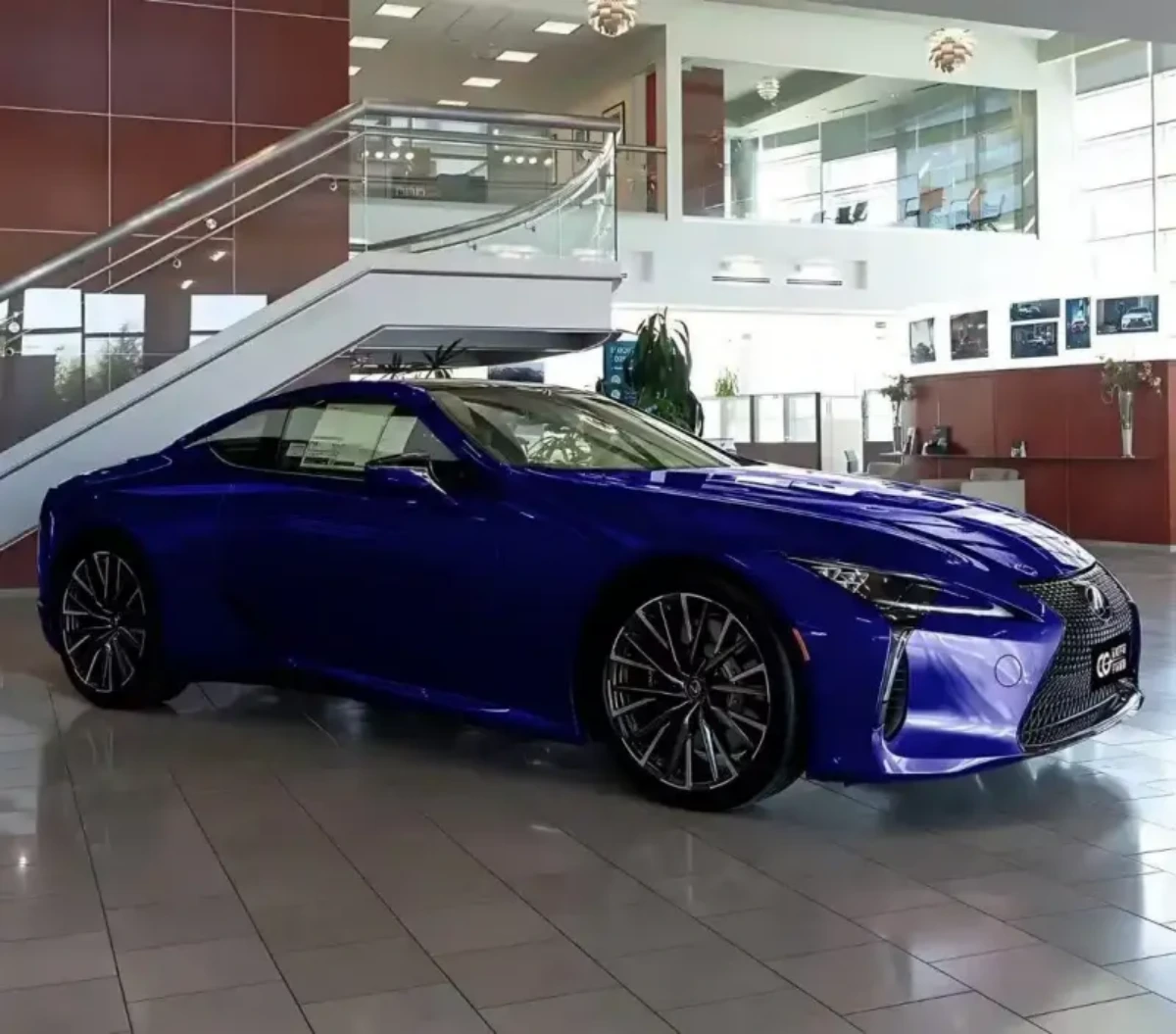
autoli TPU PPF Applied to all brand car models as binli、Lamborghini、Ferrari、Buick.Our factory cooperates with Auto Detailing、PPF installer、PPF distributor、PPF trading、PPF brand and all so in many countries and regions around the world,like Slovenia,Colombia,Madagascar,Malta,Warranty: 10 years.Our advantages:Perfect after-sales service;Strict quality control system;Unlock Business Growth with Our Factory’s PPF;SGS, ASTM, REACH, UL and other certifications;Short production cycle, quick delivery.Our factory also provides Paint Protection Film、car wrapping、car vinyl wrap.