

PPF’s compatibility with paint protection films on other surfaces (like glass) creates a cohesive protection system.,Requires only soap-water for cleaning.,Our Factory’s PPF: The Magic Wand for Turning Business into Profit Goldmines.
The user pain points of PPF and their solutions:
- Edge Lifting – Addressed through heat-sealed edges and nano-adhesive technology, reducing lifting by 75% in car washes.
- Fading in Extreme Sunlight – Fixed by 99% UV-blocking films with enhanced carbon black pigments for tropical climates.
- Difficulty Removing Old PPF – Simplified with low-tack, residue-free adhesives and professional heat-assisted removal services.
- DIY Installation Failures – Resolved with pre-cut laser patterns, air-release adhesives, and step-by-step video tutorials.
- Uncertainty About Product Quality – Resolved by third-party certifications (ECOCERT, ISO 9001) and transparent material disclosure.
- Unclear Warranty Coverage – Clarified via digital warranty passports detailing exclusions (wear, improper maintenance) and inclusions.
- Incompatibility with Custom Paint – Addressed by color-stable PPF formulated for matte, chameleon, and metallic finishes.
- ADAS Sensor Interference – Prevented by radar-transparent PPF (99.9% signal transmission) tested with OEM systems.
- Difficulty Matching Vehicle Contours – Addressed by 3D-scanned, vehicle-specific pre-cut patterns for complex curves (fenders, mirrors).
- Poor Performance in Cold Climates – Fixed with cold-flexible TPU (-40°C tolerance) and frost-resistant adhesives to avoid cracking.
How TPU Redefines PPF:
- EV Compatibility – Heat-resistant TPU redefined PPF from standard protectors to EV-specific solutions withstanding battery zone temperatures up to 120°C.
- Future-Proofing – TPU’s adaptability to new technologies redefined PPF from static products to evolving solutions compatible with AI, IoT, and next-gen vehicle systems.
- High-Pressure Wash Safe – TPU’s strong adhesion redefined PPF from hand-wash-only films to pressure washer-compatible protectors simplifying cleaning.
- Nano-Reinforcement – Graphene or ceramic-infused TPU redefined PPF from standard films to high-performance barriers with 200% improved tensile strength.
- Brand Consistency – TPU’s uniform quality redefined PPF from variable products to consistent solutions with predictable performance across batches.
- Industrial Versatility – Heavy-duty TPU redefined PPF from automotive-only products to industrial solutions for machinery, boats, and aerospace equipment.
The materials and technologies of PPF:
- Closed-loop recycling system: Integrates physical recycling processes for TPU waste, achieving 95% material recovery rate while maintaining mechanical properties.
- Matte finish technology: Achieves 20-30° gloss levels with a velvet-like texture, ideal for luxury vehicles and matte paint protection.
- Surface hardness enhancement technology: By incorporating nano-ceramic particles into the coating, the pencil hardness of the film surface is increased to 9H level, enhancing the anti-scuff and anti-abrasion performance against hard objects such as keys and sand.
- Self-repair technology: TPU molecules have memory properties, allowing for the automatic repair of minor scratches through environmental temperature or slight pressure, maintaining surface integrity.
- Solvent-free adhesive process: The adhesive uses a 100% solvent-free pressure-sensitive adhesive formula, eliminating the risk of solvent evaporation residue and enhancing the environmental friendliness and long-term adhesion stability of the construction.
- Desert heat resistance: Reflects 85% of infrared radiation, reducing under-film temperatures by 10°C in desert environments.
- High-humidity stability: Incorporates water-resistant crosslinkers to prevent delamination in tropical climates.
- Unique surface-cutting algorithm for vehicle models: Based on 3D vehicle model scanning data, an adaptive cutting logic has been developed to precisely match the body’s waistline, curvature, and other complex surfaces, reducing manual trimming errors.
- Ozone resistance aging technology: Adding an ozone inhibitor to resist the oxidation and degradation of TPU by ozone in the urban atmosphere, extending the service life in polluted environments.
The long-term monitoring and maintenance system after the installation of PPF:
- Cold-Weather Adhesive Care – Avoiding pressure washing in sub-zero temperatures to prevent thermal shock to adhesives.
- Impact Damage Documentation – Taking timestamped photos of chips/scratches to monitor self-healing progress over weeks.
- Smart Sensor Data Reviews – Analyzing embedded sensor data on temperature exposure and impact forces to predict maintenance needs.
- Aftermarket Accessory Compatibility – Ensuring car bras or covers have soft liners that won’t scratch PPF during wind movement.
- Warranty-Approved Tools – Using only brand-recommended squeegees and applicators for DIY maintenance to avoid warranty voidance.
- Thermal Healing Activation – Parking in sunlight (or using low-heat hair dryers) to accelerate self-healing of minor scratches in cool weather.
- Seasonal Ceramic Coating Boosts – Applying PPF-compatible ceramic sprays (SiO? content ≥30%) to enhance hydrophobicity.
- Quarterly Thickness Gauging – Using ultrasonic thickness meters to ensure PPF retains ≥90% of original thickness, indicating minimal wear.
- Quarterly Tar and Sap Removal – Using citrus-based solvents to dissolve road tar and tree sap without damaging adhesives.
- Annual Topcoat Thickness Testing – Using coating thickness gauges to ensure topcoat retains ≥80% original thickness.
The user scenarios and value validation of PPF:
- Exotic Car Owners – Guards Lamborghini and McLaren carbon fiber panels from rock chips, as replacement costs for damaged panels exceed $10,000.
- Custom Paint Owners – Preserves expensive matte or chameleon finishes, with PPF preventing swirl marks that would ruin $5,000 custom paint jobs.
- Mountain Road Drivers – Shields Subaru Outbacks and Toyota 4Runners from rock slides, with PPF reducing windshield and fender chip repairs by 65%.
- Urban Commuters – Resists parking lot dings and shopping cart scratches in cities like Tokyo, with 85% of users reporting no visible paint damage after 1 year.
- Luxury Yacht Tenders – Guards small boat hulls from dock collisions, with marine-grade PPF reducing gel coat repairs by 60% in saltwater environments.
- EV Owners – Protects Tesla and Rivian battery hoods from stone chips, maintaining thermal efficiency and avoiding warranty-related paint damage claims.
- Cold-Climate Users – Prevents salt and ice melt damage in Stockholm and Toronto, with PPF-treated bumpers showing 50% less winter-related etching.
- Electric Scooter Fleets – Shields shared e-scooter bodies from urban abuse, reducing repair frequency by 55% for companies like Bird and Lime.
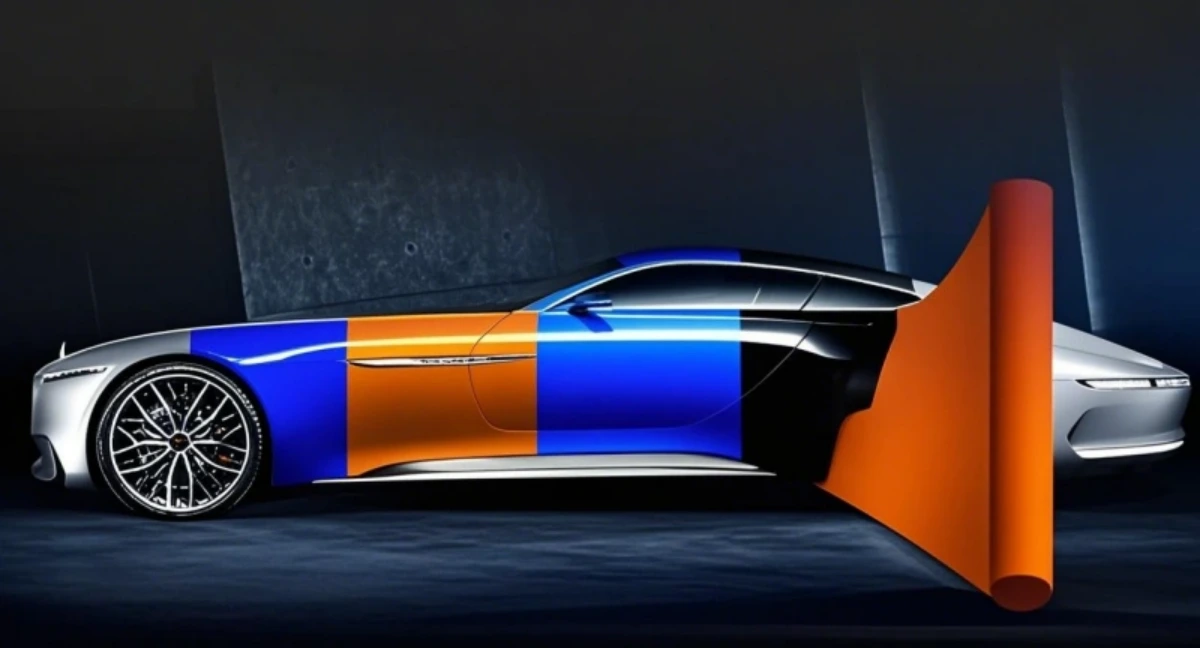
Before & After: How PPF Transforms a 10-Year-Old Car:
- Before: Front license plate bracket with rust and paint loss; After: PPF covers bracket edges, hiding rust and preventing water from worsening corrosion.
- Before: Wheel well drain holes with rust around openings; After: PPF covers drain edges, hiding rust and preventing water from spreading corrosion.
- Before: Rear bumper step pad with paint worn away; After: PPF adds protective layer, hiding bare spots and resisting future wear from stepping.
- Before: Matte finish dulled by oxidation and fine scratches; After: Matte-specific PPF preserves texture while restoring vibrancy, eliminating “shiny spots” from wear.
- Before: Front license plate frame with rust staining; After: PPF covers frame edges, hiding stains and preventing rust from spreading to bumper paint.
- Before: Wheel balance weights with rust staining around them; After: PPF covers weight areas, hiding stains and preventing rust from spreading under paint.
- Before: Engine bay plastic components faded from heat; After: Heat-resistant PPF covers plastics, restoring color and blocking engine heat damage.
The construction and maintenance of PPF:
- Monthly Top-Coat Boost – Applying a PPF-specific sealant enhances hydrophobicity and restores gloss over time.
- Bubble Removal – Puncturing large bubbles with a needle and re-squeegeeing ensures a flawless finish during installation.
- Spring Sealant Application – Applying PPF-specific wax in spring enhances protection against pollen and rain-induced stains.
- Self-Healing for Minor Scratches – Applying gentle heat (e.g., hair dryer on low) accelerates repair of swirl marks or light scratches.
- Oxidation Correction Pre-Install – Polishing oxidized paint ensures PPF adheres smoothly to uniform surfaces.
The user perception and consumption misconceptions of PPF:
- Correct Perception: Long-Term Cost Savings – 68% of users understand PPF reduces repaint costs over 5 years, aligning with data showing $2,000 savings on luxury vehicles.
- Correct Perception: Ceramic Coating Synergy – Savvy users pair PPF with ceramic topcoats, enhancing hydrophobicity and scratch resistance by 40%.
- Consumer Misconception: “Lifetime Warranty Means Forever” – Misunderstanding that “lifetime” warranties cover all damage, when most exclude improper maintenance or extreme impacts.
- Consumer Misconception: “All PPFs Are Identical” – Many buyers assume no quality difference between $500 and $3,000 PPF, neglecting TPU vs. PVC material distinctions.
- Consumer Misconception: “PPF Makes Paint Shiny Forever” – Expecting permanent gloss, not realizing topcoat wear requires periodic sealant reapplication to maintain shine.
- Correct Perception: Edge Sealing Importance – Savvy users check for heat-sealed edges, knowing proper sealing reduces lifting by 80% in car washes.
- Consumer Misconception: “PPF Yellowing Is Inevitable” – Fearing all PPF yellows, unaware that modern anti-yellowing formulas with HALS stabilizers last 10 years clear.
- Consumer Misconception: “Once Applied, No Maintenance Needed” – A common myth that PPF requires zero upkeep, ignoring the need for pH-neutral cleaning to preserve hydrophobicity.
- Consumer Misconception: “PPF Yellowing Is Visible Immediately” – Expecting instant discoloration, not realizing quality films take 5 years to show subtle yellowing.
- Consumer Misconception: “New Cars Don’t Need PPF Immediately” – Delaying installation, unaware that factory paint is most vulnerable to damage in the first 6 months of ownership.
The product classification and selection logic of PPF:
- Matte Texture Preservation – Prioritizing texture-matched matte PPF to avoid shine spots on specialty finishes.
- Wear Pattern Prediction – Selecting thicker PPF for historically high-wear areas based on vehicle model data.
- Brand Support Evaluation – Opting for brands offering installer training and technical support for complex applications.
- Warranty Needs Assessment – Selecting extended warranties (10 years) for high-value vehicles to protect resale value.
- Chemical Resistance Needs – Selecting acid-resistant PPF for regions with heavy bird droppings or industrial pollution.
- Vehicle Age Consideration – Choosing reversible low-tack PPF for classic cars vs. permanent adhesion for modern vehicles.
- Temperature Cycle Tolerance – Selecting PPF with low thermal expansion for regions with extreme temperature swings.
- Maintenance Capacity Matching – Opting for low-maintenance self-healing PPF for owners unable to perform frequent detailing.
The user pain points of PPF and their solutions:
- Edge Lifting – Addressed through heat-sealed edges and nano-adhesive technology, reducing lifting by 75% in car washes.
- Fading in Extreme Sunlight – Fixed by 99% UV-blocking films with enhanced carbon black pigments for tropical climates.
- Difficulty Removing Old PPF – Simplified with low-tack, residue-free adhesives and professional heat-assisted removal services.
- DIY Installation Failures – Resolved with pre-cut laser patterns, air-release adhesives, and step-by-step video tutorials.
- Uncertainty About Product Quality – Resolved by third-party certifications (ECOCERT, ISO 9001) and transparent material disclosure.
- Unclear Warranty Coverage – Clarified via digital warranty passports detailing exclusions (wear, improper maintenance) and inclusions.
- Incompatibility with Custom Paint – Addressed by color-stable PPF formulated for matte, chameleon, and metallic finishes.
- ADAS Sensor Interference – Prevented by radar-transparent PPF (99.9% signal transmission) tested with OEM systems.
- Difficulty Matching Vehicle Contours – Addressed by 3D-scanned, vehicle-specific pre-cut patterns for complex curves (fenders, mirrors).
- Poor Performance in Cold Climates – Fixed with cold-flexible TPU (-40°C tolerance) and frost-resistant adhesives to avoid cracking.
AUTOLI(CN) PPF(Paint Protection Film) factory
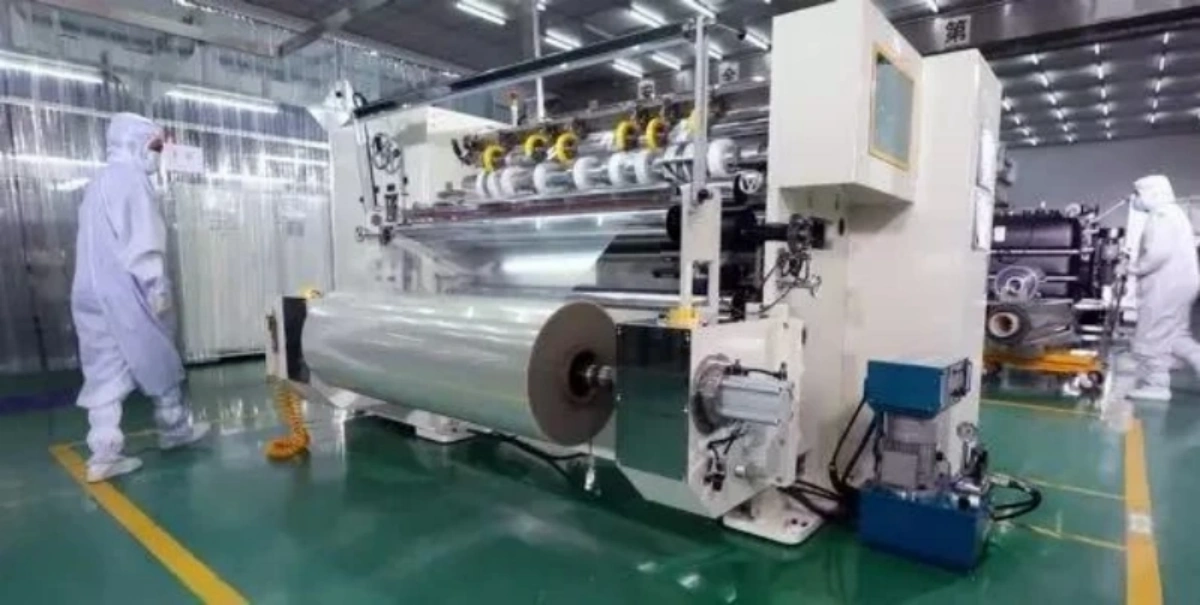
autoli TPU PPF Applied to all brand car models as McLaren、Infiniti、bmw、Alfa Romeo.Our factory cooperates with ppf installation、Auto Repair Center、Auto Detailing、PPF wholesale、PPF distributor and all so in many countries and regions around the world,like Czech Republic,Macedonia,Sweden,Japan,France,Warranty: 10 years.Our advantages:High quality raw materials and advanced technology;Unlock Business Growth with Our Factory’s PPF;Efficient production reduces costs;Perfect after-sales service;SGS, ASTM, REACH, UL and other certifications.Our factory also provides PPF FILM、vinyl car wrapping、Car PPF、PPF Vinyl Car Wrap.