

PPF cuts maintenance costs: extends wash intervals to 4-6 weeks, saving ~¥5k on polishing for a Tesla in 3 years.,Anti-microbial to inhibit mold in humidity.,Partner with Factory: Diverse – Style PPF, Faster Return on Investment.
The product classification and selection logic of PPF:
- Multi-Surface Compatibility – Selecting PPF safe for paint, plastic, and chrome to enable full-vehicle protection with one product.
- Collision Repair Compatibility – Opting for easily removable PPF to simplify body shop repairs after accidents.
- Eco-Friendly Segmentation – Grouped as petroleum-based, bio-based, or recyclable PPF to align with sustainability priorities.
- Repair Ease Consideration – Selecting patchable PPF for owners preferring DIY fixes for minor damage.
- Impact Speed Consideration – Upgrading to high-speed impact-resistant PPF for race cars or highway patrol vehicles.
- Debris Type Evaluation – Selecting sand-resistant PPF for desert regions vs. gravel-resistant variants for rural areas.
Say Goodbye to Car Scratches: Self-Healing PPF Revealed!:
- Self-healing PPF reduces the need for expensive “paint correction” services, saving hundreds annually in maintenance.
- Valet or parking attendant scratches heal, reducing stress about professional handling of your vehicle.
- Golf club or sports equipment scratches heal, keeping recreational vehicles looking their best for outings.
- Scratches from tree sap or bug splatter removal heal, ensuring necessary cleaning doesn’t leave permanent marks.
- Unlike rigid PVC films that crack, TPU-based self-healing PPF maintains flexibility to absorb impacts and repair the resulting damage.
- Self-healing PPF works with ceramic topcoats, combining water repellency with scratch repair for enhanced protection.
- Pet owners benefit from scratch repair on door panels and trims, as claw marks disappear with mild heat from sunlight or interior warmth.
- Work truck scratches from tools or equipment heal, preserving paint on vehicles used daily for labor.
- Self-healing PPF preserves custom paint jobs, repairing scratches without altering unique colors or textures.
The cutting-edge technology research and development of PPF:
- AI-Powered Defect Prediction – Machine learning models analyze extrusion parameters to predict and prevent defects before production starts.
- Bio-Based TPU – Algae-derived and waste cooking oil-based TPU reduces carbon footprint by 70% compared to petroleum-based alternatives.
- Shape Memory Polymers – 4D-printed PPF star polymers with tunable glass transition temperatures recover 95% of original shape after deformation.
- Smart Adhesive Systems – Pressure-sensitive adhesives with shape memory properties adjust bonding strength based on temperature and humidity.
- High-Aspect-Ratio Nanofibers – Electrospun TPU nanofibers with 100:1 aspect ratio enhance puncture resistance by 400% in industrial applications.
- Quantum Dot UV Protection – Quantum dot-infused films block 99.9% of UV rays while enhancing color stability, preventing yellowing over 10 years.
- Nano-Ceramic Coatings – Nano-ceramic-infused topcoats enhance scratch resistance by 300% while maintaining hydrophobicity and UV stability, ideal for extreme climates.
- Nano-Bubble Enhanced Hydrophobicity – Microplasma-treated surfaces trap air nanobubbles, creating a Cassie-Baxter state for extreme water repellency.
- AI-Powered Predictive Maintenance – Machine learning models analyze sensor data to predict PPF degradation, scheduling replacements before failure.
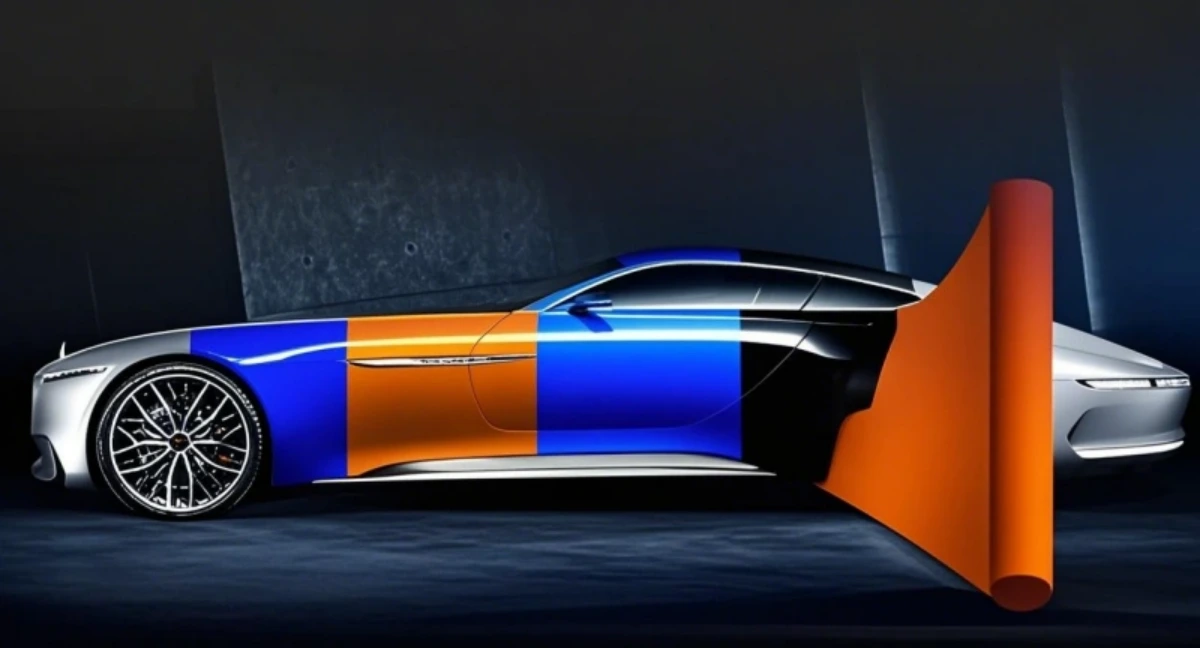
The environmental protection and sustainability of PPF:
- End-of-Life Recycling Guides – Consumer-facing tools explain how to recycle PPF, increasing proper disposal rates by 60%.
- Low-Energy Drying Processes – Air-dried production stages replace energy-intensive heat drying, cutting factory energy use by 15%.
- Minimalist Packaging – Brands eliminate unnecessary plastic inserts, using 40% less packaging material while maintaining product protection.
- Heavy Metal-Free Pigments – Colored PPF uses organic pigments, eliminating lead, cadmium, and chromium from formulations.
- Biochar-Infused TPU – Adding biochar (carbon-rich biomass) sequesters CO? in PPF, reducing net carbon impact by 15%.
- Biodegradable Release Liners – Plant-based paper liners replace plastic, decomposing in 6 months and reducing packaging waste by 60%.
The horizontal comparison of PPF with other protection methods:
- PPF vs. Glass Coatings – Glass coatings excel on windows for clarity but don’t protect paint, whereas PPF is engineered specifically for automotive painted surfaces.
- PPF vs. Stone Guard Films (Thin) – Thin stone guards protect against small debris but lack self-healing, while PPF handles larger impacts and repairs minor damage automatically.
- PPF vs. Ceramic Coatings – PPF offers physical impact protection (resisting rocks/chips) while ceramic coatings focus on chemical resistance and hydrophobicity, with PPF lasting 5–10 years vs. 2–5 for ceramics.
- PPF vs. Fiberglass Coatings – Fiberglass coatings add rigid strength to surfaces but can’t conform to curves, unlike PPF which adapts to vehicle contours seamlessly.
- PPF vs. Rubber Gasket Protectants – Gasket protectants prevent drying/cracking, while PPF has no role in rubber maintenance, highlighting their non-overlapping functions.
- PPF vs. Silicone Spray – Silicone spray repels water temporarily but attracts dust, unlike PPF’s long-lasting hydrophobicity that resists dirt buildup.
The user perception and consumption misconceptions of PPF:
- Correct Perception: UV Testing Validates Anti-Yellowing Claims – Checking for 1,000 hours of UV testing data, ensuring films resist discoloration in real-world use.
- Correct Perception: Edge Coverage Prevents Lifting – Opting for “full edge” wraps that fold film over panel edges, reducing wear from debris.
- Consumer Misconception: “Lifetime Warranty Means Forever” – Misunderstanding that “lifetime” warranties cover all damage, when most exclude improper maintenance or extreme impacts.
- Consumer Misconception: “PPF Makes Paint Shiny Forever” – Expecting permanent gloss, not realizing topcoat wear requires periodic sealant reapplication to maintain shine.
- Consumer Misconception: “All PPFs Are Identical” – Many buyers assume no quality difference between $500 and $3,000 PPF, neglecting TPU vs. PVC material distinctions.
- Correct Perception: Interior PPF Benefits – Users protect dashboards and touchscreens, reducing UV fading and scratch visibility by 80%.
- Correct Perception: Temperature Tolerance – Cold-climate users seek flexible PPF, avoiding cracking in sub-zero conditions unlike rigid alternatives.
The regulations of PPF and after-sales services:
- DIY Installation Void Policies – Most warranties, including PurePPF and 3M, void coverage for self-installed films, emphasizing the need for certified professional application .
- WEEE Directive Compliance – End-of-life PPF must be recycled in accordance with the EU’s WEEE directive, promoting circular economy practices for electronic and automotive waste .
- Recall Protocols for Defects – In cases of material defects (e.g., delamination), manufacturers like PurePPF coordinate nationwide recalls and replacements via authorized installers .
- EU PPWR Packaging Mandates – The EU’s Packaging and Packaging Waste Regulation (PPWR) requires PPF packaging to be recyclable by 2030 and prohibits PFAS in food-contact packaging, impacting material choices and disposal practices .
- Heat-Activated Self-Healing Warranties – Brands guarantee self-healing performance (e.g., 98% micro-scratch repair within 8 minutes at 45°C) under warranty, reflecting confidence in material durability .
The extension of PPF’s functions:
- Before: Chrome trims tarnished and pitted from weathering; After: PPF’s protective layer covers corrosion and maintains shine, restoring reflective quality.
- Before: Hood insulation with paint stains from oil leaks; After: PPF on adjacent metal covers stains and creates a barrier against future leaks.
- Before: Trunk lid with key scratches and luggage scuffs; After: PPF’s self-healing properties erase fine scratches, creating a flawless surface for loading/unloading.
- Before: Side view mirror housings with paint worn from adjusting; After: PPF wraps housings, covering wear and reducing friction during adjustments.
- Before: License plate area with rust bleeding through paint; After: PPF acts as a moisture barrier, covering rust signs and preventing further corrosion.
- Before: Hood insulation clips with rust staining surrounding paint; After: PPF covers clip areas, hiding stains and preventing rust from spreading.
- Before: Rear window defroster lines with faded paint around them; After: PPF covers the area, hiding discoloration and protecting against ice scraper damage.
- Before: Door handles with worn paint from repeated use; After: PPF wraps handle cups, covering wear and resisting new scratches from daily use.
- Before: Tail light housings with scratches from car washes; After: Clear PPF covers scratches and resists brush damage, keeping lenses clear.
- Before: Quarter panels with water spots and mineral deposits; After: Hydrophobic PPF repels water, hiding existing spots and preventing new buildup.
AUTOLI(CN) PPF(Paint Protection Film) oem manufacturer
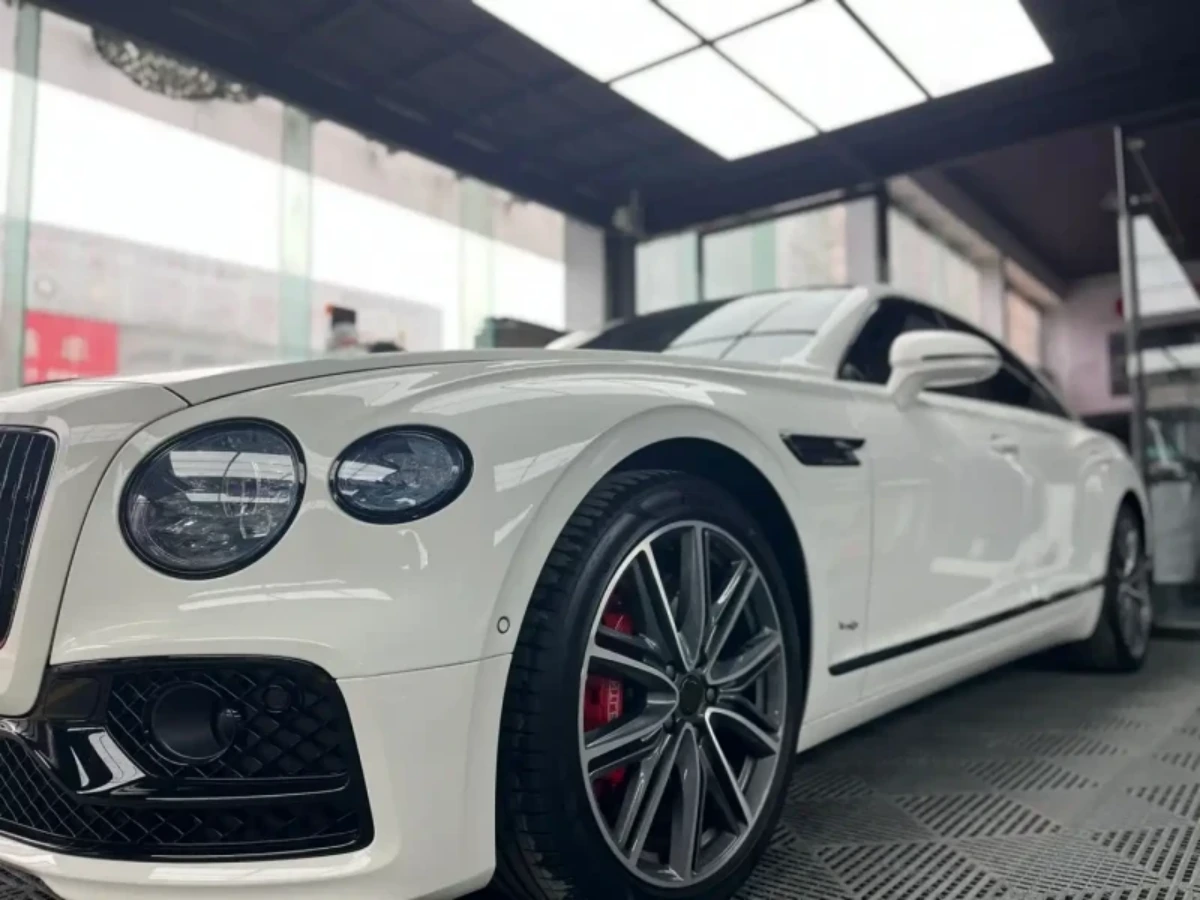
autoli TPU PPF Applied to all brand car models as acura、Cadillac、Alfa Romeo、ford.Our factory cooperates with Auto Repair Center、PPF wholesale、Auto Detailing Shop and all so in many countries and regions around the world,like Sudan,Poland,SriLanka,Iraq,Warranty: 10 years.Our advantages:Our customers are all over the world;Strict quality control system;Collaborate for Lucrative Returns: Source factory;Raw material purchasing advantage;Your Key to Profitable PPF Ventures.Our factory also provides Window Film、car vinyl wrap.