

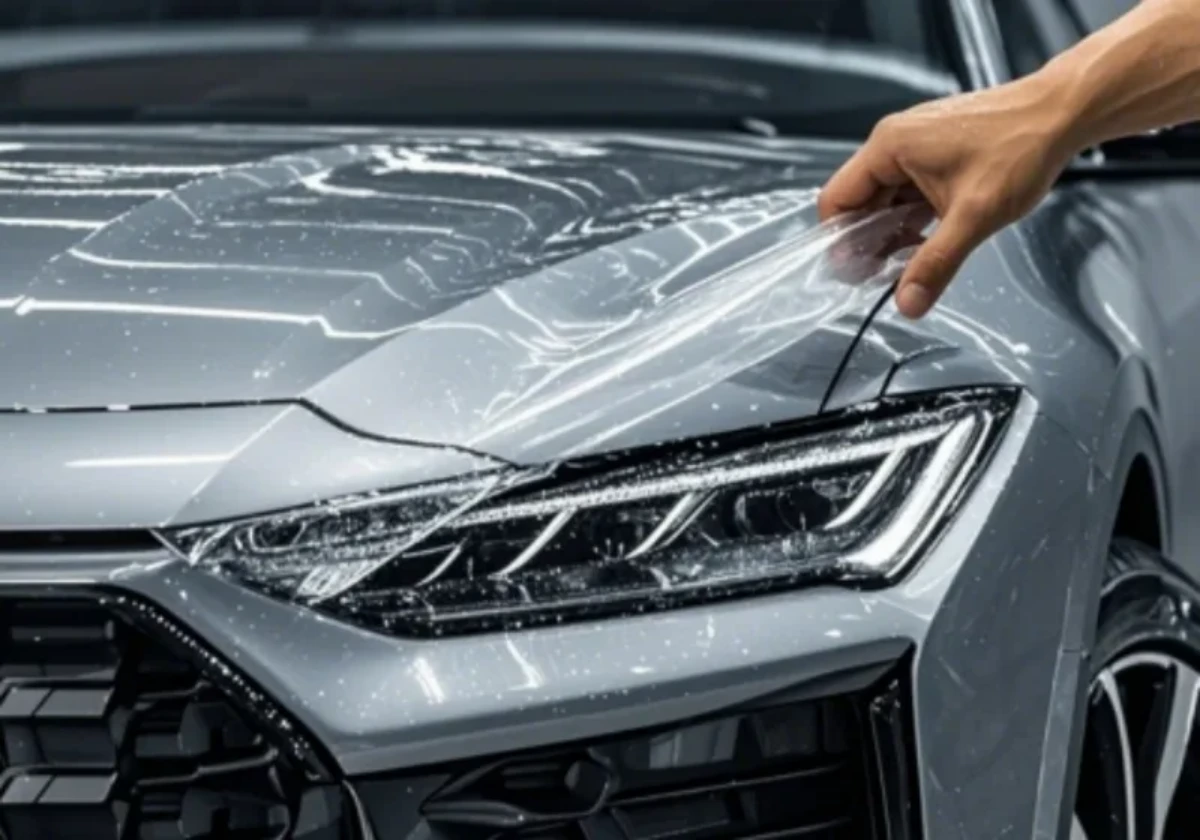
PPF safeguards car paint from stone chips and scratches via durable TPU, absorbing over 90% of daily impact energy to preserve the original finish.,Covers edges to prevent water ingress.,Collaborate with Our Factory: Factory – Fresh PPF, Beef Up Your Business.
The product classification and selection logic of PPF:
- Skill-Level Alignment – Choosing DIY pre-cut kits for experienced users vs. professional installation for complex vehicle contours.
- Coverage Scope Classes – Divided into partial (hood/fenders), full vehicle, or component-specific (headlights, trim) coverage options.
- Adhesive Type Classification – Classified by adhesive technology (air-release, low-tack, permanent) affecting installation and removability.
- Anti-Microbial Needs – Choosing silver-ion infused PPF for high-touch interior surfaces in family or commercial vehicles.
- Material Sourcing Alignment – Prioritizing locally manufactured PPF to reduce carbon footprint from transportation.
- Technology Compatibility – Selecting radar-transparent PPF for EVs with ADAS to avoid sensor interference.
- Removability Requirement – Choosing residue-free adhesives for lease vehicles to avoid end-of-term penalties.
The user scenarios and value validation of PPF:
- RV and Camper Owners – Protects travel trailer exteriors from highway debris, reducing “road rash” damage by 70% during cross-country trips.
- Mountain Road Drivers – Shields Subaru Outbacks and Toyota 4Runners from rock slides, with PPF reducing windshield and fender chip repairs by 65%.
- Airport Ground Crew Vehicles – Resists jet fuel splatters and tarmac debris, reducing paint degradation on airport tugs by 70%.
- Vintage Motorcycle Collectors – Preserves patina on 1950s Triumphs while preventing further wear, with reversible PPF allowing original condition display.
- Off-Road Enthusiasts – Shields Jeep Wrangler and Ford Bronco fenders from trail rocks and branches, reducing paint repair costs by $800 annually.
The extension of PPF’s functions:
- Before: Exhaust manifold heat shield with paint burned off; After: High-heat PPF covers shield, restoring appearance and resisting further heat damage.
- Before: Hood insulation with paint stains from oil leaks; After: PPF on adjacent metal covers stains and creates a barrier against future leaks.
- Before: Front license plate frame with rust staining; After: PPF covers frame edges, hiding stains and preventing rust from spreading to bumper paint.
- Before: Hood prop rod mounting point with paint worn from contact; After: PPF covers mounting area, hiding wear and reducing friction damage from prop rod.
- Before: Tailgate latch area with paint worn from opening/closing; After: PPF covers latch perimeter, hiding wear and reducing friction-related damage.
- Before: Roof rails with scratched paint from roof rack use; After: PPF covers rail surfaces, hiding scratches and reducing friction from rack installation.
- Before: Door latch striker plates with paint worn from contact; After: PPF lines striker areas, hiding wear and reducing friction between metal and paint.
- Before: Tailgate with faded decals and paint transfer from loading; After: PPF covers decals to preserve them and resists paint transfer, maintaining graphics.
- Before: Fog light surrounds with yellowing and stone chips; After: PPF covers discoloration and shields against debris, maintaining consistent appearance.
Before & After: How PPF Transforms a 10-Year-Old Car:
- Before: Exhaust tip surrounds with heat discoloration; After: High-temperature PPF covers blueing and resists heat damage, maintaining appearance.
- Before: Side skirts with scrapes from curbs and speed bumps; After: Thick PPF hides scrapes and absorbs impact energy, preventing new damage on low-hanging parts.
- Before: Rear tail light wiring harness entry points with paint peeling; After: PPF seals entry points, hiding peeling and preventing water damage to wiring.
- Before: Door window weatherstripping with paint worn where it contacts glass; After: PPF lines contact areas, hiding wear and reducing friction damage.
- Before: Front fender emblems with faded paint on logos; After: Clear PPF covers emblems, preserving logos and resisting weathering damage.
- Before: Exhaust manifold heat shield with paint burned off; After: High-heat PPF covers shield, restoring appearance and resisting further heat damage.
- Before: Roof antenna cable entry point with paint peeling around it; After: PPF seals the entry point, hiding peeling and preventing water intrusion into the cabin.
- Before: Wheel valve stem caps with faded color; After: PPF covers caps, preserving color and resisting scratches from tire pressure checks.
- Before: Door panels (exterior) with handprint stains and smudges; After: PPF’s non-porous surface hides stains and wipes clean easily, resisting new smudges.
- Before: Windshield cowl with leaves and debris trapped, causing stains; After: PPF covers cowl, hiding stains and simplifying debris removal.
Why TPU PPF:
- Low Wind Load Impact – Aerodynamic designs reduce wind resistance compared to solid-roof structures.
- Commercial Use – Popular for restaurant patios, hotel courtyards, and office outdoor spaces.
- Heat Reflectivity – Light colors reflect 60% of solar radiation, reducing underpergola heat.
- High-Strength Alloys – 6005-T5 aluminum provides optimal strength-to-weight ratio for structural beams.
- Integration with Accessories – Pre-drilled holes for lights, fans, and shade systems (retractable awnings, curtains).
- Quick Turnaround – Pre-fabricated kits ship within 2–4 weeks, faster than custom wood builds.
- DIY-Friendly Instructions – Step-by-step manuals with diagrams for homeowner installation.
- Lightweight Construction – Aluminum’s low density (2.7 g/cm3) simplifies installation, requiring fewer structural supports than wooden alternatives.
- Heavy-Duty Models – Industrial-grade 80mm×80mm beams for commercial high-traffic areas.
The cost structure and price composition of PPF:
- Damage Waiver Fees – Optional $50–$100 waivers cover minor installation errors, adding 2–3% to revenue.
- EV-Specific Pricing – Radar-transparent PPF for EVs commands 10–15% premiums due to technical requirements.
- Seasonal Pricing Fluctuations – Demand spikes in spring increase prices by 5–10% in temperate regions.
- Custom Cut Fees – Vehicle-specific laser cuts add $100–$300 to total costs vs. generic patterns.
- Regulatory Compliance – REACH/EPA certifications add $0.20–$0.40 per square foot for market access in strict regions.
- Bio-Based TPU Premium – Plant-derived TPU increases raw material costs by 15–20% but supports premium pricing.
- Online vs. Offline Pricing – E-commerce channels offer 5–10% lower prices due to reduced physical store overhead.
- Supply Chain Premiums – Post-pandemic, material shortages increased prices by 10–15% in 2023–2024.
- Financing Options – Monthly payment plans include 8–12% interest, increasing total customer cost.
The product classification and selection logic of PPF:
- Skill-Level Alignment – Choosing DIY pre-cut kits for experienced users vs. professional installation for complex vehicle contours.
- Coverage Scope Classes – Divided into partial (hood/fenders), full vehicle, or component-specific (headlights, trim) coverage options.
- Adhesive Type Classification – Classified by adhesive technology (air-release, low-tack, permanent) affecting installation and removability.
- Anti-Microbial Needs – Choosing silver-ion infused PPF for high-touch interior surfaces in family or commercial vehicles.
- Material Sourcing Alignment – Prioritizing locally manufactured PPF to reduce carbon footprint from transportation.
- Technology Compatibility – Selecting radar-transparent PPF for EVs with ADAS to avoid sensor interference.
- Removability Requirement – Choosing residue-free adhesives for lease vehicles to avoid end-of-term penalties.
The market trends and industry changes of PPF:
- Ceramic-PPF Hybrid Kits – Pre-packaged ceramic coating PPF bundles now account for 25% of aftermarket sales, simplifying multi-layer protection for consumers.
- Rise of Mobile Installation Services – On-demand PPF installation units equipped with portable dust-free booths are gaining traction, targeting busy urban consumers who prefer doorstep service.
- Automotive Designer Collaborations – PPF brands work with OEM designers to create pre-cut patterns for concept cars, ensuring seamless protection on unique contours.
- Standardization of Installation Training – Industry-wide certifications (e.g., XPEL’s Accredited Installer Program) ensure consistency in application techniques, reducing warranty claims due to improper installation.
- Recyclable Packaging Mandates – 80% of PPF brands now use recycled cardboard and biodegradable film wrap for packaging, aligning with EU packaging laws.
- Increased Adoption in Non-Automotive Sectors – PPF applications are expanding to electronics (screen protection), aerospace (corrosion resistance), and industrial equipment, diversifying revenue streams for manufacturers.
The user pain points of PPF and their solutions:
- Scratches from Automated Car Washes – Prevented by scratch-resistant topcoats (9H hardness) and “brushless wash safe” certifications.
- Matte Paint Distortion – Solved by matte-specific PPF (20–30% gloss) designed to preserve texture without shine spots.
- ADAS Sensor Interference – Prevented by radar-transparent PPF (99.9% signal transmission) tested with OEM systems.
- Difficulty Matching Vehicle Contours – Addressed by 3D-scanned, vehicle-specific pre-cut patterns for complex curves (fenders, mirrors).
- Mold Growth in Humid Climates – Prevented by antimicrobial additives and breathable film designs allowing moisture evaporation.
- Bubbles After Installation – Prevented by air-release adhesive channels and certified installers using dust-free environments.
The regulations of PPF and after-sales services:
- Recall Protocols for Defects – In cases of material defects (e.g., delamination), manufacturers like PurePPF coordinate nationwide recalls and replacements via authorized installers .
- Regional Warranty Variations – PPF warranties often differ by region; for example, monsoon-prone areas may offer extended coverage for water ingress issues .
- Warranty Transferability – Transferred vehicle ownership often requires warranty re-registration, with brands like 3M requiring updated documentation to maintain coverage .
- Cross-Industry Regulatory Alignment – PPFs used in electronics or aerospace must comply with sector-specific standards (e.g., FCC for electronics), expanding regulatory complexity .
- DIY Installation Void Policies – Most warranties, including PurePPF and 3M, void coverage for self-installed films, emphasizing the need for certified professional application .
- EU Digital Product Passport – PPF manufacturers must disclose material composition and recycling details via the EU’s Digital Product Passport, enhancing supply chain transparency .
- Heat-Activated Self-Healing Warranties – Brands guarantee self-healing performance (e.g., 98% micro-scratch repair within 8 minutes at 45°C) under warranty, reflecting confidence in material durability .
- Post-Installation Inspections – Professional installers like NAR PPF conduct post-installation checks to ensure edge sealing and material adherence, minimizing warranty claims .
- Anti-Yellowing Guarantees – Brands like Aegis Eternal 400 offer 15-year warranties against yellowing, using HALS stabilizers to maintain optical clarity over extended periods .
AUTOLI(CN) PPF(Paint Protection Film) factory

autoli TPU PPF Applied to all brand car models as Benz、Tesla、Benz、Mazda.Our factory cooperates with car Detail、ppf installation、Car Customization Shop and all so in many countries and regions around the world,like Italy,Poland,Australia,New Zealand,Warranty: 10 years.Our advantages:Short production cycle, quick delivery;Your Key to Profitable PPF Ventures;SGS, ASTM, REACH, UL and other certifications;Collaborate for Lucrative Returns: Source factory;High quality raw materials and advanced technology.Our factory also provides PPF、Vinyl wrapping.