

PPF’s thickness variation (8-10mil) allows customization, with thicker options for high-impact areas like front bumpers.,Compatible with metallic/pearlescent paints.,Collaborate with Our Factory: PPF That Transforms Profit Landscapes.
The user perception and consumption misconceptions of PPF:
- Consumer Misconception: “PPF Needs Waxing Like Paint” – Over-maintaining with wax, unaware that PPF’s topcoat排斥 traditional waxes, requiring specialized sealants.
- Consumer Misconception: “New Car Paint Is ‘Protected’ from Factory” – Trusting factory clear coats alone, unaware they lack the impact resistance of PPF.
- Correct Perception: Brand Reputation Matters – Discerning buyers choose established brands, associating 3M or XPEL with consistent quality over generic alternatives.
- Correct Perception: Self-Healing Efficacy – Most users recognize PPF can repair minor scratches (≤3μm) with heat, though many underestimate the need for 40°C activation temperatures.
- Correct Perception: Ceramic Coating Synergy – Savvy users pair PPF with ceramic topcoats, enhancing hydrophobicity and scratch resistance by 40%.
The construction and maintenance of PPF:
- Winter Salt Rinse – Post-snow rinsing removes road salt to prevent chemical degradation of the PPF’s topcoat.
- Self-Healing for Minor Scratches – Applying gentle heat (e.g., hair dryer on low) accelerates repair of swirl marks or light scratches.
- Post-Heat Curing – A final pass with a heat gun (80–100°C) on edges accelerates adhesive curing for immediate durability.
- Infrared Curing for Cold Conditions – Low-heat infrared lamps accelerate adhesive setting in workshops below 20°C.
- Long-Term Replacement Planning – Scheduling replacement before topcoat failure (typically 5–10 years) avoids adhesive residue buildup.
- Tree Sap Removal – Using isopropyl alcohol on a microfiber cloth dissolves sap without harming PPF or paint.
- Edge Trimming – Precision cutting with a blade 1–2mm from panel edges prevents lifting while hiding trim lines.
- Regular Edge Inspections – Checking quarterly for lifting edges allows prompt heat-sealing to prevent further damage.
- Avoid Abrasive Cleaners – Steering clear of compounds, polishes with abrasives, or acidic wheel cleaners protects the topcoat.
The cutting-edge technology research and development of PPF:
- AI-Powered Defect Prediction – Machine learning models analyze extrusion parameters to predict and prevent defects before production starts.
- Bio-Based TPU – Algae-derived and waste cooking oil-based TPU reduces carbon footprint by 70% compared to petroleum-based alternatives.
- Nanocellulose Reinforcement – Cellulose nanofibers from wood pulp improve PPF toughness by 200% while maintaining biodegradability.
- Dynamic Color-Changing PPF – Thermochromic liquid crystals embedded in films display temperature gradients for diagnostic applications.
- Antimicrobial Silver-Ion Coatings – SILVERSAN? technology releases silver ions to inhibit bacterial growth, reducing odor-causing microbes by 99.9%.
- Nano-Bubble Enhanced Hydrophobicity – Microplasma-treated surfaces trap air nanobubbles, creating a Cassie-Baxter state for extreme water repellency.
The user pain points of PPF and their solutions:
- Poor Performance in Cold Climates – Fixed with cold-flexible TPU (-40°C tolerance) and frost-resistant adhesives to avoid cracking.
- Edge Lifting – Addressed through heat-sealed edges and nano-adhesive technology, reducing lifting by 75% in car washes.
- Uncertainty About Lifespan – Resolved by clear warranty durations (5–15 years) and real-world durability data from field tests.
- Long Installation Downtime – Reduced to 1–2 days with pre-cut kits and rapid-cure adhesives (24-hour bonding).
- Warranty Void Due to DIY Installation – Resolved by offering “DIY-friendly” kits with warranty coverage for proper application.
- Complex Maintenance – Simplified via pH-neutral cleaning kits, hydrophobic topcoats, and quarterly sealant boosters.
The production supply chain and quality control system of PPF:
- Quality Metrics Dashboard – Real-time monitoring of PPM (parts per million) defects, yield rates, and CPK values.
- Technology Partnerships – Collaboration with IoT firms for real-time supply chain visibility tools.
- Six Sigma Projects – DMAIC methodology applied to reduce variation in critical processes (e.g., coating uniformity).
- Coating Equipment Sourcing – Procurement of ceramic and self-healing coating lines from specialized industrial machinery providers.
- Predictive Maintenance – IoT sensors on production equipment forecasting part failures to prevent unplanned downtime.
- Localization Strategies – Regional production for large markets (e.g., China, US) to reduce shipping costs and tariffs.
- Self-Healing Efficacy – Controlled scratch tests (3μm depth) followed by heat activation to verify 95% repair rate.
The regulations of PPF and after-sales services:
- EU Digital Product Passport – PPF manufacturers must disclose material composition and recycling details via the EU’s Digital Product Passport, enhancing supply chain transparency .
- Supply Chain Traceability – EU PPWR mandates tracking PPF materials from production to disposal, ensuring compliance with recycled content targets (e.g., 30% by 2030) .
- EU REACH Compliance – PPF manufacturers must adhere to EU REACH regulations, ensuring all chemicals used in production meet strict safety and environmental standards, particularly for PFAS substances like C9-C14 PFCAs, which are restricted to ≤25 ppb in materials .
- 3M’s Warranty Exclusions – 3M’s warranty explicitly excludes watermarks, improper maintenance, and non-authorized products, emphasizing the need for professional installation and genuine materials .
- EU PPWR Packaging Mandates – The EU’s Packaging and Packaging Waste Regulation (PPWR) requires PPF packaging to be recyclable by 2030 and prohibits PFAS in food-contact packaging, impacting material choices and disposal practices .
Say Goodbye to Car Scratches: Self-Healing PPF Revealed!:
- Microfiber drying scratches vanish, making DIY cleaning safer for preserving your car’s finish.
- Modern self-healing PPF reduces “micro-marring” that dulls paint over time, keeping finishes brighter longer.
- Car owners report a 70% reduction in visible scratches after installing self-healing PPF, boosting vehicle pride and resale value.
- Existing minor scratches fade over time with repeated thermal exposure, making self-healing PPF a retroactive solution for pre-installation damage.
- Wet conditions don’t delay healing—self-healing PPF repairs scratches even when exposed to rain or humidity.
- Highway gravel impacts leave temporary marks that heal, reducing long-term paint degradation from road debris.
- Self-healing PPF’s topcoat works with its TPU layer to ensure repairs don’t compromise water resistance or gloss.
- Self-healing PPF minimizes “witness marks” from minor collisions, reducing the visual impact until professional repairs are possible.
- Morning scratches from your commute can vanish by afternoon sunlight, keeping your car looking pristine throughout the day.
- Consistent repair quality across flat and curved panels ensures your entire vehicle maintains a flawless appearance.
The environmental protection and sustainability of PPF:
- Recyclable PPF Materials – End-of-life TPU films are recyclable into secondary products like industrial mats, diverting 80% from landfills under closed-loop programs.
- Bulk Roll Distribution – Supplying large rolls to installers reduces packaging waste by 70% compared to pre-cut kit packaging.
- Local Raw Material Sourcing – Sourcing TPU from regional suppliers cuts transportation emissions by 25% versus global supply chains.
- Reduced Landfill Contributions – 10-year PPF generates 75% less waste than 1-year sealants over a vehicle’s lifetime.
- Renewable Raw Materials – TPU derived from castor oil or sugarcane reduces reliance on petroleum, with 30% lower carbon footprint than conventional TPU.
- Renewable Energy Credits – Purchasing RECs offsets 100% of grid electricity use, making production carbon-neutral.
Why TPU PPF:
- Heavy-Duty Models – Industrial-grade 80mm×80mm beams for commercial high-traffic areas.
- Cost Predictability – Fixed material costs avoid price fluctuations of lumber markets.
- Multi-Zone Use – Can cover dining, lounging, and cooking areas in large outdoor spaces.
- Wildlife Resistant – No organic materials to attract birds, squirrels, or bees.
- Low Vibration Transfer – Stable structure minimizes shaking during storms or high winds.
- Low Wind Load Impact – Aerodynamic designs reduce wind resistance compared to solid-roof structures.
- Marine-Grade Options – 6061-T6 aluminum alloys resist saltwater corrosion for coastal properties.
- Long-Distance Transport – Flat-pack designs fit in standard shipping containers, reducing freight costs.
- Color Retention – UV-stable pigments resist fading, maintaining appearance in direct sunlight.
AUTOLI(CN) PPF(Paint Protection Film) manufacturer

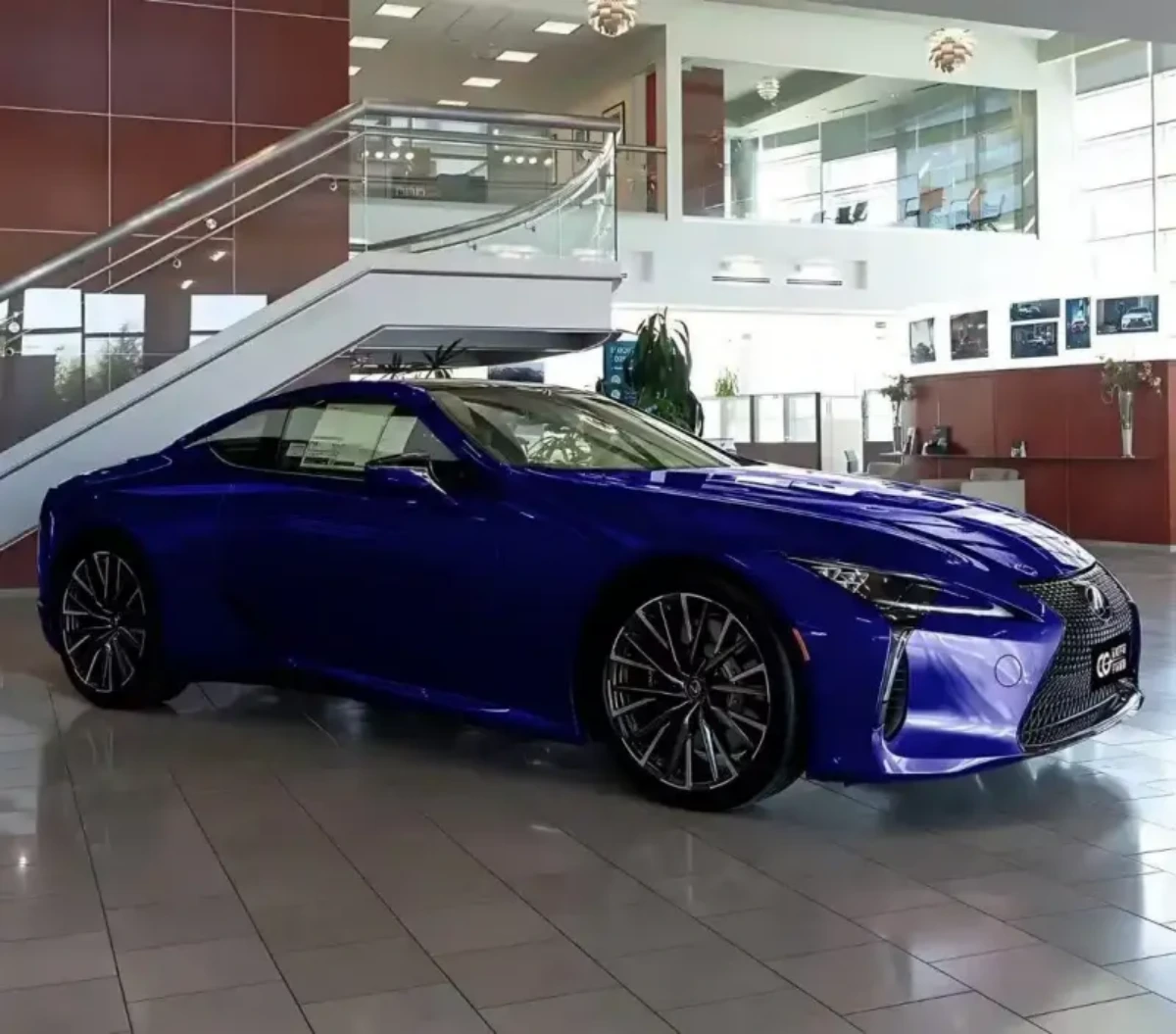
autoli TPU PPF Applied to all brand car models as acura、Bugatti、Land Rover、Infiniti、Lincoln、Lexus.Our factory cooperates with PPF trading、PPF distributor、PPF wholesaler and all so in many countries and regions around the world,like Luxembourg,Slovenia,UK,Poland,Warranty: 10 years.Our advantages:Efficient production reduces costs;Raw material purchasing advantage;Collaborate for Lucrative Returns: Source factory;Our customers are all over the world;Your Key to Profitable PPF Ventures.Our factory also provides Car Wrap Vinyl、TPU PPF、Vinyl Car Wrap.