

PPF’s protection on door edges prevents chips from open the doorcollisions, a common high-wear area on daily-driven cars.,Resists chemical cleaner damage during washing.,Elevate Your Business Game: Factory – Supplied PPF, Swift and Superior.
The differentiated user group needs matching of PPF:
- Horse Trailer Owners – Choose scratch-resistant PPF for aluminum exteriors, preventing damage from hoof kicks and hay bale impacts.
- Mobile Pet Grooming Vans – Select water-resistant PPF for exteriors, simplifying cleanup of pet hair, water, and grooming product splatters.
- Classic Car Collectors – Opt for low-tack, reversible PPF that preserves original paint while allowing removal for concours events and inspections.
- Wildlife Research Vehicles – Choose low-gloss PPF that reduces vehicle visibility to animals, while protecting paint from brush and mud in remote areas.
- Luxury Vehicle Owners – Demand 8.5 mil multi-layer PPF with 10 year anti-yellowing warranties to preserve factory paint and maintain resale value.
- Solar Farm Maintenance Trucks – Use dust-resistant PPF to protect cabs from desert sand, maintaining visibility and reducing cleaning needs.
- Limousine Services – Select mirror-finish PPF for black exteriors, minimizing swirl marks from frequent client pickups and drop-offs.
- EV Owners – Require heat-resistant PPF (120°C ) for battery zones and radar-transparent films to maintain ADAS functionality.
The protective performance of PPF:
- **Mechanical Abrasion Protection** – Protects against abrasions from objects rubbing against the vehicle, such as shopping carts in a parking lot or branches brushing against the side during off – road driving.
- **Impact Absorption** – PPF can absorb the impact energy from small collisions, like hitting a small pothole or a light tap in a parking lot, reducing the chance of paint damage.
- Extreme Temperature Stability – Maintains flexibility and performance in temperatures ranging from -40°C to 120°C.
- **Moisture Barrier** – PPF acts as a moisture barrier, preventing water from seeping into the paint and potentially causing rust or corrosion, especially in areas with high humidity or salty road conditions.
- RAPID EDGE? Technology – Simplifies installation with warm water activation, reducing chemical reliance and securing edges efficiently.
- Gloss Enhancement Technology – Optical-grade clarity amplifies paint depth, creating a showroom finish without additional waxing.
- Weather Resistance – Withstands extreme temperatures, humidity, rain, snow, and other harsh weather conditions.
The extension of PPF’s functions:
- Before: Rear tail light wiring harness entry points with paint peeling; After: PPF seals entry points, hiding peeling and preventing water damage to wiring.
- Before: Side vent louvers with paint chipping on edges; After: PPF covers louver edges, hiding chips and preventing debris from catching and causing more damage.
- Before: Side mirror turn signal lenses with scratches; After: Clear PPF covers lenses, hiding scratches and maintaining visibility of turn signals.
- Before: Door panel armrests (exterior) with paint worn from leaning; After: PPF wraps armrests, covering wear and maintaining comfort without damage.
- Before: Rocker panels with mud and salt damage from winters; After: PPF’s corrosion-resistant layer covers rust-prone areas and blocks future salt intrusion.
- Before: Tail light housings with scratches from car washes; After: Clear PPF covers scratches and resists brush damage, keeping lenses clear.
- Before: Running boards with worn paint from foot traffic; After: PPF’s durable layer covers wear and resists scuffs from shoes and boots.
- Before: Roof rails with scratched paint from roof rack use; After: PPF covers rail surfaces, hiding scratches and reducing friction from rack installation.
- Before: Fender flare mounting screws with rust around heads; After: PPF covers screw heads, hiding rust and preventing water from worsening corrosion.
The user pain points of PPF and their solutions:
- Scratches from Automated Car Washes – Prevented by scratch-resistant topcoats (9H hardness) and “brushless wash safe” certifications.
- Discoloration on Dark Paint – Solved by high-clarity TPU with low-iron content, preventing blue/green tint on black vehicles.
- Complex Maintenance – Simplified via pH-neutral cleaning kits, hydrophobic topcoats, and quarterly sealant boosters.
- Complex Warranty Transfers – Simplified via blockchain-based systems enabling easy ownership transfers with digital validation.
- DIY Installation Failures – Resolved with pre-cut laser patterns, air-release adhesives, and step-by-step video tutorials.
- Difficulty Removing Old PPF – Simplified with low-tack, residue-free adhesives and professional heat-assisted removal services.
TPU PPF VS PET PPF:
- Sustainability Metrics – TPU PPF has 40% lower carbon footprint over lifecycle than PET PPF when accounting for replacement frequency.
- Edge Lifting Resistance – TPU PPF’s heat-sealed edges reduce lifting by 75%, whereas PET PPF edges lift 30% more frequently in car washes.
- Multi-Layer Construction – TPU PPF integrates adhesive, core, and topcoat layers seamlessly, while PET PPF layers delaminate 2x more frequently.
- Petroleum Dependency – TPU PPF offers 30% bio-based options, while PET PPF remains 100% petroleum-derived with no sustainable alternatives.
- Removability – TPU PPF peels cleanly after 5 years, whereas PET PPF often leaves adhesive residue requiring professional removal.
- Marine Applications – Saltwater-resistant TPU PPF protects boats, while PET PPF degrades 3x faster in saltwater environments.
The user perception and consumption misconceptions of PPF:
- Correct Perception: Lease Protection Value – Leaseholders use PPF to avoid $500 end-of-term fees, with 95% passing inspections without paint-related charges.
- Correct Perception: PPF Preserves Custom Paint Investments – Owners of $5k custom paint jobs use PPF, avoiding costly touch-ups from minor damage.
- Correct Perception: Climate-Specific Formulas – Users in deserts seek UV-enhanced PPF, while coastal buyers prioritize saltwater resistance, matching products to environments.
- Consumer Misconception: “New Cars Don’t Need PPF Immediately” – Delaying installation, unaware that factory paint is most vulnerable to damage in the first 6 months of ownership.
- Correct Perception: Temperature Tolerance – Cold-climate users seek flexible PPF, avoiding cracking in sub-zero conditions unlike rigid alternatives.
- Correct Perception: EV-Specific PPF Benefits – EV owners prioritize heat-resistant PPF for battery zones, reducing thermal damage risks during charging.
- Consumer Misconception: “PPF Blocks Car Washes” – Avoiding automated washes due to fear of damage, when brushless systems are actually safe for properly installed PPF.
- Consumer Misconception: “All Warranties Cover Everything” – Misreading warranties to include damage from accidents or improper cleaning, leading to denied claims.
- Correct Perception: UV Testing Validates Anti-Yellowing Claims – Checking for 1,000 hours of UV testing data, ensuring films resist discoloration in real-world use.
The regulations of PPF and after-sales services:
- Class Action Liability – Manufacturers face potential litigation for non-compliant PPFs, as seen in cases involving PFAS contamination or false warranty claims .
- Solvent-Free Adhesive Requirements – EU REACH and California CARB regulations push PPF producers to adopt solvent-free adhesives, reducing carbon footprints by up to 80% .
- Heat-Activated Self-Healing Warranties – Brands guarantee self-healing performance (e.g., 98% micro-scratch repair within 8 minutes at 45°C) under warranty, reflecting confidence in material durability .
- Recall Protocols for Defects – In cases of material defects (e.g., delamination), manufacturers like PurePPF coordinate nationwide recalls and replacements via authorized installers .
- California CARB VOC Limits – PPF adhesives sold in California must comply with CARB’s strict VOC regulations, reducing harmful emissions during installation to align with regional air quality standards .
- Regulatory Updates for EVs – EV-specific PPFs must comply with OEM heat resistance standards (e.g., 120°C for battery zones) to avoid delamination .
- WEEE Directive Compliance – End-of-life PPF must be recycled in accordance with the EU’s WEEE directive, promoting circular economy practices for electronic and automotive waste .
- Lifetime Warranty Programs – Premium PPF brands like 3M offer 7-year warranties on Pro Series films, covering defects like delamination and yellowing, while excluding wear and tear or improper installation .
- EU Digital Product Passport – PPF manufacturers must disclose material composition and recycling details via the EU’s Digital Product Passport, enhancing supply chain transparency .
AUTOLI(CN) PPF(Paint Protection Film) oem factory
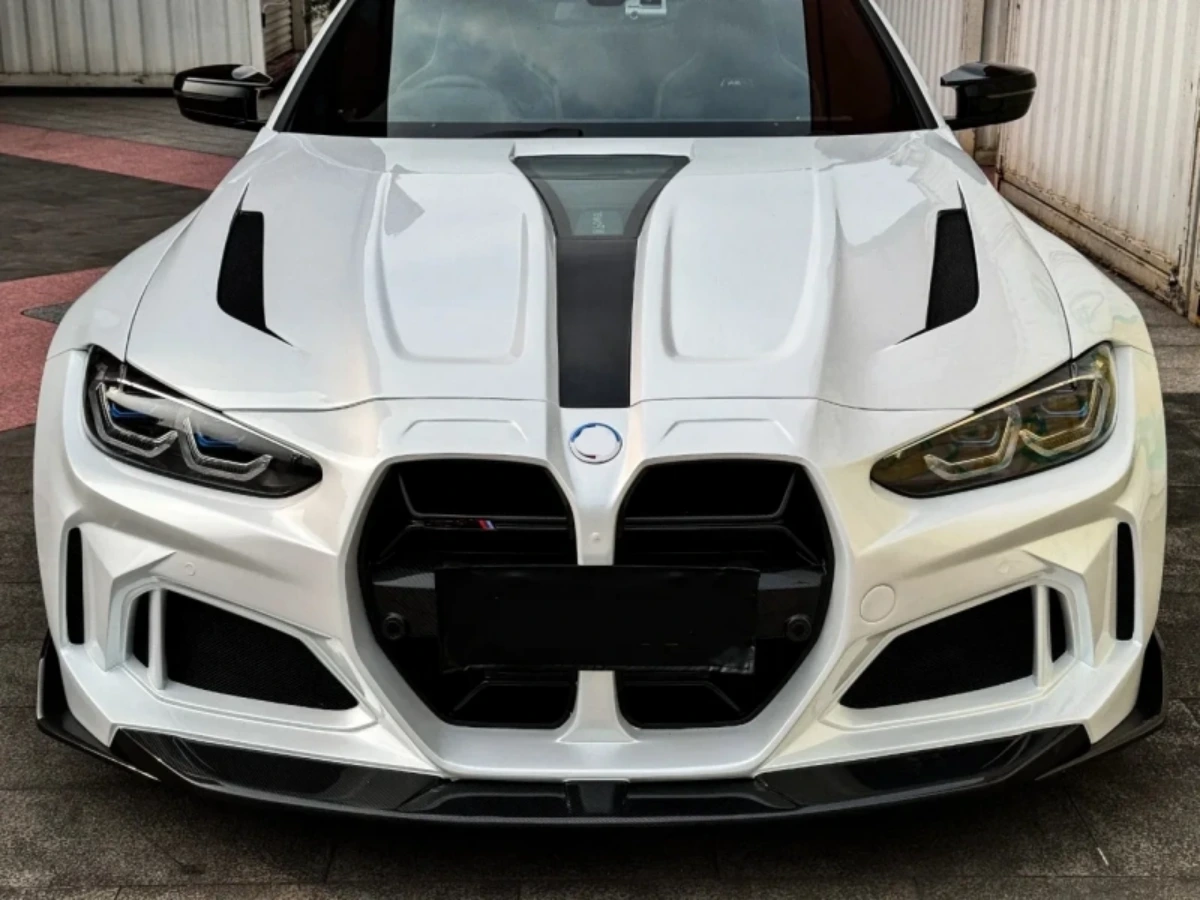
autoli TPU PPF Applied to all brand car models as volvo、jeep、bmw、Porsche、Infiniti、Lamborghini.Our factory cooperates with Auto Detailing Shop、PPF brand、Auto Repair Center and all so in many countries and regions around the world,like Portugal,Morocco,Bulgaria,Venezuela,Warranty: 10 years.Our advantages:Our customers are all over the world;Short production cycle, quick delivery;Large stock of styles for you to choose from;Your Key to Profitable PPF Ventures;SGS, ASTM, REACH, UL and other certifications.Our factory also provides PET FILM、Windshield Protection Film、Paint Protection Film.