

PPF’s precise cutting around badges avoids unsightly edges, maintaining the vehicle’s original design aesthetics.,Safe for enclosed garages with poor ventilation.,Power Business Expansion: Low – Priced PPF Wraps, Prompt Shipments, Reputable Certifications.
The horizontal comparison of PPF with other protection methods:
- PPF vs. Nano Glass Coatings – Glass coatings excel on windows for water repellency, while PPF protects painted surfaces from physical damage, with minimal overlap in application.
- PPF vs. Wheel Protective Films – PPF is designed for large painted panels, while specialized wheel films handle brake dust/heat, with PPF offering broader impact resistance.
- PPF vs. Glass Polish – Polish removes water spots from glass, while PPF on paint prevents spots via hydrophobicity, with distinct surface applications.
- PPF vs. Chrome Plating Protection – Chrome sealants resist tarnishing, while PPF adds scratch resistance to chrome trims, with PPF better handling physical abrasion.
- PPF vs. Leather Protectors – Leather treatments guard against spills/cracking, while interior PPF shields dash/console plastics from UV fading and scratches, with separate material focuses.
- PPF vs. Liquid Glass Coatings – Liquid glass offers 6–12 months of chemical resistance but lacks physical impact protection, while PPF combines 5 years of scratch defense with self-healing capabilities.
The long-term monitoring and maintenance system after the installation of PPF:
- LED Light Panel Inspections – Using 6000K LED panels to highlight swirl marks and micro-scratches during monthly checks.
- Petroleum Product Avoidance Zones – Keeping PPF away from gasoline, diesel, and motor oil spills that dissolve adhesives.
- Microfiber Cloth Rotation – Using separate cloths for tops, sides, and lower panels to prevent cross-contamination with grit.
- Aftermarket Accessory Compatibility – Ensuring car bras or covers have soft liners that won’t scratch PPF during wind movement.
- UV Index-Based Protection – Applying UV-stabilizing sprays when UV index exceeds 7 to complement built-in anti-yellowing additives.
- Post-Repair Sealing – Applying heat (60–70°C) with a heat gun after edge re-sealing to ensure adhesive reactivation.
- Coastal Region Salt Damage Checks – Monthly inspections for corrosion under PPF in saltwater zones, focusing on metal trim edges.
- DIY Bubble Repair Guidelines – Using a needle to puncture bubbles, then applying heat and gentle pressure with a microfiber cloth.
- Monthly Impact Zone Inspections – Focusing on high-risk areas (front bumper, hood leading edge) for rock chip accumulation and self-healing effectiveness.
The cost structure and price composition of PPF:
- Full Vehicle Wrap Pricing – Complete coverage costs $2,000–$8,000, with labor accounting for 60–70% of total.
- Low-Volume Vehicle Surcharges – Custom cuts for rare models add 20–30% due to template creation costs.
- Military/First Responder Discounts – 10–15% price reductions, offset by tax benefits for businesses.
- Custom Cut Fees – Vehicle-specific laser cuts add $100–$300 to total costs vs. generic patterns.
- Training Program Investments – Installer certification programs cost $500–$1,000 per technician, recovered via service premiums.
- Adhesive Technology Costs – Removable adhesives add $0.30–$0.50 per square foot vs. permanent options.
- Production Labor Costs – Skilled operators for extrusion lines contribute 12–18% of total manufacturing expenses.
- Packaging Efficiency Savings – Bulk rolls reduce packaging costs by 40%, passing 10–15% savings to buyers.
- Commercial Fleet Pricing – Bulk pricing for delivery vans reduces per-vehicle costs by 20–30% vs. retail.
Before & After: How PPF Transforms a 10-Year-Old Car:
- Before: Wheel center caps with faded logos and scratches; After: Clear PPF covers caps, preserving logos and resisting scratches from cleaning.
- Before: Front air dam with road rash from low ground clearance; After: Thick PPF lines the dam, hiding existing damage and absorbing impact from road debris.
- Before: Roof antenna base with paint peeling around the edges; After: PPF seals the base edge, hiding peeling and preventing water from getting under paint.
- Before: Fender flares with paint peeling at the edges; After: PPF wraps flare edges, hiding peeling and preventing water from getting under the paint.
- Before: Sunroof surround with cracked paint from thermal expansion; After: Flexible PPF accommodates temperature changes, covering cracks and preventing new ones.
- Before: Roof rails with scratched paint from roof rack use; After: PPF covers rail surfaces, hiding scratches and reducing friction from rack installation.
The product classification and selection logic of PPF:
- Installation Access Logic – Choosing hybrid PPF with air-release adhesives for hard-to-reach areas requiring repositioning.
- Technology Compatibility – Selecting radar-transparent PPF for EVs with ADAS to avoid sensor interference.
- Chemical Cleaning Tolerance – Choosing PPF resistant to aggressive decontamination products for industrial vehicle use.
- Specialty Surface Matching – Using chrome-specific PPF to prevent pitting and tarnishing on metallic trim.
- Function-Centric Categories – Segmented into self-healing, UV-resistant, anti-yellowing, and hydrophobic variants based on core benefits.
- Additive Priority Selection – Prioritizing anti-yellowing additives for white/light-colored vehicles to maintain brightness.
How TPU Redefines PPF:
- Installation Ease – TPU’s air-release adhesives and repositionable properties redefined PPF installation from labor-intensive to DIY-friendly with minimal bubbles.
- Customization Capability – TPU’s laser-cuttable nature redefined PPF from generic sheets to vehicle-specific kits with precision fits for complex curves.
- Hydrophobic Integration – TPU compatible with ceramic topcoats redefined PPF from basic protectors to water-repellent systems reducing cleaning needs by 50%.
- Minimal Waste – TPU’s pre-cut precision redefined PPF from high-waste products to material-efficient options with 40% less scrap vs. hand-cut sheets.
- Multi-Layer Versatility – TPU’s compatibility with adhesive, core, and topcoat layers redefined PPF from single-layer films to multi-functional barriers with tailored properties.
- Chemical Resistance – TPU’s resistance to bird droppings, road salt, and fuels redefined PPF from basic shields to multi-hazard barriers.
- Anti-Corrosion Properties – TPU’s moisture barrier redefined PPF from paint protectors to rust-preventing systems in coastal and winter regions.
Say Goodbye to Car Scratches: Self-Healing PPF Revealed!:
- Self-healing PPF preserves custom paint jobs, repairing scratches without altering unique colors or textures.
- Heat-activated repair eliminates the need for abrasive polishes that thin your car’s paint or degrade protective layers over time.
- Years of healing cycles won’t thin the film—PPF retains 90% of its original thickness, avoiding premature replacement.
- Final benefit: Self-healing PPF transforms car care by turning scratches into non-events, letting you enjoy your vehicle without worry.
- Scratches from automatic car washes—even with soft brushes—heal quickly, eliminating the need to avoid convenient cleaning options.
The materials and technologies of PPF:
- Low-temperature shaping flexible technology: Through optimizing the molecular structure of the substrate, it enables curved surface shaping at temperatures ranging from 0 to 15 degrees Celsius, suitable for complex arc-shaped bodywork construction, and reducing stress damage caused by heating contraction.
- 3D-printed micro-channel network: Utilizes selective laser sintering (SLS) to create breathable micro-channels that enhance heat dissipation and reduce condensation under the film.
- Dynamic impact dispersion technology: Integrates micro-elastic buffers within the TPU matrix to分散 and absorb impact energy from high-speed debris, reducing paint indentation risk by over 60%.
- Scratch repair efficiency optimization technology: By adjusting the crosslinking density of TPU molecules and the coating activity, the self-repair speed of scratches under low-temperature conditions is enhanced, and the repair response time is shortened.
- Color fidelity coating technology: Using spectral-matched coatings, it precisely reflects the light wavelengths of the original vehicle paint, avoiding color differences, brightness deviations, or gloss distortions after film application.
- Hydrophobic coating refreshment: Allows reactivation of hydrophobic properties via UV-curable sprays, extending the film’s lifespan by 2-3 years.
- Solvent-free adhesive process: The adhesive uses a 100% solvent-free pressure-sensitive adhesive formula, eliminating the risk of solvent evaporation residue and enhancing the environmental friendliness and long-term adhesion stability of the construction.
- Impact memory retention: Maintains 98% of original impact resistance after 10,000 cycles of thermal cycling (-40°C to 80°C).
- Anti-ultraviolet penetration enhancement technology: Nano-sized UV-blocking particles are added to the coating, resulting in an ultraviolet absorption rate of over 99%. This reduces the aging damage to the substrate and car paint caused by direct sunlight exposure.
- EV-specific lightweight optimization: Reduces base material density by 15% for electric vehicles, minimizing added weight impact on battery range.
AUTOLI(CN) PPF(Paint Protection Film) manufacturer
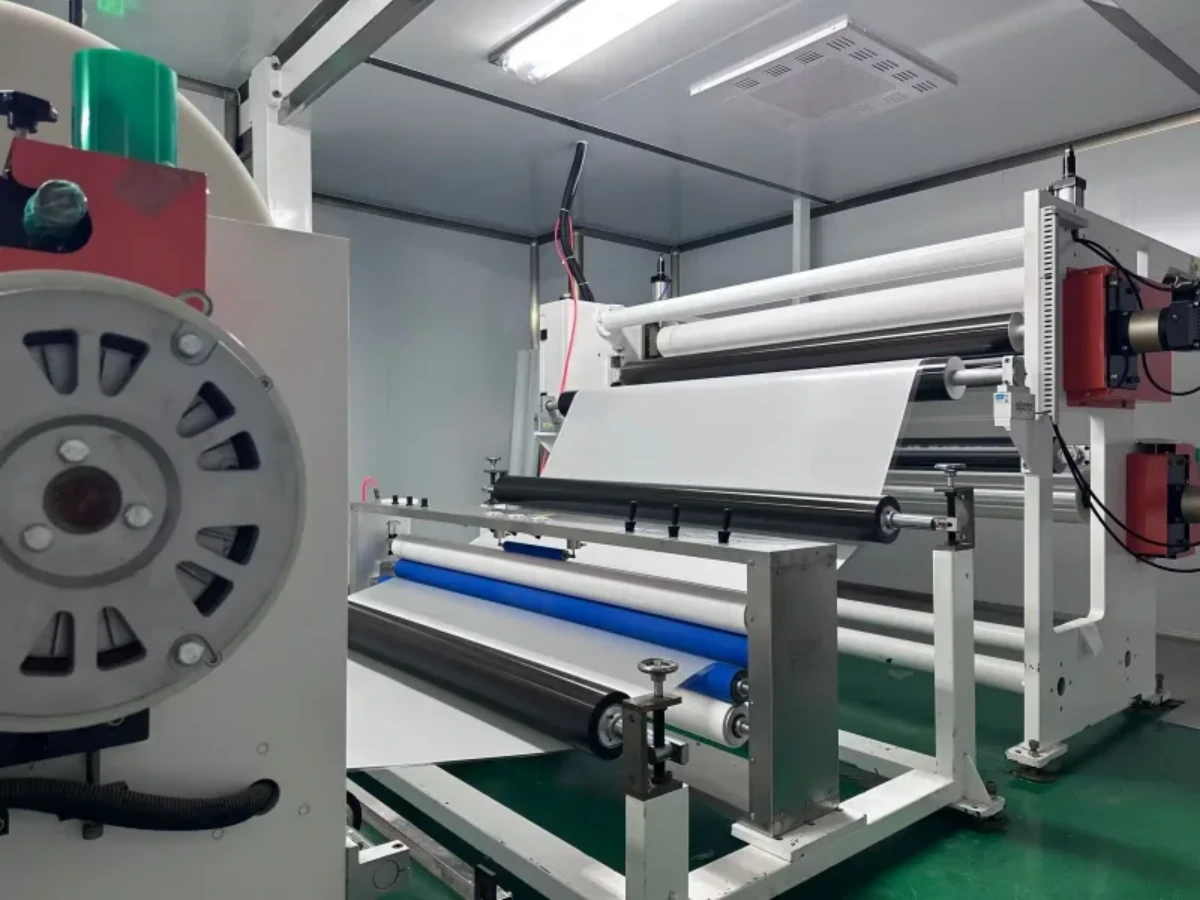
autoli TPU PPF Applied to all brand car models as Nissan、Dodge、Tesla、Ferrari.Our factory cooperates with PPF wholesale、Auto Detailing service、Car Customization Shop and all so in many countries and regions around the world,like Romania,Italy,India,Costa Rica,Czech,SriLanka,Warranty: 10 years.Our advantages:SGS, ASTM, REACH, UL and other certifications;High quality raw materials and advanced technology;Collaborate for Lucrative Returns: Source factory.Our factory also provides PET FILM、Car Wrap.
