

PPF’s application by certified technicians guarantees quality, with training in proper techniques for long-lasting results.,Protects hood from bug splatter damage.,Our Factory’s PPF: Propelling Your Profit Growth at Breakneck Speed.
The long-term monitoring and maintenance system after the installation of PPF:
- Avoid Automated Brush Washes – Opting for touchless or hand washes to prevent brush-induced swirl marks on topcoats.
- Bi-Monthly Edge Lifting Checks – Inspecting door edges, hood seams, and wheel arches with a feeler gauge to detect 0.1mm lifts before water intrusion.
- Quarterly Thickness Gauging – Using ultrasonic thickness meters to ensure PPF retains ≥90% of original thickness, indicating minimal wear.
- Hand-Drying Post-Wash – Patting dry instead of air-drying to eliminate water spots, especially in hard-water regions.
- Annual Topcoat Thickness Testing – Using coating thickness gauges to ensure topcoat retains ≥80% original thickness.
- Antimicrobial Efficacy Checks – Testing interior PPF for bacterial growth quarterly in high-touch areas (steering wheel, door handles).
- Winter De-Icing Avoidance – Using plastic scrapers instead of metal to remove snow/ice, preventing topcoat scratches.
- Annual Professional Inspections – Certified technicians using specialized tools to check adhesive bonding and topcoat integrity.
- After-Wash Edge Integrity Tests – Inspecting edges 24 hours after washing to detect water intrusion that indicates poor sealing.
The horizontal comparison of PPF with other protection methods:
- PPF vs. Glass Coatings – Glass coatings excel on windows for clarity but don’t protect paint, whereas PPF is engineered specifically for automotive painted surfaces.
- PPF vs. TPU Sprays – TPU sprays form a thin protective layer but lack the thickness for impact absorption, while PPF’s multi-layer design dissipates collision energy.
- PPF vs. Silicone Coatings – Silicone coatings repel water but degrade quickly (1–2 years) under UV exposure, whereas PPF maintains hydrophobicity for 5 years with UV stabilizers.
- PPF vs. Vinyl Wraps – PPF prioritizes paint protection with self-healing properties, while vinyl wraps focus on aesthetic customization, with PPF being more durable against abrasion.
- PPF vs. Anti-Static Sprays – Sprays reduce dust attraction temporarily, while PPF’s anti-static properties last for years, with both aiding cleanliness but PPF offering more durability.
- PPF vs. Metal Polish – Metal polish restores shine to chrome/alloys but offers no protection, while PPF on metal trims prevents future scratches and tarnishing.
- PPF vs. Truck Bed Liners – Liners protect cargo areas from heavy impacts, while PPF shields exterior panels from road debris, with distinct application zones and purposes.
- PPF vs. Clear Bra (PVC) – Modern TPU PPF offers self-healing and flexibility, outperforming rigid PVC clear bras that crack in cold weather and lack repair capabilities.
- PPF vs. Plastic Trim Restorers – Restorers revive faded trim, while PPF prevents UV damage and scratches on trim, maintaining appearance without frequent reapplication.
The cutting-edge technology research and development of PPF:
- Multifunctional Antimicrobial Films – Nano-silver and copper oxide particles in PPF inhibit 99.9% of MRSA and E. coli while maintaining self-healing properties.
- Graphene-Reinforced Composites – Graphene oxide nanoplatelets (GONPs) and molybdenum disulfide (MoS?) nanoparticles increase PPF tensile strength by 262% and compressive modulus by 108%.
- AI-Powered Predictive Maintenance – Machine learning models analyze sensor data to predict PPF degradation, scheduling replacements before failure.
- AI-Powered Material Discovery – High-throughput screening platforms identify novel TPU formulations with tailored properties in days instead of years.
- Shape Memory Adhesives – Adhesives with thermally activated shape recovery allow repositioning during installation without residue.
- Nano-Composite Barrier Films – Layered double hydroxides (LDHs) in PPF block oxygen and water vapor transmission by 99.9% for food packaging.
The construction and maintenance of PPF:
- Heat Activation for Adhesion – A heat gun (60–80°C) activates adhesives along edges and curves to secure long-term bonding.
- 48-Hour Road Tar Removal Window – Using专用 solvents to remove tar within 48 hours prevents permanent staining on PPF.
- Rotating Microfiber Cloths – Using fresh cloths for each washing step prevents grit transfer and minimizes scratches.
- Minor Bubble Repair – Using a heat gun and squeegee to reactivate adhesives and push out small bubbles post-installation.
- Test Applications on Scrap Panels – Practicing on metal scraps refines squeegee pressure before applying PPF to the vehicle.
- Touchless Car Wash Preference – Brushless systems avoid abrasive contact that can wear down the PPF’s protective topcoat.
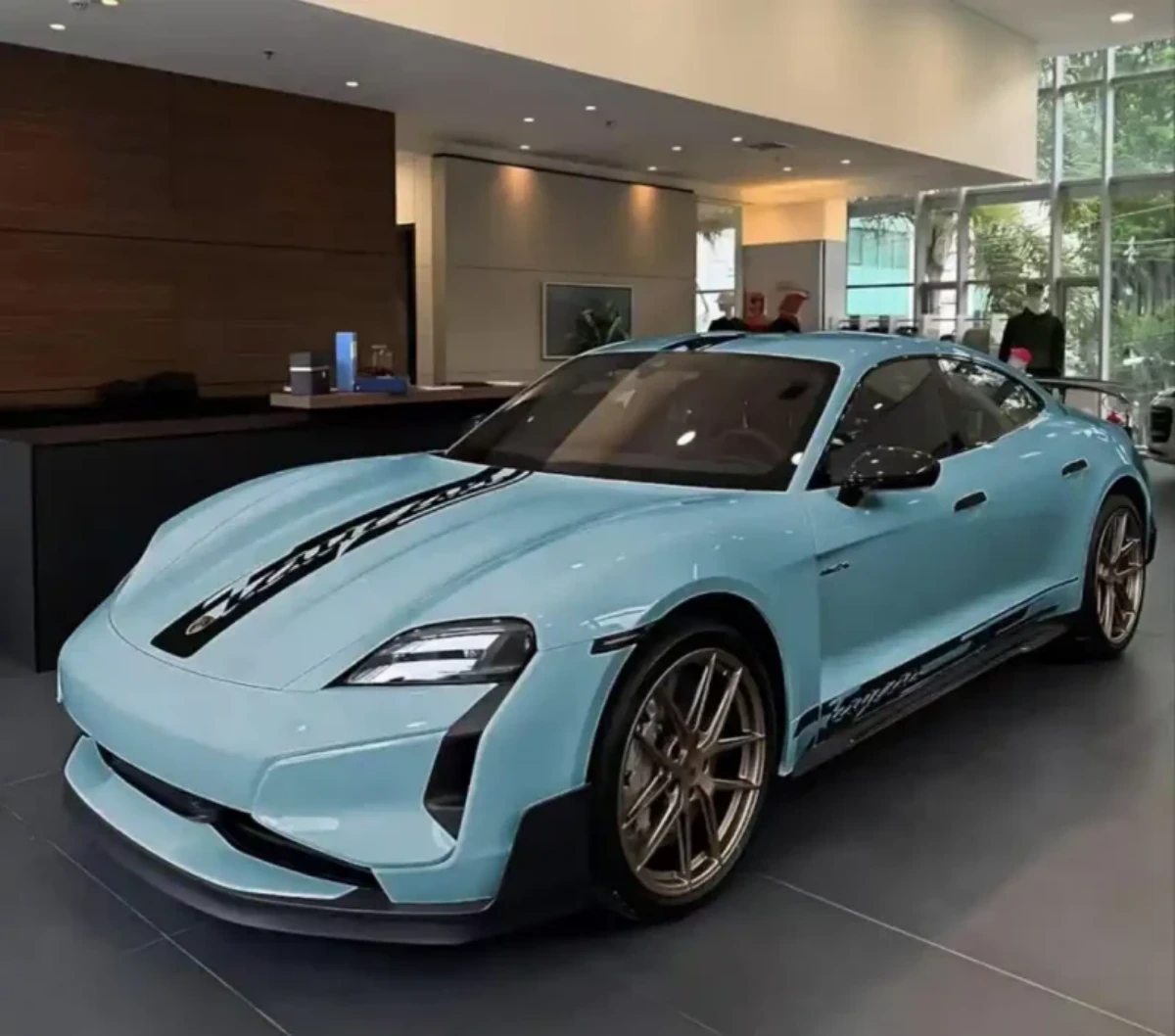
Before & After: How PPF Transforms a 10-Year-Old Car:
- Before: Tailgate handle with paint worn from repeated use; After: PPF wraps the handle, covering wear patterns and maintaining grip without damage.
- Before: Windshield trim with peeling paint and cracks; After: PPF wraps trim edges, hiding peeling and preventing water intrusion that causes further damage.
- Before: Gas cap door with faded paint from sun exposure; After: PPF’s UV protection covers fading and maintains color consistency with the rest of the car.
- Before: Windshield washer nozzles with paint chipping around them; After: PPF covers nozzle edges, hiding chips and preventing debris from damaging surrounding area.
- Before: Door edge moldings with cracked rubber and exposed paint; After: PPF wraps edges under moldings, hiding exposed areas and preventing water intrusion.
- Before: A-pillars with tree branch scratches from off-road use; After: PPF’s scratch-resistant topcoat hides marks and protects during future trail adventures.
- Before: Rear bumper reflectors with paint chipping around edges; After: PPF covers reflector perimeters, hiding chips and maintaining consistent appearance.
The product classification and selection logic of PPF:
- Vehicle Age Consideration – Choosing reversible low-tack PPF for classic cars vs. permanent adhesion for modern vehicles.
- User Skill Level Matching – Choosing beginner-friendly PPF with forgiving adhesives for first-time DIY installers.
- UV Index Alignment – Upgrading to high-UV protection PPF for equatorial regions with intense sunlight.
- Technology Compatibility – Selecting radar-transparent PPF for EVs with ADAS to avoid sensor interference.
- Vibration Resistance Selection – Opting for flexible PPF with high elongation for motorcycles or off-road vehicles with frequent vibrations.
The production supply chain and quality control system of PPF:
- Dual-Sourcing Strategy – Critical materials (e.g., high-performance TPU) sourced from 2 suppliers to prevent production delays.
- Document Control System – Version-controlled procedures, work instructions, and test methods accessible to all staff.
- Production Planning – AI-driven demand forecasting to optimize production runs and reduce material waste.
- Digital Quality Records – Cloud-based storage of test results and audit reports for regulatory compliance and traceability.
- Non-Conforming Material Handling – Quarantine, segregation, and disposition processes for defective materials/finished goods.
- Failure Mode and Effects Analysis (FMEA) – Proactive risk assessment of production processes to prevent failures.
- Global Raw Material Network – Multi-region sourcing of TPU to mitigate supply risks from geopolitical or logistical disruptions.
- Defect Classification System – Categorization of flaws (pinholes, bubbles, streaks) by severity to guide corrective actions.
- FIFO Inventory Rotation – First-in, first-out storage to ensure PPF rolls are shipped within optimal shelf life (12–18 months).
- Raw Material Sourcing – TPU resin procurement from certified suppliers (e.g., Lubrizol, BASF) with ISO 9001 certification for consistent polymer quality.
The user scenarios and value validation of PPF:
- Classic Car Dealers – Enhances showroom appeal of Jaguar E-Types, with glossy PPF boosting perceived value by 10% during client viewings.
- Police and Emergency Vehicles – Extends service life of patrol car paint by 2 years, reducing taxpayer costs for fleet repaints by $200k annually per department.
- Coastal Residents – Defends against salt spray corrosion in Miami and Sydney, with PPF-treated vehicles showing 70% less rust formation on lower panels.
- Family Car Owners – Protects minivan door sills from kids’ shoes and pet claws, with 80% reporting “like-new” interior/exterior after 3 years of use.
- Limousine Services – Maintains pristine black paint on Lincoln Town Cars, with PPF reducing swirl marks from frequent client pickups by 80%.
- Off-Road Enthusiasts – Shields Jeep Wrangler and Ford Bronco fenders from trail rocks and branches, reducing paint repair costs by $800 annually.
- Photography Vehicle Owners – Maintains clean white backdrops on vans for photoshoots, as PPF resists dirt staining during outdoor location shoots.
- Electric Scooter Fleets – Shields shared e-scooter bodies from urban abuse, reducing repair frequency by 55% for companies like Bird and Lime.
Say Goodbye to Car Scratches: Self-Healing PPF Revealed!:
- Self-healing properties work year-round, from summer sun triggering rapid repairs to winter garage warmth gradually fixing cold-weather scratches.
- Even after 5 years of use, self-healing PPF retains 80% of its repair efficiency, extending its aesthetic lifespan beyond basic protection.
- Matte finish owners get scratch repair that preserves texture, avoiding glossy spots from traditional polishing.
- Highway gravel impacts leave temporary marks that heal, reducing long-term paint degradation from road debris.
- Self-healing PPF works seamlessly on both gloss and matte finishes, preserving texture while erasing swirl marks and fine abrasions.
- Family cars stay presentable as scratches from children’s toys or pet claws heal quickly, even with daily use.
- Heat from drive-through tunnels or heated garages triggers healing, making repairs effortless during daily routines.
AUTOLI(CN) PPF(Paint Protection Film) oem manufacturer
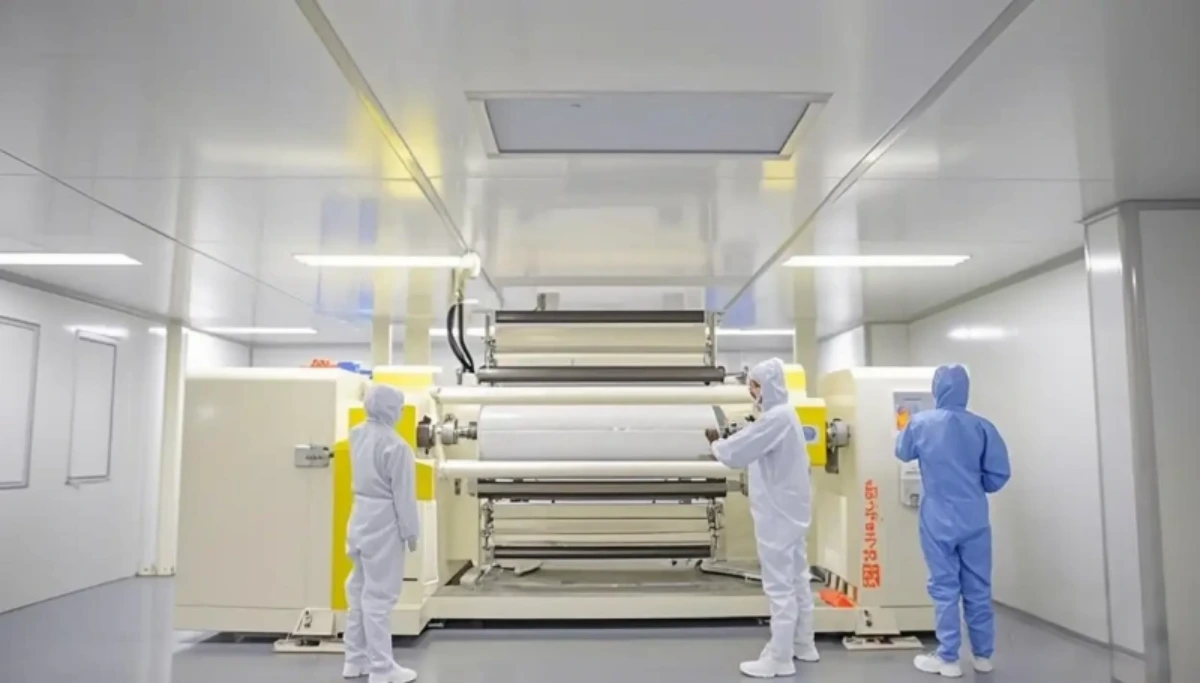
autoli TPU PPF Applied to all brand car models as AstonMartin、acura、Cadillac、Rolls-Royce.Our factory cooperates with Car Customization Shop、PPF wholesale、Auto Detailing、ppf installation、PPF brand and all so in many countries and regions around the world,like Ireland,UK,Belgium,Cameroon,Brazil,Warranty: 10 years.Our advantages:Collaborate for Lucrative Returns: Source factory;Large stock of styles for you to choose from;Raw material purchasing advantage;SGS, ASTM, REACH, UL and other certifications;Short production cycle, quick delivery.Our factory also provides PPF、Paint Protection Film.