

PPF’s resistance to chemical spills (like gasoline) prevents paint damage, a benefit for drivers who refuel frequently.,Protects hood from bug splatter damage.,Why Settle? Partner with Our Factory for Cost – Effective, High – Style PPF.
The materials and technologies of PPF:
- Water resistance stability technology: By adding water resistance agents to the TPU base material, it inhibits the breakage of molecular chains in humid environments, extending the service life of the film material in high-humidity areas.
- Heavy metal-free composition: Eliminates lead, cadmium, and mercury, ensuring compliance with EU REACH and California Proposition 65.
- Closed-loop recycling technology: Using degradable TPU base materials or physical recycling processes, it enables the recycling of discarded film materials, reducing environmental burden.
- Bio-based TPU formulation: Uses 30% plant-derived materials (e.g., castor oil) without compromising mechanical performance, certified by ASTM D6400.
- Ozone resistance aging technology: Adding an ozone inhibitor to resist the oxidation and degradation of TPU by ozone in the urban atmosphere, extending the service life in polluted environments.
- Thermal conductivity regulation: Optimizes heat transfer through the film to prevent paint overheating in direct sunlight, reducing thermal stress on clear coats.
- Acoustic dampening technology: Reduces wind noise by 3-5 dB through porous foam layers embedded within the film structure.
- Medical-grade anti-microbial film: Meets ISO 22196 standards for bacterial reduction, suitable for ambulance and healthcare vehicles.
- UV-responsive fluorescence: Glows under UV light for enhanced visibility in low-light conditions, ideal for emergency vehicles.
- Shape-memory alloy reinforcement: Restores film shape after severe impacts through embedded Ni-Ti alloys.
The extension of PPF’s functions:
- Before: Side vent louvers with paint chipping on edges; After: PPF covers louver edges, hiding chips and preventing debris from catching and causing more damage.
- Before: Side vent grilles with dust buildup and paint chipping; After: PPF covers grille edges, hiding chips and simplifying cleaning of dust-prone areas.
- Before: Windshield cowl with leaves and debris trapped, causing stains; After: PPF covers cowl, hiding stains and simplifying debris removal.
- Before: Running boards with worn paint from foot traffic; After: PPF’s durable layer covers wear and resists scuffs from shoes and boots.
- Before: Exhaust tip surrounds with heat discoloration; After: High-temperature PPF covers blueing and resists heat damage, maintaining appearance.
- Before: Roof antenna cable entry point with paint peeling around it; After: PPF seals the entry point, hiding peeling and preventing water intrusion into the cabin.
- Before: Faded red paint with uneven color from UV exposure; After: UV-blocking PPF revives depth and uniformity, making the color pop like fresh factory paint.
- Before: Door striker plates with paint worn from contact; After: PPF lines striker areas, covering wear and reducing friction between metal and paint.
Before & After: How PPF Transforms a 10-Year-Old Car:
- Before: Hood insulation with paint stains from oil leaks; After: PPF on adjacent metal covers stains and creates a barrier against future leaks.
- Before: Windshield washer nozzles with paint chipping around them; After: PPF covers nozzle edges, hiding chips and preventing debris from damaging surrounding area.
- Before: Front fender emblems with faded paint on logos; After: Clear PPF covers emblems, preserving logos and resisting weathering damage.
- Before: Roof rails with scratched paint from roof rack use; After: PPF covers rail surfaces, hiding scratches and reducing friction from rack installation.
- Before: Door edge moldings with cracked rubber and exposed paint; After: PPF wraps edges under moldings, hiding exposed areas and preventing water intrusion.
- Before: Side view mirror housings with paint worn from adjusting; After: PPF wraps housings, covering wear and reducing friction during adjustments.
- Before: Exhaust tip surrounds with heat discoloration; After: High-temperature PPF covers blueing and resists heat damage, maintaining appearance.
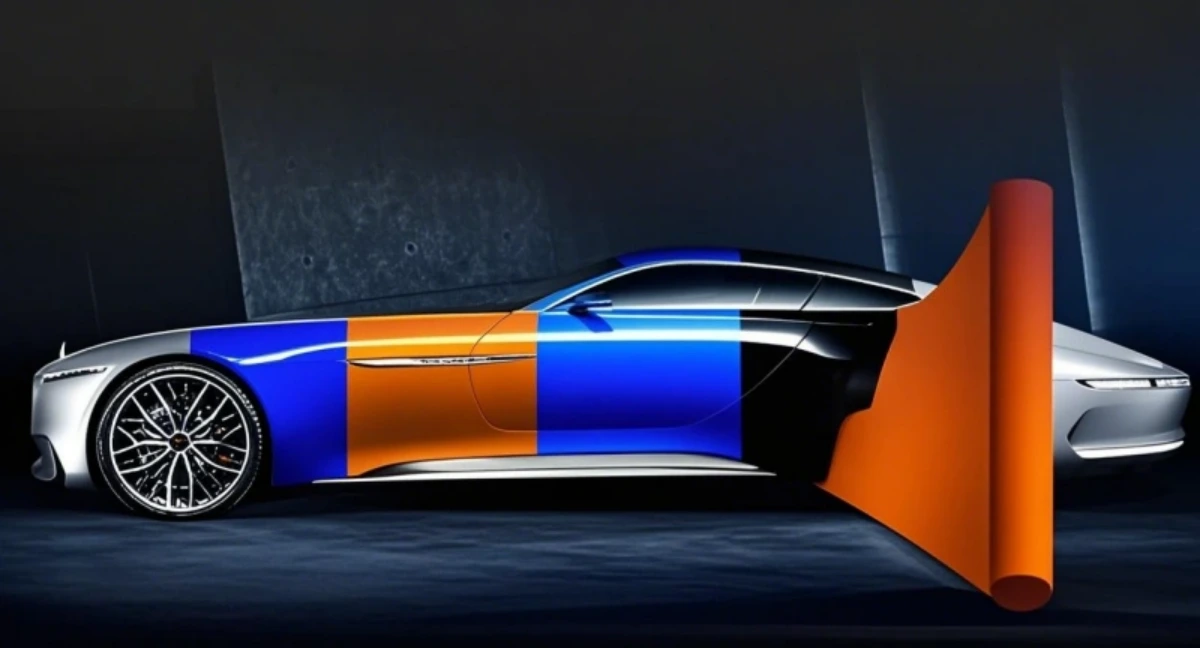
The cutting-edge technology research and development of PPF:
- Bio-Based UV Stabilizers – Plant-derived flavonoids and carotenoids replace synthetic HALS, maintaining UV resistance for 10 years.
- Photocatalytic Self-Cleaning – Titanium dioxide (TiO?) coatings decompose organic contaminants under UV light, reducing manual cleaning needs by 80%.
- AI-Powered Predictive Maintenance – Machine learning models analyze sensor data to predict PPF degradation, scheduling replacements before failure.
- High-Aspect-Ratio Nanofibers – Electrospun TPU nanofibers with 100:1 aspect ratio enhance puncture resistance by 400% in industrial applications.
- Bio-Based Flame Retardants – Chitosan-functionalized ammonium polyphosphate (CS-APP) and phenylphosphonic difurfurylamine (PPDF) provide V-0 rating in UL 94 tests with <1% loading.
- Shape Memory Polymers – 4D-printed PPF star polymers with tunable glass transition temperatures recover 95% of original shape after deformation.
- Quantum Dot UV Protection – Quantum dot-infused films block 99.9% of UV rays while enhancing color stability, preventing yellowing over 10 years.
- Nano-Structured Anti-Graffiti Coatings – Superhydrophobic and oleophobic surfaces repel spray paint, allowing easy removal with water rinsing.
- Antimicrobial Silver-Ion Coatings – SILVERSAN? technology releases silver ions to inhibit bacterial growth, reducing odor-causing microbes by 99.9%.
TPU PPF VS PET PPF:
- Marine Applications – Saltwater-resistant TPU PPF protects boats, while PET PPF degrades 3x faster in saltwater environments.
- Impact Resistance – TPU PPF absorbs 75% of rock chip energy at 60km/h, while PET PPF transfers 60% of impact force to underlying paint.
- Chemical Cleaning Compatibility – TPU PPF tolerates iron removers and tar cleaners, while PET PPF may discolor with aggressive decontamination products.
- Petroleum Dependency – TPU PPF offers 30% bio-based options, while PET PPF remains 100% petroleum-derived with no sustainable alternatives.
- ADAS Compatibility – TPU PPF maintains 99.9% radar transmission, whereas PET PPF can reduce signal strength by 15–20%.
- Dust Repellency – TPU PPF’s nano-textured surfaces reduce dust adhesion by 40%, while PET PPF attracts 25% more surface dust.
The product classification and selection logic of PPF:
- Customization Flexibility – Choosing printable PPF for commercial vehicles requiring brand graphics over paint.
- Regional Regulation Compliance – Selecting REACH/FDA-compliant PPF for markets with strict chemical safety standards.
- Weathering Resistance Needs – Selecting multi-layer PPF with ceramic topcoats for extended hydrophobicity in rainy regions.
- Vibration Resistance Selection – Opting for flexible PPF with high elongation for motorcycles or off-road vehicles with frequent vibrations.
- Environmental Value Selection – Prioritizing bio-based or recyclable PPF for eco-conscious buyers despite higher upfront costs.
- Fire Resistance Needs – Choosing flame-retardant PPF for emergency vehicles or equipment in high-risk environments.
Before & After: How PPF Transforms a 10-Year-Old Car:
- Before: Hood insulation with paint stains from oil leaks; After: PPF on adjacent metal covers stains and creates a barrier against future leaks.
- Before: Windshield washer nozzles with paint chipping around them; After: PPF covers nozzle edges, hiding chips and preventing debris from damaging surrounding area.
- Before: Front fender emblems with faded paint on logos; After: Clear PPF covers emblems, preserving logos and resisting weathering damage.
- Before: Roof rails with scratched paint from roof rack use; After: PPF covers rail surfaces, hiding scratches and reducing friction from rack installation.
- Before: Door edge moldings with cracked rubber and exposed paint; After: PPF wraps edges under moldings, hiding exposed areas and preventing water intrusion.
- Before: Side view mirror housings with paint worn from adjusting; After: PPF wraps housings, covering wear and reducing friction during adjustments.
- Before: Exhaust tip surrounds with heat discoloration; After: High-temperature PPF covers blueing and resists heat damage, maintaining appearance.
The construction and maintenance of PPF:
- Rotating Microfiber Cloths – Using fresh cloths for each washing step prevents grit transfer and minimizes scratches.
- Dust Mitigation – HEPA filters and air ionizers in the workspace reduce dust particles that cause bubbles or imperfections.
- Air Blower Drying – Low-pressure air dryers reduce towel contact, minimizing micro-scratches on PPF surfaces.
- Test Applications on Scrap Panels – Practicing on metal scraps refines squeegee pressure before applying PPF to the vehicle.
- Avoid Parking Under Trees – Reducing exposure to sap, berries, and debris minimizes cleaning frequency and potential stains.
- Tapered Overlap Seams – Feathered edge overlaps (≤0.5mm) create invisible, water-resistant seams between panel sections.
- Oxidation Correction Pre-Install – Polishing oxidized paint ensures PPF adheres smoothly to uniform surfaces.
- Winter Salt Rinse – Post-snow rinsing removes road salt to prevent chemical degradation of the PPF’s topcoat.
- Wet Application Method – Spraying a soapy water solution between the film and surface allows repositioning before final adhesion.
AUTOLI(CN) PPF(Paint Protection Film) oem manufacturer
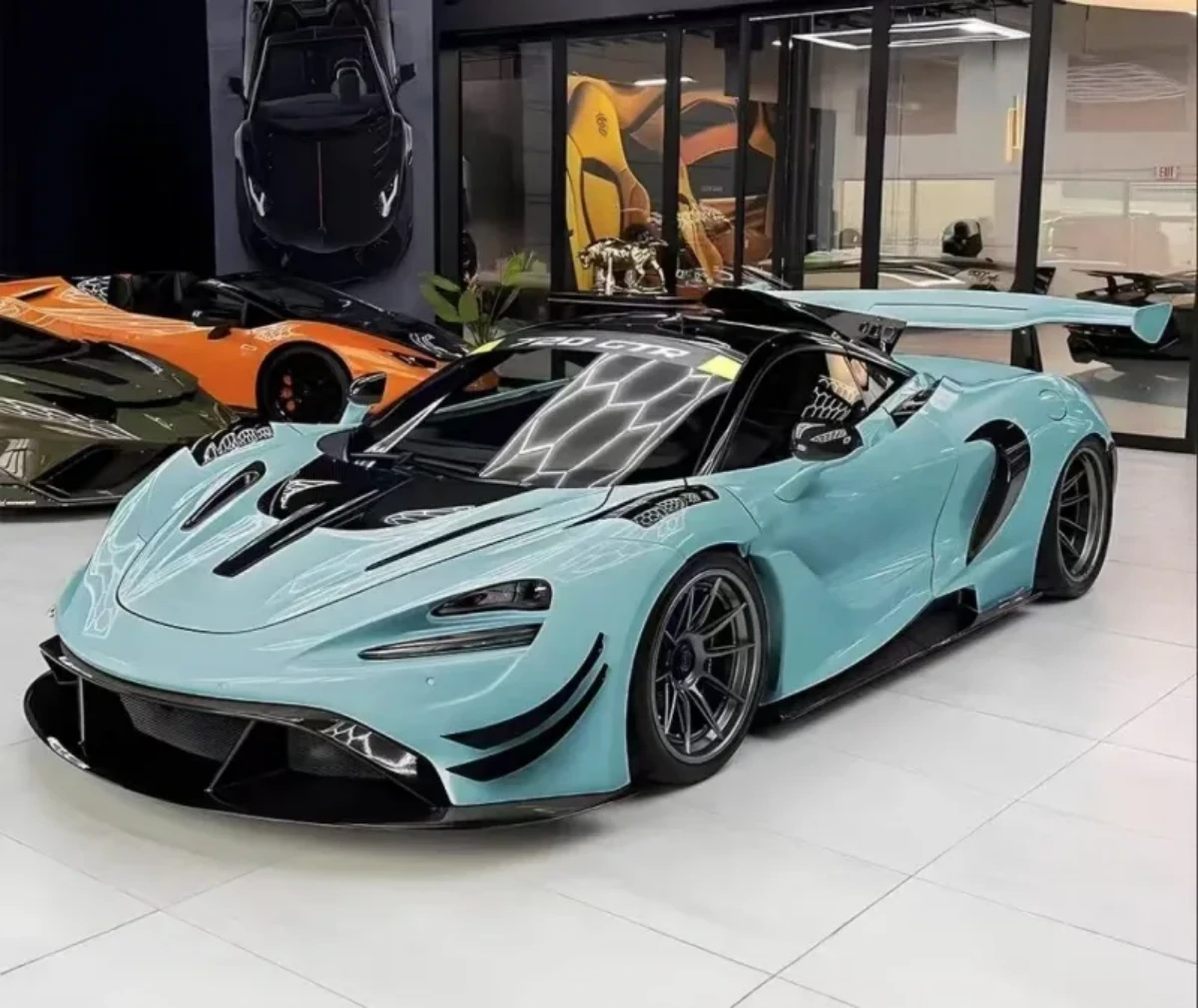
autoli TPU PPF Applied to all brand car models as Rolls-Royce、AstonMartin、Audi、Ferrari.Our factory cooperates with PPF distributor、ppf installation、Auto Detailing、PPF installer and all so in many countries and regions around the world,like Finland,Paraguay,Iraq,Jamaica,Warranty: 10 years.Our advantages:Short production cycle, quick delivery;SGS, ASTM, REACH, UL and other certifications;Large stock of styles for you to choose from;Our customers are all over the world.Our factory also provides TPU PPF、vinyl Wraps.