

PPF’s heat resistance withstands engine bay proximity on sports cars, protecting paint from radiant heat damage.,Protects carbon fiber from UV fading.,Partner Up for Success! Factory’s Diverse – Style PPF, Super – Fast ROI.
The environmental protection and sustainability of PPF:
- Compostable Adhesives – Plant-based adhesives break down in 18 months under composting, avoiding persistent chemical residues in soil.
- Energy Recovery from Waste PPF – Non-recyclable PPF is converted to energy via waste-to-energy plants, reducing reliance on fossil fuels.
- Recycled Packaging – 90% of premium PPF brands use recycled cardboard and biodegradable film wrap, reducing packaging waste by 75%.
- Microplastic Reduction – Durable PPF minimizes microplastic shedding compared to short-lived protective products that degrade into microplastics faster.
- Reusable Installation Tools – Brands provide washable microfiber squeegees instead of single-use plastic tools, cutting installer waste.
- 50% Less Water for Washing – Hydrophobic properties reduce car wash frequency, saving 200 gallons of water per vehicle annually.
TPU PPF VS PET PPF:
- Sound Dampening – Viscoelastic TPU PPF reduces road noise by 3dB, while PET PPF offers no acoustic benefits.
- Vibration Resistance – TPU PPF withstands vehicle vibrations without cracking, while PET PPF develops micro-cracks in high-vibration areas (e.g., engine bays).
- Cost Per Square Foot – TPU PPF averages $8–$15/sq ft, compared to PET PPF’s $3–$7/sq ft price point.
- Heat-Activated Bonding – TPU PPF’s adhesive strengthens with heat curing, while PET PPF’s bond weakens under prolonged heat exposure.
- Industrial Applications – TPU PPF suits off-road vehicles and heavy machinery, whereas PET PPF is limited to low-impact urban use.
- Material Flexibility – TPU PPF offers 500% elongation for contour-hugging application, while PET PPF provides <100% elongation, limiting use on curved surfaces.
Say Goodbye to Car Scratches: Self-Healing PPF Revealed!:
- Heat from drive-through tunnels or heated garages triggers healing, making repairs effortless during daily routines.
- Self-healing PPF leverages TPU’s thermal reactivity to repair micro-scratches (≤3μm) when exposed to heat, making surface damage disappear without manual intervention.
- Light scratches from tree branches, gravel, or dust buildup heal quickly, preserving your car’s appearance between professional details.
- Self-healing PPF minimizes “witness marks” from minor collisions, reducing the visual impact until professional repairs are possible.
- Morning scratches from your commute can vanish by afternoon sunlight, keeping your car looking pristine throughout the day.
- Car owners report a 70% reduction in visible scratches after installing self-healing PPF, boosting vehicle pride and resale value.
Before & After: How PPF Transforms a 10-Year-Old Car:
- Before: Door striker plates with paint worn from contact; After: PPF lines striker areas, covering wear and reducing friction between metal and paint.
- Before: Exhaust tip surrounds with heat discoloration; After: High-temperature PPF covers blueing and resists heat damage, maintaining appearance.
- Before: Rear window defroster lines with faded paint around them; After: PPF covers the area, hiding discoloration and protecting against ice scraper damage.
- Before: Door edge guards with peeling rubber and exposed paint; After: PPF wraps edges, covering exposed areas and preventing further guard deterioration.
- Before: Rear bumper reflectors with paint chipping around edges; After: PPF covers reflector perimeters, hiding chips and maintaining consistent appearance.
- Before: Front bumper parking sensor housings with paint chipping; After: PPF covers housings, hiding chips and preventing debris from damaging sensors.
- Before: Front grille with chipped paint on edges; After: PPF’s impact-absorbing layer covers chips and shields vulnerable grille edges from debris.
- Before: Rear window trim with black paint turning gray; After: PPF’s color-stable film covers faded trim, restoring uniform black appearance.
- Before: Rear wiper blade pivot point with rust; After: PPF seals the pivot, covering rust and preventing water from accelerating corrosion.
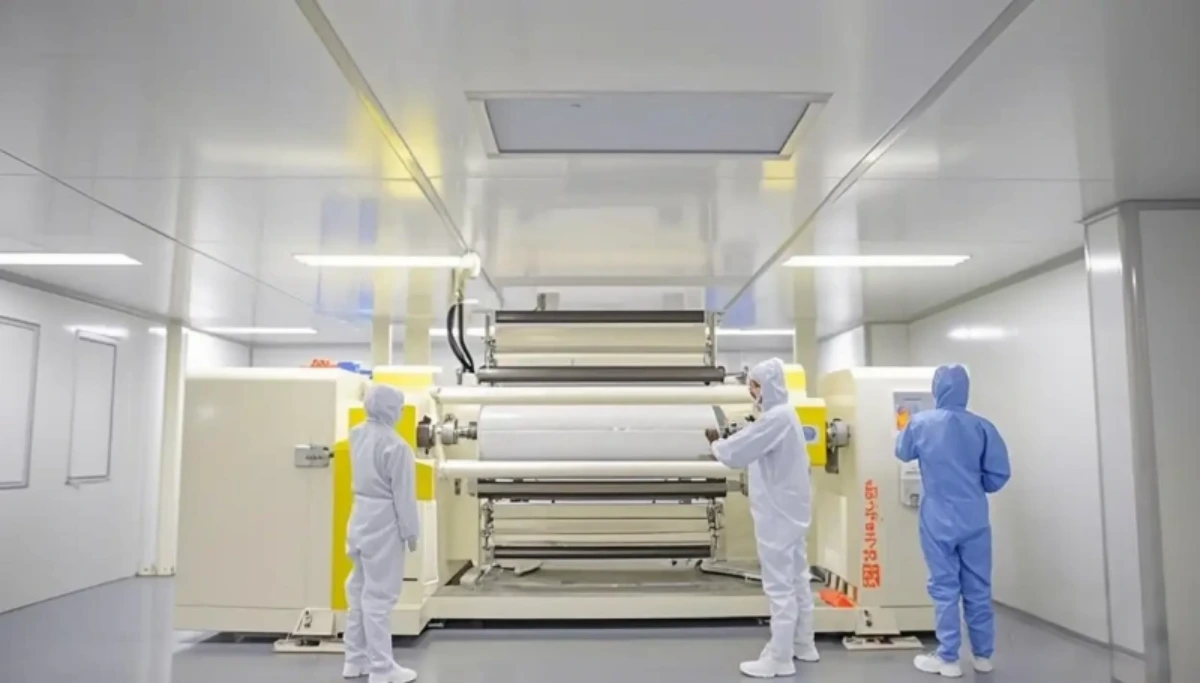
The cost structure and price composition of PPF:
- Waste Allowance – 5–10% material waste factored into pricing, higher for complex vehicle shapes.
- Cross-Selling Margins – PPF sales boost ceramic coating and detailing revenue by 25–35% at higher margins.
- Cost of Quality Failures – Defective films add 3–5% to costs via rework and customer compensation.
- Energy Consumption – Extrusion and curing processes account for 8–15% of production costs, higher for multi-layer films.
- Marketing Surcharges – Limited-edition or co-branded PPF includes 5–8% markup for brand collaborations.
- Environmental Certification Premiums – Eco-friendly PPF costs 5–10% more due to sustainable material sourcing.
- Trade-In Valuation – PPF preservation adds 5–10% to vehicle resale value, justifying initial investment.
- Bio-Based TPU Premium – Plant-derived TPU increases raw material costs by 15–20% but supports premium pricing.
- Loyalty Program Discounts – Repeat customers receive 5–15% off, reducing margins but increasing retention.
The long-term monitoring and maintenance system after the installation of PPF:
- Daily Dust Removal – Using a static-free microfiber duster to remove surface dust, preventing scratches during wiping.
- Summer UV Protection Boosts – Applying UV-stabilizing sprays in high-sun regions to complement anti-yellowing additives.
- Warranty Claim Documentation – Collecting photos, receipts, and inspection reports to support warranty claims for premature wear.
- Color Stability Tracking – Comparing colored PPF to original swatches annually to detect fading, especially in red/blue films.
- Avoid Parking Under Trees – Minimizing exposure to sap, berries, and bird droppings that require frequent cleaning.
- Winter De-Icing Avoidance – Using plastic scrapers instead of metal to remove snow/ice, preventing topcoat scratches.
How TPU Redefines PPF:
- Cost-Effectiveness Over Time – TPU’s long lifespan redefined PPF from expensive upfront purchases to cost-saving investments vs. frequent repaints.
- Optical Clarity – High-transparency TPU redefined PPF from slightly hazy covers to invisible barriers preserving paint’s original appearance.
- Fire Resistance – Flame-retardant TPU formulations redefined PPF from standard protectors to safety-enhancing films for high-risk environments.
- EV Compatibility – Heat-resistant TPU redefined PPF from standard protectors to EV-specific solutions withstanding battery zone temperatures up to 120°C.
- DIY Accessibility – TPU’s user-friendly installation redefined PPF from professional-only services to accessible DIY projects with pre-cut kits.
- Minimal Waste – TPU’s pre-cut precision redefined PPF from high-waste products to material-efficient options with 40% less scrap vs. hand-cut sheets.
- Matte Finish Compatibility – TPU’s texture-preserving formulations redefined PPF from gloss-only products to matte-safe films that maintain specialty paint textures.
The differentiated user group needs matching of PPF:
- Exotic Car Owners – Invest in custom-cut PPF for carbon fiber panels and unique contours, with 9H hardness to protect high-value specialty finishes.
- Mobile Science Lab Vans – Prefer chemical-resistant PPF for interior and exterior surfaces, withstanding spills and equipment movement during demonstrations.
- Photography Vehicle Operators – Choose high-gloss PPF for white/light-colored vans to maintain clean backdrops for on-location photoshoots.
- Performance Car Owners – Choose ceramic-infused PPF for enhanced hydrophobicity and heat dissipation, reducing brake dust adhesion on hoods and fenders.
- Road Construction Vehicle Operators – Use heavy-duty 15mil PPF to shield cabs from gravel, concrete splatters, and industrial debris.
- Mobile Coffee Trucks – Need heat-resistant PPF near grills and espresso machines, withstanding high temperatures and coffee spills.
- Mobile Business Vans – Select logo-friendly clear PPF to protect brand graphics from road wear while maintaining visibility of company messaging.
- Disaster Response Vehicles – Require durable PPF that withstands harsh conditions, protecting paint from debris during flood or wildfire relief.
- Mobile Dental Clinics – Prefer easy-to-clean PPF for interior surfaces, maintaining hygiene standards between patient appointments.
The protective performance of PPF:
- **Mechanical Abrasion Protection** – Protects against abrasions from objects rubbing against the vehicle, such as shopping carts in a parking lot or branches brushing against the side during off – road driving.
- Gloss Enhancement Technology – Optical-grade clarity amplifies paint depth, creating a showroom finish without additional waxing.
- Low-Friction Surface – Smooth texture reduces friction from日常 use, minimizing abrasions and scratches.
- **Improved UV – Stability of the Film Itself** – The PPF material itself has good UV – stability, ensuring that it doesn’t degrade or lose its protective properties under long – term sunlight exposure.
- Flexible Impact Resistance – Balances elasticity with toughness to absorb impacts while conforming to curves.
- **Enhanced Gloss Retention** – It helps the vehicle’s paint retain its original gloss over time, even with regular exposure to the elements.
AUTOLI(CN) PPF(Paint Protection Film) manufacturer

autoli TPU PPF Applied to all brand car models as Chevrolet、Nissan、jeep、Land Rover.Our factory cooperates with Car Customization Shop、PPF brand、PPF wholesale、PPF trading、PPF wholesaler and all so in many countries and regions around the world,like Ireland,Madagascar,Romania,Czech Republic,Luxembourg,Warranty: 10 years.Our advantages:Perfect after-sales service;Strict quality control system;Collaborate for Lucrative Returns: Source factory;Raw material purchasing advantage;Short production cycle, quick delivery.Our factory also provides car film、vinyl Wrap.