

PPF’s hydrophobicity makes rainwater bead and roll off, reducing water spots that require frequent detailing.,Prevents cargo scratches on rear bumpers.,Team Up Now! Our Factory’s Stylish PPF, Turbo – Charge Order Delivery.
The protective performance of PPF:
- Rapid Self-Healing Activation – Minor scratches heal within minutes under sunlight or low heat (40-60°C), restoring a flawless finish.
- **Flexibility for Complex Surfaces** – PPF is flexible enough to conform to the complex curves and shapes of a vehicle, providing consistent protection all over the body.
- Extreme Temperature Stability – Maintains flexibility and performance in temperatures ranging from -40°C to 120°C.
- **Anti – Static Property** – PPF has anti – static properties, which means it attracts less dust and dirt compared to non – protected surfaces, helping to keep the vehicle cleaner.
- Longevity – Offers long-term protection, with warranties ranging from 5 to 10 years depending on the product.
The user perception and consumption misconceptions of PPF:
- Correct Perception: Impact Absorption Benefits – Off-road enthusiasts correctly rely on PPF to disperse rock impacts, reducing paint chipping by 75%.
- Consumer Misconception: “PPF Makes Car Washes Obsolete” – Thinking hydrophobic properties eliminate washing, not realizing heavy grime still requires cleaning.
- Correct Perception: Professional Installation Worth Cost – 90% of satisfied users attribute results to certified installers, valuing dust-free environments and precision tools.
- Consumer Misconception: “All PPF Self-Heals the Same” – Assuming budget films repair as well as premium ones, unaware that microcapsule density varies by price point.
- Correct Perception: Edge Coverage Prevents Lifting – Opting for “full edge” wraps that fold film over panel edges, reducing wear from debris.
- Correct Perception: Brand Certification Matters – Buyers seek installers certified by brands like XPEL, linking training to better long-term results.
- Consumer Misconception: “New Cars Don’t Need PPF Immediately” – Delaying installation, unaware that factory paint is most vulnerable to damage in the first 6 months of ownership.
- Consumer Misconception: “PPF Blocks Radar and GPS Signals” – Fearing interference with ADAS, unaware modern PPF is engineered for 99% signal transparency.
- Correct Perception: Interior PPF Benefits – Users protect dashboards and touchscreens, reducing UV fading and scratch visibility by 80%.
The user pain points of PPF and their solutions:
- Uncertainty About Product Quality – Resolved by third-party certifications (ECOCERT, ISO 9001) and transparent material disclosure.
- Bubbles After Installation – Prevented by air-release adhesive channels and certified installers using dust-free environments.
- High Installation Costs – Mitigated by tiered pricing (DIY kits vs. premium pro installs) and financing options for budget flexibility.
- Bird Dropping Etching – Addressed through acid-resistant topcoats and 24-hour removal guidelines to prevent permanent damage.
- Unclear Warranty Coverage – Clarified via digital warranty passports detailing exclusions (wear, improper maintenance) and inclusions.
- Damage from Road Debris – Mitigated by impact-dispersing multi-layer films, reducing stone chips by 70% at highway speeds.
- Warranty Claim Denials – Prevented by transparent warranty terms, certified installer networks, and digital claim tracking.
- Confusion About Maintenance Products – Solved by brand-specific cleaning kits and “approved products” lists to avoid topcoat damage.
- Expensive Repairs for Damage – Reduced via self-healing technology (repairs 3μm scratches with heat) and patchable film sections.
- ADAS Sensor Interference – Prevented by radar-transparent PPF (99.9% signal transmission) tested with OEM systems.
The cutting-edge technology research and development of PPF:
- High-Aspect-Ratio Nanofibers – Electrospun TPU nanofibers with 100:1 aspect ratio enhance puncture resistance by 400% in industrial applications.
- Dynamic Wettability Coatings – pH-responsive surfaces switch between superhydrophobic and hydrophilic states to adapt to varying environmental conditions.
- High-Temperature Resistant PPF – Polyimide-TPU blends withstand 232°C (450°F) for automotive exhaust systems and industrial machinery.
- Smart Sensor Integration – MEMS-based pressure and temperature sensors embedded in PPF monitor impact forces and environmental conditions in real-time.
- Nano-Ceramic Coatings – Nano-ceramic-infused topcoats enhance scratch resistance by 300% while maintaining hydrophobicity and UV stability, ideal for extreme climates.
- 5G-Enabled IoT Monitoring – Edge computing nodes in PPF transmit real-time data to cloud platforms for predictive maintenance and impact analysis.
- Smart Adhesive Systems – Pressure-sensitive adhesives with shape memory properties adjust bonding strength based on temperature and humidity.
- Bio-Based TPU – Algae-derived and waste cooking oil-based TPU reduces carbon footprint by 70% compared to petroleum-based alternatives.
- Nano-Ceramic Reinforced PPF – Zirconia and alumina nanoparticles increase PPF hardness to 9H while maintaining 85% transparency.
Before & After: How PPF Transforms a 10-Year-Old Car:
- Before: Windshield washer nozzles with paint chipping around them; After: PPF covers nozzle edges, hiding chips and preventing debris from damaging surrounding area.
- Before: Hood latch area with accumulated dirt and paint wear; After: PPF covers the area, hiding grime stains and reducing friction-related wear.
- Before: Door handles with worn paint from repeated use; After: PPF wraps handle cups, covering wear and resisting new scratches from daily use.
- Before: Step bumper with paint worn thin from loading cargo; After: Heavy-duty PPF adds protective layer, hiding wear and withstanding future use.
- Before: Wheel arches with paint chipping from gravel; After: Thick 10mil PPF lines arches, hiding existing damage and preventing new chips during turns.
- Before: Side vent grilles with dust buildup and paint chipping; After: PPF covers grille edges, hiding chips and simplifying cleaning of dust-prone areas.
- Before: Roof antenna with cracked paint from weathering; After: PPF’s flexible layer covers cracks and protects against rain/snow intrusion.
- Before: Rocker panels with mud and salt damage from winters; After: PPF’s corrosion-resistant layer covers rust-prone areas and blocks future salt intrusion.
- Before: Tailgate handle with paint worn from repeated use; After: PPF wraps the handle, covering wear patterns and maintaining grip without damage.
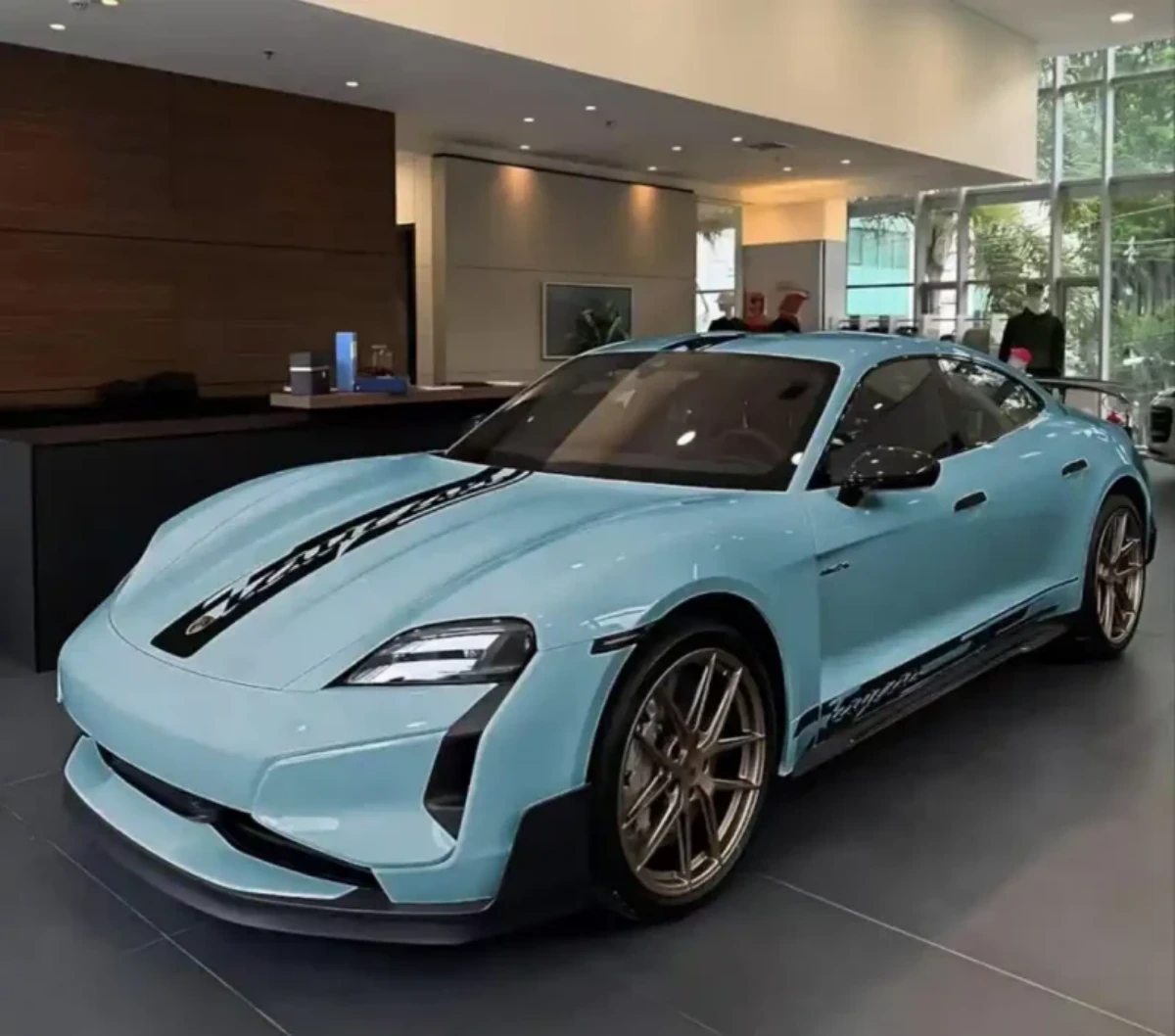
The extension of PPF’s functions:
- Before: Wheel balance weights with rust staining around them; After: PPF covers weight areas, hiding stains and preventing rust from spreading under paint.
- Before: Hood insulation clips with rust staining surrounding paint; After: PPF covers clip areas, hiding stains and preventing rust from spreading.
- Before: Hood prop rod mounting point with paint worn from contact; After: PPF covers mounting area, hiding wear and reducing friction damage from prop rod.
- Before: Tailgate handle with paint worn from repeated use; After: PPF wraps the handle, covering wear patterns and maintaining grip without damage.
- Before: Exhaust manifold heat shield with paint burned off; After: High-heat PPF covers shield, restoring appearance and resisting further heat damage.
- Before: A-pillars with tree branch scratches from off-road use; After: PPF’s scratch-resistant topcoat hides marks and protects during future trail adventures.
Why TPU PPF:
- Low-Effort Cleaning – Pressure washable surfaces remove dirt and debris in minutes.
- Space Optimization – Open rafter designs maximize usable space without visual clutter.
- Heat Reflectivity – Light colors reflect 60% of solar radiation, reducing underpergola heat.
- Low Thermal Expansion – Minimal dimensional changes with temperature fluctuations, reducing joint stress.
- Eco-Friendly Production – Aluminum manufacturing emits 90% less CO? when using recycled materials.
- Design Versatility – Compatible with modern, traditional, and contemporary architectural styles.
The production supply chain and quality control system of PPF:
- Global Raw Material Network – Multi-region sourcing of TPU to mitigate supply risks from geopolitical or logistical disruptions.
- Corrective Action Plans – Documented steps to address out-of-spec results, with timelines for implementation and verification.
- Continuous Improvement Teams – Cross-functional groups analyzing quality data to implement process enhancements.
- Quality Incentives – Employee bonuses tied to quality metrics (e.g., first-pass yield, defect reduction).
- Defect Classification System – Categorization of flaws (pinholes, bubbles, streaks) by severity to guide corrective actions.
- OEM Compliance Testing – Meeting automaker specifications (e.g., Tesla, BMW) for paint compatibility and performance.
- Non-Conforming Material Handling – Quarantine, segregation, and disposition processes for defective materials/finished goods.
- Predictive Maintenance – IoT sensors on production equipment forecasting part failures to prevent unplanned downtime.
- Warranty Claim Analysis – Tracking failure patterns to identify systemic issues requiring process adjustments.
The cost structure and price composition of PPF:
- Certification Fees – ISO 9001, ECOCERT add $0.10–$0.30 per square foot but support premium positioning.
- OEM Partnership Pricing – Factory-installed PPF sold at 15–20% below aftermarket due to bulk production deals.
- Lifecycle Cost Justification – 5-year total cost 30–40% lower than repainting, justifying higher upfront PPF prices.
- Brand Premium – Established brands (3M, XPEL) command 20–30% higher prices than generic alternatives for similar quality.
- Retailer Markup Structure – Wholesalers add 20–30%, retailers add 50–70% to cover overhead and profit.
- Bundle Pricing Discounts – PPF ceramic coating bundles reduce total cost by 10–15% vs. separate purchases.
- Recycled Material Savings – 30% recycled TPU blends reduce raw material costs by 8–12% without significant quality loss.
- Export Compliance Costs – Documentation and customs clearance add $0.20–$0.50 per square foot for international sales.
- Seasonal Pricing Fluctuations – Demand spikes in spring increase prices by 5–10% in temperate regions.
AUTOLI(CN) PPF(Paint Protection Film) oem factory
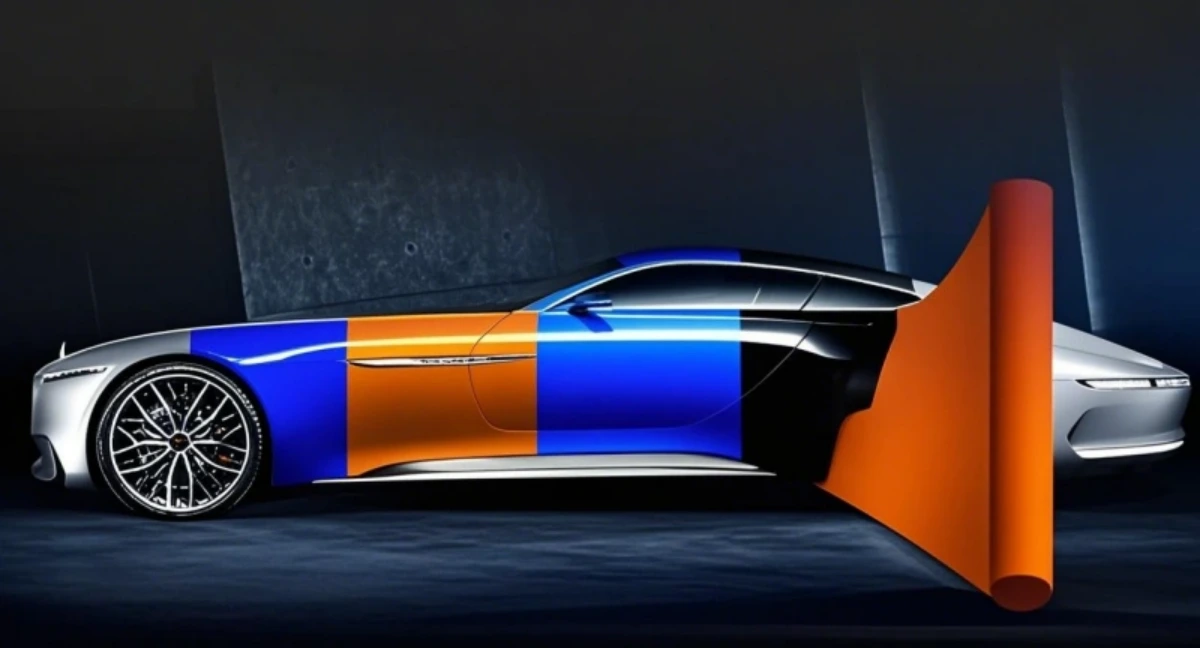
autoli TPU PPF Applied to all brand car models as Alfa Romeo、Honda、acura、Buick.Our factory cooperates with ppf installation、PPF wholesale、AutoZone、Auto Detailing Shop、car Detail and all so in many countries and regions around the world,like Sudan,Austria,Netherlands,Chile,Warranty: 10 years.Our advantages:Efficient production reduces costs;SGS, ASTM, REACH, UL and other certifications;Your Key to Profitable PPF Ventures;Raw material purchasing advantage;Perfect after-sales service.Our factory also provides PPF Vinyl Car Wrap、Vinyl wrapping、car wrapping.