

PPF’s seamless wrapping covers edge gaps, preventing water/ dirt ingress that causes paint peeling under traditional protection.,Prevents fuel door fingernail scratches.,Collaborate with Our Factory: PPF Catalysts for Dramatic Profit Increases.
The regulations of PPF and after-sales services:
- Supply Chain Traceability – EU PPWR mandates tracking PPF materials from production to disposal, ensuring compliance with recycled content targets (e.g., 30% by 2030) .
- China’s Consumer Complaint Channels – PPF buyers in China can file quality-related disputes through the national 12315 hotline, facilitating regulatory oversight and resolution .
- Regional Warranty Variations – PPF warranties often differ by region; for example, monsoon-prone areas may offer extended coverage for water ingress issues .
- DIY Installation Void Policies – Most warranties, including PurePPF and 3M, void coverage for self-installed films, emphasizing the need for certified professional application .
- WEEE Directive Compliance – End-of-life PPF must be recycled in accordance with the EU’s WEEE directive, promoting circular economy practices for electronic and automotive waste .
- Solvent-Free Adhesive Requirements – EU REACH and California CARB regulations push PPF producers to adopt solvent-free adhesives, reducing carbon footprints by up to 80% .
- Japan’s Window Tinting Restrictions – Japanese regulations ban PPF installation on front driver/passenger windows and mandate partial windshield film transparency to ensure unobstructed visibility .
- California CARB VOC Limits – PPF adhesives sold in California must comply with CARB’s strict VOC regulations, reducing harmful emissions during installation to align with regional air quality standards .
The protective performance of PPF:
- Car Polish Compatibility – Safe to use with most automotive polishes, though ceramic coatings are recommended for enhanced hydrophobicity.
- **Reduced Risk of Paint Cracking** – By providing a flexible and protective layer, PPF reduces the risk of paint cracking due to temperature changes or minor impacts.
- Easy Interior Maintenance – Wipes clean with mild soap and water, requiring minimal effort to keep surfaces spotless.
- Transferable Warranty – Enhances resale appeal by extending coverage to subsequent owners, adding value.
- **Improved UV – Stability of the Film Itself** – The PPF material itself has good UV – stability, ensuring that it doesn’t degrade or lose its protective properties under long – term sunlight exposure.
- High-Speed Debris Impact Resistance – Thickened formulations like Suntek Ultra Defense shield against gravel and high-velocity road debris at highway speeds.
- Professional Installation Training – Certified installers ensure bubble-free application and optimal edge sealing.
The extension of PPF’s functions:
- Before: Side mirror adjustment controls (exterior) with paint wear; After: PPF covers controls, hiding wear and reducing friction during adjustments.
- Before: Sunroof surround with cracked paint from thermal expansion; After: Flexible PPF accommodates temperature changes, covering cracks and preventing new ones.
- Before: Side mirror housing gaskets with paint peeling at edges; After: PPF wraps gasket edges, hiding peeling and preventing water from getting under paint.
- Before: Exhaust tip surrounds with heat discoloration; After: High-temperature PPF covers blueing and resists heat damage, maintaining appearance.
- Before: Hood insulation clips with rust staining surrounding paint; After: PPF covers clip areas, hiding stains and preventing rust from spreading.
How TPU Redefines PPF:
- Material Safety Shift – TPU’s non-toxic composition redefined PPF from PVC-based films (with harmful plasticizers) to eco-friendly options meeting global safety standards.
- Lightweight Advantage – TPU’s low density redefined PPF from heavy covers to fuel-efficient options reducing vehicle weight by 1–2kg vs. PVC alternatives.
- Custom Thickness Options – TPU’s variable mil thicknesses redefined PPF from one-size-fits-all products to tailored solutions (6–15mil) for specific needs.
- Weather Adaptability – TPU’s resistance to rain, snow, and sand redefined PPF from climate-specific products to global solutions for diverse environments.
- Impact Indication – Color-changing TPU layers redefined PPF from silent protectors to damage-alert systems revealing hidden impacts.
- Recycled Content Integration – TPU blends with 30% recycled material redefined PPF from virgin-only products to circular economy solutions.
- Safety Enhancement – TPU’s impact absorption redefined PPF from cosmetic protectors to safety features reducing debris-related damage in accidents.
- Self-Healing Revolution – TPU’s microstructural recovery under heat redefined PPF from static protection to dynamic, scratch-repairing films that mend 3μm scratches automatically.
- Structural Support – TPU’s reinforcement of weak points redefined PPF from surface-only protectors to structural aids preventing paint chipping on high-impact areas.
Before & After: How PPF Transforms a 10-Year-Old Car:
- Before: Side skirts with scrapes from curbs and speed bumps; After: Thick PPF hides scrapes and absorbs impact energy, preventing new damage on low-hanging parts.
- Before: Wheel balance weights with rust staining around them; After: PPF covers weight areas, hiding stains and preventing rust from spreading under paint.
- Before: Running boards with worn paint from foot traffic; After: PPF’s durable layer covers wear and resists scuffs from shoes and boots.
- Before: Side mirror adjustment controls (exterior) with paint wear; After: PPF covers controls, hiding wear and reducing friction during adjustments.
- Before: Bumper with yellowed clear coat and road rash; After: PPF’s anti-yellowing formula covers discoloration and shields against future road debris damage.
- Before: Rear tail light gaskets with paint peeling where they meet the body; After: PPF lines gasket edges, hiding peeling and preventing water intrusion.
- Before: Door jambs with paint wear from repeated opening; After: PPF lines jambs, covering scuffs and reducing friction between metal and paint.
- Before: Wheel wells with rust starting to show through paint; After: PPF’s moisture barrier covers early rust and blocks water/salt from accelerating corrosion.
- Before: Antenna base with rust spreading to surrounding paint; After: PPF seals the base, covering rust and preventing moisture from worsening corrosion.
- Before: Trunk lid with key scratches and luggage scuffs; After: PPF’s self-healing properties erase fine scratches, creating a flawless surface for loading/unloading.
The horizontal comparison of PPF with other protection methods:
- PPF vs. Glass Coatings – Glass coatings excel on windows for clarity but don’t protect paint, whereas PPF is engineered specifically for automotive painted surfaces.
- PPF vs. Nano-Ceramic Sprays – Nano-sprays enhance chemical resistance for 1–2 years but offer no physical defense, whereas PPF adds a protective barrier against impacts.
- PPF vs. Rust Converter Products – Converters treat existing rust, while PPF prevents rust triggers (moisture/salt) on painted surfaces, with complementary roles in corrosion management.
- PPF vs. Vinyl Protectants – Vinyl protectants prevent cracking in vinyl wraps but don’t shield against impacts, unlike PPF which adds scratch resistance to wrapped surfaces.
- PPF vs. Metal Polish – Metal polish restores shine to chrome/alloys but offers no protection, while PPF on metal trims prevents future scratches and tarnishing.
- PPF vs. Bug Remover Coatings – Bug coatings make cleanup easier, while PPF resists insect acid etching, with PPF offering proactive protection vs. reactive cleaning aid.
- PPF vs. Alloy Wheel Sealants – Wheel sealants resist brake dust, while PPF on wheels adds scratch protection, with PPF better handling curb impacts.
- PPF vs. Nano Glass Coatings – Glass coatings excel on windows for water repellency, while PPF protects painted surfaces from physical damage, with minimal overlap in application.
- PPF vs. Liquid Glass Coatings – Liquid glass offers 6–12 months of chemical resistance but lacks physical impact protection, while PPF combines 5 years of scratch defense with self-healing capabilities.
The materials and technologies of PPF:
- RFID tracking chip: Embeds a passive RFID tag for anti-theft tracking and warranty management, readable via smartphone NFC.
- Matte finish technology: Achieves 20-30° gloss levels with a velvet-like texture, ideal for luxury vehicles and matte paint protection.
- Bio-based TPU formulation: Uses 30% plant-derived materials (e.g., castor oil) without compromising mechanical performance, certified by ASTM D6400.
- Precision cutting technology: Relying on digital pattern data, it enables precise, non-destructive cutting for different vehicle surfaces, reducing membrane stretching damage during installation.
- Low-VOCs production certification: Meets global eco-standards like GREENGUARD Gold, ensuring volatile organic compound emissions below 50μg/m3 during manufacturing.
- High-performance adhesive layer technology: Utilizing low initial tack and high final tack pressure-sensitive adhesive, it allows for repeated positioning adjustments during installation. Once cured, it adheres tightly to the vehicle body without de-bonding or leaving residue.
- Closed-loop recycling system: Integrates physical recycling processes for TPU waste, achieving 95% material recovery rate while maintaining mechanical properties.
- Energy-harvesting film: Integrates photovoltaic cells to generate 0.5W/m2 of power for vehicle electronics.
- pH-responsive anti-corrosion layer: Activates protective agents when exposed to acidic environments (e.g., acid rain).
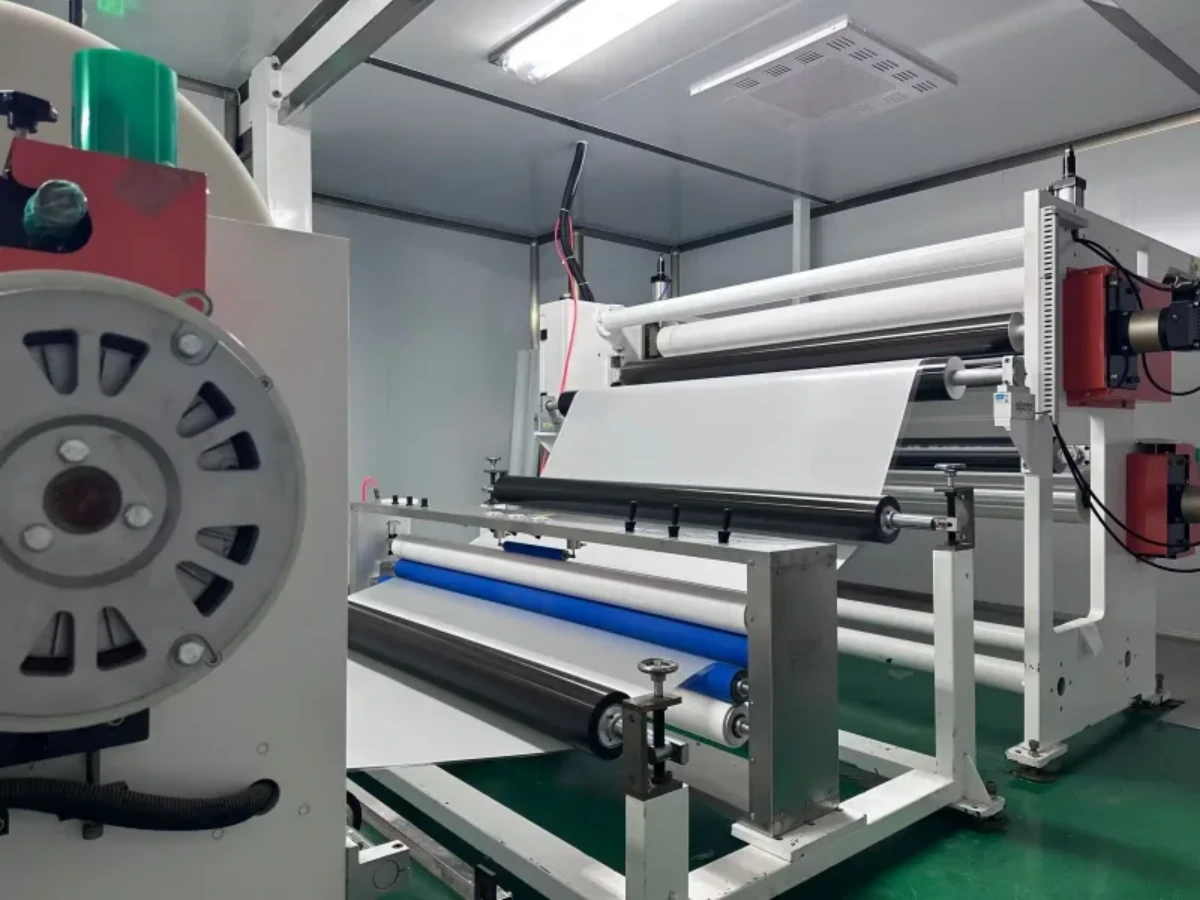
AUTOLI(CN) PPF(Paint Protection Film) manufacturer
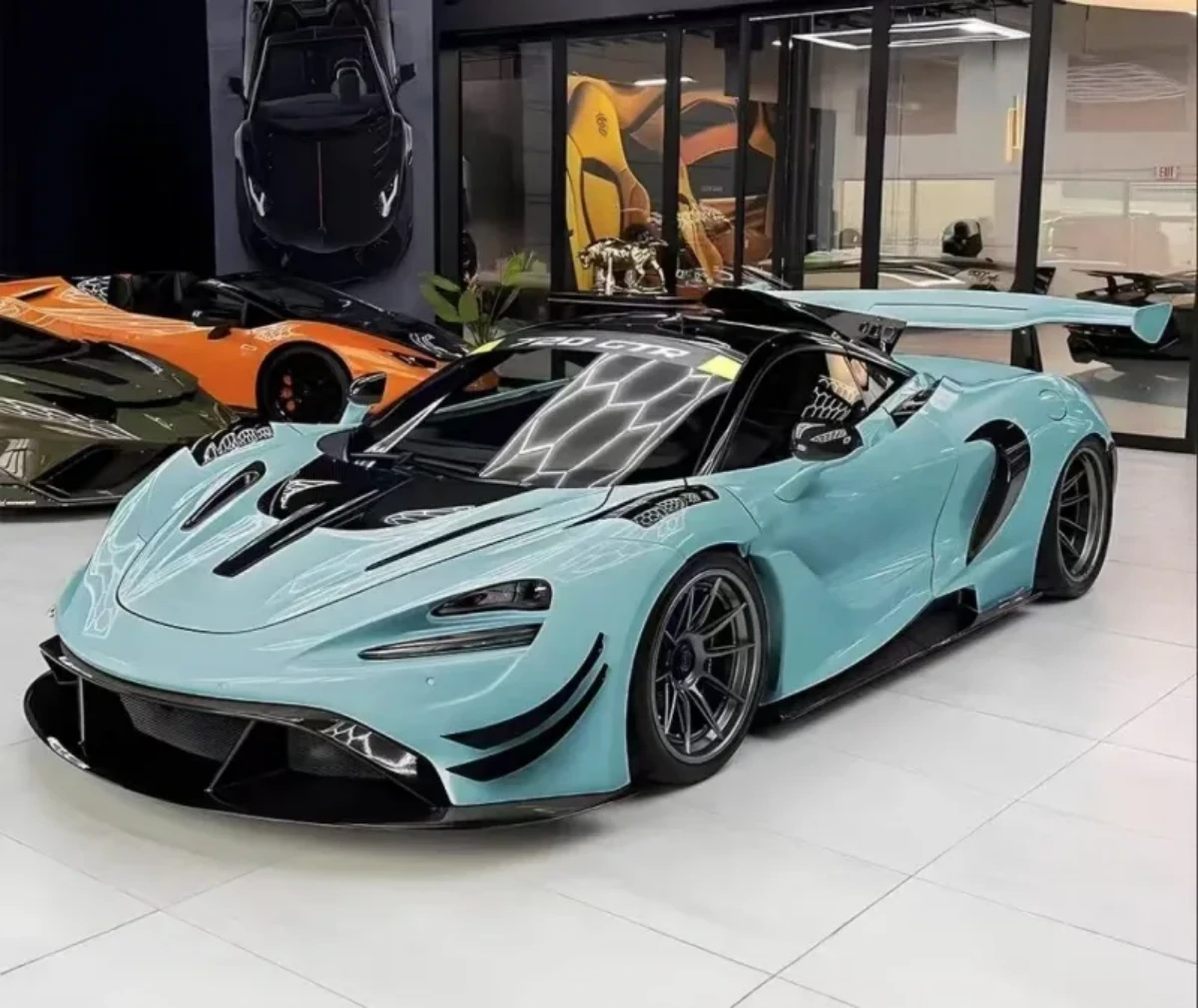
autoli TPU PPF Applied to all brand car models as Ferrari、acura、McLaren、Lamborghini、AstonMartin、Honda.Our factory cooperates with PPF installer、car Detail、PPF brand and all so in many countries and regions around the world,like Sudan,USA,Mexico,Russia,Warranty: 10 years.Our advantages:Our customers are all over the world;Efficient production reduces costs;Unlock Business Growth with Our Factory’s PPF;Collaborate for Lucrative Returns: Source factory;Perfect after-sales service.Our factory also provides vinyl car wrapping、carwraps、PET FILM.