

PPF’s anti-microbial coating inhibits mold in humid regions, keeping paint clean beneath the film in tropical climates.,Low surface energy resists dust adhesion.,Link Up with Us: High – Quality, Style – Laden PPF, Cost – Saving Deals.
The user perception and consumption misconceptions of PPF:
- Correct Perception: Long-Term Cost Savings – 68% of users understand PPF reduces repaint costs over 5 years, aligning with data showing $2,000 savings on luxury vehicles.
- Correct Perception: Pre-Cut vs. Hand-Cut Tradeoffs – Users understand pre-cut kits save time, while hand-cut offers better precision on complex curves.
- Correct Perception: Multi-Surface Application – Users increasingly apply PPF to headlights and trim, reducing fogging and scratches on high-wear areas.
- Correct Perception: TPU vs. PVC Durability – Informed buyers recognize TPU PPF offers 3x longer lifespan than PVC, prioritizing flexibility and self-healing over cost.
- Consumer Misconception: “PPF Can’t Be Repaired” – Assuming damaged PPF requires full replacement, unaware small sections can be patched professionally.
- Consumer Misconception: “New Cars Don’t Need PPF Immediately” – Delaying installation, unaware that factory paint is most vulnerable to damage in the first 6 months of ownership.
- Consumer Misconception: “PPF Yellowing Is Inevitable” – Fearing all PPF yellows, unaware that modern anti-yellowing formulas with HALS stabilizers last 10 years clear.
- Consumer Misconception: “All PPF Installers Are Equal” – Choosing based on price alone, ignoring differences in training, tools, and workspace quality.
- Consumer Misconception: “PPF Installation Requires Paint Removal” – Fearing sanding or stripping, unaware professional installs use gentle cleaning without paint removal.
The user pain points of PPF and their solutions:
- Unclear Warranty Coverage – Clarified via digital warranty passports detailing exclusions (wear, improper maintenance) and inclusions.
- Bubbles After Installation – Prevented by air-release adhesive channels and certified installers using dust-free environments.
- High Heat Damage (EV Batteries) – Solved by heat-resistant PPF (120°C ) with thermal conductivity for battery zone protection.
- Poor Performance in Cold Climates – Fixed with cold-flexible TPU (-40°C tolerance) and frost-resistant adhesives to avoid cracking.
- Warranty Claim Denials – Prevented by transparent warranty terms, certified installer networks, and digital claim tracking.
- Complex Warranty Transfers – Simplified via blockchain-based systems enabling easy ownership transfers with digital validation.
The long-term monitoring and maintenance system after the installation of PPF:
- Lease Vehicle Maintenance Logs – Documenting all cleanings and inspections to prove proper care for lease return inspections.
- Humidity-Controlled Storage – Covering vehicles with breathable covers in humid climates to reduce mold risk under PPF.
- High-Altitude Adjustments – Increasing sealant applications in thin air (≥2000m elevation) where UV exposure is intensified.
- Impact Damage Documentation – Taking timestamped photos of chips/scratches to monitor self-healing progress over weeks.
- Monthly Deep Cleaning – Using pH-neutral (6–8) PPF-specific cleaners to dissolve road grime without damaging topcoats.
- Bi-Weekly Two-Bucket Washing – Using grit guards in separate wash and rinse buckets to avoid reintroducing debris to PPF.
The materials and technologies of PPF:
- EV-specific lightweight optimization: Reduces base material density by 15% for electric vehicles, minimizing added weight impact on battery range.
- Anti-static and dust-proof technology: The surface coating adds long-lasting anti-static agents, reducing the electrostatic adsorption force on the film surface, decreasing the frequency of dust and particle adhesion, and prolonging the cleaning cycle.
- Multi-layer optical coating: Combines anti-reflective and color-enhancing layers to boost paint color saturation by 5-8% while maintaining high light transmittance.
- Anti-yellowing technology: Antioxidants and UV absorbers are added to inhibit oxidation and yellowing under long-term exposure to light, extending the appearance stability of the protective film.
- Shape-memory alloy reinforcement: Restores film shape after severe impacts through embedded Ni-Ti alloys.
- Antibacterial and mold-resistant coating technology: Silver ion antibacterial agent is added to the membrane surface, which inhibits the growth of mold and bacteria in humid environments. This technology is particularly suitable for long-term use in areas with frequent rainfall and high humidity.
- Edge sealing reinforcement technology: Using a micro-groove lock-edge process and special sealing glue, water and dust can be prevented from seeping into the edge of the film, avoiding problems such as warping and bubbles.
- Thermal insulation buffer layer design: An elastic buffer layer is added between the substrate and the coating to alleviate the internal stress caused by the thermal expansion and contraction of the material under extreme temperature differences, thereby reducing the risk of cracking.
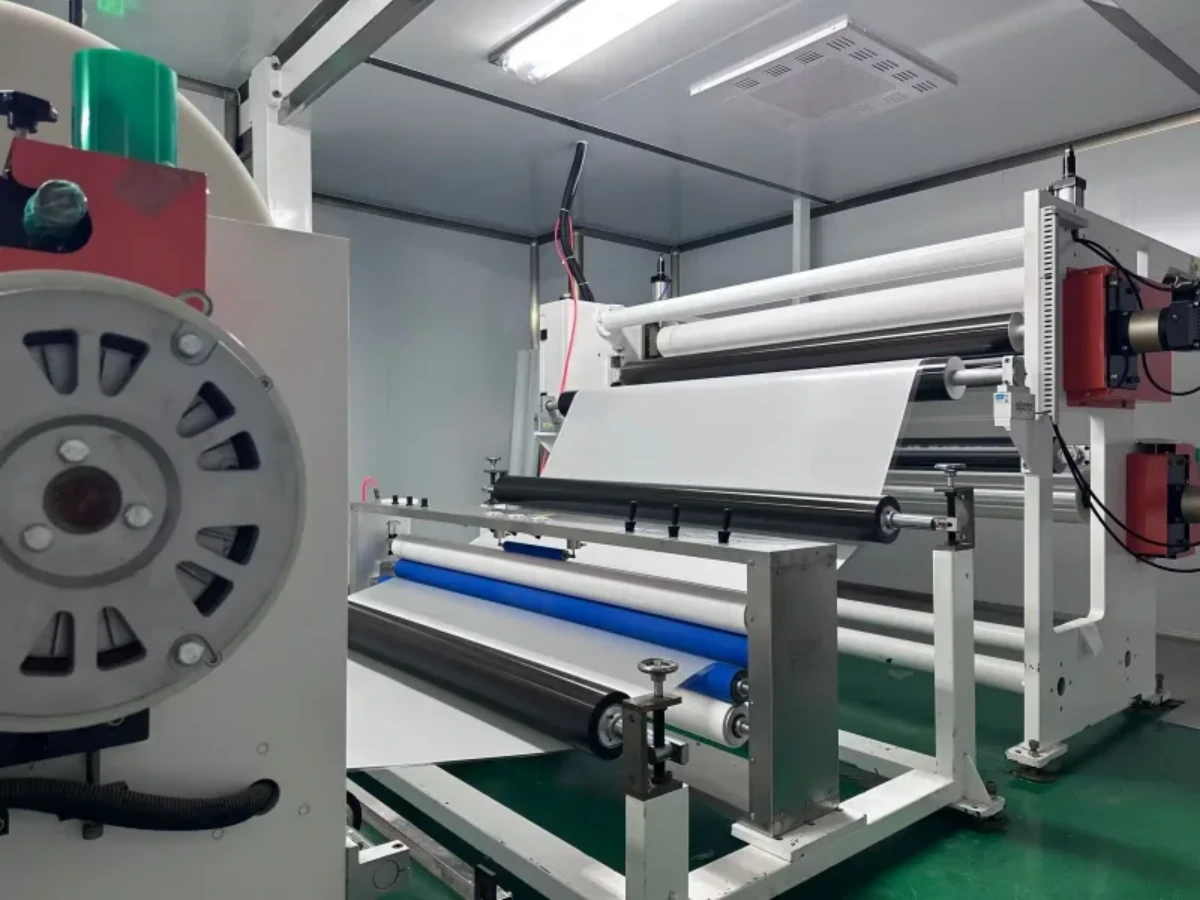
- Multi-layer co-extrusion process: Through the co-extrusion of multiple layers of materials, a wear-resistant layer, a buffer layer, and an adhesive layer are integrated, balancing protective strength and adhesion.
Say Goodbye to Car Scratches: Self-Healing PPF Revealed!:
- Key scratches on door edges vanish, saving drivers from costly repairs to high-contact areas.
- Years of healing cycles won’t thin the film—PPF retains 90% of its original thickness, avoiding premature replacement.
- Self-healing PPF leverages TPU’s thermal reactivity to repair micro-scratches (≤3μm) when exposed to heat, making surface damage disappear without manual intervention.
- Morning scratches from your commute can vanish by afternoon sunlight, keeping your car looking pristine throughout the day.
- Scratches from bicycle racks or roof carriers on SUVs and trucks heal, preserving paint on utility-focused vehicles.
- Self-healing PPF’s topcoat works with its TPU layer to ensure repairs don’t compromise water resistance or gloss.
- Self-healing repair is chemical-free, using only heat to trigger natural molecular reformation in the TPU film.
- TPU’s molecular structure “remembers” its original form, reforming even after repeated minor damage over time.
- Self-healing properties work year-round, from summer sun triggering rapid repairs to winter garage warmth gradually fixing cold-weather scratches.
The long-term monitoring and maintenance system after the installation of PPF:
- Lease Vehicle Maintenance Logs – Documenting all cleanings and inspections to prove proper care for lease return inspections.
- Humidity-Controlled Storage – Covering vehicles with breathable covers in humid climates to reduce mold risk under PPF.
- High-Altitude Adjustments – Increasing sealant applications in thin air (≥2000m elevation) where UV exposure is intensified.
- Impact Damage Documentation – Taking timestamped photos of chips/scratches to monitor self-healing progress over weeks.
- Monthly Deep Cleaning – Using pH-neutral (6–8) PPF-specific cleaners to dissolve road grime without damaging topcoats.
- Bi-Weekly Two-Bucket Washing – Using grit guards in separate wash and rinse buckets to avoid reintroducing debris to PPF.
Before & After: How PPF Transforms a 10-Year-Old Car:
- Before: Roof with bird dropping etchings and tree sap stains; After: PPF’s chemical-resistant topcoat hides stains and prevents new etching, creating a uniform surface.
- Before: Wheel valve stem caps with faded color; After: PPF covers caps, preserving color and resisting scratches from tire pressure checks.
- Before: Door latch striker plates with paint worn from contact; After: PPF lines striker areas, hiding wear and reducing friction between metal and paint.
- Before: Door panels (exterior) with handprint stains and smudges; After: PPF’s non-porous surface hides stains and wipes clean easily, resisting new smudges.
- Before: Front fenders with “spider web” cracks from age; After: PPF’s flexible layer covers fine cracks and reduces stress that causes further splitting.
- Before: Under-hood battery terminals with corrosion staining nearby; After: PPF covers surrounding area, hiding stains and protecting against acid damage.
The environmental protection and sustainability of PPF:
- 50% Less Water for Washing – Hydrophobic properties reduce car wash frequency, saving 200 gallons of water per vehicle annually.
- Reduced Paint Stripping Waste – By preserving original paint, PPF eliminates the need for paint stripping chemicals and associated hazardous waste.
- Reusable Installation Tools – Brands provide washable microfiber squeegees instead of single-use plastic tools, cutting installer waste.
- End-of-Life Takeback Programs – Manufacturers like XPEL offer PPF recycling initiatives, collecting old films for repurposing into new polymer products.
- Energy-Efficient Curing Ovens – Infrared curing reduces energy use by 50% compared to traditional convection ovens in production.
- Recyclable Cardboard Cores – PPF rolls use recycled cardboard cores instead of plastic, with 90% recyclability post-use.
The extension of PPF’s functions:
- Before: Front grille with chipped paint on edges; After: PPF’s impact-absorbing layer covers chips and shields vulnerable grille edges from debris.
- Before: Hood release lever (exterior) with paint worn from use; After: PPF covers lever, hiding wear and maintaining functionality without damage.
- Before: Windshield washer nozzles with paint chipping around them; After: PPF covers nozzle edges, hiding chips and preventing debris from damaging surrounding area.
- Before: Chrome trims tarnished and pitted from weathering; After: PPF’s protective layer covers corrosion and maintains shine, restoring reflective quality.
- Before: Fender flare mounting screws with rust around heads; After: PPF covers screw heads, hiding rust and preventing water from worsening corrosion.
- Before: Front air intake vents with paint chipping on edges; After: PPF covers vent edges, hiding chips and preventing debris from causing further damage.
- Before: Rear bumper reflectors with scratched lenses; After: Clear PPF covers reflectors, hiding scratches and maintaining visibility for safety.
AUTOLI(CN) PPF(Paint Protection Film) oem factory
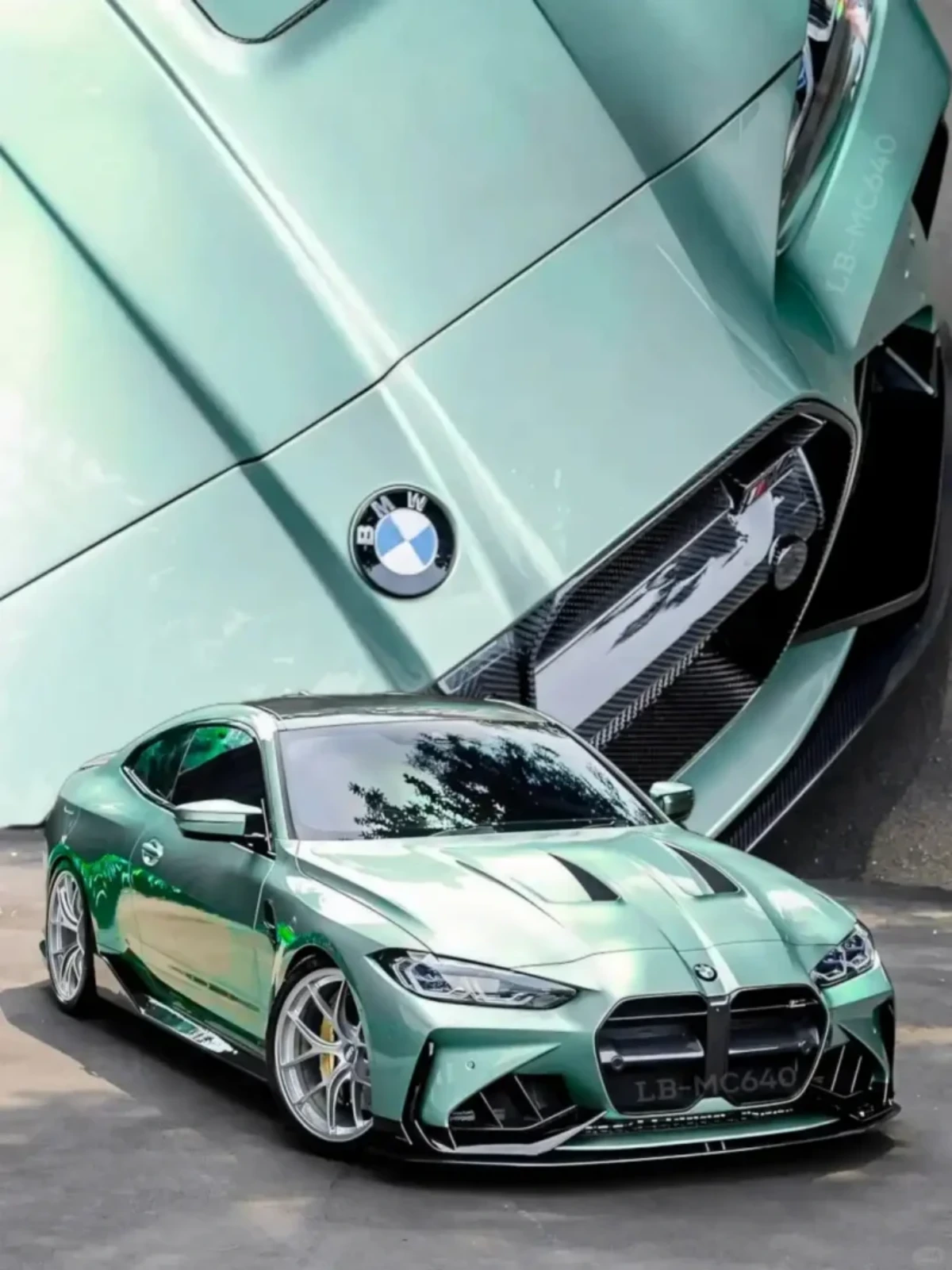
autoli TPU PPF Applied to all brand car models as ds、Rolls-Royce、Land Rover、Dodge.Our factory cooperates with Car Customization Shop、PPF brand、Auto Repair Center、PPF wholesale、PPF trading and all so in many countries and regions around the world,like Netherlands,Venezuela,Turkey,Belgium,Warranty: 10 years.Our advantages:Perfect after-sales service;Your Key to Profitable PPF Ventures;Raw material purchasing advantage.Our factory also provides car film、car wrapping.