

PPF’s resistance to industrial fallout (metal particles) prevents rust spots, a common problem in urban areas.,Passes EU REACH 173 toxic substance tests.,Partner for Profit: Premium – Grade PPF, Abundant Color Choices, and Cost – Effective Deals.
The regulations of PPF and after-sales services:
- China’s Consumer Complaint Channels – PPF buyers in China can file quality-related disputes through the national 12315 hotline, facilitating regulatory oversight and resolution .
- Regional Warranty Variations – PPF warranties often differ by region; for example, monsoon-prone areas may offer extended coverage for water ingress issues .
- Regulatory Updates for EVs – EV-specific PPFs must comply with OEM heat resistance standards (e.g., 120°C for battery zones) to avoid delamination .
- Japan’s Window Tinting Restrictions – Japanese regulations ban PPF installation on front driver/passenger windows and mandate partial windshield film transparency to ensure unobstructed visibility .
- EU Digital Product Passport – PPF manufacturers must disclose material composition and recycling details via the EU’s Digital Product Passport, enhancing supply chain transparency .
- Warranty Transferability – Transferred vehicle ownership often requires warranty re-registration, with brands like 3M requiring updated documentation to maintain coverage .
How TPU Redefines PPF:
- Material Safety Shift – TPU’s non-toxic composition redefined PPF from PVC-based films (with harmful plasticizers) to eco-friendly options meeting global safety standards.
- Cultural Adaptability – TPU’s compatibility with local climates redefined PPF from Western-focused products to global solutions for tropical, desert, and polar regions.
- Chemical Compatibility – TPU’s resistance to cleaning agents redefined PPF from delicate films to easy-maintain solutions compatible with pH-neutral cleaners.
- Impact Indication – Color-changing TPU layers redefined PPF from silent protectors to damage-alert systems revealing hidden impacts.
- High-Pressure Wash Safe – TPU’s strong adhesion redefined PPF from hand-wash-only films to pressure washer-compatible protectors simplifying cleaning.
- Warranty Reliability – TPU’s consistent performance redefined PPF warranties from vague guarantees to 5–15 year commitments with clear coverage.
- Aging Gracefully – TPU’s slow degradation redefined PPF from quickly obsolescent products to long-term investments maintaining performance over decades.
- Impact Absorption – TPU’s energy-dispersing structure redefined PPF from scratch-only protection to rock chip-resistant barriers reducing paint damage by 75%.
Before & After: How PPF Transforms a 10-Year-Old Car:
- Before: Trunk lid with key scratches and luggage scuffs; After: PPF’s self-healing properties erase fine scratches, creating a flawless surface for loading/unloading.
- Before: Rocker panels with mud and salt damage from winters; After: PPF’s corrosion-resistant layer covers rust-prone areas and blocks future salt intrusion.
- Before: Wheel well drain holes with rust around openings; After: PPF covers drain edges, hiding rust and preventing water from spreading corrosion.
- Before: Roof antenna with cracked paint from weathering; After: PPF’s flexible layer covers cracks and protects against rain/snow intrusion.
- Before: Rear window wiper motor cover with faded paint; After: PPF covers cover, restoring color and protecting against weathering damage.
- Before: Windshield trim with peeling paint and cracks; After: PPF wraps trim edges, hiding peeling and preventing water intrusion that causes further damage.
- Before: Rear spoiler with cracked clear coat from sun exposure; After: UV-stable PPF covers cracks and prevents further clear coat breakdown.
The protective performance of PPF:
- ASTM D1044 Compliance – Meets rigorous scratch resistance standards, ensuring reliable performance in real-world use.
- Crystal-Clear Clarity – Maintains original interior aesthetics without distortion, preserving factory finishes.
- Wet Application Precision – Ensures seamless coverage and overlaps for colored PPF, achieving a factory-like finish.
- Advanced Anti-Yellowing Formula – Incorporates UV inhibitors and stabilizers to prevent discoloration over 5 years of exposure.
- Carbon Fiber & Piano Black Protection – Shields high-wear interior surfaces like carbon fiber and glossy trims from scratches.
- Microbial Inhibition Compliance – Meets industry standards for reducing bacteria and germs on touchscreen surfaces.
- Road Tar Stain Resistance – Hydrophobic topcoats repel sticky road tar, allowing easy removal with mild solvents.
- **Resistance to Saltwater Spray in Coastal Areas** – In coastal regions, where saltwater spray can be a major threat to vehicle paint, PPF offers effective protection against corrosion.
- **Quick Drying Property** – After a vehicle wash or rain, PPF dries quickly, reducing the time that water sits on the surface and minimizing the risk of water spots.
The market trends and industry changes of PPF:
- Regulatory Push for Transparency – The EU’s Digital Product Passport initiative requires PPF manufacturers to disclose material composition and recycling options, driving supply chain accountability.
- Regional Finish Preferences – Matte PPF dominates Europe (45% of sales) while glossy finishes lead in North America (60%), reflecting aesthetic cultural differences.
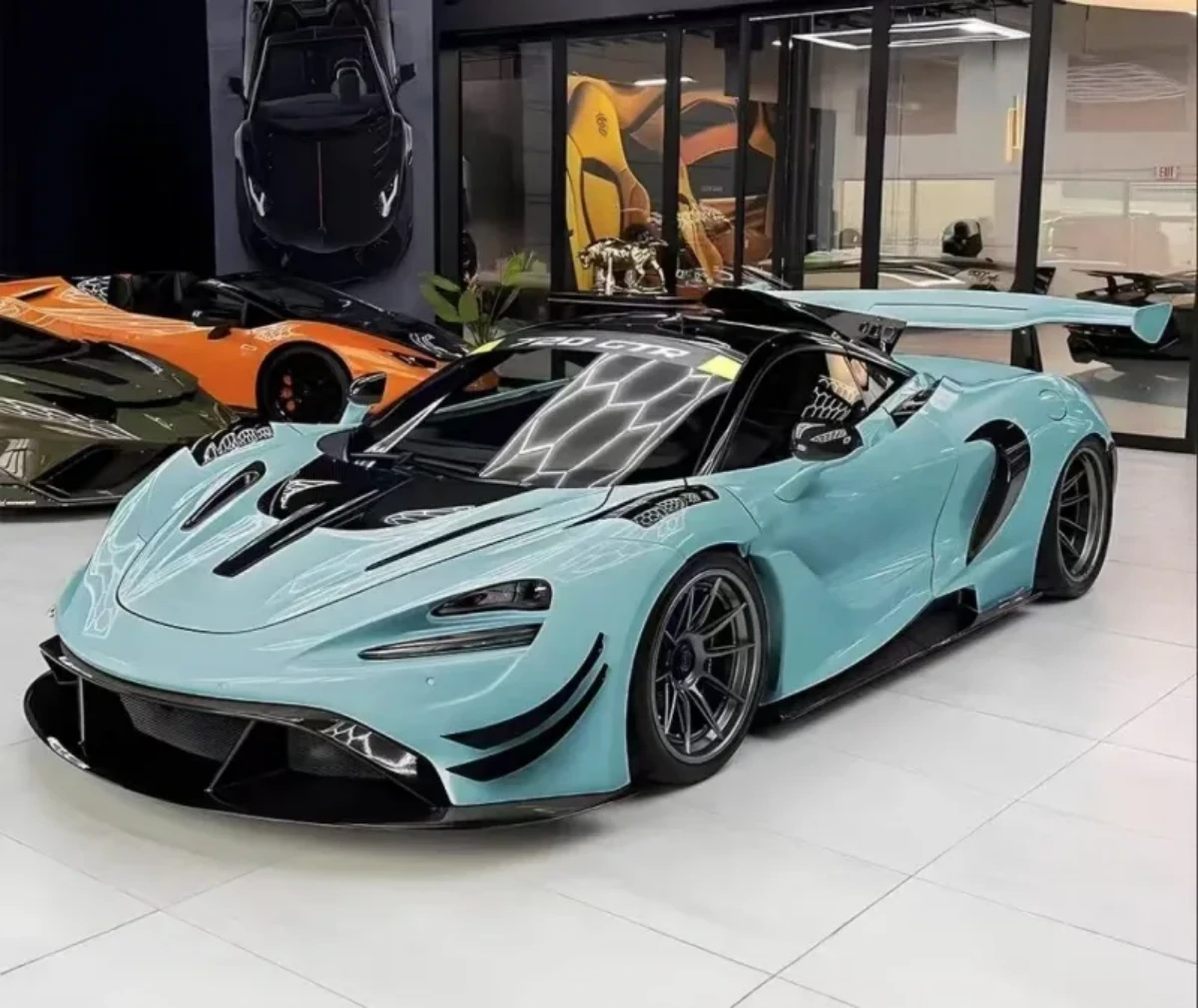
- Personalization Trends in Aesthetics – Demand for matte finishes, colored PPF, and custom textures is surging, with TPU-based films offering UV-resistant, self-healing properties to meet consumer preferences for vehicle customization.
- Deep Scratch Self-Healing – Advanced films repair 5μm-deep scratches (vs. 3μm previously) using microcapsule technology, activated by body heat or sunlight.
- EV Battery Heat Resistance Focus – Next-gen PPF films are engineered to withstand 120°C from EV battery systems, preventing delamination in high-heat zones like undercarriages.
- Digital Print Integration – UV-curable digital printing on PPF allows custom graphics/logos, with 35% of commercial fleets now using branded PPF for marketing.
The long-term monitoring and maintenance system after the installation of PPF:
- End-of-Warranty Pre-Assessments – Comprehensive inspections 6 months before warranty expiry to address issues proactively.
- Hard Water Spot Prevention – Using deionized water for final rinses or applying water spot removers weekly in hard-water areas.
- Microfiber Cloth Protocol – Using lint-free, 300 GSM cloths for drying to avoid micro-scratches from debris in cheaper fabrics.
- Professional Detailing Partnerships – Scheduling annual professional decontamination (iron removal, tar cleanup) to preserve topcoat.
- Flexibility Testing – Bending small film samples (from replacements) to check for brittleness, indicating polymer degradation.
- Seasonal Storage Preparation – Cleaning thoroughly, applying sealant, and using breathable covers before 30 day storage periods.
The construction and maintenance of PPF:
- Tri-Stage Surface Cleaning – Washing, clay barring, and alcohol wipe-downs ensure 99% contaminant removal before PPF application.
- Self-Healing for Minor Scratches – Applying gentle heat (e.g., hair dryer on low) accelerates repair of swirl marks or light scratches.
- Adhesive Activation Heat Range – Applying 65–75°C heat to edges activates adhesives without damaging the PPF’s topcoat.
- LED Light Inspection Post-Install – Bright LED lighting reveals hidden bubbles or misalignments missed in natural light.
- Controlled Environment Setup – Installation in dust-free, temperature-controlled (20–25°C) shops minimizes airborne particle interference.
- Edge Lifting Fix – Applying heat (60–80°C) and pressing edges with a microfiber cloth restores adhesion if lifting occurs.
- UV-Protection Boosters – Applying UV-resistant sprays in high-sun regions extends anti-yellowing performance.
- Seasonal Maintenance Adjustment – Increasing cleaning frequency in rainy seasons to prevent mold growth under the film.
- Avoid Automated Car Washes with Brushes – Brushless washes prevent abrasive contact that can scratch PPF.
The horizontal comparison of PPF with other protection methods:
- PPF vs. Rust Proofing Treatments – PPF shields exterior paint from corrosion triggers (salt/sand), while rust proofing targets metal undercarriages, with complementary roles in full protection.
- PPF vs. Silicone Coatings – Silicone coatings repel water but degrade quickly (1–2 years) under UV exposure, whereas PPF maintains hydrophobicity for 5 years with UV stabilizers.
- PPF vs. Chassis Undercoating – Undercoating protects metal from rust, while PPF defends visible painted surfaces from chips, with both addressing different vehicle vulnerability areas.
- PPF vs. Car Covers – PPF provides 24/7 protection during driving/parking, unlike covers that only work when stationary and risk scratching paint during removal.
- PPF vs. Anti-Corrosion Sprays – Sprays inhibit rust on bare metal but don’t protect paint, whereas PPF blocks corrosion triggers (salt, moisture) from reaching painted surfaces.
- PPF vs. Ceramic Coatings – PPF offers physical impact protection (resisting rocks/chips) while ceramic coatings focus on chemical resistance and hydrophobicity, with PPF lasting 5–10 years vs. 2–5 for ceramics.
- PPF vs. Chrome Plating Protection – Chrome sealants resist tarnishing, while PPF adds scratch resistance to chrome trims, with PPF better handling physical abrasion.
- PPF vs. Clear Enamel – Clear enamel is a permanent paint layer that cracks under impact, whereas PPF flexes to absorb collisions and can be replaced if damaged.
- PPF vs. Bug Remover Coatings – Bug coatings make cleanup easier, while PPF resists insect acid etching, with PPF offering proactive protection vs. reactive cleaning aid.
- PPF vs. Metal Polish – Metal polish restores shine to chrome/alloys but offers no protection, while PPF on metal trims prevents future scratches and tarnishing.
The differentiated user group needs matching of PPF:
- Classic Motorcycle Riders – Seek thin (6–7mil) flexible PPF to conform to curved fuel tanks and fairings, protecting vintage paint from belt/buckle scratches.
- College Students – Choose affordable 6mil PPF kits for first cars, balancing basic scratch protection with budget constraints.
- Photography Vehicle Owners – Select high-gloss white PPF for van exteriors, maintaining clean backdrops for on-location photo shoots.
- Farm Equipment Operators – Apply heavy-duty 12mil PPF to tractor hoods and cabs, resisting crop debris, mud, and chemical splatters.
- Racing Team Vehicles – Require fire-resistant PPF (up to 200°C) for engine bays and fenders, withstanding high temperatures during track days.
- Truck Enthusiasts – Seek bedliner-compatible PPF for tailgates and bedside panels, resisting scratches from cargo loading/unloading.
- Electric Scooter Fleets – Use ultra-thin 5mil PPF for lightweight protection, shielding plastic bodies from urban curb impacts and weathering.
- Classic Muscle Car Racers – Opt for heat-dissipating PPF on hoods, reducing under-hood temperatures during vintage races.
AUTOLI(CN) PPF(Paint Protection Film) oem manufacturer
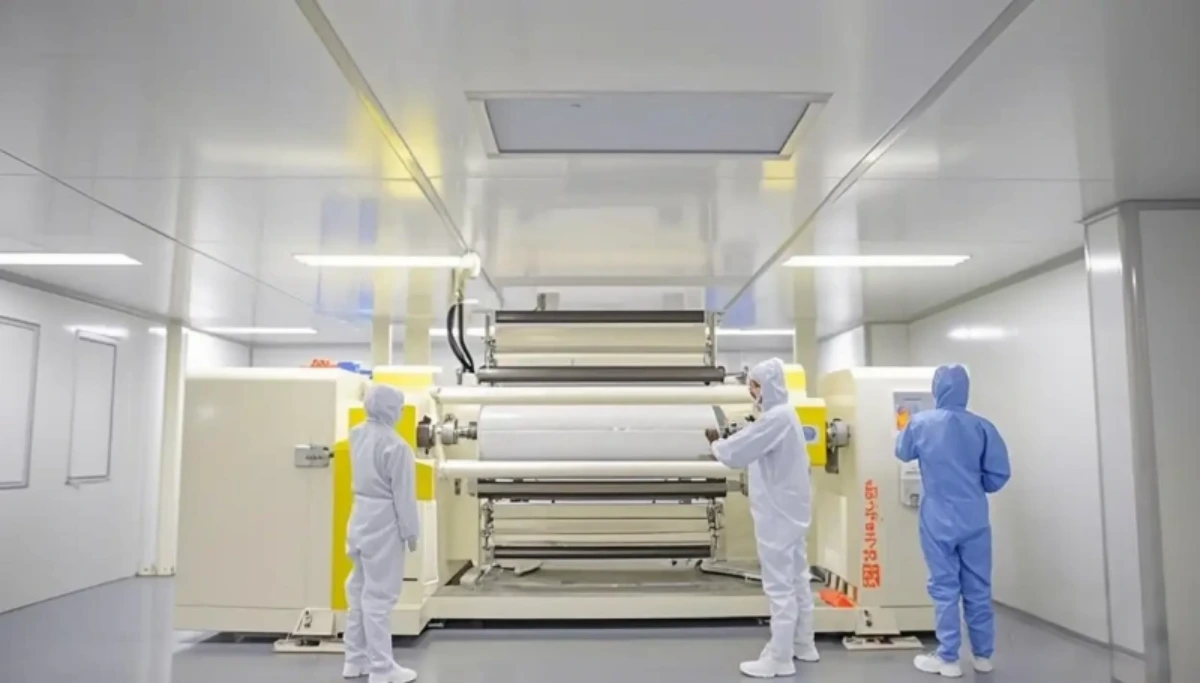
autoli TPU PPF Applied to all brand car models as ford、Rolls-Royce、Land Rover、Chrysler.Our factory cooperates with Auto Detailing Shop、PPF brand、AutoZone and all so in many countries and regions around the world,like Japan,England,Egypt,Ecuador,Belgium,Poland,Warranty: 10 years.Our advantages:Your Key to Profitable PPF Ventures;Unlock Business Growth with Our Factory’s PPF;Collaborate for Lucrative Returns: Source factory.Our factory also provides PET FILM、PPF Vinyl Car Wrap.