

PPF’s ability to maintain finish in high UV areas (like deserts) prevents premature fading, a major issue unprotected.,Minimizes dealer transport scratches on new cars.,Factory – Crafted PPF: Superior Durability.
TPU PPF VS PET PPF:
- Low-Light Visibility – TPU PPF’s clarity enhances nighttime visibility for headlights, while PET PPF can create slight haze reducing light output.
- Adhesive Aging – TPU PPF’s adhesive retains 80% strength after 5 years, while PET PPF’s adhesive loses 50% strength in 3 years.
- Weathering Testing – TPU PPF passes 3,000 hours of QUV testing, while PET PPF fails at 1,500 hours with significant cracking.
- Moisture Barrier – TPU PPF prevents water intrusion for 72 hours, while PET PPF allows moisture penetration after 24 hours at edges.
- Durability Rating – TPU PPF achieves 50,000 Taber abrasion cycles, compared to PET PPF’s 15,000-cycle rating.
- Weight-Bearing Capacity – TPU PPF supports accessory mounting (e.g., light bars) with minimal sagging, while PET PPF distorts under similar weight.
The environmental protection and sustainability of PPF:
- End-of-Life Recycling Guides – Consumer-facing tools explain how to recycle PPF, increasing proper disposal rates by 60%.
- Zero-Waste Manufacturing – Scrap PPF is recycled into production pellets, achieving 95% material utilization in closed-loop systems.
- Paper Installation Masks – Disposable paper masks replace plastic, biodegrading in 30 days and reducing installer waste.
- Mycelium Packaging Inserts – Mushroom-based packaging protects PPF during shipping, decomposing in 45 days without chemicals.
- Reusable Shipping Crates – Replacing single-use boxes with returnable crates cuts packaging waste by 80% in B2B distribution.
- Water-Based Cleaning Solutions – Recommended PPF cleaners use 80% less harsh chemicals, reducing aquatic toxicity from wash runoff.
- Recycled Packaging – 90% of premium PPF brands use recycled cardboard and biodegradable film wrap, reducing packaging waste by 75%.
- Reusable Installation Tools – Brands provide washable microfiber squeegees instead of single-use plastic tools, cutting installer waste.
Before & After: How PPF Transforms a 10-Year-Old Car:
- Before: Windshield washer nozzles with paint chipping around them; After: PPF covers nozzle edges, hiding chips and preventing debris from damaging surrounding area.
- Before: Front air intake vents with paint chipping on edges; After: PPF covers vent edges, hiding chips and preventing debris from causing further damage.
- Before: Wheel center caps with faded logos and scratches; After: Clear PPF covers caps, preserving logos and resisting scratches from cleaning.
- Before: Rear wiper arm base with rust and paint peeling; After: PPF seals the base, covering rust and preventing water intrusion that causes further damage.
- Before: Door striker plates with paint worn from contact; After: PPF lines striker areas, covering wear and reducing friction between metal and paint.
- Before: Rear window trim with black paint turning gray; After: PPF’s color-stable film covers faded trim, restoring uniform black appearance.
- Before: Step bumper with paint worn thin from loading cargo; After: Heavy-duty PPF adds protective layer, hiding wear and withstanding future use.
The extension of PPF’s functions:
- Before: Hood latch area with accumulated dirt and paint wear; After: PPF covers the area, hiding grime stains and reducing friction-related wear.
- Before: Side mirror adjustment controls (exterior) with paint wear; After: PPF covers controls, hiding wear and reducing friction during adjustments.
- Before: Front fender emblems with faded paint on logos; After: Clear PPF covers emblems, preserving logos and resisting weathering damage.
- Before: Wheel well liners with paint transfer from tires; After: PPF lines liners, hiding transfer and preventing rubber from damaging paint further.
- Before: Front license plate frame with rust staining; After: PPF covers frame edges, hiding stains and preventing rust from spreading to bumper paint.
- Before: Roof antenna with cracked paint from weathering; After: PPF’s flexible layer covers cracks and protects against rain/snow intrusion.

The horizontal comparison of PPF with other protection methods:
- PPF vs. Anti-Graffiti Coatings – Anti-graffiti treatments focus on easy stain removal, while PPF adds physical barrier defense against scratches from graffiti tools.
- PPF vs. Glass Polish – Polish removes water spots from glass, while PPF on paint prevents spots via hydrophobicity, with distinct surface applications.
- PPF vs. Rust Proofing Treatments – PPF shields exterior paint from corrosion triggers (salt/sand), while rust proofing targets metal undercarriages, with complementary roles in full protection.
- PPF vs. Chassis Undercoating – Undercoating protects metal from rust, while PPF defends visible painted surfaces from chips, with both addressing different vehicle vulnerability areas.
- PPF vs. Lacquer Sealants – Lacquer sealants provide a glossy finish but yellow quickly under UV, while PPF’s anti-yellowing formulas maintain clarity for a decade.
- PPF vs. Anti-Fade Treatments – Anti-fade treatments slow UV damage but don’t prevent scratches, unlike PPF which blocks UV rays and shields against physical wear.
Why TPU PPF:
- Noise Reduction – Damped connections minimize creaking sounds in windy conditions.
- Wind Resistance – Engineered to withstand 120 km/h winds with reinforced frame designs.
- Low Vibration Transfer – Stable structure minimizes shaking during storms or high winds.
- Architectural Compatibility – Complements modern homes with metal siding or glass facades.
- Year-Round Use – Can be enclosed with glass or plastic panels for winter protection.
- Corrosion Resistance – Aluminum alloy pergolas resist rust and oxidation, outperforming steel in humid or coastal environments.
The cutting-edge technology research and development of PPF:
- High-Aspect-Ratio Nanofibers – Electrospun TPU nanofibers with 100:1 aspect ratio enhance puncture resistance by 400% in industrial applications.
- Superhydrophobic Nanostructures – Laser-ablated micro-nano textures on PPF surfaces achieve contact angles >160°, repelling water and debris in extreme weather.
- Quantum Dot-Enhanced Transparency – Quantum dot arrays embedded in PPF enhance visible light transmission to 98% while blocking UV and IR rays.
- AI-Powered Material Discovery – High-throughput screening platforms identify novel TPU formulations with tailored properties in days instead of years.
- Shape Memory Polymers – 4D-printed PPF star polymers with tunable glass transition temperatures recover 95% of original shape after deformation.
- Bio-Based Flame Retardants – Chitosan-functionalized ammonium polyphosphate (CS-APP) and phenylphosphonic difurfurylamine (PPDF) provide V-0 rating in UL 94 tests with <1% loading.
- AI-Driven Process Optimization – Reinforcement learning algorithms adjust extrusion temperature and pressure in real-time, reducing waste by 60%.
- Nanocellulose Reinforcement – Cellulose nanofibers from wood pulp improve PPF toughness by 200% while maintaining biodegradability.
- Nano-Structured Anti-Graffiti Coatings – Superhydrophobic and oleophobic surfaces repel spray paint, allowing easy removal with water rinsing.
The user scenarios and value validation of PPF:
- Luxury Vehicle Owners – Preserves factory paint on high-end cars like Mercedes-Maybach, with 92% of owners reporting retained resale value after 3 years of PPF use.
- Industrial Vehicle Operators – Shields construction truck cabs from gravel and debris, extending time between repaints from 18 to 36 months.
- Custom Paint Owners – Preserves expensive matte or chameleon finishes, with PPF preventing swirl marks that would ruin $5,000 custom paint jobs.
- Commercial Fleet Operators – Reduces repaint frequency for Amazon delivery vans by 60%, cutting maintenance downtime by 15 hours per vehicle yearly.
- New Car Buyers – Guards fresh factory paint on brand-new vehicles, with 98% of users avoiding “first scratch” frustration in the first 6 months.
- Ride-Share Drivers – Protects Uber and Lyft vehicles from passenger-related scratches, with 90% of drivers avoiding “excessive wear” lease penalties.
- Car Rental Companies – Reduces “damage waiver” claims for Hertz and Avis by 40%, as PPF hides minor scratches from renters.
- Pet Owners with Cargo Vans – Shields interior panels from dog claws and fur, with PPF making cleanup 40% faster after transport.
- Luxury Yacht Tenders – Guards small boat hulls from dock collisions, with marine-grade PPF reducing gel coat repairs by 60% in saltwater environments.
The product classification and selection logic of PPF:
- Vehicle Type Compatibility – Classified for cars, SUVs, trucks, EVs, or classics, with tailored patterns and performance traits.
- Skill-Level Alignment – Choosing DIY pre-cut kits for experienced users vs. professional installation for complex vehicle contours.
- Vibration Resistance Selection – Opting for flexible PPF with high elongation for motorcycles or off-road vehicles with frequent vibrations.
- Long-Term Storage Consideration – Opting for breathable PPF for vehicles in long-term storage to prevent moisture trapping.
- Aesthetic Priority Selection – Matching finish type (matte/gloss) to vehicle paint to preserve original appearance.
- Resale Value Protection – Investing in premium PPF for high-value vehicles to maintain paint condition for resale.
AUTOLI(CN) PPF(Paint Protection Film) factory
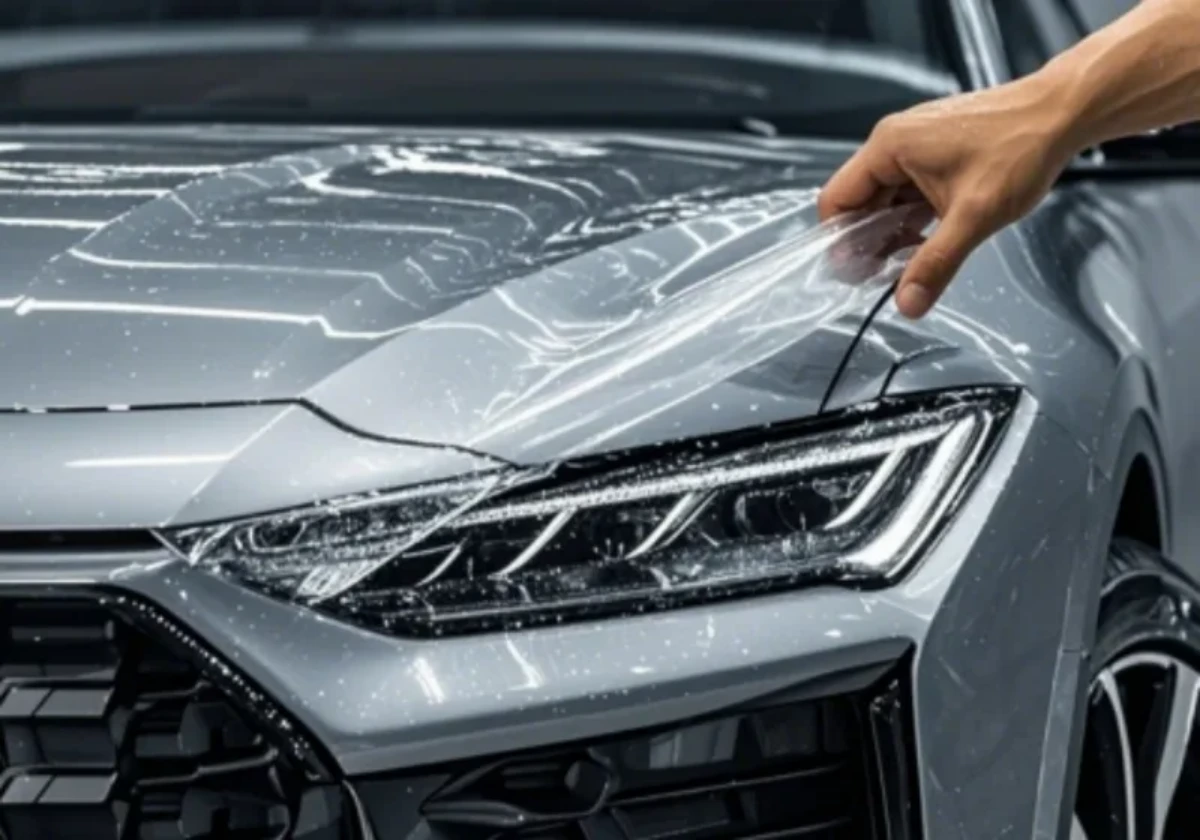
autoli TPU PPF Applied to all brand car models as Alfa Romeo、Cadillac、Audi、AstonMartin.Our factory cooperates with PPF brand、PPF installer、PPF wholesaler and all so in many countries and regions around the world,like Czech,VietNam,Thailand,Luxembourg,Sweden,Malta,Warranty: 10 years.Our advantages:Short production cycle, quick delivery;Raw material purchasing advantage;SGS, ASTM, REACH, UL and other certifications.Our factory also provides car vinyl wrap、PPF FILM.