

PPF’s aliphatic TPU resists hydrolysis, lasting 5-10 years vs. 1-2 years for poor polyester TPU prone to yellowing.,3x longer life than PVC wraps.,Business Stagnating? Our Factory’s PPF, the Catalyst for Rapid Expansion.
The construction and maintenance of PPF:
- Controlled Environment Setup – Installation in dust-free, temperature-controlled (20–25°C) shops minimizes airborne particle interference.
- Rotating Microfiber Cloths – Using fresh cloths for each washing step prevents grit transfer and minimizes scratches.
- Deionized Water for Washing – Mineral-free water reduces water spot residue on PPF surfaces after drying.
- Panel Sectioning – Applying PPF in smaller panel sections (e.g., hood, fenders) ensures better conformity to complex contours.
- Silicone-Free Cleaners – Avoiding silicone-based products prevents glossy residue that attracts dust to PPF surfaces.
- Minor Bubble Repair – Using a heat gun and squeegee to reactivate adhesives and push out small bubbles post-installation.
- Low-Temperature Cleaning – Using warm (not hot) water in winter prevents thermal shock to the PPF and adhesives.
- Storage Protection – Covering vehicles with breathable car covers in storage prevents dust buildup and UV overexposure.
- 48-Hour Road Tar Removal Window – Using专用 solvents to remove tar within 48 hours prevents permanent staining on PPF.
The differentiated user group needs matching of PPF:
- Vintage Scooter Collectors – Use ultra-thin 5mil PPF to conform to curved fenders and fuel tanks, preserving retro paint jobs from scratches.
- Mobile Veterinary Clinics – Require antimicrobial PPF for interior surfaces, inhibiting bacteria growth from animal interactions.
- Senior Living Community Shuttles – Need scratch-resistant PPF on step plates and door handles, enduring frequent passenger entry/exit.
- Motorcycle Fleet Managers – Use pre-cut PPF kits for fuel tanks and fairings to reduce repair costs from rider-induced scratches and road debris.
- High-Mileage Highway Drivers – Need stone chip-resistant PPF with thick top layers to absorb impacts from high-speed road debris on highways.
- Art Car Enthusiasts – Select removable, customizable PPF that protects murals/decals from weathering while allowing design updates without damage.
- Snowmobile Trail Groomers – Need cold-resistant PPF (-40°C) to protect metal and plastic surfaces from ice, salt, and debris buildup.
- Mobile Science Lab Vans – Prefer chemical-resistant PPF for interior and exterior surfaces, withstanding spills and equipment movement during demonstrations.
- Drag Racing Vehicles – Require heat-resistant PPF for wheel wells and undercarriages, withstanding high temperatures from tire friction and exhaust.
The user perception and consumption misconceptions of PPF:
- Consumer Misconception: “All PPF Self-Heals the Same” – Assuming budget films repair as well as premium ones, unaware that microcapsule density varies by price point.
- Consumer Misconception: “PPF Installation Takes Days” – Avoiding PPF due to perceived downtime, not knowing modern pre-cut kits reduce professional installs to 1–2 days.
- Correct Perception: Brand Reputation Matters – Discerning buyers choose established brands, associating 3M or XPEL with consistent quality over generic alternatives.
- Correct Perception: Brand Certification Matters – Buyers seek installers certified by brands like XPEL, linking training to better long-term results.
- Consumer Misconception: “PPF Blocks Car Washes” – Avoiding automated washes due to fear of damage, when brushless systems are actually safe for properly installed PPF.
- Consumer Misconception: “PPF Needs Waxing Like Paint” – Over-maintaining with wax, unaware that PPF’s topcoat排斥 traditional waxes, requiring specialized sealants.
The production supply chain and quality control system of PPF:
- Abrasion Resistance – Taber abrasion tests (CS-10 wheel, 1kg load) measuring weight loss to validate durability.
- Color Stability Verification – Spectrophotometer measurements ensuring ΔE < 2 after accelerated UV exposure.
- Six Sigma Projects – DMAIC methodology applied to reduce variation in critical processes (e.g., coating uniformity).
- Hydrophobicity Checks – Contact angle measurements (>110°) confirming topcoat water repellency before roll winding.
- Failure Mode and Effects Analysis (FMEA) – Proactive risk assessment of production processes to prevent failures.
- Field Testing Programs – Real-world installations monitoring performance over 1–5 years in diverse climates.
Why TPU PPF:
- Quick Turnaround – Pre-fabricated kits ship within 2–4 weeks, faster than custom wood builds.
- Non-Toxic Materials – Free from formaldehyde, arsenic, or other harmful chemicals in wood treatments.
- Safety Features – Smooth edges and rounded corners reduce injury risks in family settings.
- Architectural Compatibility – Complements modern homes with metal siding or glass facades.
- Cold Climate Performance – No seasonal cracking or splitting in freezing temperatures.
- Adjustable Roof Options – Compatible with louvered systems for rain/sun control (manual or motorized).
- Export-Friendly – Lightweight packaging reduces international shipping damage risks.
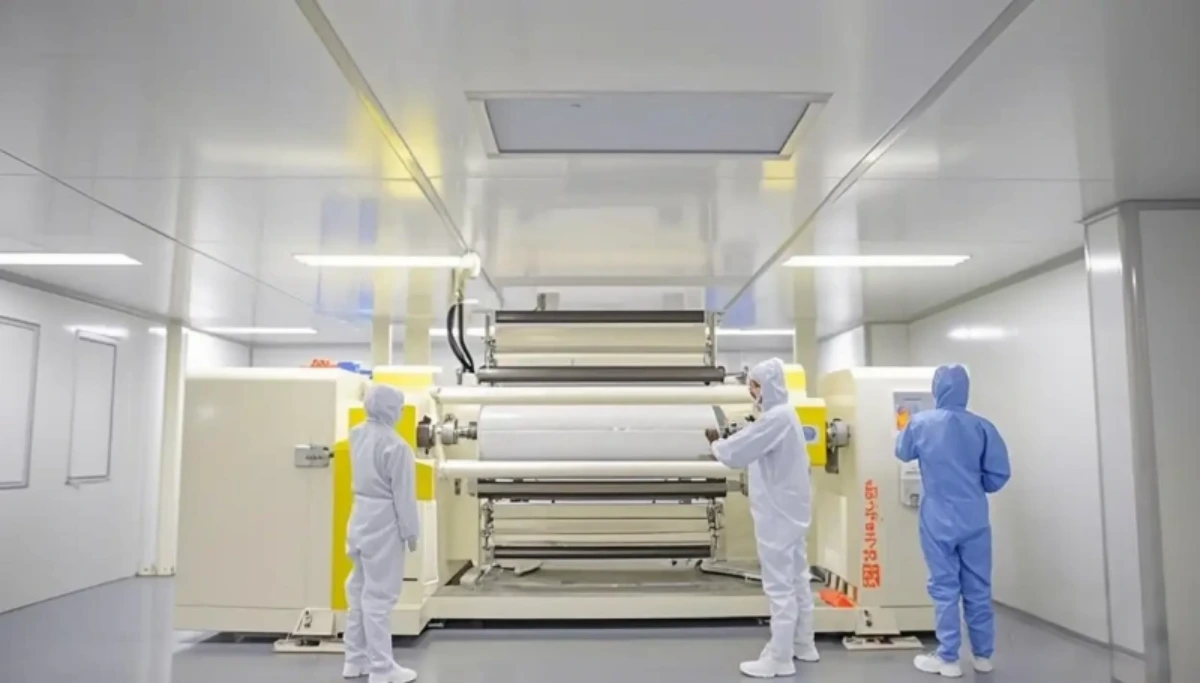
The market trends and industry changes of PPF:
- Digital Print Integration – UV-curable digital printing on PPF allows custom graphics/logos, with 35% of commercial fleets now using branded PPF for marketing.
- Regulatory Push for Transparency – The EU’s Digital Product Passport initiative requires PPF manufacturers to disclose material composition and recycling options, driving supply chain accountability.
- AI Quality Control in Production – Machine vision systems inspect 100% of PPF rolls for defects, reducing post-installation warranty claims by 45%.
- Social Proof-Driven Sales – 65% of consumers cite online reviews and before/after videos as key factors in PPF brand selection, fueling influencer marketing growth.
- Recyclable Packaging Mandates – 80% of PPF brands now use recycled cardboard and biodegradable film wrap for packaging, aligning with EU packaging laws.
The regulations of PPF and after-sales services:
- Nano-Coating Warranty Bundles – Hybrid solutions combining PPF with ceramic coatings (e.g., Onyx PPF Nano Coat) offer extended warranties covering both layers .
- Post-Installation Inspections – Professional installers like NAR PPF conduct post-installation checks to ensure edge sealing and material adherence, minimizing warranty claims .
- EU Digital Product Passport – PPF manufacturers must disclose material composition and recycling details via the EU’s Digital Product Passport, enhancing supply chain transparency .
- Regional Regulatory Exemptions – Medical device packaging and hazardous goods transportation are exempt from EU PPWR’s recyclability rules, affecting niche PPF applications .
- IoT-Enabled Performance Monitoring – Emerging PPFs with embedded sensors monitor UV exposure and damage levels, providing real-time data for predictive maintenance and warranty claims .
- Australia’s UV Protection Standards – PPFs sold in Australia/NZ must comply with AS/NZS 4399 for UV protection, requiring UPF ratings ≥15 and transparency in labeling .
- China’s Consumer Complaint Channels – PPF buyers in China can file quality-related disputes through the national 12315 hotline, facilitating regulatory oversight and resolution .
- Warranty Transferability – Transferred vehicle ownership often requires warranty re-registration, with brands like 3M requiring updated documentation to maintain coverage .
- Heat-Activated Self-Healing Warranties – Brands guarantee self-healing performance (e.g., 98% micro-scratch repair within 8 minutes at 45°C) under warranty, reflecting confidence in material durability .
- India’s BIS Certification for PP Materials – Polypropylene (PP) used in PPF production must meet India’s BIS certification under IS 10951:2020, ensuring quality and safety for domestic and export markets .
The construction and maintenance of PPF:
- Controlled Environment Setup – Installation in dust-free, temperature-controlled (20–25°C) shops minimizes airborne particle interference.
- Rotating Microfiber Cloths – Using fresh cloths for each washing step prevents grit transfer and minimizes scratches.
- Deionized Water for Washing – Mineral-free water reduces water spot residue on PPF surfaces after drying.
- Panel Sectioning – Applying PPF in smaller panel sections (e.g., hood, fenders) ensures better conformity to complex contours.
- Silicone-Free Cleaners – Avoiding silicone-based products prevents glossy residue that attracts dust to PPF surfaces.
- Minor Bubble Repair – Using a heat gun and squeegee to reactivate adhesives and push out small bubbles post-installation.
- Low-Temperature Cleaning – Using warm (not hot) water in winter prevents thermal shock to the PPF and adhesives.
- Storage Protection – Covering vehicles with breathable car covers in storage prevents dust buildup and UV overexposure.
- 48-Hour Road Tar Removal Window – Using专用 solvents to remove tar within 48 hours prevents permanent staining on PPF.
AUTOLI(CN) PPF(Paint Protection Film) factory
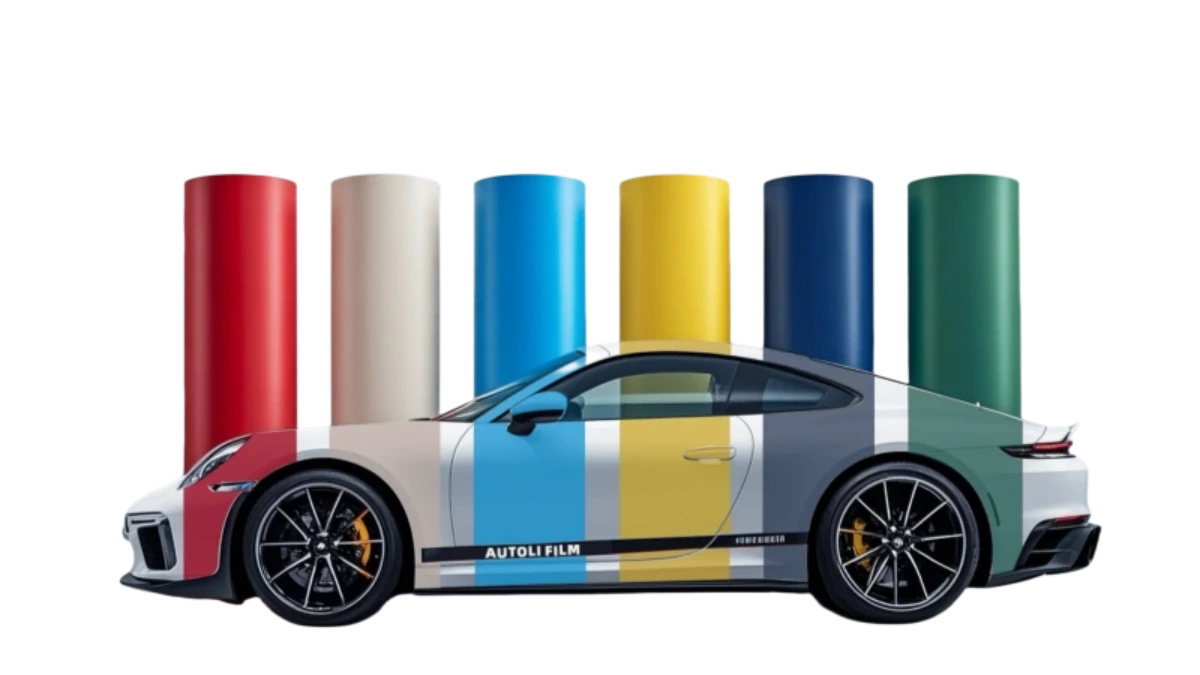
autoli TPU PPF Applied to all brand car models as Lexus、Jaguar、bmw、Maserati.Our factory cooperates with AutoZone、PPF distributor、PPF trading、Auto Detailing service、Auto Detailing Shop and all so in many countries and regions around the world,like SriLanka,Iceland,Norway,Ireland,Poland,Warranty: 10 years.Our advantages:Strict quality control system;Efficient production reduces costs;Your Key to Profitable PPF Ventures;Large stock of styles for you to choose from;High quality raw materials and advanced technology.Our factory also provides Window tint、Vinyl Car Wrap.