

PPF’s heat-activated self-healing works with car heaters in winter, repairing scratches without external heat sources.,3x longer life than PVC wraps.,Propel Your Business Forward: Unbeatable PPF Wrap Pricing, Speedy Orders.
The horizontal comparison of PPF with other protection methods:
- PPF vs. Anti-Scratch Sprays – Sprays offer mild scratch resistance for 1–3 months, while PPF provides robust defense against deep scratches for 5 years.
- PPF vs. TPU Sprays – TPU sprays form a thin protective layer but lack the thickness for impact absorption, while PPF’s multi-layer design dissipates collision energy.
- PPF vs. Powder Coating – Powder coating provides durable metal protection but is rigid and permanent, unlike PPF’s flexible, removable barrier for painted surfaces.
- PPF vs. Teflon Coatings – Teflon coatings reduce friction but lack self-healing, unlike PPF which repairs micro-scratches and resists abrasion better in high-wear areas.
- PPF vs. Rust Proofing Treatments – PPF shields exterior paint from corrosion triggers (salt/sand), while rust proofing targets metal undercarriages, with complementary roles in full protection.
TPU PPF VS PET PPF:
- Abrasion Recovery – TPU PPF’s topcoat recovers from light abrasion, while PET PPF’s surface damage is permanent.
- Edge Lifting Resistance – TPU PPF’s heat-sealed edges reduce lifting by 75%, whereas PET PPF edges lift 30% more frequently in car washes.
- Warranty Coverage – TPU PPF typically includes 5–15 year warranties, while PET PPF warranties rarely exceed 2–3 years.
- Modular Repair Compatibility – TPU PPF allows seamless patch repairs, while PET PPF patch edges are visibly distinct from original film.
- Chemical Adhesion – TPU PPF bonds to factory and custom paints, while PET PPF may fail on matte or textured finishes.
- Scratch Hardness – TPU PPF with ceramic topcoats achieves 9H hardness, while PET PPF maxes at 6H, showing more visible scratches.
- Resale Value Impact – TPU PPF-preserved vehicles retain 5–10% more value, while PET PPF’s shorter lifespan offers minimal resale benefit.
- High-Speed Performance – TPU PPF resists stone chips at 120km/h, while PET PPF fails at 80km/h in highway tests.
- Long-Term Adhesion – TPU PPF maintains 90% adhesion after 7 years, while PET PPF’s adhesion drops to 50% after 4 years.
The product classification and selection logic of PPF:
- Abrasion Resistance Needs – Upgrading to ceramic-infused PPF for high-traffic areas (door handles, step plates).
- Large Surface Coverage – Selecting wide-width rolls for RVs or commercial vehicles to minimize seam visibility.
- Matte Texture Preservation – Prioritizing texture-matched matte PPF to avoid shine spots on specialty finishes.
- Seasonal Use Logic – Opting for temporary biodegradable PPF for seasonal vehicles (convertibles, snowmobiles).
- Warranty Claim Ease – Choosing brands with digital warranty systems for streamlined claims processing.
- Installation Access Logic – Choosing hybrid PPF with air-release adhesives for hard-to-reach areas requiring repositioning.
- Eco-Friendly Segmentation – Grouped as petroleum-based, bio-based, or recyclable PPF to align with sustainability priorities.
- Installation Environment Adaptation – Selecting low-temperature curing PPF for professional shops without climate control.
- Chemical Resistance Needs – Selecting acid-resistant PPF for regions with heavy bird droppings or industrial pollution.
- Coverage Scope Classes – Divided into partial (hood/fenders), full vehicle, or component-specific (headlights, trim) coverage options.
Why TPU PPF:
- High-Strength Alloys – 6005-T5 aluminum provides optimal strength-to-weight ratio for structural beams.
- Resale Value Boost – Adds outdoor living space appeal, increasing home value by 3–5%.
- Electric Integration – Pre-wired channels for lighting, speakers, and heating systems.
- Quick Turnaround – Pre-fabricated kits ship within 2–4 weeks, faster than custom wood builds.
- Commercial Use – Popular for restaurant patios, hotel courtyards, and office outdoor spaces.
- Eco-Friendly Production – Aluminum manufacturing emits 90% less CO? when using recycled materials.
- Lightweight Construction – Aluminum’s low density (2.7 g/cm3) simplifies installation, requiring fewer structural supports than wooden alternatives.
- Disaster Recovery – Quick to replace or repair after storm damage compared to custom wood structures.
- Heat Reflectivity – Light colors reflect 60% of solar radiation, reducing underpergola heat.
The user pain points of PPF and their solutions:
- Unclear Warranty Coverage – Clarified via digital warranty passports detailing exclusions (wear, improper maintenance) and inclusions.
- Poor Hydrophobicity Over Time – Restored by SiO? sealant boosters, reviving water repellency every 3–6 months.
- Damage from Road Debris – Mitigated by impact-dispersing multi-layer films, reducing stone chips by 70% at highway speeds.
- Warranty Void Due to DIY Installation – Resolved by offering “DIY-friendly” kits with warranty coverage for proper application.
- Matte Paint Distortion – Solved by matte-specific PPF (20–30% gloss) designed to preserve texture without shine spots.
- High Installation Costs – Mitigated by tiered pricing (DIY kits vs. premium pro installs) and financing options for budget flexibility.
- Uncertainty About Lifespan – Resolved by clear warranty durations (5–15 years) and real-world durability data from field tests.
- Fading in Extreme Sunlight – Fixed by 99% UV-blocking films with enhanced carbon black pigments for tropical climates.
- Damage from Road Debris – Mitigated by impact-dispersing multi-layer films, reducing stone chips by 70% at highway speeds.
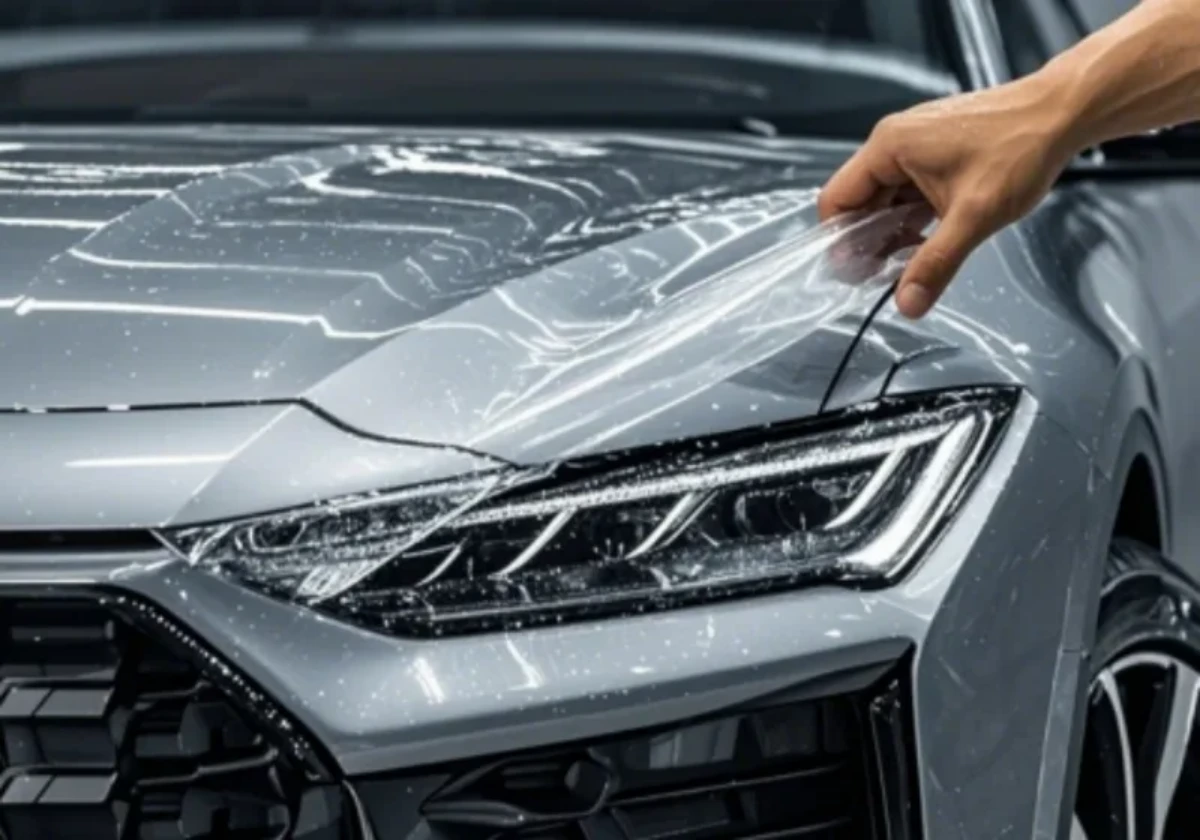
The user perception and consumption misconceptions of PPF:
- Consumer Misconception: “PPF Makes Car Washes Obsolete” – Thinking hydrophobic properties eliminate washing, not realizing heavy grime still requires cleaning.
- Consumer Misconception: “Once Applied, No Maintenance Needed” – A common myth that PPF requires zero upkeep, ignoring the need for pH-neutral cleaning to preserve hydrophobicity.
- Correct Perception: Long-Term Cost Savings – 68% of users understand PPF reduces repaint costs over 5 years, aligning with data showing $2,000 savings on luxury vehicles.
- Consumer Misconception: “All PPF Installers Are Equal” – Choosing based on price alone, ignoring differences in training, tools, and workspace quality.
- Consumer Misconception: “New Car Paint Is ‘Protected’ from Factory” – Trusting factory clear coats alone, unaware they lack the impact resistance of PPF.
- Consumer Misconception: “PPF Can’t Be Repaired” – Assuming damaged PPF requires full replacement, unaware small sections can be patched professionally.
The differentiated user group needs matching of PPF:
- Desert Dwellers – Require sand-resistant PPF with anti-abrasion topcoats to prevent paint damage from blowing sand and extreme UV radiation.
- Family Car Owners – Seek scratch-resistant (5H ) PPF for door sills and bumpers to withstand child-related impacts, pet claws, and daily wear.
- Electric Vehicle Taxi Fleets – Require fast-healing PPF to hide minor scratches from constant passenger use, maintaining vehicle appearance.
- Mobile Pet Adoption Vans – Use pet-friendly scratch-resistant PPF, withstanding claw marks and frequent door use during adoption events.
- Truck Enthusiasts – Seek bedliner-compatible PPF for tailgates and bedside panels, resisting scratches from cargo loading/unloading.
- Electric Scooter Fleets – Use ultra-thin 5mil PPF for lightweight protection, shielding plastic bodies from urban curb impacts and weathering.
The extension of PPF’s functions:
- Before: Rocker panels with mud and salt damage from winters; After: PPF’s corrosion-resistant layer covers rust-prone areas and blocks future salt intrusion.
- Before: Front fender emblems with faded paint on logos; After: Clear PPF covers emblems, preserving logos and resisting weathering damage.
- Before: Front license plate bracket mounting holes with rust around them; After: PPF covers hole perimeters, hiding rust and preventing corrosion spread.
- Before: Gas cap door with faded paint from sun exposure; After: PPF’s UV protection covers fading and maintains color consistency with the rest of the car.
- Before: Front bumper tow hook cover with lost paint; After: PPF covers the cover, hiding bare spots and maintaining a seamless bumper appearance.
- Before: Wheel lug nut covers with faded and chipped paint; After: PPF covers covers, preserving color and resisting scratches during tire changes.
- Before: Fog light surrounds with yellowing and stone chips; After: PPF covers discoloration and shields against debris, maintaining consistent appearance.
- Before: Rear window wiper motor cover with faded paint; After: PPF covers cover, restoring color and protecting against weathering damage.
- Before: Door jambs with paint wear from repeated opening; After: PPF lines jambs, covering scuffs and reducing friction between metal and paint.
The production supply chain and quality control system of PPF:
- Batch Testing Protocols – Random sampling of finished rolls (1 per 50) for full performance characterization.
- Raw Material Sourcing – TPU resin procurement from certified suppliers (e.g., Lubrizol, BASF) with ISO 9001 certification for consistent polymer quality.
- Quality Metrics Dashboard – Real-time monitoring of PPM (parts per million) defects, yield rates, and CPK values.
- Continuous Improvement Teams – Cross-functional groups analyzing quality data to implement process enhancements.
- Audit Schedules – Internal audits quarterly, external audits annually to verify QMS effectiveness.
- Packaging Optimization – Collaborative design with logistics firms for space-efficient palletization, reducing transport emissions.
- Regulatory Compliance Support – Suppliers providing documentation for REACH, FDA, and OEM material approvals.
- Self-Healing Efficacy – Controlled scratch tests (3μm depth) followed by heat activation to verify 95% repair rate.
- Design for Quality (DFQ) – Quality requirements integrated into new product development from concept stage.
AUTOLI(CN) PPF(Paint Protection Film) factory
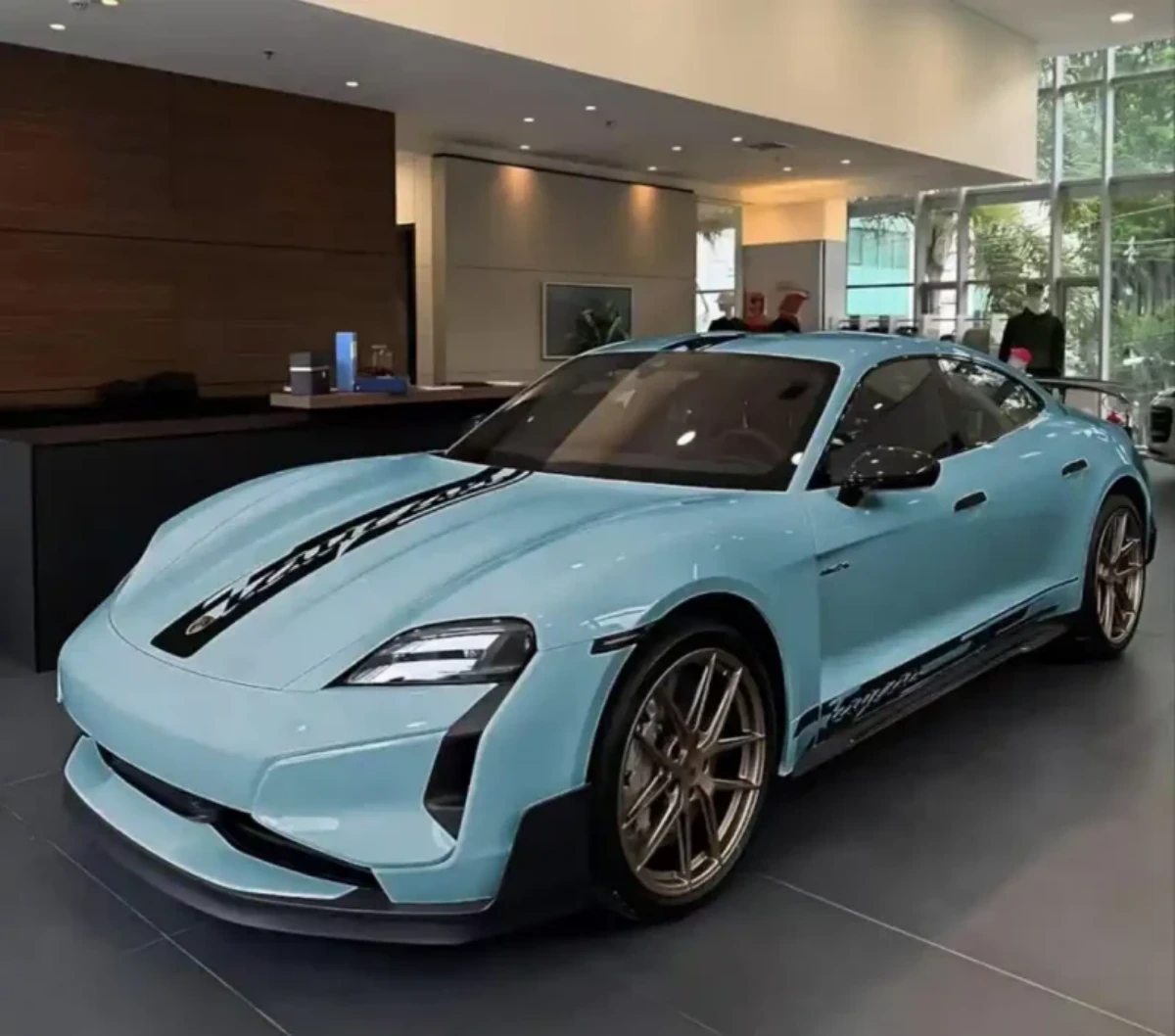
autoli TPU PPF Applied to all brand car models as Maserati、jeep、Infiniti、Porsche、Benz、AstonMartin.Our factory cooperates with PPF brand、PPF distributor、Auto Detailing service and all so in many countries and regions around the world,like UK,Belgium,Venezuela,SriLanka,Warranty: 10 years.Our advantages:Perfect after-sales service;Raw material purchasing advantage;Our customers are all over the world;Your Key to Profitable PPF Ventures;Efficient production reduces costs.Our factory also provides Windshield Protection Film、Window tint、TPU PPF.