

PPF’s resistance to water spots reduces the need for spot-free rinses, saving time at car washes.,No aerodynamic impact on vehicle performance.,The Key to Business Prosperity: Partner with Our Factory’s Diverse – Style PPF.
The user scenarios and value validation of PPF:
- Construction Managers’ Trucks – Shields Ford F-150s from concrete splatters and tool drops, extending time between repaints from 12 to 24 months.
- EV Owners – Protects Tesla and Rivian battery hoods from stone chips, maintaining thermal efficiency and avoiding warranty-related paint damage claims.
- Low-Maintenance Users – Minimizes washing frequency for busy professionals, as hydrophobic PPF keeps vehicles 30% cleaner between washes.
- Performance Car Drivers – Shields Porsche GT3 and BMW M4 hoods from brake dust and tire debris during track days, reducing post-event detailing time by 2 hours.
- Agricultural Vehicle Users – Shields tractor cabs from crop debris and mud, maintaining visibility and reducing cleaning time by 30% per week.
- Wine Tour Vehicles – Protects luxury SUVs from grape juice spills and gravel roads, ensuring client-facing vehicles stay presentable year-round.
- Motorcycle Riders – Shields Harley-Davidson fuel tanks from belt buckle scratches, maintaining resale value for touring bikes by 12%.
- Dirt Bike Racers – Shields plastic fenders from rock impacts during motocross events, with PPF extending part life by 2 seasons.
- Industrial Vehicle Operators – Shields construction truck cabs from gravel and debris, extending time between repaints from 18 to 36 months.
The construction and maintenance of PPF:
- Infrared Curing for Cold Conditions – Low-heat infrared lamps accelerate adhesive setting in workshops below 20°C.
- Tapered Overlap Seams – Feathered edge overlaps (≤0.5mm) create invisible, water-resistant seams between panel sections.
- Regular Edge Inspections – Checking quarterly for lifting edges allows prompt heat-sealing to prevent further damage.
- Quality Inspection – 48-hour post-installation checks for bubbles, misalignment, or edge lifting to address issues promptly.
- Tri-Stage Surface Cleaning – Washing, clay barring, and alcohol wipe-downs ensure 99% contaminant removal before PPF application.
- Post-Repair Curing – Allowing 24 hours after minor repairs (e.g., bubble removal) before washing to ensure adhesion.
- Panel Sectioning – Applying PPF in smaller panel sections (e.g., hood, fenders) ensures better conformity to complex contours.
- Air Blower Drying – Low-pressure air dryers reduce towel contact, minimizing micro-scratches on PPF surfaces.
- Avoid Solvent-Based Cleaners – Steering clear of acetone, brake fluid, or strong degreasers prevents topcoat dissolution.
The user pain points of PPF and their solutions:
- Matte Paint Distortion – Solved by matte-specific PPF (20–30% gloss) designed to preserve texture without shine spots.
- Mold Growth in Humid Climates – Prevented by antimicrobial additives and breathable film designs allowing moisture evaporation.
- Difficulty Removing Old PPF – Simplified with low-tack, residue-free adhesives and professional heat-assisted removal services.
- Edge Lifting – Addressed through heat-sealed edges and nano-adhesive technology, reducing lifting by 75% in car washes.
- Scratches from Automated Car Washes – Prevented by scratch-resistant topcoats (9H hardness) and “brushless wash safe” certifications.
- Confusion About Maintenance Products – Solved by brand-specific cleaning kits and “approved products” lists to avoid topcoat damage.
The cost structure and price composition of PPF:
- Cross-Selling Margins – PPF sales boost ceramic coating and detailing revenue by 25–35% at higher margins.
- Entry-Level PPF Pricing – 6–7mil single-layer films retail at $5–$8 per square foot, with 30–40% gross margins.
- PVC vs. TPU Cost Gap – PVC raw materials cost 50% less than TPU but result in 30% lower售价 due to performance limitations.
- Packaging Costs – Recyclable cardboard rolls and protective liners contribute 1–3% of total product costs.
- Military/First Responder Discounts – 10–15% price reductions, offset by tax benefits for businesses.
- Replacement Part Pricing – Small repair patches cost 2–3x per square foot vs. full rolls due to handling costs.
The regulations of PPF and after-sales services:
- Regulatory Updates for EVs – EV-specific PPFs must comply with OEM heat resistance standards (e.g., 120°C for battery zones) to avoid delamination .
- Anti-Yellowing Guarantees – Brands like Aegis Eternal 400 offer 15-year warranties against yellowing, using HALS stabilizers to maintain optical clarity over extended periods .
- EU PPWR Packaging Mandates – The EU’s Packaging and Packaging Waste Regulation (PPWR) requires PPF packaging to be recyclable by 2030 and prohibits PFAS in food-contact packaging, impacting material choices and disposal practices .
- Certified Installer Networks – Brands like Eastman (DragonFilm) enforce tiered certification programs (e.g., 1-star to 7-star) to ensure standardized installation practices and warranty validity .
- Class Action Liability – Manufacturers face potential litigation for non-compliant PPFs, as seen in cases involving PFAS contamination or false warranty claims .
- Nano-Coating Warranty Bundles – Hybrid solutions combining PPF with ceramic coatings (e.g., Onyx PPF Nano Coat) offer extended warranties covering both layers .
- Regional Regulatory Exemptions – Medical device packaging and hazardous goods transportation are exempt from EU PPWR’s recyclability rules, affecting niche PPF applications .
- Heat-Activated Self-Healing Warranties – Brands guarantee self-healing performance (e.g., 98% micro-scratch repair within 8 minutes at 45°C) under warranty, reflecting confidence in material durability .
- NAR Auto Film’s Compensation Policy – NAR PPF provides 1:1 pre-installation and 1:2 post-installation defect compensation, backed by factory insurance covering up to 100% of replacement costs .
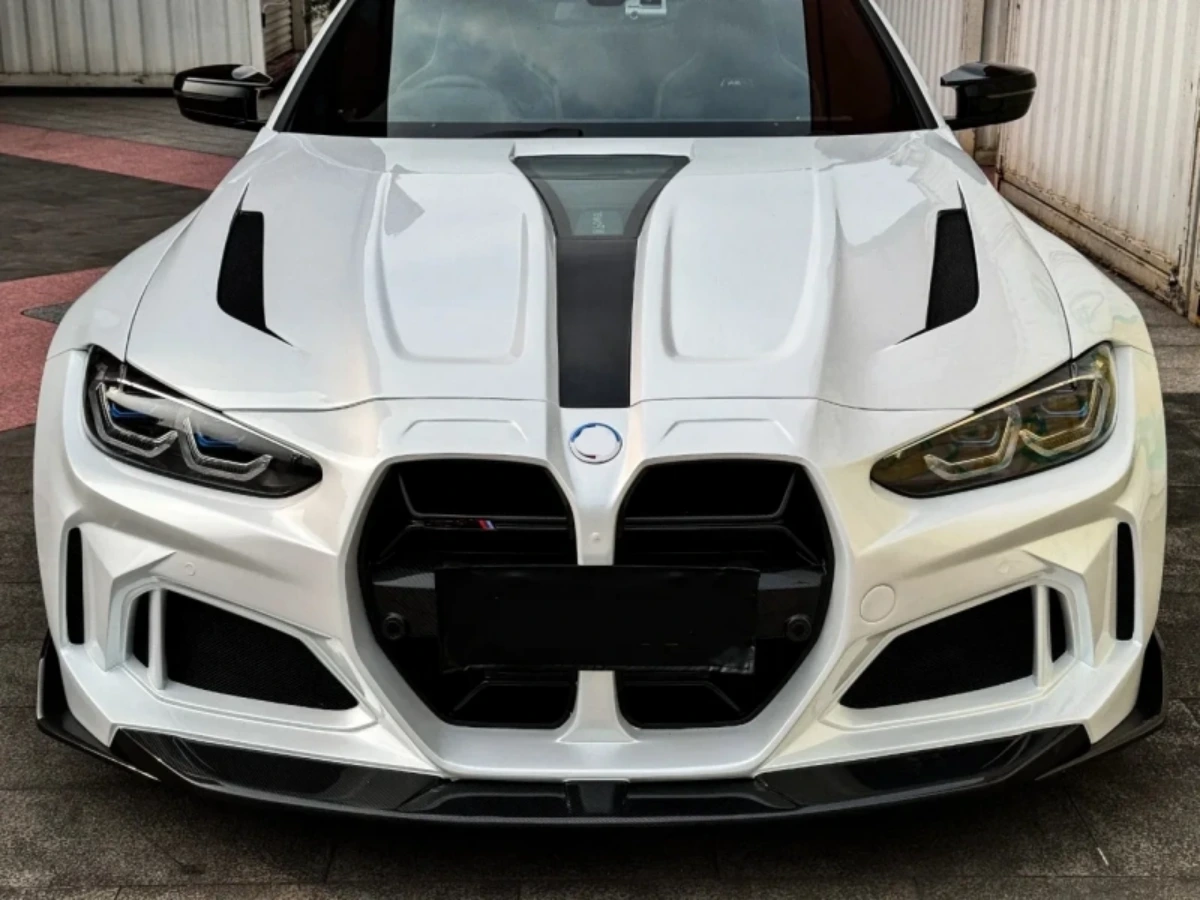
Why TPU PPF:
- Sustainable Material – Aluminum is 100% recyclable, with 75% of new aluminum made from recycled content.
- Solar Panel Compatible – Strong enough to support lightweight solar-powered lighting systems.
- Insurance Benefits – May lower premiums in fire-prone areas due to non-combustible materials.
- Non-Toxic Materials – Free from formaldehyde, arsenic, or other harmful chemicals in wood treatments.
- Wildlife Resistant – No organic materials to attract birds, squirrels, or bees.
- Sleek Aesthetics – Slim profile beams enhance visual appeal while maintaining structural integrity.
- Design Versatility – Compatible with modern, traditional, and contemporary architectural styles.
- Seasonal Adaptability – Easily fitted with winter enclosures or summer mesh screens.
- Anti-Slip Flooring Support – Structurally sound for stone, wood, or composite decking installations.
- Low-Effort Cleaning – Pressure washable surfaces remove dirt and debris in minutes.
The user perception and consumption misconceptions of PPF:
- Consumer Misconception: “All Warranties Cover Everything” – Misreading warranties to include damage from accidents or improper cleaning, leading to denied claims.
- Correct Perception: Brand Reputation Matters – Discerning buyers choose established brands, associating 3M or XPEL with consistent quality over generic alternatives.
- Consumer Misconception: “PPF Makes Car Washes Obsolete” – Thinking hydrophobic properties eliminate washing, not realizing heavy grime still requires cleaning.
- Correct Perception: Temperature Tolerance – Cold-climate users seek flexible PPF, avoiding cracking in sub-zero conditions unlike rigid alternatives.
- Consumer Misconception: “New Cars Don’t Need PPF Immediately” – Delaying installation, unaware that factory paint is most vulnerable to damage in the first 6 months of ownership.
- Correct Perception: Thickness Depends on Use Case – Off-roaders choose 10mil PPF, while daily drivers opt for 8mil to balance protection and flexibility.
- Consumer Misconception: “PPF Works on Rusty Surfaces” – Applying PPF over existing rust, unaware it traps moisture and accelerates corrosion.
- Correct Perception: Quick Healing for Minor Damage – Users appreciate sunlight-activated healing, with 85% reporting scratches disappearing within 24 hours in warm weather.
The differentiated user group needs matching of PPF:
- High-Mileage Highway Drivers – Need stone chip-resistant PPF with thick top layers to absorb impacts from high-speed road debris on highways.
- Beachside Rental Car Fleets – Choose sand-resistant PPF with enhanced hydrophobicity, reducing cleaning time between rentals in coastal areas.
- Wedding Car Services – Opt for high-gloss PPF to enhance shine for photo-ready vehicles, with quick-healing to maintain perfection between events.
- Tropical Climate Users – Demand 99% UV-blocking PPF with enhanced HALS stabilizers to prevent paint fading in intense sunlight and humidity.
- Luxury Yacht Tenders – Choose marine-grade PPF resistant to saltwater and UV, protecting fiberglass hulls from dock collisions and sun damage.
- Classic Truck Restorers – Prefer low-gloss PPF that matches vintage paint sheen, preserving patina while preventing further wear.
- Off-Road Enthusiasts – Prioritize 10 mil impact-resistant PPF with reinforced topcoats to shield against trail rocks, branches, and gravel abrasion.
The protective performance of PPF:
- **Flexibility for Complex Surfaces** – PPF is flexible enough to conform to the complex curves and shapes of a vehicle, providing consistent protection all over the body.
- **Chip and Dent Deterrence** – By acting as a buffer, PPF helps deter chips and small dents from forming on the vehicle’s bodywork caused by flying debris on the highway.
- High-Temperature Resistance – Resists blistering or peeling under prolonged engine heat (up to 120°C), ideal for turbocharged vehicles.
- Advanced Anti-Yellowing Formula – Incorporates UV inhibitors and stabilizers to prevent discoloration over 5 years of exposure.
- Brake Dust Chemical Resistance – Resists etching from iron-rich brake dust, maintaining wheel and fender clarity in high-performance vehicles.
- **Anti-Graffiti Resistance** – It makes it difficult for graffiti to stick to the vehicle’s surface, and if any is applied, it can be removed more easily without harming the paint.
- Yellowing Resistance – Prevents discoloration caused by UV exposure, environmental pollutants, and natural aging processes.
- Warranty Exclusions Clarity – Specifies coverage limits for damage from accidents, improper installation, or modifications.
- **Moisture Barrier** – PPF acts as a moisture barrier, preventing water from seeping into the paint and potentially causing rust or corrosion, especially in areas with high humidity or salty road conditions.
AUTOLI(CN) PPF(Paint Protection Film) manufacturer
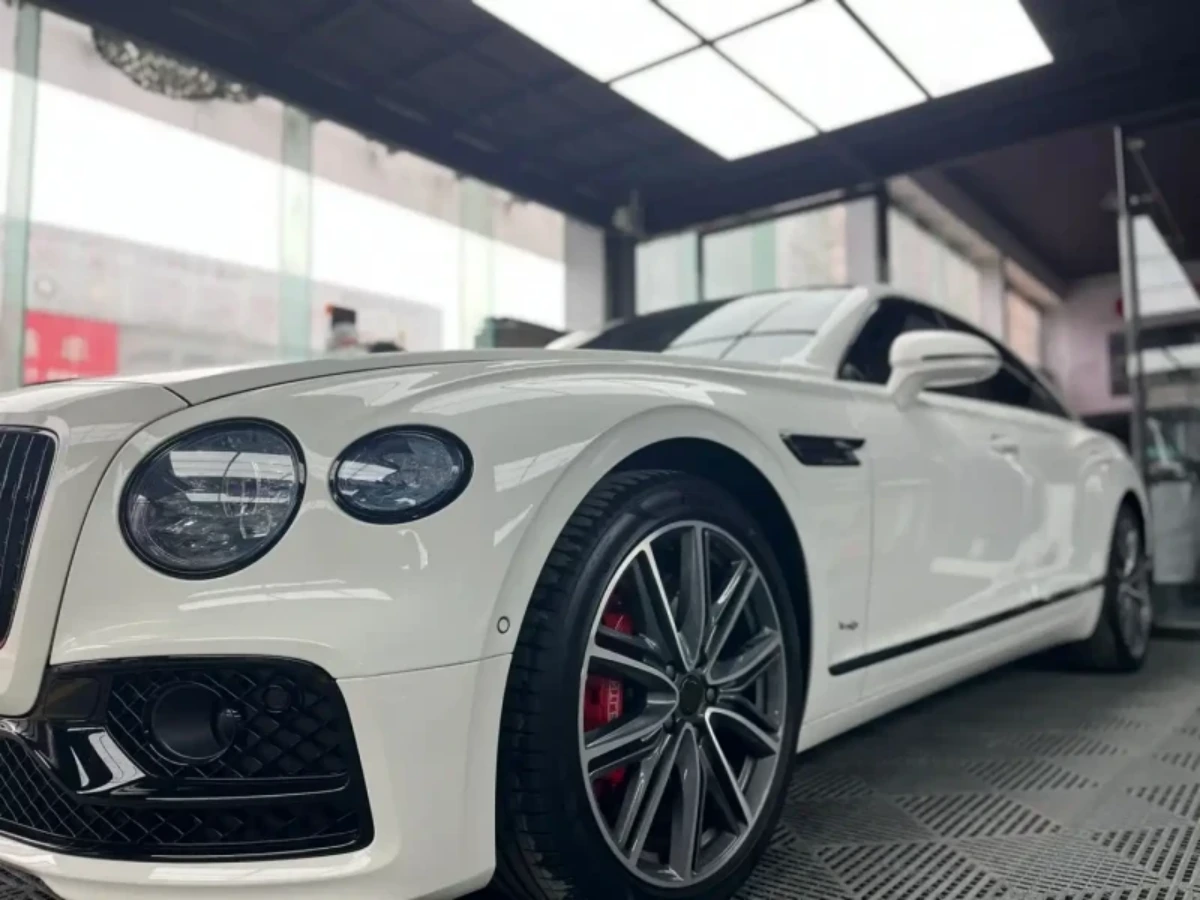
autoli TPU PPF Applied to all brand car models as Lincoln、Infiniti、volvo、Cadillac、ford.Our factory cooperates with PPF agent、PPF installer、ppf installation、Auto Detailing Shop and all so in many countries and regions around the world,like Indonesia,Ireland,Finland,Slovakia,Warranty: 10 years.Our advantages:Our customers are all over the world;High quality raw materials and advanced technology;SGS, ASTM, REACH, UL and other certifications;Short production cycle, quick delivery;Strict quality control system.Our factory also provides Car Wrap、TPU PPF.