

PPF’s protection on door edges prevents chips from open the doorcollisions, a common high-wear area on daily-driven cars.,No aerodynamic impact on vehicle performance.,Unleash Your Business’s True Power: Partner with Our Factory’s Premier PPF.
The user perception and consumption misconceptions of PPF:
- Correct Perception: UV Protection Value – Users increasingly link PPF to preventing paint fading, with 72% citing UV resistance as a key purchase driver.
- Consumer Misconception: “All Warranties Cover Everything” – Misreading warranties to include damage from accidents or improper cleaning, leading to denied claims.
- Correct Perception: Resale Value Boost – 81% of luxury car owners recognize PPF-preserved paint enhances resale value by 5–10% in pre-owned markets.
- Consumer Misconception: “PPF Installation Takes Days” – Avoiding PPF due to perceived downtime, not knowing modern pre-cut kits reduce professional installs to 1–2 days.
- Correct Perception: Pre-Cut vs. Hand-Cut Tradeoffs – Users understand pre-cut kits save time, while hand-cut offers better precision on complex curves.
- Consumer Misconception: “PPF Blocks Radar and GPS Signals” – Fearing interference with ADAS, unaware modern PPF is engineered for 99% signal transparency.
- Consumer Misconception: “PPF Causes Paint Bubbles” – Blaming PPF for bubbles, unaware they’re usually from improper installation or pre-existing paint issues.
- Consumer Misconception: “PPF Needs Waxing Like Paint” – Over-maintaining with wax, unaware that PPF’s topcoat排斥 traditional waxes, requiring specialized sealants.
- Consumer Misconception: “PPF Works on Rusty Surfaces” – Applying PPF over existing rust, unaware it traps moisture and accelerates corrosion.
The horizontal comparison of PPF with other protection methods:
- PPF vs. Vinyl Wraps – PPF prioritizes paint protection with self-healing properties, while vinyl wraps focus on aesthetic customization, with PPF being more durable against abrasion.
- PPF vs. Anti-Scratch Sprays – Sprays offer mild scratch resistance for 1–3 months, while PPF provides robust defense against deep scratches for 5 years.
- PPF vs. Anti-Corrosion Sprays – Sprays inhibit rust on bare metal but don’t protect paint, whereas PPF blocks corrosion triggers (salt, moisture) from reaching painted surfaces.
- PPF vs. Bug Remover Coatings – Bug coatings make cleanup easier, while PPF resists insect acid etching, with PPF offering proactive protection vs. reactive cleaning aid.
- PPF vs. Anti-Fade Treatments – Anti-fade treatments slow UV damage but don’t prevent scratches, unlike PPF which blocks UV rays and shields against physical wear.
- PPF vs. Acrylic Sealants – Acrylic sealants offer temporary gloss (3–6 months) without impact resistance, while PPF adds a physical layer shielding against chips and scratches.
The environmental protection and sustainability of PPF:
- Energy-Efficient Curing Ovens – Infrared curing reduces energy use by 50% compared to traditional convection ovens in production.
- Mycelium Packaging Inserts – Mushroom-based packaging protects PPF during shipping, decomposing in 45 days without chemicals.
- Algae-Based TPU Blends – Experimental films use algae-derived polymers, reducing land use compared to plant-based alternatives.
- Wind-Powered Manufacturing – PPF producers using wind energy reduce production emissions by 35% compared to grid-powered facilities, aligning with renewable energy goals.
- Zero-Waste Manufacturing – Scrap PPF is recycled into production pellets, achieving 95% material utilization in closed-loop systems.
- Circular Economy Design – PPF engineered for disassembly allows easy separation of layers, facilitating material recovery at end-of-life.
The cost structure and price composition of PPF:
- High-Demand Model Premiums – PPF for popular vehicles (e.g., Tesla Model Y) costs 5–10% more due to demand.
- Marketing Expenses – Brand advertising and influencer partnerships contribute 5–8% to retail price markup.
- Customer Acquisition Costs – Average $200–$500 per new client, factored into initial service pricing.
- Inventory Holding Costs – Warehousing and stock rotation add 2–5% annually to total inventory value.
- Export Compliance Costs – Documentation and customs clearance add $0.20–$0.50 per square foot for international sales.
- Matte Finish Premium – Matte-specific PPF costs 15–20% more than gloss due to specialized topcoat formulations.
- Seasonal Pricing Fluctuations – Demand spikes in spring increase prices by 5–10% in temperate regions.
- Long-Term Contract Discounts – 3–5 year fleet contracts reduce per-vehicle costs by 10–15% via guaranteed volume.
- PVC vs. TPU Cost Gap – PVC raw materials cost 50% less than TPU but result in 30% lower售价 due to performance limitations.
Before & After: How PPF Transforms a 10-Year-Old Car:
- Before: Fender flares with paint peeling at the edges; After: PPF wraps flare edges, hiding peeling and preventing water from getting under the paint.
- Before: Wheel arches with paint chipping from gravel; After: Thick 10mil PPF lines arches, hiding existing damage and preventing new chips during turns.
- Before: Rear wiper blade pivot point with rust; After: PPF seals the pivot, covering rust and preventing water from accelerating corrosion.
- Before: Front fender emblems with faded paint on logos; After: Clear PPF covers emblems, preserving logos and resisting weathering damage.
- Before: Door panel armrests (exterior) with paint worn from leaning; After: PPF wraps armrests, covering wear and maintaining comfort without damage.
- Before: Roof rails with scratched paint from roof rack use; After: PPF covers rail surfaces, hiding scratches and reducing friction from rack installation.
- Before: A-pillars with tree branch scratches from off-road use; After: PPF’s scratch-resistant topcoat hides marks and protects during future trail adventures.
- Before: Rear bumper reflectors with paint chipping around edges; After: PPF covers reflector perimeters, hiding chips and maintaining consistent appearance.
- Before: Hood prop rod mounting point with paint worn from contact; After: PPF covers mounting area, hiding wear and reducing friction damage from prop rod.
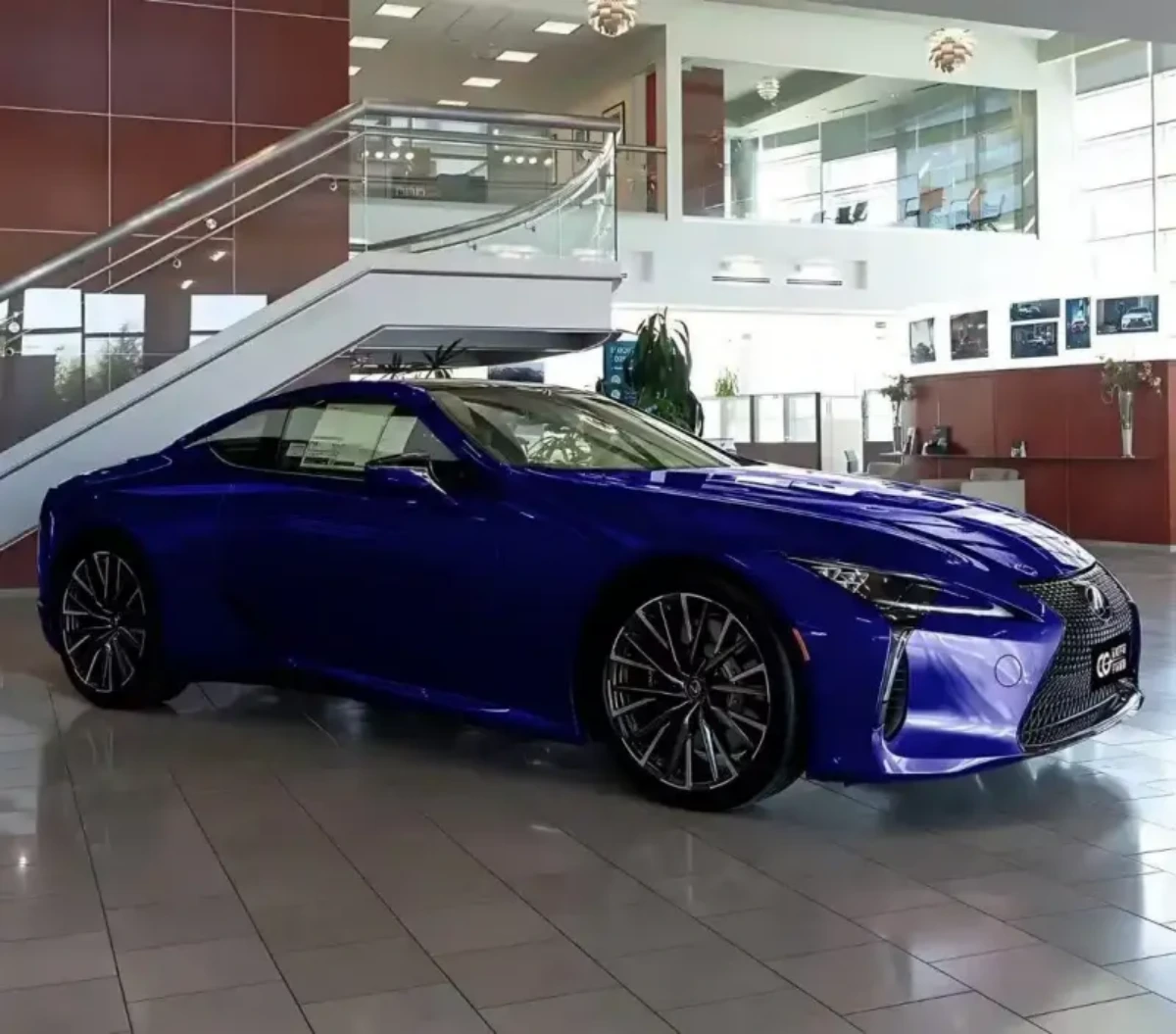
The protective performance of PPF:
- Impact Energy Dispersion – Multi-layer design spreads collision forces across the film, minimizing stress on paint.
- RAPID EDGE? Technology – Simplifies installation with warm water activation, reducing chemical reliance and securing edges efficiently.
- Self-Healing in Low-Temperature Conditions – Advanced films like CarPro Immortal? activate self-healing even at -20°C without external heat.
- 99% UV Blocking – Advanced UV inhibitors shield paint from fading and oxidation caused by prolonged sunlight.
- Road Tar Stain Resistance – Hydrophobic topcoats repel sticky road tar, allowing easy removal with mild solvents.
- Transferable Warranty – Enhances resale appeal by extending coverage to subsequent owners, adding value.
The user scenarios and value validation of PPF:
- Electric Golf Cart Fleets – Protects resort carts from sand and sun damage, keeping rental units looking new 3x longer in tropical destinations.
- Food Delivery Bikers – Protects electric bike frames from sauce spills and curb scrapes, extending fleet life by 2 years for platforms like DoorDash.
- Custom Paint Owners – Preserves expensive matte or chameleon finishes, with PPF preventing swirl marks that would ruin $5,000 custom paint jobs.
- Luxury Yacht Tenders – Guards small boat hulls from dock collisions, with marine-grade PPF reducing gel coat repairs by 60% in saltwater environments.
- Boat Owners – Protects fiberglass hulls from dock scratches and saltwater staining, reducing annual detailing costs by $1,200 for 20 foot boats.
- School Bus Operators – Protects yellow exteriors from graffiti and playground scrapes, cutting annual maintenance costs by $1,200 per bus.
The regulations of PPF and after-sales services:
- Certified Installer Networks – Brands like Eastman (DragonFilm) enforce tiered certification programs (e.g., 1-star to 7-star) to ensure standardized installation practices and warranty validity .
- DIY Installation Void Policies – Most warranties, including PurePPF and 3M, void coverage for self-installed films, emphasizing the need for certified professional application .
- Post-Installation Inspections – Professional installers like NAR PPF conduct post-installation checks to ensure edge sealing and material adherence, minimizing warranty claims .
- Supply Chain Traceability – EU PPWR mandates tracking PPF materials from production to disposal, ensuring compliance with recycled content targets (e.g., 30% by 2030) .
- Regional Warranty Variations – PPF warranties often differ by region; for example, monsoon-prone areas may offer extended coverage for water ingress issues .
- Class Action Liability – Manufacturers face potential litigation for non-compliant PPFs, as seen in cases involving PFAS contamination or false warranty claims .
- EU REACH Compliance – PPF manufacturers must adhere to EU REACH regulations, ensuring all chemicals used in production meet strict safety and environmental standards, particularly for PFAS substances like C9-C14 PFCAs, which are restricted to ≤25 ppb in materials .
AUTOLI(CN) PPF(Paint Protection Film) oem manufacturer
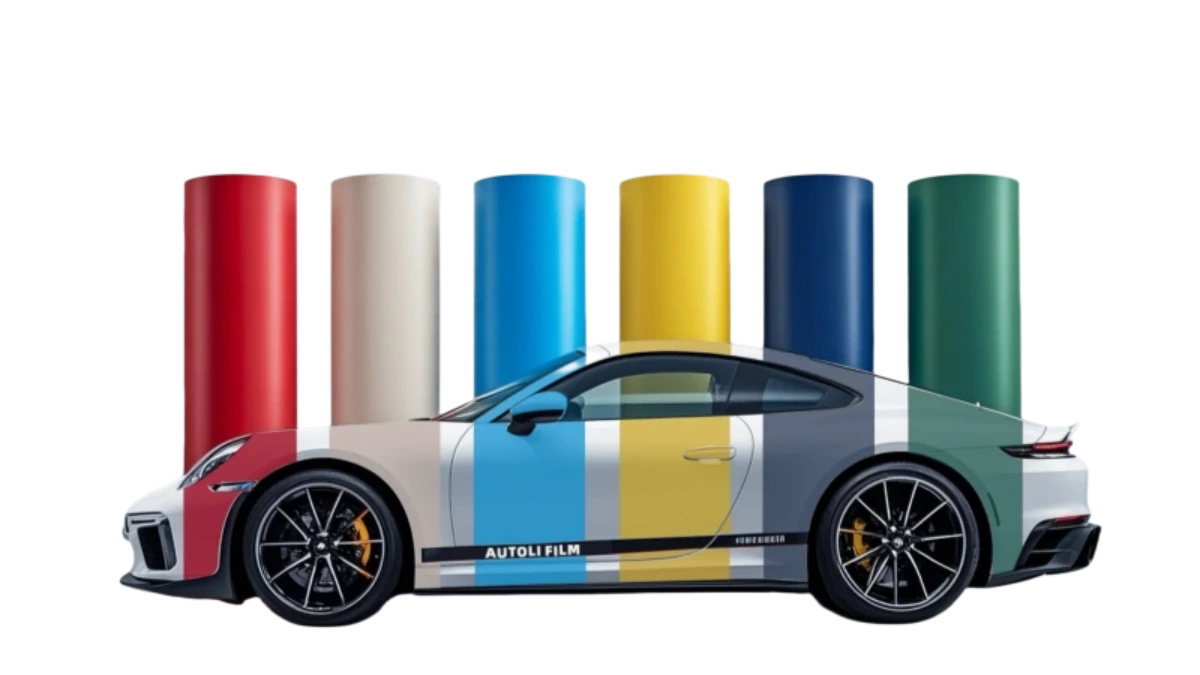
autoli TPU PPF Applied to all brand car models as Mazda、Nissan、binli、Chrysler.Our factory cooperates with Auto Repair Center、PPF agent、PPF wholesale、PPF trading、Auto Detailing and all so in many countries and regions around the world,like Sweden,Venezuela,Madagascar,Norway,Warranty: 10 years.Our advantages:Large stock of styles for you to choose from;Your Key to Profitable PPF Ventures;Unlock Business Growth with Our Factory’s PPF.Our factory also provides Car Wrap、Vinyl Car Wrap.